Filter
1590
Text search:
adolescent
girls
Featured
131
485
Language
Document type
933
258
172
72
61
43
23
14
4
3
2
1
1
Countries
74
58
50
48
46
44
43
41
41
40
36
34
33
26
26
24
18
18
15
14
14
13
13
12
11
11
11
11
11
10
10
10
9
8
8
8
7
7
7
6
6
6
6
6
6
6
5
5
5
4
4
4
3
3
3
3
3
3
2
2
2
2
2
2
2
2
2
1
1
1
1
1
1
1
1
1
1
1
1
1
1
1
1
1
1
1
1
1
1
1
1
1
1
Authors & Publishers
Publication Years
Category
715
233
78
75
60
56
1
Toolboxes
204
137
98
54
53
45
32
26
24
19
19
15
13
12
12
11
6
3
3
3
2
1





The articles in this compendium elaborate on some of the ideas shared at the symposium. Together, they provide a broad view of the dynamic interactions among physical, sexual and brain development that take place during adolescence. They highlight some of the risks to optimal development – includi
...

WHO recommendations on adolescent health: guidelines approved by the WHO Guidelines Review Committee
This document is meant to respond to the questions:
■ What health interventions should the adolescent receive and when should s/he receive it?
■ What health behaviours should the adolescent ...
■ What health interventions should the adolescent receive and when should s/he receive it?
■ What health behaviours should the adolescent ...

Evidence- and rights-based national policies, guidelines and legislation play a key role in improving sexual, reproductive, maternal, newborn, child and adolescent health (SRMNCAH), framing the enabling environment for equitable provision and access
...

In Tanzania, institutional efforts to combat HIV/AIDS started in 1985 by establishing a National Taskforce within the Ministry of Health. This was so because the HIV/AIDS epidemic was first perceived as a health problem, and the initial control efforts were formulated and based within the health sec
...

The Guide on HIV Services for Adolescents Living with HIV (ALHIV) describes
organization of adolescent-friendly services to guide heath management teams and health
care workers (HCWs) on their roles. It also outlines important aspects to consider
...
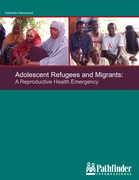
This publications outlines the specific reproductive health needs of this cadre of adolescents and the programmatic responses that can be used to reach them.
The curriculum, which complements the national pediatric ART training, was finalized in 2011 and was subsequently implemented nationally. The training curriculum includes a 15-module Trainer Manual, a Participant Manual, and accompanying PowerPoint slides.