
Filter
2615
Text search:
impact
of
emergencies
Featured
334
640
Language
2512
113
74
58
50
27
23
9
9
8
6
6
5
5
5
5
5
4
4
4
4
4
3
3
3
3
3
2
2
2
2
2
2
2
2
2
2
2
2
2
2
1
1
1
1
1
1
1
1
1
1
1
1
1
Document type
1129
503
407
240
186
48
43
36
7
6
6
4
Countries
177
63
61
58
58
57
53
51
43
42
41
38
38
34
34
34
33
29
24
23
23
22
20
20
19
19
18
17
17
17
17
15
14
14
13
13
13
12
12
11
11
10
10
10
10
10
10
9
9
9
9
9
9
9
8
7
7
7
7
7
6
6
5
5
5
4
4
4
4
4
3
3
3
3
3
3
3
3
3
3
3
3
3
2
2
2
2
2
2
2
2
2
2
2
2
2
2
2
1
1
1
1
1
1
1
1
1
1
1
1
1
1
1
1
1
1
1
1
1
1
1
1
1
1
1
Authors & Publishers
463
87
83
82
68
65
42
38
25
21
21
21
19
18
18
18
18
16
16
16
14
13
12
12
12
12
11
11
11
10
10
10
10
10
10
10
9
9
9
8
8
7
7
7
7
7
7
7
7
7
6
6
6
6
6
6
6
6
6
6
6
5
5
5
5
5
5
5
5
5
5
5
5
5
5
5
5
5
5
5
5
5
5
5
4
4
4
4
4
4
4
4
4
4
4
4
4
4
4
4
4
4
4
4
4
4
4
4
4
4
4
4
4
3
3
3
3
3
3
3
3
3
3
3
3
3
3
3
3
3
3
3
3
3
3
3
3
3
3
3
3
3
3
3
3
3
3
3
3
3
3
3
3
3
3
3
3
3
3
3
3
3
3
2
2
2
2
2
2
2
2
2
2
2
2
2
2
2
2
2
2
2
2
2
2
2
2
2
2
2
2
2
2
2
2
2
2
2
2
2
2
2
2
2
2
2
2
2
2
2
2
2
2
2
2
2
2
2
2
2
2
2
2
2
2
2
2
2
2
2
2
2
2
2
2
2
2
2
2
2
2
2
2
2
2
2
2
2
2
2
2
2
2
2
2
2
2
2
2
2
2
2
2
2
2
2
2
2
2
2
2
2
2
2
2
2
2
2
2
2
2
2
2
2
2
2
2
2
2
2
2
2
2
2
2
2
2
2
2
2
2
2
2
1
1
1
1
1
1
1
1
1
1
1
1
1
1
1
1
1
1
1
1
1
1
1
1
1
1
1
1
1
1
1
1
1
1
1
1
1
1
1
1
1
1
1
1
1
1
1
1
1
1
1
1
1
1
1
1
1
1
1
1
1
1
1
1
1
1
1
1
1
1
1
1
1
1
1
1
1
1
1
1
1
1
1
1
1
1
1
1
1
1
1
1
1
1
1
1
1
1
1
1
1
1
1
1
1
1
1
1
1
1
1
1
1
1
1
1
1
1
1
1
1
1
1
1
1
1
1
1
1
1
1
1
1
1
1
1
1
1
1
1
1
1
1
1
1
1
1
1
1
1
1
1
1
1
1
1
1
1
1
1
1
1
1
1
1
1
1
1
1
1
1
1
1
1
1
1
1
1
1
1
1
1
1
1
1
1
1
1
1
1
1
1
1
1
1
1
1
1
1
1
1
1
1
1
1
1
1
1
1
1
1
1
1
1
1
1
1
1
1
1
1
1
1
1
1
1
1
1
1
1
1
1
1
1
1
1
1
1
1
1
1
1
1
1
1
1
1
1
1
1
1
1
1
1
1
1
1
1
1
1
1
1
1
1
1
1
1
1
1
1
1
1
1
1
1
1
1
1
1
1
1
1
1
1
1
1
1
1
1
1
1
1
1
1
1
1
1
1
1
1
1
1
1
1
1
1
1
1
1
1
1
1
1
1
1
1
1
1
1
1
1
1
1
1
1
1
1
1
1
1
1
1
1
1
1
1
1
1
1
1
1
1
1
1
1
1
1
1
1
1
1
1
1
1
1
1
1
1
1
1
1
1
1
1
1
1
1
1
1
1
1
1
1
1
1
1
1
1
1
1
1
1
1
1
1
1
1
1
1
1
1
1
1
1
1
1
1
1
1
1
1
1
1
1
1
1
1
1
1
1
1
1
1
1
1
1
1
1
1
1
1
1
1
1
1
1
1
1
1
1
1
1
1
1
1
1
1
1
1
1
1
1
1
1
1
1
1
1
1
1
1
1
1
1
1
1
1
1
1
1
1
1
1
1
1
1
1
1
1
1
1
1
1
1
1
1
1
1
1
1
1
1
1
1
1
1
1
1
1
1
1
1
1
1
1
1
1
1
1
1
1
1
1
1
1
1
1
1
1
1
1
1
1
1
1
1
1
1
1
1
1
1
1
1
1
1
1
1
1
1
1
1
1
1
1
1
1
1
1
1
1
1
1
1
1
1
1
1
1
1
1
1
1
1
1
1
1
1
1
1
1
1
1
1
1
1
1
1
1
1
1
1
1
1
1
1
1
1
1
1
1
1
1
1
1
1
1
1
1
1
1
1
1
1
1
1
1
1
1
1
1
1
1
1
1
1
1
1
1
1
1
1
1
1
1
1
1
1
1
1
1
1
1
1
1
1
1
1
1
1
1
1
1
1
1
1
1
1
1
1
1
1
1
1
1
1
1
1
1
1
1
1
1
1
1
1
1
1
1
1
1
1
1
1
1
1
1
1
1
1
1
1
1
1
1
1
1
1
1
1
1
1
1
1
1
1
1
1
1
1
1
1
1
1
1
1
1
1
1
1
1
1
1
1
1
1
1
1
1
1
1
1
1
1
1
1
1
1
1
1
1
1
1
1
1
1
1
1
1
1
1
1
1
1
1
1
1
1
1
1
1
1
1
1
1
1
1
1
1
1
1
1
1
1
1
1
1
1
1
1
1
1
1
1
1
1
1
1
1
1
1
1
1
1
1
1
1
1
1
1
1
1
1
1
1
1
1
1
1
1
1
1
1
1
1
1
1
1
1
1
1
1
1
1
1
1
1
1
1
1
1
1
1
1
1
1
1
1
1
1
1
1
1
1
1
1
1
1
1
1
1
1
1
1
1
1
1
1
1
1
1
1
1
1
1
1
1
1
1
1
1
1
1
1
1
1
1
1
1
1
1
1
1
1
1
1
1
1
1
1
1
1
1
1
1
1
1
1
1
1
1
1
1
1
1
1
1
1
1
1
1
1
1
1
1
1
1
1
1
1
1
1
1
1
1
1
1
1
1
1
1
1
1
1
1
1
1
1
1
1
1
1
1
1
1
1
1
1
1
1
1
1
1
1
1
1
1
1
1
1
1
1
1
1
1
1
1
1
1
1
1
1
1
1
1
1
1
1
1
1
1
1
1
1
1
1
1
1
1
1
1
1
1
1
1
1
1
1
1
1
1
1
1
1
1
1
1
1
1
1
1
1
1
1
1
1
1
1
1
1
1
1
1
1
1
1
1
1
1
1
1
1
1
1
1
1
1
1
1
1
1
1
1
1
1
1
1
1
1
1
1
1
1
1
1
1
1
1
1
1
1
1
1
1
1
1
1
1
1
1
1
1
1
1
1
1
1
1
1
1
1
1
1
1
1
1
1
1
1
1
1
1
1
1
1
1
1
1
1
1
1
1
1
1
1
1
1
1
1
1
1
1
1
1
1
1
1
1
1
1
1
1
1
1
1
1
1
1
1
1
1
1
1
1
1
1
1
1
1
1
1
1
1
1
1
1
1
1
1
1
1
1
1
1
1
1
1
1
1
1
1
1
1
1
1
1
1
1
1
1
1
1
1
1
1
1
1
1
1
1
1
1
1
1
1
1
1
1
1
1
1
1
1
1
1
1
1
1
1
1
1
1
1
1
1
1
1
1
1
1
1
1
1
1
1
1
1
1
1
1
1
1
1
1
1
1
1
1
1
1
1
1
1
1
1
1
1
1
1
1
1
1
1
1
1
1
1
1
1
1
1
1
1
1
1
1
1
1
1
1
1
1
1
1
1
1
1
1
1
1
1
1
1
1
1
1
1
1
1
1
1
1
1
1
1
1
1
1
1
1
1
1
1
1
1
1
1
1
1
1
1
1
1
1
1
1
1
1
1
1
1
1
1
1
1
1
1
1
1
1
1
1
1
1
1
1
1
1
1
1
1
1
1
1
1
1
1
1
1
1
1
1
1
1
1
1
1
1
1
1
1
1
1
1
1
1
1
1
1
1
1
1
1
1
1
1
1
1
1
1
1
1
1
1
1
1
1
1
1
1
1
1
1
1
1
1
1
1
1
1
1
1
1
1
1
1
1
1
1
1
1
1
1
1
1
1
1
1
1
1
1
1
1
1
1
1
1
1
1
1
1
1
1
1
1
1
1
1
1
1
Publication Years
1117
1267
219
11
1
Category
817
391
169
163
154
73
16
1
Toolboxes
366
199
172
140
110
101
90
81
78
78
76
58
39
39
39
39
35
35
31
25
22
21
14
10
3
2
The Seventy-fifth World Health Assembly through a decision on sustainable financing, adopted the recommendations of the Member States Working Group on Sustainable Financing, contained in Appendix 2 of
...
the Working Group’s report to the Seventy-fifth World Health Assembly. As part of the recommendations, the Secretariat was requested to “explore the feasibility of a replenishment mechanism to broaden further the financing base, in consultation with Member States and taking into consideration the Framework of Engagement with Non-State Actors; and to present a report that includes relevant options for Member States to consider, to the Seventy-sixth World Health Assembly, through the 152nd session of the Executive Board and the thirty-seventh meeting of the Programme, Budget and Administration Committee in January 2023” (paragraph 39(f) of Appendix 2 of the Working Group’s report). In response to this request, the Secretariat reviewed the feasibility of a WHO replenishment mechanism in line with the principles set out by the Working Group on Sustainable Financing. It consulted with Member States through the work of the Agile Member States Task Group on strengthening WHO’s budgetary, programmatic and financing governance and benchmarked a set of replenishment mechanisms within and beyond the global health arena. This report outlines the Secretariat’s review and proposals on key elements of a potential WHO replenishment mechanism.
more

The "WHO Package of Essential Noncommunicable (PEN) Disease Interventions for Primary Health Care" provides a set of cost-effective, evidence-based interventions to address noncommunicable diseases
...
(NCDs) such as cardiovascular diseases, diabetes, chronic respiratory diseases, and cancers. Designed for implementation in primary healthcare settings, especially in low-resource environments, the package includes protocols for screening, diagnosis, treatment, and management of these diseases. The document emphasizes an integrated approach, supporting universal health coverage by empowering healthcare workers with practical tools to improve NCD care. It aims to reduce premature mortality from NCDs and enhance global health equity.
more

Preparedness planning is essential in order to respond effectively to outbreaks, including single case occurrences of highconsequence infectious diseases (HCID), such as the importation of a viral h
...
aemorrhagic fever (VHF) case
more
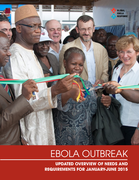

Based on the Vulnerability Index developed in this review, an estimated 22.7 million persons in Myanmar, or 44% of the population, were found to have some form of vulnerability related to human deve
...
lopment and/or exposure to active conflict/violence. These people experience varying combinations of poor housing, lack of education, poor educational attainment, lack of access to safe sanitation and improved drinking water, and direct exposure to conflict.
Shan and Ayeyarwady have the largest populations of vulnerable persons, a function of both their size and relative vulnerability in comparison to other States and Regions. Yangon and Shan show the widest variation in vulnerability across townships (in terms of the number of vulnerable persons and their level of vulnerability), followed by Mandalay, Chin and Rakhine.
Original file: 15 MB more
Shan and Ayeyarwady have the largest populations of vulnerable persons, a function of both their size and relative vulnerability in comparison to other States and Regions. Yangon and Shan show the widest variation in vulnerability across townships (in terms of the number of vulnerable persons and their level of vulnerability), followed by Mandalay, Chin and Rakhine.
Original file: 15 MB more
Drug consumption rooms: an overview of provision and evidence
European Monitoring Centre for Drugs and Drug Addiction
(2018)
C2
Perspectives on Drugs

Strategy, responsiveness and preparedness of the Syrian health care system in the short, mid and long term
Ebens, B., E. Fosse, M. Niechzial, et al.
World Health Organisation (WHO), Regional Office for Eastern Management
(2016)
C_WHO
The recommendation in this document thus supersedes the previous WHO recommendation for the prevention of PPH as published in the 2012 guideline, WHO recommendations for the prevention and treatment of
...
postpartum haemorrhage.
more
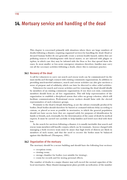
This chapter is concerned primarily with situations where there are large numbers of deaths following a disaster, requiring organized services for handling the dead.
Briefing note on addressing mental health and psychosocial aspects of COVID-19 Outbreak- Version 1.1
recommended
This briefing note summarises key mental health and psychosocial support (MHPSS) considerations in relation to the 2019 novel coronavirus (COVID-19) outbreak.

An ALNAP Guide. Pilot Version.
This pilot guide is intended to help evaluation managers to commission and oversee, and team leaders to conduct, RTEs of humanitarian operational responses. Drawing on a synthesis
...
of existing good practices, it sets out a flexible approach that can be adapted to a variety of contexts. While it concentrates on the particular problems posed by RTEs undertaken within a few months of the start of an emergency response, it addresses how such RTEs can also feed into on-going operations. While the guide focuses on RTEs, some of the advice applies to all evaluations.
more
Handbook For Clinical Management Of Dengue
recommended
Clinical management handbook

The companion Handbook on Humanitarian Access presents the normative framework pertaining to humanitarian access in situations of armed conflict, and therefore serves as a useful reference source for humanitarian practitioners on the normative frame
...
work.
This initial version of the Field Manual – labeled Version 1.0 – was elaborated by Conflict Dynamics International in collaboration with the FDFA and the UN Office for the Coordination of Humanitarian Affairs (OCHA).
Development of the structured approach and guidance contained in this Manuel
involved a consultation process which included bilateral meetings with humanitarian organizations, regional consultation events and consultations during several field visits, including dedicated field missions
more
This manual has been developed to guide rapid risk assessment of acute public health risks from any type of hazard in response to requests from Member States
...
of the World Health Organization (WHO). The manual is aimed primarily at national departments with health-protection responsibilities, National Focal Points (NFPs) for the International Heath Regulations (IHR) and WHO staff. It should also be useful to others who join multidisciplinary risk assessment teams, such as clinicians, field epidemiologists, veterinarians, chemists, food-safety specialists.
more
For the control of vectors and pests of public health importance. Sixth edition
