
Filter
7079
Text search:
Capacity
Assessment
Featured
Recommendations
670
New Publications
2038
Language
Document type
No document type
3855
Studies & Reports
1205
Guidelines
916
Manuals
432
Strategic & Response Plan
345
Training Material
142
Fact sheets
82
Situation Updates
71
Resource Platforms
15
Online Courses
6
Brochures
5
Infographics
4
App
1
Countries / Regions
Global
309
India
294
Kenya
218
Myanmar / Burma
162
Ethiopia
161
Sierra Leone
158
Uganda
158
Nepal
145
South Africa
142
Liberia
133
Nigeria
133
Western and Central Europe
127
Syria
112
Tanzania
112
Malawi
105
Zambia
102
Bangladesh
102
Rwanda
99
Africa
98
Ghana
92
Namibia
88
Ukraine
81
Latin America and the Carribbean
75
Congo, Democratic Republic of
73
Philippines
64
South Sudan
63
Guinea
52
Haiti
50
Lesotho
48
South–East Asia Region
46
Cambodia
45
West and Central Africa
42
Zimbabwe
41
East and Southern Africa
40
Eastern Europe
40
Mozambique
39
Asia
37
Indonesia
36
Senegal
35
Yemen
33
Middle East and North Africa
30
Pakistan
29
Afghanistan
28
Botswana
26
Eastern Europe and Central Asia
26
Burkina Faso
25
Russia
24
Cameroon
23
Jordan
23
Lebanon
23
Germany
22
Eswatini/ Swaziland
22
Central African Republic
21
Venezuela
20
Brazil
19
Colombia
17
Somalia
16
Sudan
16
Benin
16
Western Pacific Region
16
Vietnam
15
Mali
13
Iraq
13
Turkey
13
Thailand
13
Madagascar
12
Laos
12
Peru
11
Albania
11
Moldova
11
Côte d’Ivoire / Ivory Coast
10
USA
10
Tajikistan
10
Chad
8
China
8
Iran
8
Togo
7
Georgia
7
Guinea-Bissau
6
Egypt
6
Argentina
6
Ecuador
6
El Salvador
6
Greece
6
Libya
6
Sri Lanka
6
Palestine
6
Southern Africa
6
North America
6
Gambia
5
Burundi
5
Angola
5
Chile
5
Paraguay
5
Timor Leste/ East Timor
5
Kazakhstan
5
United Kingdom
5
Spain
5
Saudi Arabia
4
Niger
4
Papua New Guinea
4
Dominican Republic
4
North Macedonia
4
Honduras
4
Bolivia
4
Guatemala
4
Mexico
4
Bhutan
4
Poland
4
Romania
4
Kyrgyzstan
4
Jamaica
4
Singapore
3
Croatia
3
Nicaragua
3
Fiji
3
Italy
3
Uzbekistan
3
Turkmenistan
3
Mauritius
3
Portugal
3
Mauritania
2
Hungary
2
Other region
2
Djibouti
2
Canada
2
Qatar
2
Bulgaria
2
Estonia
2
Lithuania
2
Japan
2
France
2
Belarus
2
Morocco
1
Malaysia
1
Ireland
1
Vanuatu
1
Switzerland
1
Serbia
1
Cuba
1
North Korea
1
Armenia
1
Mongolia
1
Congo-Brazzaville
1
Slovakia
1
Australia
1
Gabon
1
Uruguay
1
Maldives
1
Tunisia
1
Azerbaijan
1
Israel
1
Bosnia and Herzegovina
1
Belize
1
Costa Rica
1
Guyana
1
Panama
1
Authors & Publishers
Publication Years
Category
Countries
2754
Key Resources
554
Clinical Guidelines
430
Public Health
387
Women & Child Health
347
Capacity Building
145
Pharmacy & Technologies
65
Annual Report MEDBOX
1
Toolboxes
COVID-19
569
Mental Health
473
HIV
439
Planetary Health
314
TB
296
Disability
276
Conflict
245
Ebola & Marburg
231
AMR
199
Caregiver
188
NTDs
169
Rapid Response
167
Natural Hazards
137
Refugee
132
Global Health Education
130
NCDs
126
Pharmacy
107
2.0 Rapid Response
104
Malaria
82
Health Financing Toolbox
78
Cholera
45
Zika
42
Polio
39
Specific Hazards
36
Social Ethics
13
Typhoon
9
South Sudan
2
Las enfermedades no transmisibles (ENT) (por ejemplo, las enfermedades cardiovasculares, el cáncer, la diabetes y las enfermedades respiratorias crónicas) y los problemas de salud mental (por ejemplo, la enfermedad de Alzheimer y las demencias relacionadas, la depresión, la ansiedad y los trastor
...

The objective of this guideline is to present the complete set of all WHO recommendations and best practice statements relating to abortion. While legal, regulatory, policy and service-delivery contexts may vary from country to country, the recommendations and best practices described in this docume
...

Non-Communicable Diseases (NCDs) have emerged as conditions of great public health concern in Kenya accounting for 39% of deaths annually. The Ministry of Health through the Department of Non-Communicable Diseases has adopted the vision of achieving a nation free from preventable burden of NCDs. Fur
...
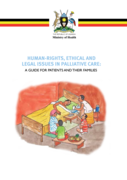
The guide helps patients to understand their rights in relation to the care received and provides insights into the common legal and
human rights issues they may encounter, and encourages them to share these with the health care provider for support. This booklet covers key issues that you mig
...

IDMC's Global Report on Internal Displacement (GRID) is the authoritative source for data and analysis on the state of internal displacement for the previous year.

Drawing on the World Health Organization’s package of NCD best buys, the report demonstrates how these evidence-based measures can help countries reduce premature deaths, strengthen health systems, and advance progress towards the Sustainable Development Goals. It provides policymakers, donors, ad
...

WHO guideline on balanced national controlled medicines policies to ensure medical access and safety
Access to medicines is essential for attainment of universal health coverage, which is central to achievement of the health-related Sustainable Development Goals. Controlled medicines include those such as opioids, benzodiazepines, barbiturates, amphetamines and others with identified or emergent cl
...

WHO guideline on HIV service delivery
recommended
Updated guidance on the integration of diabetes, hypertension and mental health services, and interventions to support adherence to antiretroviral therapy. The guideline offers practical implementation guidance for countries and key stakeholders as well as outlining key research gaps. As life expec
...
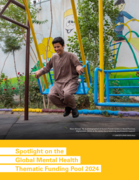
Promoting and protecting the mental health and psychosocial wellbeing of children, adolescents, and their caregivers remains undamental to achieving the Sustainable Development Goals (SDGs), with a direct contribution to SDG 3 (Good Health and Well- eing). In 2024, UNICEF accelerated the scale-up o
...

he UNFPA “Programmatic guidelines: Cash and Voucher Assistance in Sexual and Reproductive Health programming in Emergencies” explains how CVA can be effectively integrated into humanitarian responses to help women, girls, and other vulnerable groups access lifesaving and comprehensive SRH servic
...

This Climate terminology bank provides key definitions and facts related to climate and resilience for Uganda’s refugee response. Its goal is to build a common understanding among stakeholders and support the integration of climate-smart practices in humanitarian efforts.

PHSM are vital in reducing the risk and scale of infectious disease transmission and lowering hospitalization and deaths. Examples include contact tracing, quarantine and isolation, mask use, ventilation, school or workplace measures, mobility restrictions and travel requirements.
While these mea
...

Building on the WHO guidelines for disclosure to children up to age 12 in 2011, this implementation guidance provides evidence on existing interventions that support children and adolescents living with HIV in the process of disclosure. It includes interventions that focuses on safe disclosure, as w
...

Adolescents and young adults aged 10-24 remain underserved in the global response against HIV. Combination prevention, treatment and care programmes use a mix of evidence-based interventions to meet the current HIV prevention needs of adolescents and young adults. However, there needs to be a focus
...

This document, with a focus on the built environment and health care facilities, intends to guide the audience in preparing for and responding to SARI pandemics caused by existing and novel pathogens. It provides technical guidance on designing, establishing, and managing health care facilities for
...

This report was developed by the WHO TB Vaccine Accelerator Finance and Access working group, co-led by WHO, Gavi and the Government of South Africa. It sets out the working group’s shared vision for equitable access to novel TB vaccines and will advance a shared understanding of the current lands
...

In an era of constrained resources and tightening budgets, strategic prioritization in tuberculosis (TB) programming is more critical than ever. Countries must make informed decisions to allocate limited resources effectively - maximizing impact, preventing avoidable deaths, and sustaining progress
...

The findings of the report are both urgent and devastating. At the current rate of progress, by 2040 we would still have 1.9 million new HIV infections and 990,000 AIDS-related deaths in children. But if funding for HIV prevention and treatment continues to fall as current trends suggest, the world
...

Panel Recommendations

These guidelines update earlier WHO recommendations to maximize the HIV prevention impact of safe VMMC services and aim to guide the transition to the sustained provision of interventions with a focus on the health and well-being of both adolescent boys and men.
