
Filter
2648
Text search:
psychosocial
training
Featured
303
654
Language
2497
104
49
47
39
16
15
13
12
6
5
4
4
4
3
3
3
2
2
2
2
2
2
2
2
2
2
1
1
1
1
1
1
1
1
1
1
1
1
1
1
1
1
Document type
1511
364
295
182
122
79
41
35
9
7
2
1
Countries
104
78
77
72
70
67
59
54
51
50
47
41
40
38
37
37
36
33
31
28
27
26
26
25
25
24
24
22
21
21
18
17
16
15
15
14
14
13
12
11
11
10
9
9
9
8
8
8
8
8
8
8
7
7
7
7
7
7
6
6
6
6
5
5
5
4
4
4
4
3
3
3
3
3
3
3
3
2
2
2
2
2
2
2
2
2
2
2
2
2
2
2
2
2
2
1
1
1
1
1
1
1
1
1
1
1
1
1
1
1
1
1
1
1
1
1
1
1
1
1
Authors & Publishers
330
115
93
67
57
57
56
49
45
44
43
40
36
26
24
22
19
19
19
18
16
16
15
15
14
14
12
11
11
11
11
10
10
10
10
10
10
9
9
9
8
8
8
8
8
8
8
8
7
7
7
7
7
7
7
7
7
6
6
6
6
6
6
6
6
5
5
5
5
5
5
5
5
5
5
5
5
5
5
5
5
5
5
5
5
4
4
4
4
4
4
4
4
4
4
4
4
4
4
4
4
4
4
4
4
4
4
4
4
4
4
4
4
4
4
4
4
4
4
4
4
4
4
4
4
4
4
4
3
3
3
3
3
3
3
3
3
3
3
3
3
3
3
3
3
3
3
3
3
3
3
3
3
3
3
3
3
3
3
3
3
3
3
3
3
3
3
3
3
3
3
3
3
3
3
3
3
3
3
3
3
3
3
3
2
2
2
2
2
2
2
2
2
2
2
2
2
2
2
2
2
2
2
2
2
2
2
2
2
2
2
2
2
2
2
2
2
2
2
2
2
2
2
2
2
2
2
2
2
2
2
2
2
2
2
2
2
2
2
2
2
2
2
2
2
2
2
2
2
2
2
2
2
2
2
2
2
2
2
2
2
2
2
2
2
2
2
2
2
2
2
2
2
2
2
2
2
2
2
2
2
2
2
2
2
2
2
2
2
2
2
2
2
2
2
2
2
2
2
2
2
2
2
2
2
2
2
2
2
2
2
2
2
2
2
2
2
2
2
2
2
1
1
1
1
1
1
1
1
1
1
1
1
1
1
1
1
1
1
1
1
1
1
1
1
1
1
1
1
1
1
1
1
1
1
1
1
1
1
1
1
1
1
1
1
1
1
1
1
1
1
1
1
1
1
1
1
1
1
1
1
1
1
1
1
1
1
1
1
1
1
1
1
1
1
1
1
1
1
1
1
1
1
1
1
1
1
1
1
1
1
1
1
1
1
1
1
1
1
1
1
1
1
1
1
1
1
1
1
1
1
1
1
1
1
1
1
1
1
1
1
1
1
1
1
1
1
1
1
1
1
1
1
1
1
1
1
1
1
1
1
1
1
1
1
1
1
1
1
1
1
1
1
1
1
1
1
1
1
1
1
1
1
1
1
1
1
1
1
1
1
1
1
1
1
1
1
1
1
1
1
1
1
1
1
1
1
1
1
1
1
1
1
1
1
1
1
1
1
1
1
1
1
1
1
1
1
1
1
1
1
1
1
1
1
1
1
1
1
1
1
1
1
1
1
1
1
1
1
1
1
1
1
1
1
1
1
1
1
1
1
1
1
1
1
1
1
1
1
1
1
1
1
1
1
1
1
1
1
1
1
1
1
1
1
1
1
1
1
1
1
1
1
1
1
1
1
1
1
1
1
1
1
1
1
1
1
1
1
1
1
1
1
1
1
1
1
1
1
1
1
1
1
1
1
1
1
1
1
1
1
1
1
1
1
1
1
1
1
1
1
1
1
1
1
1
1
1
1
1
1
1
1
1
1
1
1
1
1
1
1
1
1
1
1
1
1
1
1
1
1
1
1
1
1
1
1
1
1
1
1
1
1
1
1
1
1
1
1
1
1
1
1
1
1
1
1
1
1
1
1
1
1
1
1
1
1
1
1
1
1
1
1
1
1
1
1
1
1
1
1
1
1
1
1
1
1
1
1
1
1
1
1
1
1
1
1
1
1
1
1
1
1
1
1
1
1
1
1
1
1
1
1
1
1
1
1
1
1
1
1
1
1
1
1
1
1
1
1
1
1
1
1
1
1
1
1
1
1
1
1
1
1
1
1
1
1
1
1
1
1
1
1
1
1
1
1
1
1
1
1
1
1
1
1
1
1
1
1
1
1
1
1
1
1
1
1
1
1
1
1
1
1
1
1
1
1
1
1
1
1
1
1
1
1
1
1
1
1
1
1
1
1
1
1
1
1
1
1
1
1
1
1
1
1
1
1
1
1
1
1
1
1
1
1
1
1
1
1
1
1
1
1
1
1
1
1
1
1
1
1
1
1
1
1
1
1
1
1
1
1
1
1
1
1
1
1
1
1
1
1
1
1
1
1
1
1
1
1
1
1
1
1
1
1
1
1
1
1
1
1
1
1
1
1
1
1
1
1
1
1
1
1
1
1
1
1
1
1
1
1
1
1
1
1
1
1
1
1
1
1
1
1
1
1
1
1
1
1
1
1
1
1
1
1
1
1
1
1
1
1
1
1
1
1
1
1
1
1
1
1
1
1
1
1
1
1
1
1
1
1
1
1
1
1
1
1
1
1
1
1
1
1
1
1
1
1
1
1
1
1
1
1
1
1
1
1
1
1
1
1
1
1
1
1
1
1
1
1
1
1
1
1
1
1
1
1
1
1
1
1
1
1
1
1
1
1
1
1
1
1
1
1
1
1
1
1
1
1
1
1
1
1
1
1
1
1
1
1
1
1
1
1
1
1
1
1
1
1
1
1
1
1
1
1
1
1
1
1
1
1
1
1
1
1
1
1
1
1
1
1
1
1
1
1
1
1
1
1
1
1
1
1
1
1
1
1
1
1
1
1
1
1
1
1
1
1
1
1
1
1
1
1
1
1
1
1
1
1
1
1
1
1
1
1
1
1
1
1
1
1
1
1
1
1
1
1
1
1
1
1
1
1
1
1
1
1
1
1
1
1
1
1
1
1
1
1
1
1
1
1
1
1
1
1
1
1
1
1
1
1
1
1
1
1
1
1
1
1
1
1
1
1
1
1
1
1
1
1
1
1
1
1
1
1
1
1
1
1
1
1
1
1
1
1
1
1
1
1
1
1
1
1
1
1
1
1
1
1
1
1
1
1
1
1
1
1
1
1
1
1
1
1
1
1
1
1
1
1
1
1
1
1
1
1
1
1
1
1
1
1
1
1
1
1
1
1
1
1
1
1
1
1
1
1
1
1
1
1
1
1
1
1
1
1
1
1
1
1
1
1
1
1
1
1
1
1
1
1
1
1
1
1
1
1
1
1
1
1
1
1
1
1
1
1
1
1
1
1
1
1
1
1
1
1
1
1
1
1
1
1
1
1
1
1
1
1
1
1
1
1
1
1
1
1
1
1
1
1
1
1
1
1
1
1
1
1
1
1
1
1
1
1
1
1
1
1
1
1
1
1
1
1
1
1
1
1
1
1
1
1
1
1
1
1
1
1
1
1
1
1
1
1
1
1
1
1
1
1
1
1
1
1
1
1
1
1
1
1
1
1
1
1
1
1
1
1
1
1
1
1
1
1
1
1
1
1
1
1
1
1
1
1
1
1
1
1
1
1
1
1
1
1
1
1
1
1
1
1
1
1
1
1
1
1
1
1
1
1
1
1
1
1
1
1
1
1
1
1
1
1
1
1
1
1
1
1
1
1
1
1
1
1
1
1
1
1
1
1
1
1
1
1
1
1
1
1
1
1
1
1
1
1
1
1
1
1
1
1
1
1
1
1
1
1
1
1
1
1
1
1
1
1
1
1
1
1
1
1
1
1
1
1
1
1
1
1
1
1
1
1
1
1
1
1
1
1
1
1
1
1
1
1
1
1
1
1
1
1
1
1
1
1
1
1
1
1
1
1
1
1
1
1
1
1
1
1
1
1
1
1
1
1
1
1
1
1
1
1
1
1
1
1
1
1
1
1
1
1
1
1
1
1
1
1
1
1
1
1
1
1
1
1
1
1
1
1
1
1
1
1
1
1
1
1
1
1
1
1
1
1
1
1
1
1
1
1
1
1
1
1
1
1
1
1
1
1
1
1
1
1
1
1
1
1
1
1
1
1
1
1
1
1
1
1
1
1
1
1
1
1
1
1
1
1
1
1
1
1
1
1
1
1
1
1
1
1
1
1
1
1
1
1
1
1
1
1
1
1
1
1
1
1
1
1
1
1
1
1
1
1
1
1
1
1
1
1
1
1
1
1
1
1
1
1
1
1
1
1
1
1
1
1
1
1
1
1
1
1
1
1
1
1
1
1
1
1
1
1
1
1
1
1
1
1
1
1
1
1
1
1
1
1
1
1
1
1
1
1
1
1
1
1
1
1
1
1
1
1
1
1
1
1
1
1
1
1
1
1
1
1
1
1
1
1
1
1
1
1
1
1
1
1
1
1
1
1
1
1
1
1
1
1
1
1
1
1
1
1
1
1
1
1
1
1
1
1
1
1
1
1
1
1
1
1
1
1
1
1
1
1
1
1
1
1
1
1
1
1
1
1
1
1
1
1
1
1
1
1
1
1
1
1
1
1
1
1
1
1
1
1
1
1
1
1
1
1
1
1
1
1
1
1
1
1
1
1
1
1
1
1
1
1
1
1
1
1
1
1
1
1
1
1
1
1
1
1
1
1
1
1
1
1
1
1
1
1
1
1
1
1
1
1
1
1
1
1
1
1
1
1
1
1
1
1
1
1
1
1
1
1
1
1
1
1
1
1
1
1
1
1
1
1
1
1
1
1
1
1
1
1
1
1
1
1
1
1
1
1
1
1
1
1
1
1
1
1
1
1
1
1
1
1
1
1
1
1
1
1
1
1
1
1
1
1
1
1
1
1
1
1
1
1
1
1
1
1
1
1
1
1
1
1
1
1
1
1
1
1
1
1
1
1
1
1
1
1
1
1
1
1
1
1
1
1
1
1
1
1
1
1
1
1
1
1
1
1
1
1
1
1
1
1
1
1
1
1
1
1
1
1
1
1
1
1
1
1
1
1
1
1
1
1
1
1
1
1
1
1
1
Publication Years
775
1654
214
4
1
Category
870
184
170
129
115
102
6
2
Toolboxes
590
239
187
156
119
112
96
84
68
66
33
33
32
28
26
25
17
11
7
5
5
4
3
2
2
1
1
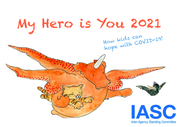
The story-book, a sequel to the immensely successful ‘My Hero is You: How kids can fight COVID-19!’, is being released in the second year of the COVID-19 pandemic. The new story, aimed primarily at children aged 6-11 years, sees the return of Ario, a fantasy creature who travels the world helpin
...
g children find hope in the future and joy in simple pleasures. Together with old and new friends, Ario addresses the fears, frustrations and concerns faced by children during this phase of the pandemic and explores with them the various coping mechanisms that they can use when faced with difficult emotions like fear, grief, anger and sadness. Through the voices of the children that Ario meets on his travels, the book provides a vivid illustration of the impact of COVID-19 on the mental health and well-being of children.
The content of the book drew from survey responses from more than 5000 children, parents, caregivers and teachers from around the world on the challenges they continue to face in the second year of the pandemic.
Available in different languages
more
Nursing Times [online]; 117: 11, 18-21.
Community health worker teams are potential game-changers in ensuring access to care in vulnerable communities. Who are they? What do they actually do? Can they help South Africa realize universal health coverage? As the proactive arm of the health services, community health workers teams provide ho
...
usehold and community education, early screening, tracing and referrals for a range of health and social services. There is little local or global evidence on the household services provided by such teams, beyond specific disease-oriented activities such as for HIV and TB. This paper seeks to address this gap.
more

Occupational health and safety programmes aim to prevent diseases and injuries arising out of, linked with or occurring in the course of work, while improving the quality and safety of care, safeguarding the health workforce and promoting environmental sustainability in the health sector.
This gu
...
ide provides an overview of the key elements of occupational health and safety programmes for health workers at national, subnational and facility levels, as well as advice for the development and implementation of such programmes. Health workers exposure risk assessment and management in the context of COVID-19 virus
more
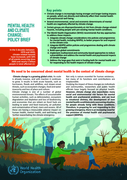
We need to be concerned about mental health in the context of climate change

This new guidance aims to support programme implementers, coordinators and others in humanitarian settings in their actions to counter suicide and self-harm in humanitarian contexts and to save lives.
NFPA continues to work with partners to respond to the Ukraine emergency. Highlights from the month of January include:
- The #TrainOfHope launched between Kyiv and Chisinau is a lifeline, providing refugees, including many women with children, both a route to safety and a way back home.
- When t
...
he Government of Ukraine lost control of Kherson city, social workers at a shelter for survivors of domestic violence continued to work so that women and girls could receive essential assistance.
more

Sexual abuse perpetrated against children is one of the most significant crises of our time. Child sexual abuse is a significant risk factor for children, in common with other forms of child maltreatment. Sexual abuse can have severe short- and long-term consequences on the physical, mental, social,
...
emotional and economic well-being of children, families and communities. In emergencies, the threat of all forms of child abuse and gender-based violence (GBV), including child sexual abuse, is acute and widespread.
more

Successful retention and re-engagement in HIV care depends largely on the ability of the provider to involve and motivate patients to attend ongoing care

Guidance Note: Protection of Children during Infectious Disease Outbreaks
Arii M., F. Baele, J. Bedford et al.
The Alliance for children protection in humanitarian action
(2020)
C2
Accessed on 31.03.2020
This Guidance Note aims to provide humanitarian child protection practitioners, particularly child protection advisors and program managers, with guidance on how to engage in responses to infectious disease outbreaks to ensure children’s protection needs are taken into ac
...
count in preparedness for, and during responses to, the outbreaks. The Guidance Note draws upon lessons learned during infectious disease outbreaks globally in a variety of contexts.
more
Indian Journal of Psychiatry 56(3), Jul‐Sep 2014; DOI: 10.4103/0019-5545.140615
Psychological first aid: Guide for field workers. Первая психологическая помощь: руководство для работников на местах. (Russian Version)
recommended
World Health Organization WHO, War Trauma Foundation and World Vision International
Всемирная организация здравоохранения
(2014)
C_WHO
Данное руководство разработано в качестве стандартного пособия по оказанию первой психологической помощи для использования в странах с низким и средним уровнем Ð
...
´охода. Приведенная здесь информация является типовой, и ее следует соответствующим образом адаптировать к местным условиям и культурным особенностям людей, которым вы будете оказывать помощь. В этой публикации, одобренной многими международными организациями, отражены новые научные данные и общее мнение международного профессионального сообщества об оптимальных путях оказания поддержки людям, только что пережившим тяжелые травмирующие события.
more
This manual was developed based on the recommendations of a global technical consultation on child health in humanitarian emergencies co-organized by WHO and UNICEF at the end of 2003. WHO in collaboration with the Centre for Refugee and Disaster Response, Bloomberg School of Public Health, Johns Ho
...
pkins University undertook a systematic review in 2004. It demonstrated that existing guidelines, including The Integrated Management of Childhood Illness (IMCI), do not cover all priority conditions in emergencies. The objective of this manual is to provide comprehensive guidance on child care in emergencies.
more


Food Security And Nutrition In Emergency
recommended
Chapter 9: Public health guide for emergencies
Quality Assurance (QA) and Quality Improvement (QI). The guide provides general information on how to organize, implement and follow up on quality assurance/quality improvement clinical facility and service assessments. At the website you will find checklists intended to be used with the clinical fa
...
cility assessment guide
more
The INEE Minimum Standards Handbook is the only global tool that articulates the minimum level of educational quality and access in emergencies through to recovery. The Minimum Standards express a commitment that all individuals—children, youth and adults—have a right to education.
There are
...
different languages available: Arabic, Azerbajan, Bahsa Indonesia, Bengali, Bosnian, Coratian, Serbian, Chinese, English, French, Japanese, Krygyz, Nepali, Pashto, Portuguese, Russian, Spanish, Urdu, Turkish, Vietnamese
more
The guidelines begin with an overview of the determinants of mental health among children and adolescents before reviewing related South African policies and legislation. The document then discusses strategies to build skills among caregivers, teachers and other frontline providers of mental health
...
interventions as well as those for counselling professionals. The guidelines conclude by identifying priority areas for mental health services among children and adolescents, including the prevention of child and substance abuse as well as services for those living with intellectual disabilities
more
