
Filter
792
Text search:
West
and
Central
Africa
Featured
Recommendations
68
New Publications
201
Language
Document type
No document type
414
Studies & Reports
200
Guidelines
71
Manuals
32
Strategic & Response Plan
32
Fact sheets
13
Situation Updates
10
Training Material
9
Infographics
5
Resource Platforms
3
Online Courses
2
Videos
1
Countries / Regions
West and Central Africa
67
Global
49
East and Southern Africa
39
Sierra Leone
38
Africa
35
Nigeria
33
Liberia
31
Kenya
30
Middle East and North Africa
28
Western and Central Europe
28
Uganda
23
Guinea
22
South Africa
21
Ghana
18
Cameroon
15
India
15
Senegal
14
Congo, Democratic Republic of
14
Ethiopia
14
South Sudan
14
Malawi
13
Tanzania
12
Syria
11
South–East Asia Region
11
Latin America and the Carribbean
11
Rwanda
10
Mozambique
10
Yemen
9
Burkina Faso
8
Zambia
8
Benin
8
Central African Republic
8
Eastern Europe and Central Asia
8
Mali
7
Zimbabwe
7
Asia
7
Niger
6
Ukraine
6
Eastern Europe
6
Côte d’Ivoire / Ivory Coast
5
Nepal
5
Chad
5
Indonesia
5
Sudan
5
Russia
5
Vietnam
5
Togo
4
Afghanistan
4
Germany
3
China
3
Malaysia
3
Brazil
3
Libya
3
Myanmar / Burma
3
Japan
3
France
3
Haiti
2
Lebanon
2
Cambodia
2
Thailand
2
Namibia
2
Eswatini/ Swaziland
2
Burundi
2
Colombia
2
Botswana
2
Angola
2
Madagascar
2
Sri Lanka
2
Southern Africa
2
Iran
2
Gabon
2
Tunisia
2
Portugal
2
Spain
2
Guinea-Bissau
1
USA
1
Saudi Arabia
1
Philippines
1
Somalia
1
Pakistan
1
Turkey
1
North Macedonia
1
Serbia
1
Croatia
1
Lesotho
1
Mexico
1
Western Pacific Region
1
Venezuela
1
Palestine
1
Italy
1
Armenia
1
Laos
1
Tajikistan
1
Estonia
1
Moldova
1
Kyrgyzstan
1
Kazakhstan
1
North America
1
Turkmenistan
1
United Kingdom
1
Algeria
1
Azerbaijan
1
Bosnia and Herzegovina
1
Authors & Publishers
Publication Years
Category
Countries
284
Key Resources
56
Clinical Guidelines
44
Public Health
41
Women & Child Health
35
Capacity Building
8
Pharmacy & Technologies
2
Toolboxes
COVID-19
92
HIV
71
Ebola & Marburg
65
Mental Health
45
Planetary Health
39
NTDs
31
TB
30
Conflict
26
Rapid Response
26
Refugee
21
AMR
19
Disability
18
Global Health Education
14
Caregiver
12
2.0 Rapid Response
12
Social Ethics
11
NCDs
11
Natural Hazards
8
Zika
7
Pharmacy
7
Health Financing Toolbox
6
Polio
5
Cholera
4
Specific Hazards
1
Malaria
1

Previous pandemics have demonstrated that more people could die from the indirect consequences of an outbreak than from the disease itself. As the fight against the pandemic is pushing millions into poverty and hunger, COVID-19 will likely be no dif
...
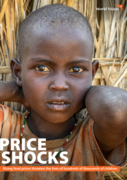
Conflict, climate change, the COVID-19 pandemic, and the economic effects of the Ukraine crisis are interacting to create new and worsen existing hunger hotspots, reversing the gains families had ma
...
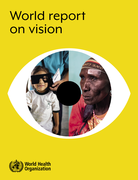
At present at least 2.2 billion people around the world have a vision impairment, of whom at least 1 billion have a vision impairment that could have been prevented or is yet to be addressed. The world faces considerable challenges in terms of eye care, including inequalities in the coverage
...
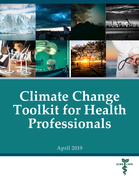
Climate Change Toolkit for Health Professionals
recommended
This toolkit consists of eight modules which have been prepared as stand-alone documents that can be read by themselves, but they have also been prepared to complement one another. It has been designed as a tool for health professionals and student
...
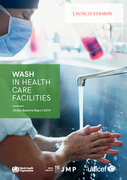
The WHO/UNICEF JMP report, WASH in Health Care Facilities, is the first comprehensive global assessment of water, sanitation and hygiene (WASH) in health care facilities. It also finds that 1 in 5 health care facilities has no sanitation service*, i
...
This field study to assess the pharmaceutical situation was undertaken in Ghana in May-June 2008 using a standardized methodology developed by the World Health Organization. The study assessed medicines availability and affor
...

More than 700 000 people lose their life to suicide every year. The world is not on track to reach the 2030 suicide reduction targets. WHO advocates for countries to take action to prevent suicide, ideally through a comprehensive national suicide prevention strategy. Governments
...
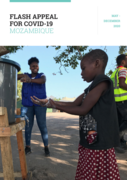
The first case of COVID-19 was reported in Mozambique on 22 March 2020. As of 26 May, Mozambique had 194 confirmed cases of COVID-19, of which 168 were locally transmitted. The country’s capital, Maputo, and the province of Cabo Delgado are curren
...
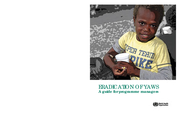
This document provides guidance for countries on how to implement activities to achieve the interruption of yaws transmission. It is intended for use by national yaws eradication programmes, partners involved in the implementation of yaws eradication activities
...
1.HIV infections – drug therapy. 2.Anti-HIV agents – adverse effects. 3.Anti-retroviral agents. 4.Benzoxazines – adverse effects. 5.Pregnancy. 6.Disease transmission, Vertical - prevention and control. 7.Treatment outcome. I.World Health Organ
...

More than three months since the start of the war in Ukraine, people globally are facing a cost-of-living crisis not seen in more than a generation, with escalating price shocks in the global food, energy and fertilizer markets - in a world already
...

The World Health Organization’s comprehensive antenatal care (ANC) guideline WHO recommendations on antenatal care for a positive pregnancy experience was published in 2016 with the objective of improving the quality of routine health care that all women
...

This Eye health strategic plan presents the Ministry of Health’s five
year proposed strategies for eye care in Kenya. It sets the strategic
direction for the National Eye Health Care System and presents
information on the priorities, objectives
...
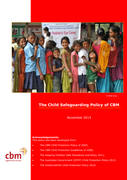
CBM’s Child Safeguarding Policy is based on the UN Convention on the Rights of the Child, 1989 (and its optional protocols); the national child protection legislation of Germany as well as that of the CBM program
countries
...

First published in 2020, this toolkit is intended for clinicians working in acute care, managing adult and paediatric patients with acute respiratory infection, including severe pneumonia, acute respiratory distress syndrome, sepsis
...

Despite growing evidence on the impact of psychosocial support interventions, there is an urgent need for a stronger evidence base on approaches that effectively support children affected by armed conflict. To contribute to this evidence base, and b
...
WHO Living guideline: Drugs to prevent COVID-19
recommended
Interim guidance 2 march 2021
Current use of drugs to prevent COVID-19 is variable, reflecting large-scale uncertainty. Numerous randomized trials of many different drugs are underway to inform practice. This first version of the Drugs to prevent COVID-19: A WHO living guideline contains new inform
...

Stigmatisation sociale associée au COVID-19
recommended
Un guide pour prévenir et combattre la stigmatisation sociale

