
Filter
3872
Text search:
UNICEF,
Care
Featured
387
1217
Language
3488
211
142
66
56
46
19
18
10
6
5
5
4
4
3
3
3
3
3
3
2
2
2
2
2
2
2
2
2
1
1
1
1
1
1
1
1
1
1
1
1
Document type
2158
572
490
190
162
112
84
70
12
9
8
2
Countries
166
137
125
122
113
113
96
95
90
81
72
71
70
70
67
51
49
49
49
47
46
46
40
39
39
38
36
35
34
33
33
32
31
31
29
26
25
23
23
20
20
20
19
19
18
18
18
17
15
15
15
15
15
14
14
13
12
11
10
10
9
8
8
8
8
8
7
7
7
6
6
5
5
5
5
5
5
4
4
4
4
4
3
3
3
3
3
3
3
3
3
3
3
3
3
2
2
2
2
2
2
2
2
2
2
2
2
2
2
2
2
2
2
1
1
1
1
1
1
1
1
1
1
1
1
1
1
1
1
1
1
1
1
1
Authors & Publishers
540
299
123
120
88
84
83
75
56
39
39
33
27
27
23
21
20
20
20
19
17
17
17
16
16
15
15
15
14
13
13
13
13
13
13
13
12
12
12
12
12
11
11
11
11
11
10
10
10
9
9
9
9
9
9
9
9
8
8
8
8
8
8
8
8
8
8
8
8
7
7
7
7
7
7
7
7
7
7
7
7
7
7
7
7
6
6
6
6
6
6
6
6
6
6
6
6
6
6
6
6
6
6
5
5
5
5
5
5
5
5
5
5
5
5
5
5
5
5
5
5
5
5
5
5
5
4
4
4
4
4
4
4
4
4
4
4
4
4
4
4
4
4
4
4
4
4
4
4
4
4
4
4
4
4
4
4
4
4
4
4
4
4
4
4
4
4
4
3
3
3
3
3
3
3
3
3
3
3
3
3
3
3
3
3
3
3
3
3
3
3
3
3
3
3
3
3
3
3
3
3
3
3
3
3
3
3
3
3
3
3
3
3
3
3
3
3
3
3
3
3
3
3
3
3
3
3
3
3
3
3
3
3
3
3
3
3
3
3
3
3
3
3
3
3
3
3
3
3
3
3
3
3
3
3
2
2
2
2
2
2
2
2
2
2
2
2
2
2
2
2
2
2
2
2
2
2
2
2
2
2
2
2
2
2
2
2
2
2
2
2
2
2
2
2
2
2
2
2
2
2
2
2
2
2
2
2
2
2
2
2
2
2
2
2
2
2
2
2
2
2
2
2
2
2
2
2
2
2
2
2
2
2
2
2
2
2
2
2
2
2
2
2
2
2
2
2
2
2
2
2
2
2
2
2
2
2
2
2
2
2
2
2
2
2
2
2
2
2
2
2
2
2
2
2
2
2
2
2
2
2
2
2
2
2
2
2
2
2
2
2
2
2
2
2
2
2
2
2
2
2
2
2
2
2
2
2
2
2
2
2
2
2
2
2
2
2
2
2
2
2
2
2
2
2
2
2
2
2
2
2
2
2
2
2
2
2
2
2
2
2
2
2
2
2
2
2
2
2
2
2
2
2
2
2
2
2
2
2
2
2
2
2
2
2
2
2
1
1
1
1
1
1
1
1
1
1
1
1
1
1
1
1
1
1
1
1
1
1
1
1
1
1
1
1
1
1
1
1
1
1
1
1
1
1
1
1
1
1
1
1
1
1
1
1
1
1
1
1
1
1
1
1
1
1
1
1
1
1
1
1
1
1
1
1
1
1
1
1
1
1
1
1
1
1
1
1
1
1
1
1
1
1
1
1
1
1
1
1
1
1
1
1
1
1
1
1
1
1
1
1
1
1
1
1
1
1
1
1
1
1
1
1
1
1
1
1
1
1
1
1
1
1
1
1
1
1
1
1
1
1
1
1
1
1
1
1
1
1
1
1
1
1
1
1
1
1
1
1
1
1
1
1
1
1
1
1
1
1
1
1
1
1
1
1
1
1
1
1
1
1
1
1
1
1
1
1
1
1
1
1
1
1
1
1
1
1
1
1
1
1
1
1
1
1
1
1
1
1
1
1
1
1
1
1
1
1
1
1
1
1
1
1
1
1
1
1
1
1
1
1
1
1
1
1
1
1
1
1
1
1
1
1
1
1
1
1
1
1
1
1
1
1
1
1
1
1
1
1
1
1
1
1
1
1
1
1
1
1
1
1
1
1
1
1
1
1
1
1
1
1
1
1
1
1
1
1
1
1
1
1
1
1
1
1
1
1
1
1
1
1
1
1
1
1
1
1
1
1
1
1
1
1
1
1
1
1
1
1
1
1
1
1
1
1
1
1
1
1
1
1
1
1
1
1
1
1
1
1
1
1
1
1
1
1
1
1
1
1
1
1
1
1
1
1
1
1
1
1
1
1
1
1
1
1
1
1
1
1
1
1
1
1
1
1
1
1
1
1
1
1
1
1
1
1
1
1
1
1
1
1
1
1
1
1
1
1
1
1
1
1
1
1
1
1
1
1
1
1
1
1
1
1
1
1
1
1
1
1
1
1
1
1
1
1
1
1
1
1
1
1
1
1
1
1
1
1
1
1
1
1
1
1
1
1
1
1
1
1
1
1
1
1
1
1
1
1
1
1
1
1
1
1
1
1
1
1
1
1
1
1
1
1
1
1
1
1
1
1
1
1
1
1
1
1
1
1
1
1
1
1
1
1
1
1
1
1
1
1
1
1
1
1
1
1
1
1
1
1
1
1
1
1
1
1
1
1
1
1
1
1
1
1
1
1
1
1
1
1
1
1
1
1
1
1
1
1
1
1
1
1
1
1
1
1
1
1
1
1
1
1
1
1
1
1
1
1
1
1
1
1
1
1
1
1
1
1
1
1
1
1
1
1
1
1
1
1
1
1
1
1
1
1
1
1
1
1
1
1
1
1
1
1
1
1
1
1
1
1
1
1
1
1
1
1
1
1
1
1
1
1
1
1
1
1
1
1
1
1
1
1
1
1
1
1
1
1
1
1
1
1
1
1
1
1
1
1
1
1
1
1
1
1
1
1
1
1
1
1
1
1
1
1
1
1
1
1
1
1
1
1
1
1
1
1
1
1
1
1
1
1
1
1
1
1
1
1
1
1
1
1
1
1
1
1
1
1
1
1
1
1
1
1
1
1
1
1
1
1
1
1
1
1
1
1
1
1
1
1
1
1
1
1
1
1
1
1
1
1
1
1
1
1
1
1
1
1
1
1
1
1
1
1
1
1
1
1
1
1
1
1
1
1
1
1
1
1
1
1
1
1
1
1
1
1
1
1
1
1
1
1
1
1
1
1
1
1
1
1
1
1
1
1
1
1
1
1
1
1
1
1
1
1
1
1
1
1
1
1
1
1
1
1
1
1
1
1
1
1
1
1
1
1
1
1
1
1
1
1
1
1
1
1
1
1
1
1
1
1
1
1
1
1
1
1
1
1
1
1
1
1
1
1
1
1
1
1
1
1
1
1
1
1
1
1
1
1
1
1
1
1
1
1
1
1
1
1
1
1
1
1
1
1
1
1
1
1
1
1
1
1
1
1
1
1
1
1
1
1
1
1
1
1
1
1
1
1
1
1
1
1
1
1
1
1
1
1
1
1
1
1
1
1
1
1
1
1
1
1
1
1
1
1
1
1
1
1
1
1
1
1
1
1
1
1
1
1
1
1
1
1
1
1
1
1
1
1
1
1
1
1
1
1
1
1
1
1
1
1
1
1
1
1
1
1
1
1
1
1
1
1
1
1
1
1
1
1
1
1
1
1
1
1
1
1
1
1
1
1
1
1
1
1
1
1
1
1
1
1
1
1
1
1
1
1
1
1
1
1
1
1
1
1
1
1
1
1
1
1
1
1
1
1
1
1
1
1
1
1
1
1
1
1
1
1
1
1
1
1
1
1
1
1
1
1
1
1
1
1
1
1
1
1
1
1
1
1
1
1
1
1
1
1
1
1
1
1
1
1
1
1
1
1
1
1
1
1
1
1
1
1
1
1
1
1
1
1
1
1
1
1
1
1
1
1
1
1
1
1
1
1
1
1
1
1
1
1
1
1
1
1
1
1
1
1
1
1
1
1
1
1
1
1
1
1
1
1
1
1
1
1
1
1
1
1
1
1
1
1
1
1
1
1
1
1
1
1
1
1
1
1
1
1
1
1
1
1
1
1
1
1
1
1
1
1
1
1
1
1
1
1
1
1
1
1
1
1
1
1
1
1
1
1
1
1
1
1
1
1
1
1
1
1
1
1
1
1
1
1
1
1
1
1
1
1
1
1
1
1
1
1
1
1
1
1
1
1
1
1
1
1
1
1
1
1
1
1
1
1
1
1
1
1
1
1
1
1
1
1
1
1
1
1
1
1
1
1
1
1
1
1
1
1
1
1
1
1
1
1
1
1
1
1
1
1
1
1
1
1
1
1
1
1
1
1
1
1
1
1
1
1
1
1
1
1
1
1
1
1
1
1
1
1
1
1
1
1
1
1
1
1
1
1
1
1
1
1
1
1
1
1
1
1
1
1
1
1
1
1
1
1
1
1
1
1
1
1
1
1
1
1
1
1
1
1
1
1
1
1
1
1
1
1
1
1
1
1
1
1
1
1
1
1
1
1
1
1
1
1
1
1
1
1
1
1
1
1
1
1
1
1
1
1
1
1
1
1
1
1
1
1
1
1
1
1
1
1
1
1
1
1
1
1
1
1
1
1
1
1
1
1
1
1
1
1
1
1
1
1
1
1
1
1
1
1
1
1
1
1
1
1
1
1
1
1
1
1
1
1
1
1
1
1
1
1
1
1
1
1
1
1
1
1
1
1
1
1
1
1
1
1
1
1
1
1
1
1
1
1
1
1
1
1
1
1
1
1
1
1
1
1
1
1
1
1
1
1
1
1
1
1
1
1
1
1
1
1
1
1
1
1
1
1
1
1
1
1
1
1
1
1
1
1
1
1
1
1
1
1
1
1
1
1
1
1
1
1
1
1
1
1
1
1
1
1
1
1
1
1
1
1
1
1
1
1
1
1
1
1
1
1
1
1
1
1
1
1
1
1
1
1
1
1
1
1
1
1
1
1
1
1
1
1
1
1
1
1
1
1
1
1
1
1
1
1
1
1
1
1
1
1
1
1
1
1
1
1
1
1
1
1
1
1
1
1
1
1
1
1
1
1
1
1
1
1
1
1
1
1
1
1
1
1
1
1
1
1
1
1
1
1
1
1
1
1
1
1
1
1
1
1
1
1
1
1
1
1
1
1
1
1
1
1
1
1
1
1
1
1
1
1
1
1
1
1
1
1
1
1
1
1
1
1
1
1
1
1
1
1
1
1
1
1
1
1
1
1
1
1
1
1
1
1
1
1
1
1
1
1
1
1
1
1
1
1
1
1
1
1
1
1
1
1
1
1
1
1
1
1
1
1
1
1
1
1
1
1
1
1
1
1
1
1
1
1
1
1
1
1
1
1
1
1
1
1
1
1
1
1
1
1
1
1
1
1
1
1
1
1
1
1
1
1
1
1
1
1
1
1
1
1
1
1
1
1
1
1
1
1
1
1
1
1
1
1
1
1
1
1
1
1
1
1
1
1
1
1
1
1
1
1
1
1
1
1
1
1
1
1
1
1
1
1
1
1
1
1
1
1
1
1
1
1
1
1
1
1
1
1
1
1
1
1
1
1
1
1
1
1
1
1
1
1
1
1
1
1
1
1
1
1
1
1
1
1
1
1
1
1
1
1
1
1
1
1
1
1
1
1
1
1
1
1
1
1
1
1
1
1
1
1
1
1
1
1
1
1
1
1
1
1
1
1
1
1
1
1
1
1
1
1
1
1
1
1
1
1
1
1
1
1
1
1
1
1
1
1
1
1
1
1
1
1
1
1
1
1
1
1
1
1
1
1
1
1
1
1
1
1
1
1
1
1
1
1
1
1
1
1
1
1
1
1
1
1
1
1
1
1
1
1
1
1
1
1
1
1
1
1
1
1
1
1
1
1
1
1
1
1
1
1
1
1
1
1
1
1
1
1
1
1
1
1
1
1
1
1
1
1
1
1
1
1
1
1
1
1
1
1
1
1
1
1
1
1
1
1
1
1
1
1
1
1
1
1
1
1
1
1
1
1
1
1
1
1
1
1
1
1
1
1
1
1
1
1
1
1
1
1
1
1
1
1
1
1
1
1
1
1
1
1
1
1
1
1
1
1
1
1
1
1
1
1
1
1
1
1
1
1
1
1
1
1
1
1
1
1
1
1
1
1
1
1
1
1
1
1
1
1
1
1
1
1
1
1
1
1
1
1
1
1
1
1
1
1
1
1
1
1
1
1
1
1
1
1
1
1
1
1
1
1
1
1
1
1
1
1
1
1
1
1
1
1
1
1
1
1
1
1
1
1
1
1
1
1
1
1
1
1
1
1
1
1
1
1
1
1
Publication Years
1232
2286
343
11
Category
1733
433
296
206
138
74
24
Toolboxes
444
228
204
174
170
132
98
91
87
58
56
52
52
49
45
44
44
37
27
25
23
20
11
9
5
4
1

Technical Note on Antimicrobial Resistance
This document reflects UNICEF’s response to the growing global threat of AMR to child survival, growth and development. It identifies UNICEF’s AMR-spe
...
cific and AMR-sensitive actions in reducing infections, promoting access to and optimal use of antimicrobials, and increasing AMR awareness and understanding. Of particular relevance to this group, UNICEF country offices are directed to provide technical support for development and implementation of national AMR action plans, linking them as appropriate to maternal, newborn and child health programmes and ensuring these are prioritized in both surveillance and policy changes. The guidance note on AMR is intended to inform UNICEF’s AMR-related internal initiatives, programming and activities, as well as external engagements with governments and other stakeholders.
more
Personne ne se rend dans un établissement de soins de santé pour tomber malade. On s’y rend pour aller mieux, pour accoucher, pour se faire vacciner. Cependant, des centaines de millions de gens sont confrontés à un risque accru d’infection quand ils se font soigner dans des établissements
...
de santé où les services de première nécessité font défaut, y compris les services d’approvisionnement en eau, d’assainissement et d’hygiène (WASH) et les services de gestion des déchets médicaux. Non seulement l’absence de services WASH dans les établissements de santé compromet la sécurité sanitaire des patients et leur dignité, mais il peut éventuellement exacerber la propagation d’infections résistant aux antimicrobiens et compromettre les efforts faits en vue de l’amélioration de la santé maternelle et infantile.
more

This guidance note developed by UNICEF explains how the WASH sector can implement infection prevention and control measures in households and community settings. It focuses on reducing the exposure to the disease in vulnerable community settings and
...
public spaces, and the transmission of the disease in home and community settings hosting patients and contacts. This brief is available in English, Spanish, and French here.
more

This compendium developed by UNICEF provides details of different handwashing station designs and estimated cost.
People experiencing social disadvantage and marginalization are known to be disproportionately impacted by ill-health. In the context of the COVID-19 pandemic, persons with disabilities may have increased risk for exposure, complications, and death
This guidance note is for UNICEF Regional and Country Office WASH staff to help them in their preparedness and response to the current COVID-19 global pandemic. It provides an overview of Infection Prevention and Control (IPC) and its intersection w
...
ith water, sanitation and hygiene (WASH) and how UNICEF staff can help prevent infection and its spread in schools, through human to human and by touching surfaces contaminated with the virus. WASH services including waste management and environmental cleaning are all important for IPCs.
more
With the spread of the coronavirus (COVID-19) across Myanmar, many children and caregivers are required to stay in quarantine centres, in isolation and in hospitals, and special attention is needed to ensure children’s rights are protected in these settings. Violence, exploitation, abuse and negle
...
ct still occurs despite COVID-19 and continuity of the child protection case management system is essential to protect all children, including the most vulnerable. UNICEF’s Child Protection support focuses on mitigating the secondary impacts of physical distancing measures by ensuring children, parents and caregivers continue to have access to child protection services.
more
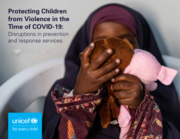
As daily lives and communities are upended by COVID-19, concern is mounting that children’s exposure to violence may increase. Children with a history of abuse may find themselves even more vulnerable – both at home and online – and may experience more frequent and severe acts of violence. Oth
...
ers may be victimized for the first time.
Understanding the current status of violence prevention and response services is therefore essential to assessing risks to children
more

The pandemic presents tough choices for governments, local communities, health and school systems, as well as families and businesses: How to re-open safely? How to safeguard people’s lives and protect their livelihoods? Where to allocate scarce resources? How to protect those unable to protect th
...
emselves? Answers to questions like these will affect our short-term success in battling the spread of the virus and could have impacts for generations to come.
More than ever, the world needs reliable and trustworthy data and statistics to inform these important decisions. The United Nations and all member organizations of the Committee for the Coordination of Statistical Activities (CCSA) collect and make available a wealth of information for assessing the multifaceted impacts of the pandemic. This report updates some of the global and regional trends presented in Volume I and offers a snapshot of how COVID-19 continues to affect the world today across multiple domains.
more
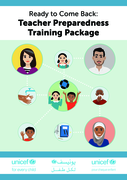
The package provides practical, concise yet crucial information about the impact of COVID-19 on daily teaching practices as well as tips and suggestions to improve safety, well-being and learning, with students in face-to-face or remote settings.
The package speaks directly to the teachers. It ca
...
n be adapted to their context and can be completed at the teachers’ own pace. It includes quizzes and a self-evaluation and planning tool to help teachers reflect on what they learned and what they still need to learn, encouraging them to keep learning!
more
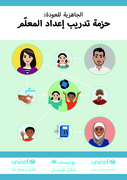
The package provides practical, concise yet crucial information about the impact of COVID-19 on daily teaching practices as well as tips and suggestions to improve safety, well-being and learning, with students in face-to-face or remote settings.
The package speaks directly to the teachers. It ca
...
n be adapted to their context and can be completed at the teachers’ own pace. It includes quizzes and a self-evaluation and planning tool to help teachers reflect on what they learned and what they still need to learn, encouraging them to keep learning!
more
The report finds that, as of 3 November, in 87 countries with age-disaggregated data, children and adolescents under 20 years of age accounted for 1 in 9 of COVID-19 infections, or 11 per cent of the 25.7 million infections reported by these countries. More reliable, age-disaggregated data on infect
...
ion, deaths and testing is needed to better understand how the crisis impacts the most vulnerable children and guide the response
more
The publication draws on pre-COVID data to highlight how children with disabilities face greater risks in the midst of this pandemic. It documents what has happened to services for children and adults with disabilities across the world and includes examples of what has been done to address disruptio
...
ns in services. It also discusses the challenges in generating disability-inclusive data during the pandemic.
more

Rwanda first confirmed cases of coronavirus disease 2019 (COVID-19) in March 2020. Although the number of cases has been low, health system resources are being redirected to respond and an increasing number of children are affected by the socio-economic impacts of the pandemic, including disruptions
...
to schooling and heightened protection risks.
While Rwanda remained Ebola-free during the outbreak, it remains a priority country and continues to maintain its Ebola preparedness. Rwanda is also home to 147,000 refugees, half of whom are children, who require assistance in and outside of camps.1 In 2021, UNICEF will continue to deliver life-saving services to refugees and children and families affected by COVID-19 and its socio-economic impacts, and maintain its Ebola preparedness and contingency planning.
more
This Key Indicators report presents selected findings of the 2019 EMDHS. A comprehensive analysis of the data will be publishedin a final report in 2019.T he primary objective of the 2019 EMDHS project is to provide up-to-date estimates of key demographic and health indicators.

The Minimum Standards and Indicators for Community Engagement were developed through an inter‑agency consultation process that engaged a large number of experts from around the world. UNICEF wishes to acknowledge the contribution of all those that
...
participated, and who share a passion for placing communities at the centre of development and humanitarian action. The consultation process consisted of a series of interviews, meetings and workshops over an 18‑month period. Representatives from countries in Africa, Asia, the Middle East, Europe and North America contributed input and feedback based on their experiences of designing, implementing and measuring community engagement approaches
more
