
Filter
6465
Text search:
funding
Featured
Recommendations
444
New Publications
1740
Language
Document type
No document type
3628
Studies & Reports
1399
Guidelines
509
Strategic & Response Plan
327
Manuals
285
Fact sheets
120
Situation Updates
84
Training Material
63
Infographics
18
Resource Platforms
17
Brochures
7
Online Courses
5
Dashboards/Maps
2
Videos
1
Countries / Regions
Global
363
Kenya
191
India
161
Ethiopia
146
Nigeria
144
Uganda
143
Sierra Leone
125
Liberia
125
Malawi
121
South Africa
117
Myanmar / Burma
117
Zambia
113
Nepal
112
Africa
112
Syria
111
Rwanda
111
Western and Central Europe
95
Bangladesh
91
Tanzania
87
Ukraine
76
Latin America and the Carribbean
74
Ghana
73
Congo, Democratic Republic of
72
South Sudan
61
Namibia
61
Zimbabwe
54
Cambodia
53
Philippines
51
Lesotho
51
Mozambique
46
Guinea
45
Eastern Europe
45
Asia
43
Senegal
42
Haiti
39
Indonesia
38
South–East Asia Region
38
Yemen
36
East and Southern Africa
34
Venezuela
31
Afghanistan
28
Botswana
28
West and Central Africa
27
Burkina Faso
25
Pakistan
23
Central African Republic
23
Brazil
23
Eswatini/ Swaziland
20
Colombia
20
Cameroon
19
Germany
19
Lebanon
19
Middle East and North Africa
19
Russia
19
Jordan
18
Madagascar
18
Mali
17
Sudan
17
Somalia
16
China
14
Tajikistan
14
Benin
13
Eastern Europe and Central Asia
13
Laos
12
Georgia
12
Vietnam
12
Côte d’Ivoire / Ivory Coast
11
Iraq
11
Thailand
11
Moldova
11
Western Pacific Region
10
Peru
9
Turkey
8
Albania
8
Togo
7
Chad
7
Papua New Guinea
7
North Macedonia
7
Sri Lanka
7
Kyrgyzstan
7
Niger
6
Burundi
6
Libya
6
Angola
6
Iran
6
Gambia
5
Serbia
5
Greece
5
Mexico
5
Chile
5
Poland
5
Palestine
5
Armenia
5
Timor Leste/ East Timor
5
Romania
5
Kazakhstan
5
Jamaica
5
USA
4
Egypt
4
Argentina
4
Hungary
4
Ecuador
4
Paraguay
4
Southern Africa
4
Turkmenistan
4
United Kingdom
4
Croatia
3
El Salvador
3
Guatemala
3
Bhutan
3
North America
3
Japan
3
Mauritius
3
Portugal
3
Belarus
3
Bosnia and Herzegovina
3
Guinea-Bissau
2
Morocco
2
Honduras
2
Bolivia
2
Other region
2
Fiji
2
Mongolia
2
Lithuania
2
Uzbekistan
2
Belgium
2
Tunisia
2
Spain
2
Azerbaijan
2
Saudi Arabia
1
Malaysia
1
Mauritania
1
Ireland
1
Dominican Republic
1
Switzerland
1
Nicaragua
1
North Korea
1
Djibouti
1
Canada
1
Qatar
1
Bulgaria
1
Estonia
1
Slovakia
1
France
1
Maldives
1
Norway
1
Algeria
1
Belize
1
Costa Rica
1
Panama
1
Authors & Publishers
Publication Years
Category
Countries
2469
Key Resources
401
Public Health
310
Clinical Guidelines
310
Women & Child Health
288
Capacity Building
99
Pharmacy & Technologies
38
Annual Report MEDBOX
1
Toolboxes
HIV
601
COVID-19
419
Mental Health
397
TB
344
Disability
290
Planetary Health
250
Conflict
246
Health Financing Toolbox
227
NTDs
175
Ebola & Marburg
171
AMR
145
Caregiver
132
Refugee
124
Global Health Education
121
Natural Hazards
107
NCDs
98
Rapid Response
97
Malaria
88
Pharmacy
76
2.0 Rapid Response
59
Polio
42
Cholera
33
Zika
25
Social Ethics
16
Typhoon
10
Specific Hazards
9
South Sudan
2

For this report, the Task Force commissioned
additional background papers on health taxes to
update the evidence, assess short-term revenue
potential, and understand the role of health taxes
in the current era of multiple crises. We find that
health taxes continue to be underutilized despite th
...
In 2019, the Task Force on Fiscal Policy for Health concluded that taxes on tobacco, alcohol, and sugar-sweetened beverages were a highly effective but greatly underused policy tool to reduce consumption, save lives, and raise domestic resources. The Task Force estimated that if all countries increa
...

This Guide is part of WHO’s overall programme of work on Political Economy of Health Financing Reform: Analysis and Strategy to Support UHC. The impetus for this work came from demands for more concrete evidence, recognition and integration of political economy issues within
health financing, and
...

The world is facing a sustainable development crisis. The 2024 Financing for Sustainable Development Report: Financing for Development at a Crossroads finds that financing challenges are at the heart of the crisis and imperil the SDGs and climate action. The window to rescue the SDGs and prevent a c
...

The National Strategic Plan for Malaria Elimination in India (2023-2027) focuses on achieving malaria elimination by 2030, in alignment with the Global Technical Strategy. The document outlines the strategies, targets, and goals for malaria elimination, aiming for zero indigenous malaria cases by 20
...

The Plan subscribes to the goals and pillars of the WHO Global Technical Strategy against Malaria 2016-2030 (GTS), while presenting key elements to address the specific challenges of the Region.

The Malaria Ministerial Conference, co-hosted by WHO and the Government of Cameroon on 6 March 2024, brought together more than 400 stakeholders, including Ministers of Health and senior representatives from the African countries hardest hit by malaria, global health leaders, scientists, civil socie
...

The guidelines are primarily intended for health-care professionals working in first- or second-level health-care facilities, including emergency, inpatient and outpatient services. They are also directed at policy-makers, health-care planners and programme managers, academic institutions, non-gover
...

The objectives of this guideline are the same as those of the 2011 edition, namely to provide evidence-based normative guidance on interventions to improve adolescent morbidity and mortality by reducing the chances of early pregnancy and its resulting poor health outcomes. The specific objectives of
...

In 2022, Namibia had an estimated population of 2.6 million people, where 51 per cent per cent are females and 52.5 per cent of households in urban areas, with fast-growing urban informal settlements which lack access to basic services. Namibia has a young population; 42 per cent are children (0-17
...
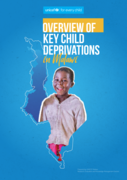
Only 10 per cent of households have electricity. Less than one half (46 per cent) of the households use basic sanitation facilities. Three in every four of the household population had basic drinking water services. More than one third of under-5 Malawian children (boys 39 per cent than girls 32 per
...

In the initial chapters, you will find different approaches that describe how to support job creation for entrepreneurs or employees who live with disabilities. The interventions are often initiated by the readiness to find and pick the right opportunities, such as an engaged entrepreneur or an open
...

Challenges and Opportunities. This report presents a comprehensive assessment of the education and labor markets for nurses in the ECSA region. It documents the main challenges to train and deploy nurses and discusses opportunities for government and private sector employers to overcome these chall
...

In 2008 the Ministry of Health and Social Services (MOHSS) commissioned a national health and social service system review which found that although some progress has been made in primary health care, provision of health services did not go beyond the health facilities, irrespective of the fast dist
...

Early Identification and Early Intervention Services for Young Children with Developmental Delays and Disabilities in Namibia Republic of Namibia Namibia
Regional Consultations Report

Tuberculosis (TB) is among the top ten most common causes of death globally and as a single infectious disease it top among infectious diseases. Furthermore, it is noted as the top causes of death among people infected with the human immunodeficiency virus (HIV). Despite recent decreases in the numb
...
Namibia is estimated to be at 94-97-93 as defined by the UNAIDS 95-95-95 treatment cascade, one of the first high burden countries to approach epidemic control. COP22 is about sustaining the impact of years of investment and partnership with the Namibian government and other stakeholders by employin
...
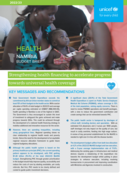
Strengthening health financing to accelerate progress towards universal health coverage. Total Government Health Expenditure exceeds the commitment by African Union member states to commit at least 15% of their budgets to the health sector. With a sector allocation of 16.6% of total budget in 2022/
...

Zambia has completed the implementation of the National TB Strategic Plan (2017-2021) that set in motion the TB elimination agenda in Zambia through coordinated and accelerated TB response. During this period, the National TB and Leprosy Programme (NTLP) registered tremendous success.
The NTLP is
...
