
Filter
1792
Text search:
pandemic
planning
Featured
205
169
Language
Document type
577
353
337
204
168
58
38
35
10
4
3
2
2
Countries
164
49
47
32
32
32
31
29
28
27
26
25
23
23
23
22
21
20
20
20
17
15
15
15
14
14
13
13
13
12
12
11
11
11
10
10
10
10
10
10
9
9
8
8
8
8
7
7
7
6
6
6
6
6
6
5
5
5
5
5
5
5
5
5
4
4
4
4
4
4
3
3
3
3
3
3
3
3
3
2
2
2
2
2
2
2
2
2
2
2
2
2
2
2
2
2
2
1
1
1
1
1
1
1
1
1
1
1
1
1
1
1
Authors & Publishers
Publication Years
Category
629
137
124
77
75
38
15
2
Toolboxes
548
114
113
66
65
61
57
56
55
47
47
42
41
40
28
28
27
27
25
16
15
14
12
10
2
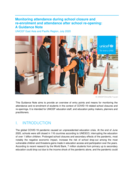
This Guidance Note aims to provide an overview of entry points and means for monitoring the attendance and re-enrolment of students in the context of COVID-19 related school closures and re-openings. It is intended for UNICEF education staff, and education policy makers, planners and practitioners.
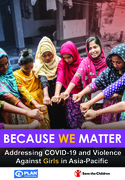
Asia is home to more than half of the world’s 1.1 billion girls. Gender inequality in many parts of the region means that girls are often systematically disadvantaged and oppressed by poverty, violence, exclusion and discrimination. Girls’ development is hampered by child, early and forced marri
...

Six months in, the indirect impacts of COVID-19 take a toll on health, social and economic outcomes.
he statistics in this report are from the Emergency Events Database (EM-DAT) maintained by the Centre for Research on the Epidemiology of Disasters (CRED) which records disasters which have killed ten or more people; affected 100 or more people; resulted in a declared state of emergency; or a call f
...
Quality Assurance Framework for SARS-CoV-2 Antigen Rapid Testing for Diagnosis of COVID-19
recommended
ASLM in collaboration with the Africa Centres for Disease Control and Prevention, and in partnership with the Clinton Health Access Initiative, Amref and Last Mile Health present the Quality Assurance Framework for SARS-CoV-2 Antigen Rapid Testing for Diagnosis of COVID-19. This framework aims to pr
...
Updated 28 December 2020
Adaptable guidance, tools, trainings, and advocacy materials are being developed to support countries in preparing for COVID-19 vaccination. Please visit this page regularly for updates.
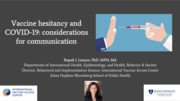
This presentation presents the issues we confront in deciding how to communicate to the public that COVID-19 vaccine recommendations reflect the state of scientific knowledge.

December 2020 — May 2021
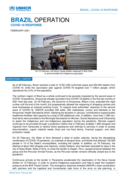

“Guide to facilitate the implementation of the WHO/UNICEF “Guidance on developing a national deployment and vaccination plan for COVID-19 vaccines” for Africa
t contains action-oriented lists of critical topics to address and checklists tailored to the context of African Union Member States.
...
This guide is intended to support national governments developing their national deployment and vaccination plans (NDVPs) for COVID-19 vaccines by outlining the roles, needs and opportunities for community health workers (CHWs) to contribute. This note builds on and is structured to align with the G
...
This summary assesses the current state of evidence on each approach in tabular form, providing: the definition and objectives; evidence of effectiveness; operational considerations (e.g., training, staffing, and logistics); cost considerations and evidence on cost-effectiveness; operational success
...
Interim guidanceAnnex to: Policy considerations for implementing a risk-based approach to international travel in the context of COVID-19, 2 July 2021
En el Plan estratégico de preparación y respuesta frente a la COVID-19, del 2021, la Organización Panamericana de la Salud invita a las autoridades nacionales a actualizar los planes nacionales para la COVID-19 a fin de incorporar las enseñanzas extraídas a lo largo del 2020, de prever los reto
...

