
Filter
3319
Text search:
Outbreak
Control
Featured
430
829
Language
2901
201
145
84
83
74
31
28
8
7
7
7
5
5
4
4
4
4
3
3
3
2
2
2
2
2
1
1
1
1
1
1
1
1
1
1
1
1
1
1
1
1
1
1
1
Document type
1204
721
566
219
214
137
85
76
39
19
16
13
9
1
Countries
190
175
165
116
90
89
81
74
69
60
59
57
52
52
52
50
47
46
45
45
42
40
37
36
35
34
33
32
32
32
29
29
28
26
23
22
21
21
19
19
18
18
18
17
16
15
14
14
14
13
13
13
13
13
12
11
11
11
11
11
11
10
10
9
9
8
8
8
8
8
7
7
7
7
7
7
7
6
6
6
6
6
5
5
5
5
4
4
4
4
4
4
4
3
3
3
3
3
3
3
3
3
3
3
3
3
3
3
3
3
2
2
2
2
2
2
2
2
2
2
2
2
1
1
1
1
1
1
1
1
1
1
1
1
1
1
1
1
1
1
1
1
1
1
1
1
1
1
Authors & Publishers
634
140
94
93
81
74
64
56
38
37
36
34
29
28
27
26
23
23
22
22
22
20
19
19
17
16
15
15
15
15
14
14
14
13
12
12
12
12
12
11
11
11
11
11
10
10
10
10
10
10
9
9
9
9
9
9
8
8
8
8
8
8
8
7
7
7
7
7
7
7
7
7
7
7
6
6
6
6
6
6
6
6
6
5
5
5
5
5
5
5
5
5
5
5
5
5
5
5
5
5
5
5
5
5
5
4
4
4
4
4
4
4
4
4
4
4
4
4
4
4
4
4
4
4
4
4
4
4
4
4
4
4
4
4
4
4
4
4
3
3
3
3
3
3
3
3
3
3
3
3
3
3
3
3
3
3
3
3
3
3
3
3
3
3
3
3
3
3
3
3
3
3
3
3
3
3
3
3
3
3
3
3
3
3
3
3
3
3
3
3
3
3
3
3
3
3
2
2
2
2
2
2
2
2
2
2
2
2
2
2
2
2
2
2
2
2
2
2
2
2
2
2
2
2
2
2
2
2
2
2
2
2
2
2
2
2
2
2
2
2
2
2
2
2
2
2
2
2
2
2
2
2
2
2
2
2
2
2
2
2
2
2
2
2
2
2
2
2
2
2
2
2
2
2
2
2
2
2
2
2
2
2
2
2
2
2
2
2
2
2
2
2
2
2
2
2
2
2
2
2
2
2
2
2
2
2
2
2
2
2
2
2
2
2
2
2
2
2
2
2
2
2
2
2
2
2
2
2
2
2
2
2
2
2
2
2
2
2
2
2
2
2
2
2
2
2
2
2
2
2
2
2
1
1
1
1
1
1
1
1
1
1
1
1
1
1
1
1
1
1
1
1
1
1
1
1
1
1
1
1
1
1
1
1
1
1
1
1
1
1
1
1
1
1
1
1
1
1
1
1
1
1
1
1
1
1
1
1
1
1
1
1
1
1
1
1
1
1
1
1
1
1
1
1
1
1
1
1
1
1
1
1
1
1
1
1
1
1
1
1
1
1
1
1
1
1
1
1
1
1
1
1
1
1
1
1
1
1
1
1
1
1
1
1
1
1
1
1
1
1
1
1
1
1
1
1
1
1
1
1
1
1
1
1
1
1
1
1
1
1
1
1
1
1
1
1
1
1
1
1
1
1
1
1
1
1
1
1
1
1
1
1
1
1
1
1
1
1
1
1
1
1
1
1
1
1
1
1
1
1
1
1
1
1
1
1
1
1
1
1
1
1
1
1
1
1
1
1
1
1
1
1
1
1
1
1
1
1
1
1
1
1
1
1
1
1
1
1
1
1
1
1
1
1
1
1
1
1
1
1
1
1
1
1
1
1
1
1
1
1
1
1
1
1
1
1
1
1
1
1
1
1
1
1
1
1
1
1
1
1
1
1
1
1
1
1
1
1
1
1
1
1
1
1
1
1
1
1
1
1
1
1
1
1
1
1
1
1
1
1
1
1
1
1
1
1
1
1
1
1
1
1
1
1
1
1
1
1
1
1
1
1
1
1
1
1
1
1
1
1
1
1
1
1
1
1
1
1
1
1
1
1
1
1
1
1
1
1
1
1
1
1
1
1
1
1
1
1
1
1
1
1
1
1
1
1
1
1
1
1
1
1
1
1
1
1
1
1
1
1
1
1
1
1
1
1
1
1
1
1
1
1
1
1
1
1
1
1
1
1
1
1
1
1
1
1
1
1
1
1
1
1
1
1
1
1
1
1
1
1
1
1
1
1
1
1
1
1
1
1
1
1
1
1
1
1
1
1
1
1
1
1
1
1
1
1
1
1
1
1
1
1
1
1
1
1
1
1
1
1
1
1
1
1
1
1
1
1
1
1
1
1
1
1
1
1
1
1
1
1
1
1
1
1
1
1
1
1
1
1
1
1
1
1
1
1
1
1
1
1
1
1
1
1
1
1
1
1
1
1
1
1
1
1
1
1
1
1
1
1
1
1
1
1
1
1
1
1
1
1
1
1
1
1
1
1
1
1
1
1
1
1
1
1
1
1
1
1
1
1
1
1
1
1
1
1
1
1
1
1
1
1
1
1
1
1
1
1
1
1
1
1
1
1
1
1
1
1
1
1
1
1
1
1
1
1
1
1
1
1
1
1
1
1
1
1
1
1
1
1
1
1
1
1
1
1
1
1
1
1
1
1
1
1
1
1
1
1
1
1
1
1
1
1
1
1
1
1
1
1
1
1
1
1
1
1
1
1
1
1
1
1
1
1
1
1
1
1
1
1
1
1
1
1
1
1
1
1
1
1
1
1
1
1
1
1
1
1
1
1
1
1
1
1
1
1
1
1
1
1
1
1
1
1
1
1
1
1
1
1
1
1
1
1
1
1
1
1
1
1
1
1
1
1
1
1
1
1
1
1
1
1
1
1
1
1
1
1
1
1
1
1
1
1
1
1
1
1
1
1
1
1
1
1
1
1
1
1
1
1
1
1
1
1
1
1
1
1
1
1
1
1
1
1
1
1
1
1
1
1
1
1
1
1
1
1
1
1
1
1
1
1
1
1
1
1
1
1
1
1
1
1
1
1
1
1
1
1
1
1
1
1
1
1
1
1
1
1
1
1
1
1
1
1
1
1
1
1
1
1
1
1
1
1
1
1
1
1
1
1
1
1
1
1
1
1
1
1
1
1
1
1
1
1
1
1
1
1
1
1
1
1
1
1
1
1
1
1
1
1
1
1
1
1
1
1
1
1
1
1
1
1
1
1
1
1
1
1
1
1
1
1
1
1
1
1
1
1
1
1
1
1
1
1
1
1
1
1
1
1
1
1
1
1
1
1
1
1
1
1
1
1
1
1
1
1
1
1
1
1
1
1
1
1
1
1
1
1
1
1
1
1
1
1
1
1
1
1
1
1
1
1
1
1
1
1
1
1
1
1
1
1
1
1
1
1
1
1
1
1
1
1
1
1
1
1
1
1
1
1
1
1
1
1
1
1
1
1
1
1
1
1
1
1
1
1
1
1
1
1
1
1
1
1
1
1
1
1
1
1
1
1
1
1
1
1
1
1
1
1
1
1
1
1
1
1
1
1
1
1
1
1
1
1
1
1
1
1
1
1
1
1
1
1
1
1
1
1
1
1
1
1
1
1
1
1
1
1
1
1
1
1
1
1
1
1
1
1
1
1
1
1
1
1
1
1
1
1
1
1
1
1
1
1
1
1
1
1
1
1
1
1
1
1
1
1
1
1
1
1
1
1
1
1
1
1
1
1
1
1
1
1
1
1
1
1
1
1
1
1
1
1
1
1
1
1
1
1
1
1
1
1
1
1
1
1
1
1
1
1
1
1
1
1
1
1
1
1
1
1
1
1
1
1
1
1
1
1
1
1
1
1
1
1
1
1
1
1
1
1
1
1
1
1
1
1
1
1
1
1
1
1
1
1
1
1
1
1
1
1
1
1
1
1
1
1
1
1
1
1
1
1
1
1
1
1
1
1
1
1
1
1
1
1
1
1
1
1
1
1
1
1
1
1
1
1
1
1
1
1
1
1
1
1
1
1
1
1
1
1
1
1
1
1
1
1
1
1
1
1
1
1
1
1
1
1
1
1
1
1
1
1
1
1
1
1
1
1
1
1
1
1
1
1
1
1
1
1
1
1
1
1
1
1
1
1
1
1
1
1
1
1
1
1
1
1
1
1
1
1
1
1
1
1
1
1
1
1
1
1
1
1
1
1
1
1
1
1
1
1
1
1
1
1
1
1
1
1
1
1
1
1
1
1
1
1
1
1
1
1
1
1
1
1
1
1
1
1
1
1
1
1
1
1
1
1
1
1
1
1
1
1
1
1
1
1
1
1
1
1
1
1
1
1
1
1
1
1
1
1
1
1
1
1
1
1
1
1
1
1
1
1
1
1
1
1
1
1
1
1
1
1
1
1
1
1
1
1
1
1
1
1
1
1
1
1
1
1
1
1
1
1
1
1
1
1
1
1
1
1
1
1
1
1
1
1
1
1
1
1
1
1
1
1
1
1
1
1
1
1
1
1
1
1
1
1
1
1
1
1
1
1
1
1
1
1
1
1
1
1
1
1
1
1
1
1
1
1
1
1
1
1
1
1
1
1
1
1
1
1
1
1
1
1
1
1
1
1
1
1
1
1
1
1
1
1
1
1
1
1
1
1
1
1
1
1
1
1
1
1
1
1
1
1
1
1
1
1
1
1
1
1
1
1
1
1
1
1
1
1
1
1
1
1
1
1
1
1
1
1
1
1
1
1
1
1
1
1
1
1
1
1
1
1
1
1
1
1
1
1
1
1
1
1
1
1
1
1
1
1
1
1
1
1
1
1
1
1
1
1
1
1
1
1
1
1
1
1
1
1
1
1
1
1
1
1
1
1
1
1
1
1
1
1
1
1
1
1
1
1
1
1
1
1
1
1
1
1
1
1
1
1
1
1
1
1
1
1
1
1
1
1
1
1
1
1
1
1
1
1
1
1
1
1
1
1
1
1
1
1
1
1
1
1
1
1
1
1
1
1
1
1
1
1
1
1
1
1
1
1
1
1
1
1
1
1
1
1
1
1
1
1
1
1
1
1
1
1
1
1
1
1
1
1
1
1
1
1
1
1
1
1
1
1
1
1
1
1
1
1
1
1
1
1
1
Publication Years
1674
1474
155
16
Category
1088
235
216
149
78
42
40
1
Toolboxes
887
466
184
147
138
115
109
97
94
92
74
60
54
50
48
46
41
41
37
26
21
21
10
8
3
2
1

Questions and Answers for Pediatric Healthcare Providers: Infants and Zika Virus Infection
Centers for Disease Prevention and Control
(2016)
C_CDC
Interim guidelines developed by CDC for healthcare providers in the United States caring for infants born to mothers who while pregnant traveled to or resided in an area with Zika virus transmission. These guidelines include recommendations for the evaluation, testing, and management of infants with
...
and without microcephaly or intracranial calcifications detected.
more
Recognizing, Managing, and Reporting Zika Virus Infections in Travelers Returning from Central America, South America, the Caribbean, and Mexico
Centers for Disease Control and Prevention (CDC)
(2016)
C_CDC
Article from the CDC Health Alert Network


The technical note by the Global Task Force on Cholera Control (GTFCC) discusses the use of Oral Cholera Vaccines (OCVs) for international workers and travelers in cholera-affected areas. It reviews the effectiveness of WHO-prequalified vaccines (Du
...
koral®, Shanchol™, and Euvichol®), emphasizing their role in preventing infection and reducing transmission risks.
The document highlights concerns about travelers contracting cholera in endemic regions and potentially spreading the disease upon returning home. While the overall risk is considered low, certain groups, such as humanitarian workers and travelers to high-risk areas like South Asia, face a higher exposure.
Recommendations include vaccination for emergency and relief workers who may come into direct contact with cholera patients or contaminated environments. However, routine vaccination for general travelers is not widely recommended. The note also calls for better surveillance and studies to assess the potential of vaccines in preventing international transmission.
more
Responding to a poliovirus event and outbreak, Part 1: General (SOPs) describes the general principles and steps to facilitate timely and effective responses to poliovirus events and outbreaks, and incorporate lessons learned from recent previous
...
outbreak response efforts. This document summarizes roles and responsibilities of national governments and Global Polio Eradication Initiative (GPEI) partners.
Effective 01 November 2017 until 30 April 2018
more
This document aims to provide guidance to EU/EEA public health authorities, public health professionals and healthcare practitioners for the management of persons having had contact with cases of Ebola virus disease (EVD) after visiting or working in an area that is affected by EVD; also covered is
...
occupational exposure to the disease
more
Checklist for hospitals preparing for the reception and care of coronavirus 2019 (COVID-19) patients
recommended
This checklist has been developed to support hospital preparedness for the management of COVID-19 patients.
Elements to be assessed have been divided into the following areas:
Establishment of a core team and key internal and external contact points
Human, material and facility capacit
...
y
Communication and data protection
Hand hygiene, personal protective equipment (PPE), and waste management
Triage, first contact and prioritisation
Patient placement, moving of the patients in the facility, and visitor access
Environmental cleaning
For each area mentioned above, the elements or processes were identified and the items to be checked are listed below.
A procedure for the self-auditing of compliance with this checklist should be considered.
more

Guidelines on Clinical management of severe acute respiratory illness (SARI) in suspect/confirmed novel coronavirus (nCoV) cases
National Centre for Disease Control (formerly National Institute of Communicable Diseases)
National Centre for Disease Control (formerly National Institute of Communicable Diseases)
(2020)
C2
Accessed: 16.04.2020

This document provides guidance for African Union Member States on actions to be taken to ensure they continue to meet all the health
needs of their citizens in accordance with achieving the objectives of the Africa Health Strategy 2016 – 2030.
COVID-19 Guidance on use of personal protective equipment for different clinical settings and activities
recommended
This document provides guidance to African Union Member States based on a specific request from Member States for a checklist/guidance of the required personal protective equipment (PPE) needed by healthcare workers and care givers for the Coronavirus Disease 2019 (COVID-19) pandemic. This document
...
has been synthesised from currently available evidence (1-6), with consideration to the African context, and as such, can be adapted to the country context.
more

The Guideline for Disinfection and Sterilization in Healthcare Facilities, 2008, presents evidence-
based recommendations on the preferred methods for cleaning, disinfection and sterilization of patient-
care medical devices and for cleaning and disinfecting the healthcare environment. This docume
...
nt
supercedes the relevant sections contained in the 1985 Centers for Disease Control (CDC) Guideline for
Handwashing and Environmental Control. 1 Because maximum effectiveness from disinfection and
sterilization results from first cleaning and removing organic and inorganic materials, this document also
reviews cleaning methods. The chemical disinfectants discussed for patient-care equipment include
alcohols, glutaraldehyde, formaldehyde, hydrogen peroxide, iodophors, ortho-phthalaldehyde, peracetic
acid, phenolics, quaternary ammonium compounds, and chlorine. The choice of disinfectant,
concentration, and exposure time is based on the risk for infection associated with use of the equipment
and other factors discussed in this guideline. The sterilization methods discussed include steam
sterilization, ethylene oxide (ETO), hydrogen peroxide gas plasma, and liquid peracetic acid. When
properly used, these cleaning, disinfection, and sterilization processes can reduce the risk for infection
associated with use of invasive and noninvasive medical and surgical devices. However, for these
processes to be effective, health-care workers should adhere strictly to the cleaning, disinfection, and
sterilization recommendations in this document and to instructions on product labels.
LAST UPDATE 2019
more
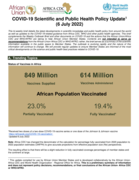
This bi-weekly brief details the latest developments in scientific knowledge and public health policy from around the world as well as updates to the COVID-19-related guidance from Africa CDC, WHO and other public health agencies.
From February 22-23, 2023, the Wellcome Trust and the Global Task Force on Cholera Control (GTFCC) brought together researchers, decision makers, and public health implementers to participate in a virtual workshop focused on cholera and climate. Day
...
1 involved a technical workshop to identify key research themes as well as the challenges, gaps, and opportunities in using climate information for cholera decision making. Day 2 was an open forum focused on information-sharing and updates from countries and partners, including a call for stronger research and data on the connection between climate and cholera.
The overarching discussion outlined the complex relationship between climate and cholera. Materials from the event – including a recording of the Day 2 open forum, key findings/messages, and a final event report – can be accessed below
more
A GUIDE FOR HEALTH WORKERS AND AUTHORITIES IN NIGERIA
