
Filter
662
Text search:
santé
maternelle
Featured
43
175
Language
Document type
341
103
96
37
24
20
14
8
7
5
4
2
1
Countries
68
64
44
37
29
20
17
14
12
9
9
8
7
7
6
6
6
5
5
3
3
3
2
2
2
2
2
2
2
2
2
2
1
1
1
1
1
1
1
1
1
Authors & Publishers
Publication Years
Category
317
233
70
56
25
13
2
Toolboxes
62
22
17
16
11
9
8
7
7
6
5
5
3
3
3
2
2
2
1
1
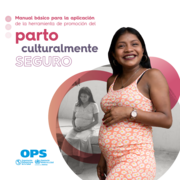
Este manual y la herramienta de Excel que lo acompaña se encuentran en proceso de revisión. La edición revisada se publicará próximamente.

Evidence- and rights-based national policies, guidelines and legislation play a key role in improving sexual, reproductive, maternal, newborn, child and adolescent health (SRMNCAH), framing the enabling environment for equitable provision and accessibility of quality services. The SRMNCAH policy sur
...
Global Health Media Project Videos
recommended
Creating Videos to train health workers and serve communities.
Global Health Media Project designs and develops videos that are tailored to the needs of health workers and populations in low-resource settings. Internet and mobile technology give us the power to reach large numbers, cost-effectively
...
We bring care to life. Engaging, crystal clear, short, and practical, our videos enable learners of all levels to easily understand, and remember critical teaching points.

Afin de mesurer le niveau et les tendances des indicateurs relatifs à la situation des enfants et des femmes, l'UNICEF a élaboré, depuis les années 1990, le programme mondial des enquêtes MICS. Ce programme international permet une comparabilité des indicateurs entre les différents pays. Cett
...

Chaque année dans le monde, plus de 500 000 femmes et filles meurent suite aux complications imputables à la
grossesse et à l’accouchement. Plus de 99% de ces décès surviennent dans des pays comme le Bénin. Et pourtant les
décès maternels ne racontent qu’une partie de la vérité. En e
...
Documentation des meilleures pratiques et des goulots d’étranglement à la mise en œuvre du programme au Sénégal .
Module complémentaire des Dialogues communautaires, dans le cadre du processus Transformer les masculinités.
Élaboré pour l’intervention Transformer les masculinités/Masculinité, Famille et Foi, en République démocratique du Congo (RDC) – Projet Passages

L’Assemblée Nationale a délibéré et adopté en sa séance du 23 janvier 2015 la loi dont la teneur suit: PREMIERE PARTIE DES DISPOSITIONS GENERALES

Rapports périodiques initiaux à cinquièmes des États parties
République centrafricaine
Résultats de l’enquête nationale à indicateurs multiples couplée avec la sérologie VIH et anémie en RCA 2006




Haïti: DHS 2016-2017 - Key Indicators Report (French)
