
Filter
3000
Text search:
Regional
Office
Africa
Featured
324
793
Language
2852
111
60
47
42
40
16
7
3
3
3
2
2
2
2
2
1
1
1
1
1
1
1
1
1
1
1
1
1
1
1
1
1
1
1
1
1
1
1
1
1
1
1
1
1
Document type
1460
638
397
188
146
61
56
34
9
4
2
2
1
1
Countries
165
116
100
97
87
84
75
65
60
58
53
53
51
40
40
40
39
39
39
38
36
35
34
32
31
31
25
24
23
18
16
16
15
15
15
14
14
14
14
13
13
13
13
12
12
10
9
9
9
8
8
8
8
8
8
8
7
7
7
7
6
6
6
6
6
5
5
4
4
4
3
3
3
3
3
3
3
3
3
3
2
2
2
2
2
2
2
2
2
2
2
2
2
1
1
1
1
1
1
1
1
1
1
1
1
1
1
1
1
1
1
1
1
1
1
1
1
1
1
Authors & Publishers
572
143
107
84
75
54
51
44
43
41
36
34
31
30
19
18
18
18
17
14
14
13
13
12
12
12
12
12
12
11
11
11
11
11
10
10
9
9
9
9
9
9
8
8
8
8
8
7
7
7
7
7
7
7
7
7
6
6
6
6
6
6
6
6
6
6
6
5
5
5
5
5
5
5
5
5
5
5
5
5
5
5
5
5
5
4
4
4
4
4
4
4
4
4
4
4
4
4
4
4
4
4
4
4
4
4
4
4
4
4
4
4
4
4
4
4
4
3
3
3
3
3
3
3
3
3
3
3
3
3
3
3
3
3
3
3
3
3
3
3
3
3
3
3
3
3
3
3
3
3
3
3
3
3
3
3
3
3
3
3
3
3
3
3
3
3
3
3
3
3
3
3
3
3
3
3
2
2
2
2
2
2
2
2
2
2
2
2
2
2
2
2
2
2
2
2
2
2
2
2
2
2
2
2
2
2
2
2
2
2
2
2
2
2
2
2
2
2
2
2
2
2
2
2
2
2
2
2
2
2
2
2
2
2
2
2
2
2
2
2
2
2
2
2
2
2
2
2
2
2
2
2
2
2
2
2
2
2
2
2
2
2
2
2
2
2
2
2
2
2
2
2
2
2
2
2
2
2
2
2
2
2
2
2
2
2
2
2
2
2
2
2
2
2
2
2
2
2
2
2
2
2
2
2
2
2
2
2
2
2
2
2
2
2
2
2
2
2
2
2
2
2
2
2
2
2
1
1
1
1
1
1
1
1
1
1
1
1
1
1
1
1
1
1
1
1
1
1
1
1
1
1
1
1
1
1
1
1
1
1
1
1
1
1
1
1
1
1
1
1
1
1
1
1
1
1
1
1
1
1
1
1
1
1
1
1
1
1
1
1
1
1
1
1
1
1
1
1
1
1
1
1
1
1
1
1
1
1
1
1
1
1
1
1
1
1
1
1
1
1
1
1
1
1
1
1
1
1
1
1
1
1
1
1
1
1
1
1
1
1
1
1
1
1
1
1
1
1
1
1
1
1
1
1
1
1
1
1
1
1
1
1
1
1
1
1
1
1
1
1
1
1
1
1
1
1
1
1
1
1
1
1
1
1
1
1
1
1
1
1
1
1
1
1
1
1
1
1
1
1
1
1
1
1
1
1
1
1
1
1
1
1
1
1
1
1
1
1
1
1
1
1
1
1
1
1
1
1
1
1
1
1
1
1
1
1
1
1
1
1
1
1
1
1
1
1
1
1
1
1
1
1
1
1
1
1
1
1
1
1
1
1
1
1
1
1
1
1
1
1
1
1
1
1
1
1
1
1
1
1
1
1
1
1
1
1
1
1
1
1
1
1
1
1
1
1
1
1
1
1
1
1
1
1
1
1
1
1
1
1
1
1
1
1
1
1
1
1
1
1
1
1
1
1
1
1
1
1
1
1
1
1
1
1
1
1
1
1
1
1
1
1
1
1
1
1
1
1
1
1
1
1
1
1
1
1
1
1
1
1
1
1
1
1
1
1
1
1
1
1
1
1
1
1
1
1
1
1
1
1
1
1
1
1
1
1
1
1
1
1
1
1
1
1
1
1
1
1
1
1
1
1
1
1
1
1
1
1
1
1
1
1
1
1
1
1
1
1
1
1
1
1
1
1
1
1
1
1
1
1
1
1
1
1
1
1
1
1
1
1
1
1
1
1
1
1
1
1
1
1
1
1
1
1
1
1
1
1
1
1
1
1
1
1
1
1
1
1
1
1
1
1
1
1
1
1
1
1
1
1
1
1
1
1
1
1
1
1
1
1
1
1
1
1
1
1
1
1
1
1
1
1
1
1
1
1
1
1
1
1
1
1
1
1
1
1
1
1
1
1
1
1
1
1
1
1
1
1
1
1
1
1
1
1
1
1
1
1
1
1
1
1
1
1
1
1
1
1
1
1
1
1
1
1
1
1
1
1
1
1
1
1
1
1
1
1
1
1
1
1
1
1
1
1
1
1
1
1
1
1
1
1
1
1
1
1
1
1
1
1
1
1
1
1
1
1
1
1
1
1
1
1
1
1
1
1
1
1
1
1
1
1
1
1
1
1
1
1
1
1
1
1
1
1
1
1
1
1
1
1
1
1
1
1
1
1
1
1
1
1
1
1
1
1
1
1
1
1
1
1
1
1
1
1
1
1
1
1
1
1
1
1
1
1
1
1
1
1
1
1
1
1
1
1
1
1
1
1
1
1
1
1
1
1
1
1
1
1
1
1
1
1
1
1
1
1
1
1
1
1
1
1
1
1
1
1
1
1
1
1
1
1
1
1
1
1
1
1
1
1
1
1
1
1
1
1
1
1
1
1
1
1
1
1
1
1
1
1
1
1
1
1
1
1
1
1
1
1
1
1
1
1
1
1
1
1
1
1
1
1
1
1
1
1
1
1
1
1
1
1
1
1
1
1
1
1
1
1
1
1
1
1
1
1
1
1
1
1
1
1
1
1
1
1
1
1
1
1
1
1
1
1
1
1
1
1
1
1
1
1
1
1
1
1
1
1
1
1
1
1
1
1
1
1
1
1
1
1
1
1
1
1
1
1
1
1
1
1
1
1
1
1
1
1
1
1
1
1
1
1
1
1
1
1
1
1
1
1
1
1
1
1
1
1
1
1
1
1
1
1
1
1
1
1
1
1
1
1
1
1
1
1
1
1
1
1
1
1
1
1
1
1
1
1
1
1
1
1
1
1
1
1
1
1
1
1
1
1
1
1
1
1
1
1
1
1
1
1
1
1
1
1
1
1
1
1
1
1
1
1
1
1
1
1
1
1
1
1
1
1
1
1
1
1
1
1
1
1
1
1
1
1
1
1
1
1
1
1
1
1
1
1
1
1
1
1
1
1
1
1
1
1
1
1
1
1
1
1
1
1
1
1
1
1
1
1
1
1
1
1
1
1
1
1
1
1
1
1
1
1
1
1
1
1
1
1
1
1
1
1
1
1
1
1
1
1
1
1
1
1
1
1
1
1
1
1
1
1
1
1
1
1
1
1
1
1
1
1
1
1
1
1
1
1
1
1
1
1
1
1
1
1
1
1
1
1
1
1
1
1
1
1
1
1
1
1
1
1
1
1
1
1
1
1
1
1
1
1
1
1
1
1
1
1
1
1
1
1
1
1
1
1
1
1
1
1
1
1
1
1
1
1
1
1
1
1
1
1
1
1
1
1
1
1
1
1
1
1
1
1
1
1
1
1
1
1
1
1
1
1
1
1
1
1
1
1
1
1
1
1
1
1
1
1
1
1
1
1
1
1
1
1
1
1
1
1
1
1
1
1
1
1
1
1
1
1
1
1
1
1
1
1
1
1
1
1
1
1
1
1
1
1
1
1
1
1
1
1
1
1
1
1
1
1
1
1
1
1
1
1
1
1
1
1
1
1
1
1
1
1
1
1
1
1
1
1
1
1
1
1
1
1
1
1
1
1
1
1
1
1
1
1
1
1
1
1
1
1
1
1
1
1
1
1
1
1
1
1
1
1
1
1
1
1
1
1
1
1
1
1
1
1
1
1
1
1
1
1
1
1
1
1
1
1
1
1
1
1
1
1
1
1
1
1
1
1
1
1
1
1
1
1
1
1
1
1
1
1
1
1
1
1
1
1
1
1
1
1
1
1
1
1
1
1
1
1
1
1
1
1
1
1
1
1
1
1
1
1
1
1
1
1
1
1
1
1
1
1
1
1
1
1
1
1
1
1
1
1
1
1
1
1
1
1
1
1
1
1
1
1
1
1
1
1
1
1
1
1
1
1
1
1
1
1
1
1
1
1
1
1
1
1
1
1
1
1
1
1
1
1
1
1
1
1
1
1
1
1
1
1
1
1
1
1
1
1
1
1
1
1
1
1
1
1
1
1
1
1
1
1
1
1
1
1
1
1
1
1
1
1
1
1
1
1
1
1
1
1
1
1
1
1
1
1
1
1
1
1
1
1
1
1
1
1
1
1
1
1
1
1
1
1
1
1
1
1
1
1
1
1
1
1
1
1
1
1
1
1
1
1
1
1
1
1
1
1
1
1
1
1
1
1
1
1
1
1
1
1
1
1
1
1
1
1
1
1
1
1
1
1
1
1
1
1
1
1
1
1
1
1
1
1
1
1
1
1
1
1
1
1
1
1
1
1
1
1
1
1
1
1
1
1
1
1
1
1
1
1
1
1
1
1
1
1
1
1
1
1
1
1
1
1
1
1
1
1
1
1
1
1
1
1
1
1
1
1
1
1
1
1
1
1
1
1
1
1
1
1
1
1
1
1
1
1
1
1
1
1
1
1
1
1
1
1
1
1
1
1
1
1
1
1
1
1
1
1
1
1
1
1
1
1
1
1
1
1
1
1
1
1
1
1
1
1
1
1
1
1
1
1
1
1
1
1
1
1
1
1
1
1
1
1
1
1
1
1
1
1
1
1
1
1
1
1
1
1
1
1
1
1
1
1
1
1
1
1
1
1
1
1
1
1
1
1
1
1
1
1
1
1
1
1
1
1
1
1
1
1
1
1
1
1
1
1
1
1
1
1
1
1
1
1
1
1
1
1
1
1
1
1
1
1
1
1
1
1
1
1
1
1
1
1
1
1
1
1
1
1
1
1
1
1
1
1
1
1
1
1
1
1
1
1
1
1
1
1
1
1
1
1
1
1
1
1
1
1
1
1
1
1
1
1
1
1
1
1
1
1
1
1
1
1
1
1
1
1
1
1
1
1
1
1
1
1
1
1
1
1
1
1
1
1
1
1
1
1
1
1
1
1
1
1
1
1
1
1
1
1
1
1
1
1
1
1
1
1
1
1
1
1
1
1
1
1
1
1
1
1
1
1
1
1
1
1
1
1
1
1
1
1
1
1
1
1
1
1
1
1
1
1
Publication Years
1040
1716
228
13
2
1
Category
1054
225
209
175
173
59
33
Toolboxes
241
197
157
154
140
138
107
91
90
87
86
81
77
75
67
53
51
44
44
43
22
18
14
8
8
3
1

Pakistan Global Antibiotic Resistance Partnership (GARP) was formed in the wake of international and national efforts for AMR curtailment. A group of experts from microbiology, infectious diseases and veterinary medicine formed a core group at the organizational meet
...
ing of GARP in Kathmandu, Nepal in July 2016. In the meeting, this core group was expanded to include other members from different sectors with the selection of the Chair and co-chairs. These were asked to serve on a voluntary basis, in their own individual capacities, with no personal gains, or gains to the institutions to which they are affiliated. The first phase of GARP took place from 2009 to 2011 and involved four countries: India, Kenya, South Africa and Vietnam. Phase one culminated in the 1st Global Forum on Bacterial Infections, held in October 2011 in New Delhi, India. In 2012, phase two of GARP was initiated with the addition of working groups in Mozambique, Tanzania, Nepal and Uganda. Phase three has added Bangladesh, Lao PDR, Nigeria, Pakistan and Zimbabwe to the network to date.
more
This technical guidance outlines current evidence, knowledge and best practice relating to incidences of violence and injuries among refugees and migrants in the WHO European Region. It highlights key principles, summarizes priority actions and challenges, maps existing international commitments and
...
frameworks and provides practical policy considerations for preventing and responding to such challenges. Specific areas for intervention include ensuring safe passage for migration; addressing causes of violence and injuries in transit and destination countries, including changing norms and values; identifying victims and providing care and protection; investigating and prosecuting perpetrators; and strengthening the knowledge base. While the main intended audience of this technical guidance series are policy-makers across sectors at local, national and regional levels, the contents of this publication will also be of value for health-care practitioners and law enforcement and border protection officials.
more
El presente informe incluye análisis de consultas informales en cinco de las regiones de la OMS: la Región de África, la Región de las Américas (donde se realizaron consultas separadas para el Caribe y América del Norte, y para América Latina
...
), la Región de Asia Sudoriental, la Región de Europa y la Región del Mediterráneo Oriental, junto con tres foros en la Región del Pacífico Occidental. Se analizan las similitudes generales, los matices regionales y las prioridades planteadas en las seis regiones de la OMS para la participación significativa de las personas con experiencias vividas.
El presente informe es la segunda publicación de la serie «De la intención a la acción», un conjunto de recursos destinados a mejorar la limitada base de evidencia sobre el impacto de la participación significativa y abordar la falta de enfoques normalizados sobre cómo hacer operativa esta participación. La serie «De la intención a la acción» pretende llevar esto a cabo proporcionando una plataforma desde la que las personas con experiencias vividas, y los defensores de organizaciones e instituciones, puedan compartir soluciones, retos y prácticas prometedoras relacionadas con esta agenda transversal. La serie «De la intención a la acción» también tiene como objetivo proporcionar poderosas historias, inspiración y evidencia para la 4.ª Reunión de Alto Nivel de las Naciones Unidas sobre las ENT que se celebrará en 2025 y la consecución de los Objetivos de Desarrollo Sostenible (ODS) de las Naciones Unidas para 2030.
more
El presente informe incluye análisis de consultas informales en cinco de las regiones de la OMS: la Región de África, la Región de las Américas (donde se realizaron consultas separadas para el Caribe y América del Norte, y para América Latina
...
), la Región de Asia Sudoriental, la Región de Europa y la Región del Mediterráneo Oriental, junto con tres foros en la Región del Pacífico Occidental. Se analizan las similitudes generales, los matices regionales y las prioridades planteadas en las seis regiones de la OMS para la participación significativa de las personas con experiencias vividas.
El presente informe es la segunda publicación de la serie «De la intención a la acción», un conjunto de recursos destinados a mejorar la limitada base de evidencia sobre el impacto de la participación significativa y abordar la falta de enfoques normalizados sobre cómo hacer operativa esta participación. La serie «De la intención a la acción» pretende llevar esto a cabo proporcionando una plataforma desde la que las personas con experiencias vividas, y los defensores de organizaciones e instituciones, puedan compartir soluciones, retos y prácticas prometedoras relacionadas con esta agenda transversal. La serie «De la intención a la acción» también tiene como objetivo proporcionar poderosas historias, inspiración y evidencia para la 4.ª Reunión de Alto Nivel de las Naciones Unidas sobre las ENT que se celebrará en 2025 y la consecución de los Objetivos de Desarrollo Sostenible (ODS) de las Naciones Unidas para 2030.
more
Female genital mutilation (FGM) is a human rights violation deeply rooted in gender inequality and discrimination. FGM violates various human rights under international human rights law including, among others, the rights to equality, life and health and the rights to be free from discrimination, to
...
rture and cruel, inhuman and degrading treatment. The failure by States to end this harmful practice against women and girls is a violation of States’ obligations to respect, protect and fulfil the enjoyment of all human rights. These obligations are accompanied by certain human rights accountability mechanisms that are critical in holding States to account for implementing their international and regional human rights obligations and commitments
more
The Sphere standards in national humanitarian response discussion paper sets out to understand and describe opportunities for adapting international humanitarian standards to a regional, national or local level in preparing for, or responding to a d
...
isaster. The paper, which includes case studies and recommendations for humanitarian professionals, is available in English, French and Spanish
more
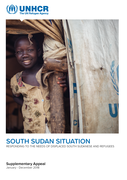
The refugee exodus from South Sudan continues at an alarming rate, even as the crisis is entering its fifth year. Close to 2.4 million South Sudanese have fled to neighbouring countries mostly to Uganda—the largest host country in sub-Saharan Africa
...
—followed by Sudan, Ethiopia, Kenya, the Democratic Republic of the Congo (DRC) and the Central African Republic (CAR).
more
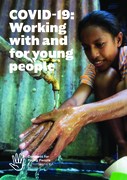
This guidance note is meant to assist humanitarian actors, youth-led organizations, and young people themselves across sectors, working at local, country, regional, and global levels in their response to the novel coronavirus pandemic. It begins dia
...
gnostically, exploring the impacts of coronavirus disease (COVID-19) on young people. It then proposes a series of actions that practitioners and young people can take to ensure that COVID-19 preparedness, response plans and actions, are youth-inclusive and youth-focused – with and for young people. Recommendations are structured around the five key actions of the Compact for Young People in Humanitarian Action: services, participation, capacity, resources, and data. Where available, the recommended actions are accompanied by resources and concrete examples, which can inform approaches and support implementation
more
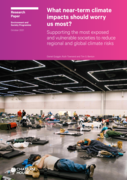
What near-term climate impacts should worry us most?
Supporting the most exposed and vulnerable societies to reduce
regional and global climate risks

The United Nations Children's Fund (UNICEF), the International Organization for Migration (IOM), Georgetown University, and the United Nations University have today launched new guidelines to provide the first-ever global policy framework that will help protect, include, and empower children on the
...
move in the context of climate change.
The Guiding Principles for Children on the Move in the Context of Climate Change provides a set of 9 principles that address the unique and layered vulnerabilities of children on the move both internally and across borders as a result of the adverse impacts of climate change. Currently, most child-related migration policies do not consider climate and environmental factors, while most climate change policies overlook the unique needs of children.
The guidelines note that climate change is intersecting with existing environmental, social, political, economic, and demographic conditions contributing to people’s decisions to move. In 2020 alone, nearly 10 million children were displaced in the aftermath of weather-related shocks. With around one billion children – nearly half of the world’s 2.2 billion children – living in 33 countries at high risk of the impacts of climate change, millions more children could be on the move in the coming years.
Developed in collaboration with young climate and migration activists, academics, experts, policymakers, practitioners, and UN agencies, the guiding principles are based on the globally ratified Convention on the Rights of the Child and are further informed by existing operational guidelines and frameworks.
Recommendations for safeguarding the rights and well-being of children regardless of their location or migration status.
The guiding principles provide national and local governments, international organizations and civil society groups with a foundation to build policies that protect children’s rights. The organizations and institutions are calling on governments, local and regional actors, international organizations, and civil society groups to embrace the guiding principles to help protect, include, and empower children on the move in the context of climate change.
more
These guidelines are informed by evidence of ‘what works’ and lessons learned in the field. They are designed to accelerate UNICEF regional and country offices’ programming on social service workforce strengthening, and support work to better
...
plan, develop and support the social services workforce with national and regional partners.
more
Management of Dead Bodies After Disasters: A Field Manual For First Responders. (Arabic Version)
recommended
Second edition. This revised edition incorporates experience gained in recent catastrophes, such as the 2013 Typhoon Haiyan in the Philippines, the 2014/15 Ebola epidemic in West Africa and the 2015 earthquake in Nepal. It also contains a number of
...
annexes, which cover such topics as handling the bodies of people who died from an infectious disease, burial planning and using DNA analysis in mass fatality events
more
The threat climate change poses to health, equity, and development has been rigorously documented. However, in an era marked by economic crisis, regional conflicts, natural disasters and growing disparities between rich and poor, the joint global ac
...
tions required to address climate change have been vigorously debated – and critical decisions postponed.
This document, part of WHO’s Health in the Green Economy series, describes how many climate change measures can be “win-wins” for people and the planet.
These policies yield large, immediate public health benefits while reducing the upward trajectory of greenhouse gas emissions. Many of these policies can improve the health and equity of people in poor countries and assist developing countries in adapting to climate change that is already occurring, as evidenced by more extreme storms, flooding, drought and heatwaves.
WHO’s Department of Public Health and Environment launched the Health in the Green Economy initiative in 2010 to review potential health and equity “co-benefits” of proposed climate change measures – as well as relevant risks.
This review examines mitigation strategies discussed in the Fourth Assessment Report of the Intergovernmental Panel on Climate Change which constitutes the most broad-based global review of mitigation options by scientific experts.
more

Cholera is an acute gastrointestinal infection caused by the bacterium Vibrio Cholerae serogroup O1 or O139, and is often linked to unsafe drinking water, lack of proper sanitation and personal hygiene. It adversely affects mostly the poor and vulnerable populations in countries, which are already d
...
eprived of proper health facilities and conducive environmental conditions. The disease spreads through oro-fecal transmission by the ingestion of contaminated food or water or by person-to-person contact. It has a short incubation period of 2 hours to 5 days and the number of affected cases can rapidly increase across large regions. Cholera is a significant threat to global public health leading to an estimated 3-5 million cases per year worldwide, with an annual toll of 100,000 deaths. The disease was first reported in 1817 from the Ganges Delta of India and since then the ongoing 7th pandemic has emerged from Indonesia, reached Africa in 1970 and Somalia happens to be one of the early affected countries. Over the past few decades,
Somalia has witnessed the occurrence of repeated AWD/Cholera disease outbreaks that have caused high morbidity and mortality across the country.
more
This strategy defines the World Health Organization (WHO) vision and framework for supporting Member States to accelerate the development, implementation and monitoring of their National Action Plan for Health Security (NAPHS) from 2022 to 2026. The National Action Plan for Health Security (NAPHS)
...
are critical to ensure national capacities in health emergency prevention, preparedness, response and recovery are planned, built, strengthened and sustained in order to achieve national, regional and global health security and therefore keep the world safe, serve the vulnerable and promote health.
The strategy promotes, where existing, the use of existing national action plans for health security and not necessary the creation of an additional unique plan. This will avoid duplication and ensure maximum efficiency in domestic resourcing and operationalization efficiency while harnessing external buy-in to support national health priorities.
more

Addressing Forced Displacement through Development Planning and Co-operation: Guidance for Donor Policy Makers and Practitioners
Mwangi, Annabel; Gamez, Laura et al.
Organisation for Economic Co-operation and Development (OECD)
(2017)
C1
OECD Development Policy Tools
Recognising that donor policies and responses constantly evolve, this guidance recommends that donors operating in situations of forced displacement prioritise three broad areas of work, where they can best contribute to existing capacities at the national, ... regional and global levels. more
Recognising that donor policies and responses constantly evolve, this guidance recommends that donors operating in situations of forced displacement prioritise three broad areas of work, where they can best contribute to existing capacities at the national, ... regional and global levels. more

he refugee flow to Ethiopia continued during 2018, with 36,1351 persons seeking safety and protection within the country’s borders. At the start of 2019, the nation hosted 905,8312 thousand refugees who were forced to flee their homes as a result of insecurity, political instability, military cons
...
cription, conflict, famine and other problems in their countries of origin. Ethiopia is one of the largest refugee asylum countries world-wide, and the second largest in Africa, reflecting the ongoing fragility and conflict in the region. Ethiopia provides protection to refugees from some 26 countries. Among the principal factors leading to this situation are predominantly the conflict in South Sudan, the prevailing political environment in Eritrea, together with conflict and draught in Somalia.
more
The pandemic presents tough choices for governments, local communities, health and school systems, as well as families and businesses: How to re-open safely? How to safeguard people’s lives and protect their livelihoods? Where to allocate scarce resources? How to protect those unable to protect th
...
emselves? Answers to questions like these will affect our short-term success in battling the spread of the virus and could have impacts for generations to come.
More than ever, the world needs reliable and trustworthy data and statistics to inform these important decisions. The United Nations and all member organizations of the Committee for the Coordination of Statistical Activities (CCSA) collect and make available a wealth of information for assessing the multifaceted impacts of the pandemic. This report updates some of the global and regional trends presented in Volume I and offers a snapshot of how COVID-19 continues to affect the world today across multiple domains.
more

Ebola Response Roadmap
recommended
World Health Organization
(2014)
The World Health Organization is issuing a "roadmap" to guide and coordinate the international response to the outbreak of Ebola virus disease in West Africa.
The aim is to stop ongoing Ebola transmission worldwide within 6–9 months, while rapid
...
ly managing the consequences of any further international spread. It also recognizes the need to address, in parallel, the outbreak’s broader socioeconomic impact.
more

A “catastrophic” combination of drought and communities’ declining resilience has left an estimated 2.3 million people facing severe acute food insecurity – up from an estimate of 1.7 million people a month ago.
Communities across southern Afric
...
a have been affected by drought since late 2018.
This year, large parts of southern and western Zambia received their lowest seasonal rainfall totals since at least 1981, the base year from which normal rainfall is benchmarked. At the same time, northern and eastern parts of the country were affected by flash floods and waterlogging, resulting in poor harvests.
more
