Filter
706
Text search:
Prävention
Featured
83
54
Language
Document type
143
133
95
61
51
43
39
37
33
24
17
14
10
3
3
Countries
170
28
26
12
11
11
9
9
8
8
7
7
5
5
5
4
4
4
4
4
4
4
4
3
3
3
3
3
3
3
3
3
3
2
2
2
2
2
2
2
1
1
1
1
1
1
1
1
1
1
1
1
1
1
1
1
1
1
1
1
Authors & Publishers
Publication Years
Category
155
139
139
44
27
26
6
Toolboxes
177
170
60
50
49
40
31
31
25
17
17
16
14
14
12
5
5
4
4
3
1
1
1
Une composante intégrale de l’investissement dans la santé

Workshop Presentation
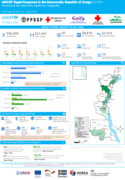
Nosocomial or health-facility-acquired infections are a serious issue, representing one of the most significant causes of morbidity and mortality in healthcare systems and consuming many scarce resources, especially in developing countries. Although much has been done, particularly in the hospital s
...

The ICAT is a simple and practical approach for assessing the adequacy of existing infection prevention and control practices and provides specific recommendations for improving practices and monitoring their effectiveness over time
Health care-associated infections (HAI) are one of the most common adverse events in care delivery and a major public health problem with an impact on morbidity, mortality and quality of life. At any one time, up to 7% of patients in developed and 10% in developing countries will acquire at least on
...
These WHO guidelines which were updated in 2018, are valid for any country and suitable to local adaptations, and take account of the strength of available scientific evidence, the cost and resource implications, and patient values and preferences.
The 2018 edition of the guidelines includes the re
...
The Sierra Leone National Infection Prevention and Control Guidelines were jointly developed and updated by the Ministry of Health and Sanitation in collaboration with the World Health Organization and the US Centers for Disease Control and Prevention.