
Filter
284
Text search:
tb
coinfection
Featured
40
84
Language
Document type
176
46
27
9
7
7
5
4
1
1
Countries
18
16
12
12
6
6
6
6
5
5
5
5
5
4
4
4
4
4
4
3
3
3
3
3
2
2
2
2
2
2
2
2
2
2
2
2
2
1
1
1
1
1
1
1
1
1
1
1
1
1
1
1
1
1
1
1
1
1
1
Authors & Publishers
Publication Years
Category
121
42
6
3
3
3
3
Toolboxes
122
33
13
9
6
2
2
2
1
1
1
1
1
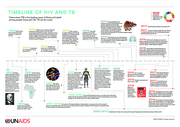
Tuberculosis (TB) is the leading cause of illness and death among people living with HIV. TB can be cured.

Key populations brief.
Towards a world free of tuberculosis

Overcoming Barriers to TB Control
Training Curriculum
August 2011
TB policies in 24 Countries
A survey of prevention, testing and treatment policies and practices
Лечение туберкулеза в 24 странах
Исследование диагностической и клинической пра
...
Experience of national TB partnerships
The present Consolidated guidelines include a comprehensive set of WHO recommendations for the treatment and care of DR-TB, derived from these WHO guidelines documents. The consolidated guidelines include policy recommendations on treatment regimens
...

В основе настоящих руководящих принципов лежит структура организации мероприятий в соответствии с тремя задачами:
• создание и укрепление механизмов комплексно
...
Исследование этого года основано на предыдущем отчете. В нем отслеживается утверждение последних стратегий, руководств и методов в пяти сферах: диагностика и иссл
...

The modules (1-12) are based on materials originally developed by FIND, KNCV and Cepheid, and are in PowerPoint format for country customization. Depending on the audience, modules may be selected and adapted according to need (e.g. basic users, supervisors, clinicians). Topics covered include: Over
...
This report provides an overview of the latest tuberculosis (TB) epidemiological situation and is published jointly by the WHO Regional Office for Europe and the European Centre for Disease Prevention and Control. In 2023, 38 993 cases of
...
Training for staff working at DR-TB management centres.
Training modules

The review’s objectives are to review progress in TB control with emphasis on DOTS strategy implementation, summarize the experience, lessons learnt and methods of work and to make recommendations for international donors, technical agencies and t
...

The aim of the people-centred framework is to help countries to develop fully prioritized and budgeted NSPs based on a culture of making full use of the available data, which are aligned with national planning cycles and which provide the basis for a robust national response that can accelerate prog
...

WHO operational handbook on tuberculosis Module 5: Management of tuberculosis in children and adolescents
recommended
The practical guidance in the operational handbook aims to inform the development or revision of national policies and related implementation guidance on the management of TB in children and adolescents under programmatic circumstances and at differ
...
