
Filter
1793
Text search:
malaria
morbidity
Featured
174
643
Language
Document type
1068
298
194
86
79
34
14
13
3
2
2
Countries
99
72
66
62
62
59
56
49
49
45
44
38
38
37
36
31
28
26
20
18
18
17
17
16
14
13
13
12
11
10
10
9
9
8
8
8
7
7
7
7
7
6
6
5
5
5
5
4
4
4
4
4
4
4
3
3
3
3
3
3
3
2
2
2
2
2
2
2
2
1
1
1
1
1
1
1
1
1
1
1
1
1
1
1
1
1
1
1
1
1
1
1
1
1
1
1
1
1
1
1
1
1
1
1
1
Authors & Publishers
Publication Years
Category
952
125
120
102
92
38
17
Toolboxes
90
90
72
60
56
53
44
43
35
34
34
31
29
22
21
18
17
13
12
10
10
6
3
3
1
1


Sexual and Reproductive Health
A toolkit for behavioural and social communication in outbreak response
This Topic Guide has been compiled to provide an overview of undernutrition in the context of development. The focus of the Guide is on undernutrition, defined as the outcome of insufficient (quantity and quality) of food intake (hunger) and repeated infectious diseases. Undernutrition includes bein
...
Risk assessment and priority interventions

Outbreak surveillance in humanitarian emergencies involves rapid detection, data collection, and analysis to identify disease threats, while response focuses on implementing timely control measures to prevent further spread.
Coordinated Use of Anthelminthic Drugs in Control Interventions: a Manual for Health Professionals and Programme Managers
Volume I, 2005-06

To provide quality maternal and newborn health services at health facilities in India.
3rd edition!Large File 17 MB!

3rd edition!
The occurrence of a high percentage of couterfeit medicines on the global medicines market is often attributed to a lack of effective regulation and a weak enforcement capacity. This review, while focusing on counterfeit medicines and medical devices in developing countries, will present information
...
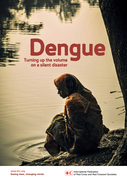
Over the past 50 years, dengue has spread from nine to over a hundred countries, making it the most rapidly spreading vector-borne disease. Yet, dengue continues to have a low profile among policy-makers and donors and does not receive the media attention it deserves. While there is no vaccine or cu
...

With this World Health Day, WHO is drawing attention to a group of diseases that are spread by insects and other vectors, the heavy health and economic burdens they impose, and what needs to be done to reduce these burdens. Many of these diseases have been historically confined to distinct geographi
...
WHO GUIDELINES REVIEW COMMITTEE
