
Filter
3672
Text search:
World
Health
Organisation
(WHO)
Featured
309
848
Language
3219
446
163
89
79
57
49
46
11
6
6
6
5
5
5
5
4
4
4
4
4
4
4
4
4
4
3
3
3
3
2
2
2
2
2
2
2
2
2
2
2
2
1
1
1
1
1
1
1
1
1
1
1
1
1
1
1
Document type
1723
832
447
178
174
99
82
52
27
19
15
9
9
4
1
Countries
199
170
111
79
78
77
76
74
74
71
67
56
54
51
45
41
40
37
33
32
31
31
28
28
27
26
25
24
23
22
22
22
22
21
20
20
19
19
19
18
15
15
14
13
13
13
13
13
11
11
11
10
10
9
9
8
8
8
8
8
8
8
7
7
7
7
6
6
6
5
5
5
5
5
5
5
5
4
4
4
4
4
4
4
3
3
3
3
3
3
3
3
3
3
3
3
3
3
3
3
2
2
2
2
2
2
2
2
2
2
2
2
2
2
2
2
2
2
2
2
2
2
1
1
1
1
1
1
1
1
1
1
1
1
1
1
1
1
1
1
1
1
1
1
1
1
1
1
Authors & Publishers
622
281
90
85
71
64
51
46
36
35
33
31
28
22
21
19
19
19
18
17
16
15
15
15
15
14
14
13
12
12
12
11
11
11
11
11
11
11
10
10
10
10
10
9
9
9
8
8
8
8
8
7
7
7
7
7
7
7
7
7
7
7
7
6
6
6
6
6
6
6
6
6
6
6
6
6
6
6
5
5
5
5
5
5
5
5
5
5
5
5
5
5
5
5
5
4
4
4
4
4
4
4
4
4
4
4
4
4
4
4
4
4
4
4
4
4
4
4
4
4
4
4
4
4
4
4
4
4
4
4
4
4
4
4
4
4
4
4
4
4
3
3
3
3
3
3
3
3
3
3
3
3
3
3
3
3
3
3
3
3
3
3
3
3
3
3
3
3
3
3
3
3
3
3
3
3
3
3
3
3
3
3
3
3
3
3
3
3
3
3
3
3
3
3
3
3
3
3
3
3
3
3
3
3
3
3
3
2
2
2
2
2
2
2
2
2
2
2
2
2
2
2
2
2
2
2
2
2
2
2
2
2
2
2
2
2
2
2
2
2
2
2
2
2
2
2
2
2
2
2
2
2
2
2
2
2
2
2
2
2
2
2
2
2
2
2
2
2
2
2
2
2
2
2
2
2
2
2
2
2
2
2
2
2
2
2
2
2
2
2
2
2
2
2
2
2
2
2
2
2
2
2
2
2
2
2
2
2
2
2
2
2
2
2
2
2
2
2
2
2
2
2
2
2
2
2
2
2
2
2
2
2
2
2
2
2
2
2
2
2
2
2
2
2
2
2
2
2
2
2
2
2
2
2
2
2
2
2
2
2
2
2
2
2
2
2
2
2
2
2
2
2
2
2
2
2
2
2
2
2
2
2
2
2
2
2
2
2
2
1
1
1
1
1
1
1
1
1
1
1
1
1
1
1
1
1
1
1
1
1
1
1
1
1
1
1
1
1
1
1
1
1
1
1
1
1
1
1
1
1
1
1
1
1
1
1
1
1
1
1
1
1
1
1
1
1
1
1
1
1
1
1
1
1
1
1
1
1
1
1
1
1
1
1
1
1
1
1
1
1
1
1
1
1
1
1
1
1
1
1
1
1
1
1
1
1
1
1
1
1
1
1
1
1
1
1
1
1
1
1
1
1
1
1
1
1
1
1
1
1
1
1
1
1
1
1
1
1
1
1
1
1
1
1
1
1
1
1
1
1
1
1
1
1
1
1
1
1
1
1
1
1
1
1
1
1
1
1
1
1
1
1
1
1
1
1
1
1
1
1
1
1
1
1
1
1
1
1
1
1
1
1
1
1
1
1
1
1
1
1
1
1
1
1
1
1
1
1
1
1
1
1
1
1
1
1
1
1
1
1
1
1
1
1
1
1
1
1
1
1
1
1
1
1
1
1
1
1
1
1
1
1
1
1
1
1
1
1
1
1
1
1
1
1
1
1
1
1
1
1
1
1
1
1
1
1
1
1
1
1
1
1
1
1
1
1
1
1
1
1
1
1
1
1
1
1
1
1
1
1
1
1
1
1
1
1
1
1
1
1
1
1
1
1
1
1
1
1
1
1
1
1
1
1
1
1
1
1
1
1
1
1
1
1
1
1
1
1
1
1
1
1
1
1
1
1
1
1
1
1
1
1
1
1
1
1
1
1
1
1
1
1
1
1
1
1
1
1
1
1
1
1
1
1
1
1
1
1
1
1
1
1
1
1
1
1
1
1
1
1
1
1
1
1
1
1
1
1
1
1
1
1
1
1
1
1
1
1
1
1
1
1
1
1
1
1
1
1
1
1
1
1
1
1
1
1
1
1
1
1
1
1
1
1
1
1
1
1
1
1
1
1
1
1
1
1
1
1
1
1
1
1
1
1
1
1
1
1
1
1
1
1
1
1
1
1
1
1
1
1
1
1
1
1
1
1
1
1
1
1
1
1
1
1
1
1
1
1
1
1
1
1
1
1
1
1
1
1
1
1
1
1
1
1
1
1
1
1
1
1
1
1
1
1
1
1
1
1
1
1
1
1
1
1
1
1
1
1
1
1
1
1
1
1
1
1
1
1
1
1
1
1
1
1
1
1
1
1
1
1
1
1
1
1
1
1
1
1
1
1
1
1
1
1
1
1
1
1
1
1
1
1
1
1
1
1
1
1
1
1
1
1
1
1
1
1
1
1
1
1
1
1
1
1
1
1
1
1
1
1
1
1
1
1
1
1
1
1
1
1
1
1
1
1
1
1
1
1
1
1
1
1
1
1
1
1
1
1
1
1
1
1
1
1
1
1
1
1
1
1
1
1
1
1
1
1
1
1
1
1
1
1
1
1
1
1
1
1
1
1
1
1
1
1
1
1
1
1
1
1
1
1
1
1
1
1
1
1
1
1
1
1
1
1
1
1
1
1
1
1
1
1
1
1
1
1
1
1
1
1
1
1
1
1
1
1
1
1
1
1
1
1
1
1
1
1
1
1
1
1
1
1
1
1
1
1
1
1
1
1
1
1
1
1
1
1
1
1
1
1
1
1
1
1
1
1
1
1
1
1
1
1
1
1
1
1
1
1
1
1
1
1
1
1
1
1
1
1
1
1
1
1
1
1
1
1
1
1
1
1
1
1
1
1
1
1
1
1
1
1
1
1
1
1
1
1
1
1
1
1
1
1
1
1
1
1
1
1
1
1
1
1
1
1
1
1
1
1
1
1
1
1
1
1
1
1
1
1
1
1
1
1
1
1
1
1
1
1
1
1
1
1
1
1
1
1
1
1
1
1
1
1
1
1
1
1
1
1
1
1
1
1
1
1
1
1
1
1
1
1
1
1
1
1
1
1
1
1
1
1
1
1
1
1
1
1
1
1
1
1
1
1
1
1
1
1
1
1
1
1
1
1
1
1
1
1
1
1
1
1
1
1
1
1
1
1
1
1
1
1
1
1
1
1
1
1
1
1
1
1
1
1
1
1
1
1
1
1
1
1
1
1
1
1
1
1
1
1
1
1
1
1
1
1
1
1
1
1
1
1
1
1
1
1
1
1
1
1
1
1
1
1
1
1
1
1
1
1
1
1
1
1
1
1
1
1
1
1
1
1
1
1
1
1
1
1
1
1
1
1
1
1
1
1
1
1
1
1
1
1
1
1
1
1
1
1
1
1
1
1
1
1
1
1
1
1
1
1
1
1
1
1
1
1
1
1
1
1
1
1
1
1
1
1
1
1
1
1
1
1
1
1
1
1
1
1
1
1
1
1
1
1
1
1
1
1
1
1
1
1
1
1
1
1
1
1
1
1
1
1
1
1
1
1
1
1
1
1
1
1
1
1
1
1
1
1
1
1
1
1
1
1
1
1
1
1
1
1
1
1
1
1
1
1
1
1
1
1
1
1
1
1
1
1
1
1
1
1
1
1
1
1
1
1
1
1
1
1
1
1
1
1
1
1
1
1
1
1
1
1
1
1
1
1
1
1
1
1
1
1
1
1
1
1
1
1
1
1
1
1
1
1
1
1
1
1
1
1
1
1
1
1
1
1
1
1
1
1
1
1
1
1
1
1
1
1
1
1
1
1
1
1
1
1
1
1
1
1
1
1
1
1
1
1
1
1
1
1
1
1
1
1
1
1
1
1
1
1
1
1
1
1
1
1
1
1
1
1
1
1
1
1
1
1
1
1
1
1
1
1
1
1
1
1
1
1
1
1
1
1
1
1
1
1
1
1
1
1
1
1
1
1
1
1
1
1
1
1
1
1
1
1
1
1
1
1
1
1
1
1
1
1
1
1
1
1
1
1
1
1
1
1
1
1
1
1
1
1
1
1
1
1
1
1
1
1
1
1
1
1
1
1
1
1
1
1
1
1
1
1
1
1
1
1
1
1
1
1
1
1
1
1
1
1
1
1
1
1
1
1
1
1
1
1
1
1
1
1
1
1
1
1
1
1
1
1
1
1
1
1
1
1
1
1
1
1
1
1
1
1
1
1
1
1
1
1
1
1
1
1
1
1
1
1
1
1
1
1
1
1
1
1
1
1
1
1
1
1
1
1
1
1
1
1
1
1
1
1
1
1
1
1
1
1
1
1
1
1
1
1
1
1
1
1
1
1
1
1
1
1
1
1
1
1
1
1
1
1
1
1
1
1
1
1
1
1
1
1
1
1
1
1
1
1
1
1
1
1
1
1
1
1
1
1
1
1
1
1
1
1
1
1
1
1
1
1
1
1
1
1
1
1
1
1
1
1
1
1
1
1
1
1
1
1
1
1
1
1
1
1
1
1
1
1
1
1
1
1
1
1
1
1
1
1
1
1
1
1
1
1
1
1
1
1
1
1
1
1
1
1
1
1
1
1
1
1
1
1
1
1
1
1
1
1
1
1
1
1
1
1
1
1
1
1
1
1
1
1
1
1
1
1
1
1
1
1
1
1
1
1
1
1
1
1
1
1
1
1
1
1
1
1
1
1
1
1
1
1
1
1
1
1
1
1
1
1
1
1
1
1
1
1
1
1
1
1
1
1
1
1
1
1
1
1
1
1
1
1
1
1
1
1
1
1
1
1
1
1
1
1
1
1
1
1
1
1
1
1
1
1
1
1
1
1
1
1
1
1
1
1
1
1
1
1
1
1
1
1
1
1
1
1
1
1
1
1
1
1
1
1
1
1
1
1
1
1
1
1
1
1
1
1
1
1
1
1
1
1
1
1
1
1
1
1
1
1
1
1
1
1
1
1
1
1
1
1
1
1
1
1
1
1
1
1
1
1
1
1
1
1
1
1
1
1
1
1
1
1
1
1
1
1
1
1
1
1
1
1
1
1
1
1
1
1
1
1
1
1
1
1
1
1
1
1
1
1
1
1
1
1
1
1
1
1
1
1
1
1
1
1
1
1
1
1
1
1
1
1
1
1
1
1
1
1
1
1
1
1
1
1
1
1
1
1
1
1
1
1
1
1
1
1
1
1
1
1
1
1
1
1
1
1
1
1
1
1
1
1
1
1
1
1
1
1
1
1
1
1
1
1
1
1
1
1
1
1
1
1
1
1
1
1
1
1
1
1
1
1
1
1
1
1
1
1
1
1
1
1
1
1
1
1
1
1
1
1
1
1
1
1
1
1
1
1
1
1
1
1
1
1
1
1
1
1
1
1
1
1
1
1
1
1
1
1
1
1
1
1
1
1
1
1
1
1
1
1
1
1
1
1
1
1
1
1
1
1
1
1
1
1
1
1
1
1
1
1
1
1
1
1
1
1
1
1
1
1
1
1
1
1
1
1
1
1
1
1
1
1
1
1
1
1
1
1
1
1
1
1
1
1
1
1
1
1
1
1
1
1
1
1
1
1
1
1
1
1
1
1
1
1
1
1
1
1
1
1
1
1
1
1
1
1
1
1
1
1
1
1
1
1
1
1
1
1
1
1
1
1
1
1
1
1
1
1
1
1
1
1
1
1
1
1
1
1
1
1
1
1
1
1
1
1
1
1
1
1
1
1
1
1
1
1
1
1
1
1
1
1
1
1
1
1
1
1
1
1
1
1
1
1
1
1
1
1
1
1
1
1
1
1
1
1
1
1
1
1
1
1
1
1
1
1
1
1
1
1
1
1
1
1
1
1
1
1
1
1
1
1
1
1
1
1
1
1
1
1
1
1
1
1
1
1
1
1
1
1
1
1
1
1
1
1
1
1
1
1
1
1
1
1
1
1
1
1
1
1
1
1
1
1
1
1
1
1
1
1
1
1
1
1
1
1
1
1
1
1
1
1
1
1
1
1
1
1
1
1
1
1
1
1
1
1
1
1
1
1
1
1
1
1
1
1
1
1
1
1
1
1
1
1
1
1
1
1
1
1
1
1
1
1
1
1
1
1
1
1
1
1
1
1
1
1
1
1
1
1
1
1
1
1
1
1
1
1
1
1
1
1
1
1
1
1
1
1
1
1
1
1
1
1
1
1
1
1
1
1
1
1
1
1
1
1
1
1
1
1
1
1
1
1
1
1
1
1
1
1
1
1
1
1
1
1
1
1
1
1
1
1
1
1
1
1
1
1
1
1
1
1
1
1
1
1
1
1
1
1
1
1
1
1
1
1
1
1
1
1
1
1
1
1
1
1
1
1
1
1
1
1
1
1
1
1
1
1
1
1
1
1
1
1
1
1
1
1
1
1
1
1
1
1
1
1
1
1
1
1
1
Publication Years
1405
1986
260
19
1
1
Category
1325
254
221
196
169
59
32
2
Toolboxes
304
274
262
197
192
131
113
110
106
98
96
96
84
74
70
69
61
58
42
42
42
22
20
18
15
1
L’objectif des lignes directrices 2024 est de fournir des recommandations actualisées et fondées sur
des données probantes sur les principaux sujets prioritaires. Ceux-ci concernent notamment les critères élargis et simplifiés de mise sous traitement pour les adultes, mais aussi désormais
...
pour les adolescents, l’élargissement des critères d’éligibilité au traitement
antiviral prophylactique pour les femmes enceintes
afin de prévenir la transmission mère-enfant du VHB,
l’amélioration des tests de diagnostic de l’infection par le
VHB grâce à l’utilisation de tests de mesure de la charge
virale du VHB (ADN) sur le lieu de soins (“point-of-care
tests”) et d’approches réflexes pour la recherche de
l’ADN du VHB, et les critères pour déterminer à qui et
comment faire le test pour rechercher une infection par
le VHD.
more

Objective To assess the effectiveness of a community-based tuberculosis and leprosy intervention in which village health teams and health workers conduct door-to-door tuberculosis screening, targete
...
d screenings and contact tracing.
more

Cervical cancer is a disease of the female reproductive tract caused primarily by oncogenic types of human papillomavirus
(HPV). In 2020, it was the fourth most common cancer among women worldwide, with an estimated 604 000 new cases and 342 000 deaths

Poor diets are the major cause of death and disease globally, driving high levels of obesity and noncommunicable diseases. Cheap, heavily marketed, ultra-processed, energy-dense and nutrient-poor food and drinks that are high in fat, sugar and salt play a major role. The high-sugar content of these
...
products leads to consumption levels much higher than recommended. The World Health Organization recommends that sugar intake should be reduced to just 5% of energy intake by using fiscal policies and food and drink reformulation strategies. Over the previous decade, the government of the United Kingdom of Great Britain and Northern Ireland has implemented several policies aimed at reducing sugar intake. We compare the soft drinks industry levy and the sugar reduction programme, examining how differences in policy design and process may have influenced the outcomes. Success has been mixed: the mandatory levy achieved a reduction in total sugar sales of 34.3%, and the voluntary reduction programme only achieved a 3.5% reduction in sugar levels of key contributors to sugar intake (despite a target of 20%). Both policies can be improved to enhance their impact, for example, by increasing the levy and reducing the sugar content threshold in the soft drinks industry levy, and by setting more stringent subcategory specific targets in the sugar reduction programme. We also recommend that policy-makers should consider applying a similar levy to other discretionary products
that are key contributors to sugar intake. Both approaches provide valuable learnings for future policy in the United Kingdom and globally
more

Just under 2.5 million people die annually due to alcohol use. This global estimate, however, excludes most of the health burden
borne by others than the alcohol user. Alcohol’s harm to others includes a multitude of conditions, such as trauma fr
...
om traffic crashes, fetal disorders due to prenatal exposure to alcohol, as well as interpersonal and intimate partner violence. While alcohol’s causal role in these conditions is well-established, alcohol’s harm to others’ contribution to the overall health burden of alcohol remains unknown. This knowledge gap leads to a situation in which alcohol policy and prevention strategies largely focus on the reduction of alcohol’s detrimental health harms on the alcohol users, neglecting affected others and population groups most vulnerable to these harms, including women and children. In this article, we seek to elucidate why estimates for alcohol’s harm to others are lacking and offer guidance for future research. We also argue that a full assessment of the alcohol health burden that includes the harm caused by others’ alcohol use would enhance the visibility and public awareness of such harms, and advancing the evaluation of policy interventions to mitigate them.
more

Until fairly recently, debates about how to tackle the looming threat of antibiotic resistance have tended to focus on how to come up with new antibiotics

Vanny Reis talks to Gary Humphreys about the transformative power of sport and physical activity in improving health
and well-being throughout people’s lives.
La résistance aux antimicrobiens (RAM) est une réponse
évolutive naturelle à l’exposition aux antimicrobiens, qui
a été aggravée par des comportements humains, tels que
l’utilisation abusive et excessive d’antimicrobiens, l’utilisation
d’antimicrobiens dans l’agriculture et la
...
santé animale, et
la pollution environnementale
more

This publication provides an overview of the rehabilitation landscape in Armenia as of 1 November 2022. It summarizes notable accomplishments, identifies requirements and highlights opportunities for improvement within the rehabilitation sector in Armenia. The assessment was carried out under the gu
...
idance of the Ministry of Health of Armenia, along with its Health Care Policy Department. Technical assistance was provided by the WHO Regional Office for Europe and the WHO Country Office in Armenia.
more
We, the participants at the first-ever International Conference on PEN-Plus in Africa (ICPPA), held on 23– 25 April 2024 in Dar Es Salaam, United Republic of Tanzania, recognize the urgency of the rising burden of noncommunicable diseases (NCDs) across our Region. We are alarmed by the implication
...
s for social and economic development across Africa, considering that rising numbers of people under the age of 40 die unnecessarily.
more
Les médicaments essentiels sont ceux qui répondent aux besoins de santé prioritaires d'une population. Conformément aux recommandations de l'Organisation mondiale de la Santé (OMS), des listes nationales de médicaments essentiels sont réguliÃ
...
¨rement révisées, puis mises à la disposition des praticiens de la santé et des utilisateurs. La présente liste prend en compte les dernières orientations et directives applicales au Burkina Faso.
more
WHO has identified climate change as one of the greatest health threats of the 21st century and air pollution as the single largest environmental health
...
risk. Noncommunicable diseases (NCDs), including cardiovascular diseases, diabetes, chronic respiratory disease and cancer, are the leading causes of death in the European Region and globally, the latter rate being 74%
more
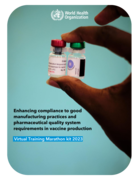
The Virtual cGMP Training Marathon for Vaccine Manufacturing: Principles into Practice took place from 12 Sep to 10 Oct 2023 to continue to provide manufacturers & regulators with a comprehensive array of topics to build understanding of current WHO
...
& international GMP standards, technological advancements, industry practices and regulatory expectations specific to the vaccine manufacturing context. Some of the topics include computer system validation, data integrity, challenges in lyophilization and others. Real world examples and case studies will be used to show how to interpret current and recently new good manufacturing practices requirements from a practical point of view and to implement appropriate approaches.
more
Implementing the global action plan on antimicrobial resistance: first quadripartite biennial report
The first quadripartite biennial report summarizes progress in the implementation of multisectoral national action plans, actions by the quadripartite organizations, actions by the global governance structures, key environmental dimensions, highlights areas for accelerated action, and shares case st
...
udies from six countries. An Annex with extensive data on the global action plan’s monitoring and evaluation indicators is included. The report was developed through contributions from all 6 WHO regions, member states, various headquarters departments and units, and technical teams from FAO, WOAH and UNEP.
more
The purpose of this manual is to provide guidance on how to implement Pan American Health Organization (PAHO) recommendations for malaria elimination at the local level. It is a streamlined, more operational version of the Manual for Stratifying Mal
...
aria Risk and Elimination of Foci, aimed primarily at operational teams working in the field. The content has been prioritized and the steps of the process organized to facilitate greater understanding by local teams. Adjustments have also been made to underscore its versatility for all malaria transmission scenarios in the Region of the Americas.
more
Todos los países de la Región de las Américas en los que la malaria es endémica han asumido el reto de eliminar la enfermedad y de poner en marcha intervenciones para orientar sus programas y estrategias de salud en esa dirección. Esta versión simplificada y más operativa del Manual para la e
...
stratificación según el riesgo de malaria y la eliminación de focos de transmisión, dirigida al personal de campo, orienta sobre cómo implementar las acciones básicas de eliminación de la malaria. Se propone orientar un cambio en la operación de malaria con la atención centrada en abordar los focos y la organización de la operación en el nivel más local. El documento parte de la necesidad de identificar y definir un ámbito operativo (el foco o microárea) en donde se pone en práctica una intervención programática concreta (DTI-R) que, si bien es estandarizada a nivel nacional, debe ser ante todo guiada por la comprensión de la dinámica de la transmisión a nivel local
more
In 2015, Member States and the global health community committed to reduce premature mortality from
noncommunicable diseases (NCDs) by one third by 2030 (SDG target 3.4). Despite growing efforts, the pace of change in
most countries, and the polic
...
ies and regulations required to achieve this goal, are too slow, inadequate or insufficient.
Recognizing that public sector efforts alone are insufficient to address the prevention and control of NCDs, the Global
NCD Action Plan emphasizes the need for coordinated multisectoral and multistakeholder engagement, acknowledging
the role of nongovernmental organizations – including civil society groups, individuals with lived experience, academic
institutions and private sector entities. However, WHO notes that some Member States still have limited or no capacity
to establish or manage the implementation of engagement with private sector entities for the prevention and control of
noncommunicable diseases
more
Identifying and addressing immunization inequities is core to the success of immunization programmes and will require a collective effort from all parts of the immunization programme, working in partnership with governments and other areas of health
...
. This document provides practical guidance for those working in immunization programmes to help advocate for immunization equity, embed equity as am aim in delivery of immunization programmes, and understand existing inequities by considering: who is left behind; why they were left behind; how we can intervene to resolve and avoid this; and whether our intervention has made a difference.
more
This resource presents a comprehensive framework designed to enhance and streamline telemedicine services within health-care systems. It addresses the critical need for accessible and effective telemedicine solutions, especially in the face of globa
...
l health challenges and the evolving demands on health-care infrastructures. It outlines a multidimensional strategy that includes an assessment of the current health-care ecosystem, strategic visioning for telemedicine integration, organizational change management, development of telemedicine services, and continuous monitoring, evaluation, and optimization. It emphasizes the importance of considering the unique needs of diverse populations and ensuring equitable access to telemedicine technologies. By leveraging global best practices and empirical evidence, the document aims to guide stakeholders through the lifecycle of telemedicine service implementation—from conceptualization to maturity. Intended for health-care decision-makers, policy-makers, and telemedicine practitioners, the framework supports the development of high-quality telemedicine services at various levels of the health system. It facilitates a collaborative approach, encouraging alignment and coordination among different stakeholders to achieve a common goal: building a resilient, patient-centred, and technologically advanced health-care system.
more
En mai 2023, la COVID-19 n’est peut-être plus classifiée en tant qu’urgence de santé publique d’envergure internationale mais nous ne devons pas ignorer les profonds problèmes structurels qu’elle a révélé dans notre économie. La santé est
un droit humain fondamental et le temps est
...
venu de réorienter et de réorganiser l’économie pour atteindre l’objectif de la Santé pour tous.
more
