Filter
5929
Filtered Results: 5929
Text search:
mental
health
services
Featured
Recommendations
608
New Publications
1195
Language
Document type
No document type
3240
Studies & Reports
978
Guidelines
718
Manuals
374
Strategic & Response Plan
223
Training Material
134
Fact sheets
115
Situation Updates
77
Brochures
22
Resource Platforms
22
Infographics
19
Online Courses
5
App
1
Videos
1
Countries / Regions
Global
270
India
225
Kenya
147
South Africa
141
Western and Central Europe
119
Latin America and the Carribbean
108
Syria
98
Uganda
98
Ukraine
95
Nepal
90
Nigeria
89
Ethiopia
89
Liberia
81
Myanmar / Burma
78
Bangladesh
71
Sierra Leone
70
Zambia
69
Rwanda
61
Philippines
58
Africa
58
Congo, Democratic Republic of
57
Ghana
55
Malawi
55
Tanzania
55
Indonesia
54
Namibia
53
South Sudan
44
Eastern Europe
41
South–East Asia Region
40
Haiti
36
Senegal
35
Zimbabwe
35
Germany
35
Mozambique
31
Cambodia
31
Russia
31
Lesotho
30
Brazil
28
Burkina Faso
24
Eastern Europe and Central Asia
24
Yemen
24
Guinea
23
Asia
22
Venezuela
22
East and Southern Africa
21
Eswatini/ Swaziland
21
Colombia
20
West and Central Africa
20
Afghanistan
19
Jordan
19
Botswana
18
Iraq
18
Middle East and North Africa
17
Benin
16
USA
16
Lebanon
16
Pakistan
16
Cameroon
15
Somalia
15
Moldova
14
Sri Lanka
14
Sudan
14
Central African Republic
14
Western Pacific Region
12
Thailand
11
Palestine
11
Angola
11
Turkey
10
Peru
10
Vietnam
10
Tajikistan
9
Greece
9
Laos
8
Ecuador
8
China
7
Chile
7
Albania
7
Burundi
7
Guinea-Bissau
7
Mali
7
Togo
6
Poland
6
Timor Leste/ East Timor
5
Kazakhstan
5
Niger
5
Hungary
5
Bolivia
5
Papua New Guinea
5
Egypt
5
Romania
5
Madagascar
5
Iran
4
Canada
4
Paraguay
4
Jamaica
4
United Kingdom
4
Côte d’Ivoire / Ivory Coast
4
Argentina
4
Georgia
4
Libya
4
North Macedonia
3
Mexico
3
El Salvador
3
Gambia
3
Singapore
3
Belarus
3
Southern Africa
3
Guatemala
3
Estonia
2
Kyrgyzstan
2
Uzbekistan
2
Malaysia
2
Bulgaria
2
Italy
2
Lithuania
2
Saudi Arabia
2
North America
2
Turkmenistan
2
Japan
2
Portugal
2
Nicaragua
2
Slovakia
2
Honduras
2
Bhutan
2
North Korea
1
Switzerland
1
Serbia
1
Fiji
1
Morocco
1
Qatar
1
Armenia
1
Croatia
1
Ireland
1
Gabon
1
Belgium
1
France
1
Mauritius
1
Tunisia
1
Azerbaijan
1
French Guyana
1
Israel
1
Latvia
1
Guyana
1
Djibouti
1
Chad
1
Authors & Publishers
Publication Years
Category
Countries
2028
Women & Child Health
338
Key Resources
332
Public Health
312
Clinical Guidelines
307
Capacity Building
150
Pharmacy & Technologies
34
Annual Report MEDBOX
3
Toolboxes
Mental Health
1081
COVID-19
615
Disability
400
HIV
370
Conflict
249
Planetary Health
203
Caregiver
185
Refugee
184
TB
150
Global Health Education
100
NCDs
98
Ebola & Marburg
97
Natural Hazards
89
NTDs
88
Rapid Response
69
Pharmacy
69
Specific Hazards
47
Health Financing Toolbox
45
2.0 Rapid Response
33
Social Ethics
25
AMR
21
Zika
18
Malaria
16
Cholera
15
Polio
7
Typhoon
3
South Sudan
1
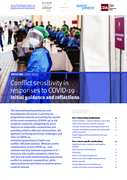
This paper aims to provide aid agencies with initial analysis and guidance to inform the design, implementation and adaptation of conflict-sensitive humanitarian and development responses to the COVID-19 pandemic. It presents a series of overarching considerations to take into account when determini...
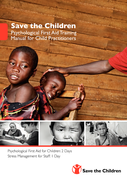
The training manual consists of: (i) Tools for communication, reassurance and comfort for staff working directly with distressed children; (ii) Advice and guidance for staff working with parents and primary care-givers; (iii) Suggestions for ways to support a distressed child. It provides a non-i...
Rapport sur les populations clés.
Version 2 (unedited). The Basic Needs Analysis (BNA) is a multi-sector needs analysis approach that can be applied in both sudden onset and protracted emergencies. The methodology comprises the Guidance (this document) presenting the conceptual BNA framework and related processes, and a Toolbox, whi...

Background: Traumatic stress may arise from various incidents often leading to posttraumatic stress disorder (PTSD). The lifetime prevalence of PTSD is estimated at 1% – 2% in Western Europe, 6% – 9% in North America and at just over 10% in countries exposed to long-term
violence. In South Afri...

This document is designed to provide UNICEF staff and UNICEF partner staff with principles and concepts that can assist them to respond to the psychosocial needs of children in natural disasters and social emergencies such as armed conflict and other forms of violence. It aims to introduce humanitar...
South Africa reported it fist case of COVID-19 on 5 March 2020. While the first cases were imported, local transmission has led to a rapid increase in the number of cases. As of 21 April 2020, more than 3,400 cases and 58 deaths had been confirmed. On 15 March, President Cyril Ramaphosa declared a n...
The uneven distribution of HIV risks and burdens across populations is a well-substantiated fact, though seldom publicly acknowledged. Gay men and other men who have sex with men, people who inject drugs, sex workers, and transgender women are 24, 24, 13.5, and 49 times more likely to acquire HIV, ...


Eight years after Super Typhoon Haiyan, the most destructive storm to ever hit the Philippines, Super Typhoon Rai brought similar torrential rains, violent winds, mudslides, floods and storm surges to central parts of the Philippines, leaving a wide path of destruction and debris in its wake. While ...

Infectious diseases like COVID-19 can disrupt the environments in which children grow and develop. Disruptions to families, friendships, daily routines and the wider community can have negative consequences for children’s well-being, development and protection. In addition, measures used to preven...

Psychosocial Interventions. A handbook
recommended
This handbook aims to give practical guidance to support development organisations to mainstream disability into their work. It is primarily intended for VSO programmes, but could be useful to other development actors interested in mainstreaming disability, such as NGOs, gover...

Conflicts and disasters, including pandemics, affect women and men in all their diversity differently, and women and girls often suffer the most. Crisis-related hardships combine and compound pre-existing disadvantages, for example, they often cause women’s working conditions to worsen while incre...