
Filter
768
Text search:
asylum
Featured
77
225
Language
Document type
346
219
73
33
32
25
18
8
6
5
1
1
1
Countries
133
57
43
28
23
20
19
13
13
13
12
12
11
11
10
10
9
8
8
8
8
7
7
6
6
6
5
5
5
4
4
4
4
4
3
3
3
3
3
3
3
3
3
2
2
2
2
2
2
2
2
2
2
2
2
2
2
2
2
2
2
2
2
2
2
1
1
1
1
1
1
1
1
1
1
1
1
1
1
1
1
1
1
1
1
1
1
1
1
1
1
Authors & Publishers
Publication Years
Category
170
43
24
14
10
10
2
1
Toolboxes
289
112
86
85
24
15
15
13
11
9
7
7
4
3
3
3
3
2
2
1
1
1
1
UNAIDS | 2016–2021 Strategy
Accessed: 20.11.2019

How we respond both now and going forward will help mitigate the impact of COVID-19, and to the extent possible preserve children’s rights to Survive, Learn, and Be Protected. We will focus our efforts on the most critical work essential to maintaining these commitments to the extent possible.
Methicillin-resistant Staphylococcus aureus(MRSA) strainsor multidrug-resistant S.aureus, initially described in 1960s,emerged in the last decade as a cause of nosocomial infections responsible for rapidly progressive, potential fatal diseases including life-threatening pneumonia, necrotizing fascii
...
Infectious diseases like COVID-19 can disrupt the environments in which children grow and develop. Disruptions to families, friendships, daily routines and the wider community can have negative consequences for children’s well-being, development and protection. In addition, measures used to preven
...
Antimicrobial resistance (AMR) has become a global public health concern and Lebanon is of no exception to this issue. The spread of antimicrobial-resistant bacteria is considered an alarming public health threat, with a potential extent similar to global warming and other social and environmental t
...
March – June 2020
This update: 3 April 2020

A brief guide for those using social media in humanitarian organizations
Refugees and migrants face similar health threats from COVID-19 as their host populations. However, inadequate access to essential services and exclusion may makes early detection, testing, diagnosis, contact tracing and seeking care for COVID-19 difficult for refugees and migrants thus increasing t
...
COVID-19 has turned the world upside down. Everything has been impacted. How we live and interact with each other, how we work and communicate, how we move around and travel. Every aspect of our lives has been affected.
Accessed on 21.05.2020
Considering a hotline? This set of tools will help you assess, set up and manage different types of channels to communicate with communities during humanitarian crises.
The Internews Humanitarian Information Services Learning Collection communicates key lessons, best practices, and programmatic methodologies used by Internews’ humanitarian teams around the world.
Each module within the Learning Collection includes three parts: Context, Case Studies, and a How-To
...
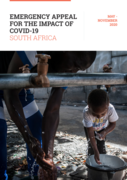
South Africa reported it fist case of COVID-19 on 5 March 2020. While the first cases were imported, local transmission has led to a rapid increase in the number of cases. As of 21 April 2020, more than 3,400 cases and 58 deaths had been confirmed. On 15 March, President Cyril Ramaphosa declared a n
...

Coronavirus Disease-19 (COVID-19) was declared a global pandemic on 11 March 2020, and Malawi declared its first case on 2 April. As of 30 April, there were 36 confirmed positive cases of COVID-19 and 3 deaths. A State of Disaster was declared by President Arthur Peter Mutharika on 20 March and a 21
...

How should humanitarian organisations prepare and respond to COVID-19 in humanitarian settings in low- and middle-income countries?
This Rapid Learning Review outlines 14 actions, insights and ideas for humanitarian actors to consider in their COVID-19 responses. It summarises and synthesises the
...
