
Filter
2263
Text search:
MINISTRY
OF
HEALTH
AND
SOCIAL
WELFARE
Featured
137
825
Language
2191
27
22
18
12
9
8
6
5
4
3
2
2
2
2
2
2
1
1
1
1
1
1
1
1
1
1
1
1
1
1
1
Document type
1537
306
178
99
71
26
20
15
5
3
2
1
Countries / Regions
299
128
121
86
77
70
65
60
58
46
44
44
41
40
39
39
38
35
31
29
20
20
19
17
17
16
16
16
15
15
15
13
13
13
12
12
12
11
9
8
8
8
6
6
5
5
5
5
5
5
5
4
4
4
4
4
4
3
3
3
3
3
3
2
2
2
2
2
2
2
2
2
2
2
2
2
2
2
2
2
2
1
1
1
1
1
1
1
1
1
1
1
1
1
1
1
1
1
1
1
1
1
1
1
1
1
1
1
Authors & Publishers
157
85
70
69
59
53
40
37
32
32
31
25
20
20
19
18
17
17
17
17
15
15
14
14
13
13
13
12
11
10
10
10
10
9
9
9
8
8
8
8
8
8
8
7
7
7
7
7
7
7
7
7
6
6
6
6
6
6
6
6
6
6
6
6
5
5
5
5
5
5
5
5
5
5
5
5
5
5
5
5
5
4
4
4
4
4
4
4
4
4
4
4
4
4
4
4
4
4
4
4
4
3
3
3
3
3
3
3
3
3
3
3
3
3
3
3
3
3
3
3
3
3
3
3
3
3
3
3
3
3
3
3
3
3
3
3
3
3
3
3
3
3
3
3
3
3
3
3
3
2
2
2
2
2
2
2
2
2
2
2
2
2
2
2
2
2
2
2
2
2
2
2
2
2
2
2
2
2
2
2
2
2
2
2
2
2
2
2
2
2
2
2
2
2
2
2
2
2
2
2
2
2
2
2
2
2
2
2
2
2
2
2
2
2
2
2
2
2
2
2
2
2
2
2
2
2
2
2
2
2
2
2
2
2
2
2
2
2
2
2
2
2
2
2
2
2
2
2
2
2
2
2
2
2
2
2
2
2
2
2
2
2
2
2
2
2
2
2
2
2
2
2
2
2
2
2
2
2
2
2
2
2
2
2
2
2
2
2
2
2
2
2
2
2
2
2
2
2
2
2
2
2
2
2
1
1
1
1
1
1
1
1
1
1
1
1
1
1
1
1
1
1
1
1
1
1
1
1
1
1
1
1
1
1
1
1
1
1
1
1
1
1
1
1
1
1
1
1
1
1
1
1
1
1
1
1
1
1
1
1
1
1
1
1
1
1
1
1
1
1
1
1
1
1
1
1
1
1
1
1
1
1
1
1
1
1
1
1
1
1
1
1
1
1
1
1
1
1
1
1
1
1
1
1
1
1
1
1
1
1
1
1
1
1
1
1
1
1
1
1
1
1
1
1
1
1
1
1
1
1
1
1
1
1
1
1
1
1
1
1
1
1
1
1
1
1
1
1
1
1
1
1
1
1
1
1
1
1
1
1
1
1
1
1
1
1
1
1
1
1
1
1
1
1
1
1
1
1
1
1
1
1
1
1
1
1
1
1
1
1
1
1
1
1
1
1
1
1
1
1
1
1
1
1
1
1
1
1
1
1
1
1
1
1
1
1
1
1
1
1
1
1
1
1
1
1
1
1
1
1
1
1
1
1
1
1
1
1
1
1
1
1
1
1
1
1
1
1
1
1
1
1
1
1
1
1
1
1
1
1
1
1
1
1
1
1
1
1
1
1
1
1
1
1
1
1
1
1
1
1
1
1
1
1
1
1
1
1
1
1
1
1
1
1
1
1
1
1
1
1
1
1
1
1
1
1
1
1
1
1
1
1
1
1
1
1
1
1
1
1
1
1
1
1
1
1
1
1
1
1
1
1
1
1
1
1
1
1
1
1
1
1
1
1
1
1
1
1
1
1
1
1
1
1
1
1
1
1
1
1
1
1
1
1
1
1
1
1
1
1
1
1
1
1
1
1
1
1
1
1
1
1
1
1
1
1
1
1
1
1
1
1
1
1
1
1
1
1
1
1
1
1
1
1
1
1
1
1
1
1
1
1
1
1
1
1
1
1
1
1
1
1
1
1
1
1
1
1
1
1
1
1
1
1
1
1
1
1
1
1
1
1
1
1
1
1
1
1
1
1
1
1
1
1
1
1
1
1
1
1
1
1
1
1
1
1
1
1
1
1
1
1
1
1
1
1
1
1
1
1
1
1
1
1
1
1
1
1
1
1
1
1
1
1
1
1
1
1
1
1
1
1
1
1
1
1
1
1
1
1
1
1
1
1
1
1
1
1
1
1
1
1
1
1
1
1
1
1
1
1
1
1
1
1
1
1
1
1
1
1
1
1
1
1
1
1
1
1
1
1
1
1
1
1
1
1
1
1
1
1
1
1
1
1
1
1
1
1
1
1
1
1
1
1
1
1
1
1
1
1
1
1
1
1
1
1
1
1
1
1
1
1
1
1
1
1
1
1
1
1
1
1
1
1
1
1
1
1
1
1
1
1
1
1
1
1
1
1
1
1
1
1
1
1
1
1
1
1
1
1
1
1
1
1
1
1
1
1
1
1
1
1
1
1
1
1
1
1
1
1
1
1
1
1
1
1
1
1
1
1
1
1
1
1
1
1
1
1
1
1
1
1
1
1
1
1
1
1
1
1
1
1
1
1
1
1
1
1
1
1
1
1
1
1
1
1
1
1
1
1
1
1
1
1
1
1
1
1
1
1
1
1
1
1
1
1
1
1
1
1
1
1
1
1
1
1
1
1
1
1
1
1
1
1
1
1
1
1
1
1
1
1
1
1
1
1
1
1
1
1
1
1
1
1
1
1
1
1
1
1
1
1
1
1
1
1
1
1
1
1
1
1
1
1
1
1
1
1
1
1
1
1
1
1
1
1
1
1
1
1
1
1
1
1
1
1
1
1
1
1
1
1
1
1
1
1
1
1
1
1
1
1
1
1
1
1
1
1
1
1
1
1
1
1
1
1
1
1
1
1
1
1
1
1
1
1
1
1
1
1
1
1
1
1
1
1
1
1
1
1
1
1
1
1
1
1
1
1
1
1
1
1
1
1
1
1
1
1
1
1
1
1
1
1
1
1
1
1
1
1
1
1
1
1
1
1
1
1
1
1
1
1
1
1
1
1
1
1
1
1
1
1
1
1
1
1
1
1
1
1
1
1
1
1
1
1
1
1
1
1
1
1
1
1
1
1
1
1
1
1
1
1
1
1
1
1
1
1
1
1
1
1
1
1
1
1
1
1
1
1
1
1
1
1
1
1
1
1
1
1
1
1
1
1
1
1
1
1
1
1
1
1
1
1
1
1
1
1
1
1
1
1
1
1
1
1
1
1
1
1
1
1
1
1
1
1
1
1
1
1
1
1
1
1
1
1
1
1
1
1
1
1
1
1
1
1
1
1
1
1
1
1
1
1
1
1
1
1
1
1
1
1
1
1
1
1
1
1
1
1
1
1
1
1
1
1
1
1
1
1
1
1
1
1
1
1
1
1
1
1
1
1
1
1
1
1
1
1
1
1
1
1
1
1
1
1
1
1
1
1
1
1
1
1
1
1
1
1
1
1
1
1
1
1
1
1
1
1
1
1
1
1
1
1
1
1
1
1
1
1
1
1
1
1
1
1
1
1
1
1
1
1
1
1
1
1
1
1
1
1
1
1
1
1
1
1
1
1
1
1
1
1
1
1
1
1
1
1
1
1
1
1
1
1
1
1
1
1
1
1
1
1
1
1
1
1
1
1
1
1
1
1
1
1
1
1
1
1
1
1
1
1
1
1
1
1
1
1
1
1
1
1
1
1
1
1
1
1
1
1
1
1
1
1
1
1
1
1
1
1
1
1
1
1
1
1
1
1
1
1
1
1
1
1
1
1
1
1
1
1
1
1
1
1
1
1
1
1
1
1
1
1
1
1
1
1
1
1
1
1
1
1
1
1
1
1
1
1
1
1
1
1
1
1
1
1
1
1
1
1
1
1
1
1
1
1
1
1
1
1
1
1
1
1
1
1
1
1
1
1
1
1
1
1
1
1
1
1
1
1
1
1
1
1
1
1
1
1
1
1
1
1
1
1
1
1
1
1
1
1
1
1
1
1
1
1
1
1
1
1
1
1
1
1
1
1
1
1
1
1
1
1
1
1
1
1
1
1
1
1
1
1
1
1
1
1
1
1
1
1
1
1
1
1
1
1
1
1
1
1
1
1
1
1
1
1
1
1
1
1
1
1
1
1
1
1
1
1
1
1
1
1
1
1
1
1
1
1
1
1
1
1
1
1
1
1
1
1
1
1
1
1
1
1
1
1
1
1
1
1
1
1
1
1
1
1
1
1
1
1
1
1
1
1
1
1
1
1
1
1
1
1
1
1
1
1
1
1
1
1
1
1
1
1
1
1
1
1
1
1
1
1
1
1
1
1
1
1
1
1
1
1
1
1
1
1
1
1
1
1
1
1
1
1
1
1
1
1
1
1
1
1
1
1
1
1
1
1
1
1
1
1
1
1
1
1
1
1
1
1
1
1
1
1
1
1
1
1
1
1
1
1
1
1
1
1
1
1
1
1
1
1
1
1
1
1
1
1
1
1
1
1
1
1
1
1
1
1
1
1
1
1
1
1
1
1
1
1
1
1
1
1
1
1
1
1
1
1
1
1
1
1
1
1
1
1
1
1
1
1
1
1
1
1
1
1
1
1
1
1
1
1
1
1
1
1
1
1
1
1
1
1
1
1
1
1
1
1
1
1
1
1
1
1
1
1
1
1
1
1
1
1
1
1
1
1
1
1
1
1
1
1
1
1
1
1
1
1
1
1
1
1
1
1
1
1
1
1
1
1
1
1
1
1
1
1
1
1
1
1
1
1
1
1
1
1
1
1
1
1
1
1
1
1
1
1
1
1
1
1
1
1
1
1
1
1
1
1
1
1
1
1
1
1
Publication Years
456
1545
251
10
1
Category
1313
102
94
75
59
26
4
2
Toolboxes
176
150
111
81
80
78
55
51
48
41
37
37
37
24
23
19
17
14
13
8
8
5
5
3
2

The Republic of the Union of Myanmar’s National Strategic Plan on HIV/AIDS 2016–2020 is the strategic guide for the country’s response to HIV at national, state/regional
...
and local levels. The framework describes the current dynamics of the HIV epidemic and articulates a strategy to optimize investments through a fast track approach with the vision of ending HIV as a public health threat by 2030. Myanmar’s third National Strategic Plan (HIV NSP III) issues a call to all partners to front-load investments to close the testing gap and reach the 90–90–90 prevention and treatment targets to protect health for all.
more
These guidelines are applicable to all biomedical, social and behavioural science research for health conducted in India involving human participan
...
ts, their biological material and data.
The purpose of such research should be: i. directed towards enhancing knowledge about the human condition while maintaining sensitivity to the Indian cultural, social and natural environment; ii. conducted under conditions such that no person or persons become mere means for the betterment of others and that human beings who are participating in any biomedical and/or health research or scientific experimentation are dealt with in a manner conducive to and consistent with their dignity and well-being, under conditions of professional fair treatment and transparency; and iii. subjected to a regime of evaluation at all stages of the research, such as design, conduct and reporting of the results thereof.
more


Revised edition

Uganda is Africa's largest refugee-hosting country and ranks fifth globally. Over the decades, Uganda has hosted refugees from nations including South Sudan, the Democratic Republic of Congo, Eritre
...
a, Somalia, Sudan, Burundi, and Rwanda. As of early 2024, it hosts 1 600 000 refugees, primarily in refugee settlements in northern and southwestern Uganda, and in Kampala City. Thirteen districts accommodate 94% of these refugees.
The World Health Organization (WHO) and Uganda’s Ministry of Health conducted a joint review mission to provide a comprehensive overview of the health system's response. The aim was to understand service delivery challenges and identify opportunities to further support Uganda in strengthening health system capacity and ensuring continued access to health services for refugees, migrants and host communities.
more

On 4 September 2025, the Ministry of Health of the Democratic Republic
...
of the Congo (DRC) declared an outbreak of Ebola Virus Disease (EVD) in Kasai Province, following confirmation of Zaire ebolavirus by the National Institute of Biomedical Research (INRB) in Bulape and Mweka Health Zones. As of 19 September, there have been 48 total cases (38 confirmed, 10 probable) with 31 deaths (21 confirmed, 10 probable) and a CFR of 64.5%. Among laboratory confirmed cases, 16 deaths were recorded (CFR: 45.7%). Four deaths occurred among health workers, underscoring the risk of nosocomial transmission. Most cases (39.7%) are among adults aged 20 years and above, in a densely populated, remote, and under-resourced area.
The outbreak is driven by multiple risk factors, including transmission in health facilities with limited infection prevention and control (IPC) measures and personal protective equipment (PPE), incomplete contact tracing, delayed detection, and unsafe burial practices. High population mobility between Bulape and Tshikapa, reliance on traditional healers, and the concurrent mpox outbreak are further straining the fragile health system and increasing the risk of geographic spread.
more
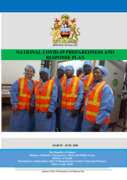
The Government of Malawi, in fulfilling its primary role of protecting the lives of its vulnerable citizens during disasters
...
and reducing their exposure to risk through preparedness, led the development of a National Coronavirus Disease (COVID-19) Preparedness and Response Plan.
more

Stigma and discrimination related to mental health conditions are widespread and harmful. Reducing stigma
...
and discrimination can benefit families, societies and economies – it can save lives. The toolkit offers practical guidance on how to achieve this, based on three core evidence-based principles: leadership or co-leadership by people with lived experience, social contact, and inclusive partnerships. These 3 principles can be realized using a four-step process: identify and define aims, plan and prepare, launch and learn and reflect and proceed. Twelve case studies from all across the world are provided to demystify the process. Stigma and discrimination can be ended if each of us acts as one using the principles in this toolkit.
more
Revised National Tuberculosis Control Programme

The Socio-Economic Impact of People Living with HIV at the Household Level in Myanmar
Cercone, James; Pinder, Étoile; Pothuis, Michal et al.
The Republic of the Union of Myanmar, Ministry of Health and Sports; UNDP
(2016)
C1
The study collected data on the impact of HIV-related diseases on income, revenues, economic dependency, consumption, education, health, food security, stigma, discrimination, quality
...
of life, and migration. The study also assessed people living with chronic diseases in order to compare the impact of living with HIV/AIDS with the impact of living with a chronic disease.
Stigma, discrimination, and socio-economic exclusion continue to affect the rights and socio-economic opportunities of people living with HIV in Myanmar. Households with a family member who has HIV, have lower incomes, fewer assets and lower home-ownership, compared to households that are not affected by HIV. They also have more household debt, and their families pay a higher rate of interest compared to families not affected by HIV. more
Stigma, discrimination, and socio-economic exclusion continue to affect the rights and socio-economic opportunities of people living with HIV in Myanmar. Households with a family member who has HIV, have lower incomes, fewer assets and lower home-ownership, compared to households that are not affected by HIV. They also have more household debt, and their families pay a higher rate of interest compared to families not affected by HIV. more
Equity and Quality in Health: a People's Right
