
Filter
4976
Text search:
Treat
All
Featured
546
1273
Language
4870
95
86
55
50
27
22
21
5
5
5
5
5
5
4
4
4
4
3
3
3
3
3
3
3
3
2
2
2
2
2
2
2
2
2
2
2
2
2
2
1
1
1
1
1
1
1
1
1
1
1
1
1
1
1
1
1
1
1
1
1
Document type
2672
750
714
304
164
149
123
39
20
15
14
4
3
1
Countries
276
190
139
118
96
96
94
86
83
83
74
73
71
69
65
64
63
62
55
54
50
48
37
31
30
30
27
27
26
24
24
24
23
23
22
21
18
18
16
16
14
14
14
14
13
13
13
12
12
11
11
10
10
10
10
9
9
8
8
8
7
7
7
6
6
6
6
6
5
5
5
5
5
4
4
4
4
4
4
4
3
3
3
3
3
3
3
2
2
2
2
2
2
2
2
2
2
2
2
2
2
2
2
2
2
2
2
2
1
1
1
1
1
1
1
1
1
1
1
1
1
1
1
1
1
1
1
1
1
1
1
1
1
1
1
1
1
1
Authors & Publishers
649
256
220
137
125
115
89
84
56
50
48
30
26
26
25
25
24
23
21
21
21
20
20
20
18
17
17
17
16
16
16
16
16
15
15
15
15
15
15
15
14
14
14
14
14
14
14
13
13
13
13
13
13
13
11
11
11
11
11
11
11
10
10
10
10
9
9
9
9
9
9
9
9
8
8
8
8
8
8
8
7
7
7
7
7
7
7
7
6
6
6
6
6
6
6
6
6
6
6
6
6
6
6
6
6
6
6
6
6
6
6
6
6
6
6
6
6
6
5
5
5
5
5
5
5
5
5
5
5
5
5
5
5
5
5
5
5
5
5
5
5
5
5
4
4
4
4
4
4
4
4
4
4
4
4
4
4
4
4
4
4
4
4
4
4
4
4
4
4
4
4
4
4
4
4
4
4
4
4
4
4
4
4
4
4
4
4
4
4
4
4
4
4
4
4
4
4
3
3
3
3
3
3
3
3
3
3
3
3
3
3
3
3
3
3
3
3
3
3
3
3
3
3
3
3
3
3
3
3
3
3
3
3
3
3
3
3
3
3
3
3
3
3
3
3
3
3
3
3
3
3
3
3
3
3
3
3
3
3
3
3
3
3
3
3
3
3
3
3
3
3
3
3
3
3
3
3
3
3
3
3
3
3
3
3
3
3
3
3
3
3
3
3
3
3
3
3
3
3
3
3
3
3
3
3
3
2
2
2
2
2
2
2
2
2
2
2
2
2
2
2
2
2
2
2
2
2
2
2
2
2
2
2
2
2
2
2
2
2
2
2
2
2
2
2
2
2
2
2
2
2
2
2
2
2
2
2
2
2
2
2
2
2
2
2
2
2
2
2
2
2
2
2
2
2
2
2
2
2
2
2
2
2
2
2
2
2
2
2
2
2
2
2
2
2
2
2
2
2
2
2
2
2
2
2
2
2
2
2
2
2
2
2
2
2
2
2
2
2
2
2
2
2
2
2
2
2
2
2
2
2
2
2
2
2
2
2
2
2
2
2
2
2
2
2
2
2
2
2
2
2
2
2
2
2
2
2
2
2
2
2
2
2
2
2
2
2
2
2
2
2
2
2
2
2
2
2
2
2
2
2
2
2
2
2
2
2
2
2
2
2
2
2
2
2
2
2
2
2
2
2
2
2
2
2
2
2
2
2
2
2
2
2
2
2
2
2
2
2
2
2
2
2
2
2
2
2
2
2
2
2
2
2
2
2
2
2
2
2
2
2
2
2
2
2
2
2
2
2
2
2
2
2
2
2
2
2
2
2
2
2
2
2
2
2
2
2
2
2
2
2
2
2
2
2
2
2
2
2
2
2
2
2
2
2
2
2
2
2
2
2
2
2
2
2
2
2
2
2
2
2
2
2
2
2
2
2
2
2
2
2
2
2
2
2
2
2
2
2
2
2
1
1
1
1
1
1
1
1
1
1
1
1
1
1
1
1
1
1
1
1
1
1
1
1
1
1
1
1
1
1
1
1
1
1
1
1
1
1
1
1
1
1
1
1
1
1
1
1
1
1
1
1
1
1
1
1
1
1
1
1
1
1
1
1
1
1
1
1
1
1
1
1
1
1
1
1
1
1
1
1
1
1
1
1
1
1
1
1
1
1
1
1
1
1
1
1
1
1
1
1
1
1
1
1
1
1
1
1
1
1
1
1
1
1
1
1
1
1
1
1
1
1
1
1
1
1
1
1
1
1
1
1
1
1
1
1
1
1
1
1
1
1
1
1
1
1
1
1
1
1
1
1
1
1
1
1
1
1
1
1
1
1
1
1
1
1
1
1
1
1
1
1
1
1
1
1
1
1
1
1
1
1
1
1
1
1
1
1
1
1
1
1
1
1
1
1
1
1
1
1
1
1
1
1
1
1
1
1
1
1
1
1
1
1
1
1
1
1
1
1
1
1
1
1
1
1
1
1
1
1
1
1
1
1
1
1
1
1
1
1
1
1
1
1
1
1
1
1
1
1
1
1
1
1
1
1
1
1
1
1
1
1
1
1
1
1
1
1
1
1
1
1
1
1
1
1
1
1
1
1
1
1
1
1
1
1
1
1
1
1
1
1
1
1
1
1
1
1
1
1
1
1
1
1
1
1
1
1
1
1
1
1
1
1
1
1
1
1
1
1
1
1
1
1
1
1
1
1
1
1
1
1
1
1
1
1
1
1
1
1
1
1
1
1
1
1
1
1
1
1
1
1
1
1
1
1
1
1
1
1
1
1
1
1
1
1
1
1
1
1
1
1
1
1
1
1
1
1
1
1
1
1
1
1
1
1
1
1
1
1
1
1
1
1
1
1
1
1
1
1
1
1
1
1
1
1
1
1
1
1
1
1
1
1
1
1
1
1
1
1
1
1
1
1
1
1
1
1
1
1
1
1
1
1
1
1
1
1
1
1
1
1
1
1
1
1
1
1
1
1
1
1
1
1
1
1
1
1
1
1
1
1
1
1
1
1
1
1
1
1
1
1
1
1
1
1
1
1
1
1
1
1
1
1
1
1
1
1
1
1
1
1
1
1
1
1
1
1
1
1
1
1
1
1
1
1
1
1
1
1
1
1
1
1
1
1
1
1
1
1
1
1
1
1
1
1
1
1
1
1
1
1
1
1
1
1
1
1
1
1
1
1
1
1
1
1
1
1
1
1
1
1
1
1
1
1
1
1
1
1
1
1
1
1
1
1
1
1
1
1
1
1
1
1
1
1
1
1
1
1
1
1
1
1
1
1
1
1
1
1
1
1
1
1
1
1
1
1
1
1
1
1
1
1
1
1
1
1
1
1
1
1
1
1
1
1
1
1
1
1
1
1
1
1
1
1
1
1
1
1
1
1
1
1
1
1
1
1
1
1
1
1
1
1
1
1
1
1
1
1
1
1
1
1
1
1
1
1
1
1
1
1
1
1
1
1
1
1
1
1
1
1
1
1
1
1
1
1
1
1
1
1
1
1
1
1
1
1
1
1
1
1
1
1
1
1
1
1
1
1
1
1
1
1
1
1
1
1
1
1
1
1
1
1
1
1
1
1
1
1
1
1
1
1
1
1
1
1
1
1
1
1
1
1
1
1
1
1
1
1
1
1
1
1
1
1
1
1
1
1
1
1
1
1
1
1
1
1
1
1
1
1
1
1
1
1
1
1
1
1
1
1
1
1
1
1
1
1
1
1
1
1
1
1
1
1
1
1
1
1
1
1
1
1
1
1
1
1
1
1
1
1
1
1
1
1
1
1
1
1
1
1
1
1
1
1
1
1
1
1
1
1
1
1
1
1
1
1
1
1
1
1
1
1
1
1
1
1
1
1
1
1
1
1
1
1
1
1
1
1
1
1
1
1
1
1
1
1
1
1
1
1
1
1
1
1
1
1
1
1
1
1
1
1
1
1
1
1
1
1
1
1
1
1
1
1
1
1
1
1
1
1
1
1
1
1
1
1
1
1
1
1
1
1
1
1
1
1
1
1
1
1
1
1
1
1
1
1
1
1
1
1
1
1
1
1
1
1
1
1
1
1
1
1
1
1
1
1
1
1
1
1
1
1
1
1
1
1
1
1
1
1
1
1
1
1
1
1
1
1
1
1
1
1
1
1
1
1
1
1
1
1
1
1
1
1
1
1
1
1
1
1
1
1
1
1
1
1
1
1
1
1
1
1
1
1
1
1
1
1
1
1
1
1
1
1
1
1
1
1
1
1
1
1
1
1
1
1
1
1
1
1
1
1
1
1
1
1
1
1
1
1
1
1
1
1
1
1
1
1
1
1
1
1
1
1
1
1
1
1
1
1
1
1
1
1
1
1
1
1
1
1
1
1
1
1
1
1
1
1
1
1
1
1
1
1
1
1
1
1
1
1
1
1
1
1
1
1
1
1
1
1
1
1
1
1
1
1
1
1
1
1
1
1
1
1
1
1
1
1
1
1
1
1
1
1
1
1
1
1
1
1
1
1
1
1
1
1
1
1
1
1
1
1
1
1
1
1
1
1
1
1
1
1
1
1
1
1
1
1
1
1
1
1
1
1
1
1
1
1
1
1
1
1
1
1
1
1
1
1
1
1
1
1
1
1
1
1
1
1
1
1
1
1
1
1
1
1
1
1
1
1
1
1
1
1
1
1
1
1
1
1
1
1
1
1
1
1
1
1
1
1
1
1
1
1
1
1
1
1
1
1
1
1
1
1
1
1
1
1
1
1
1
1
1
1
1
1
1
1
1
1
1
1
1
1
1
1
1
1
1
1
1
1
1
1
1
1
1
1
1
1
1
1
1
1
1
1
1
1
1
1
1
1
1
1
1
1
1
1
1
1
1
1
1
1
1
1
1
1
1
1
1
1
1
1
1
1
1
1
1
1
1
1
1
1
1
1
1
1
1
1
1
1
1
1
1
1
1
1
1
1
1
1
1
1
1
1
1
1
1
1
1
1
1
1
1
1
1
1
1
1
1
1
1
1
1
1
1
1
1
1
1
1
1
1
1
1
1
1
1
1
1
1
1
1
1
1
1
1
1
1
1
1
1
1
1
1
1
1
1
1
1
1
1
1
1
1
1
1
1
1
1
1
1
1
1
1
1
1
1
1
1
1
1
1
1
1
1
1
1
1
1
1
1
1
1
1
1
1
1
1
1
1
1
1
1
1
1
1
1
1
1
1
1
1
1
1
1
1
1
1
1
1
1
1
1
1
1
1
1
1
1
1
1
1
1
1
1
1
1
1
1
1
1
1
1
1
1
1
1
1
1
1
1
1
1
1
1
1
1
1
1
1
1
1
1
1
1
1
1
1
1
1
1
1
1
1
1
1
1
1
1
1
1
1
1
1
1
1
1
1
1
1
1
1
1
1
1
1
1
1
1
1
1
1
1
1
1
1
1
1
1
1
1
1
1
1
1
1
1
1
1
1
1
1
1
1
1
1
1
1
1
1
1
1
1
1
1
1
1
1
1
1
1
1
1
1
1
1
1
1
1
1
1
1
1
1
1
1
1
1
1
1
1
1
1
1
1
1
1
1
1
1
1
1
1
1
1
1
1
1
1
1
1
1
1
1
1
1
1
1
1
1
1
1
1
1
1
1
1
1
1
1
1
1
1
1
1
1
1
1
1
1
1
1
1
1
1
1
1
1
1
1
1
1
1
1
1
1
1
1
1
1
1
1
1
1
1
1
1
1
1
1
1
1
1
1
1
1
1
1
1
1
1
1
1
1
1
1
1
1
1
1
1
1
1
1
1
1
1
1
1
1
1
1
1
1
1
1
1
1
1
1
1
1
1
1
1
1
1
1
1
1
1
1
1
1
1
1
1
1
1
1
1
1
1
1
1
1
1
1
1
1
1
1
1
1
1
1
1
1
1
1
1
1
1
1
1
1
1
1
1
1
1
1
1
1
1
1
1
1
1
1
1
1
1
1
1
1
1
1
1
1
1
1
1
1
1
1
1
1
1
1
1
1
1
1
1
1
1
1
1
1
1
1
1
1
1
1
1
1
1
1
1
1
1
1
1
1
1
1
1
1
1
1
1
1
1
1
1
1
1
1
1
1
1
1
1
1
1
1
1
1
1
1
1
1
1
1
1
1
1
1
1
1
1
1
1
1
1
1
1
1
1
1
1
1
1
1
1
1
1
1
1
1
1
1
1
1
1
1
1
1
1
1
1
1
1
1
1
1
1
1
1
1
1
1
1
1
1
1
1
1
1
1
1
1
1
1
1
1
1
1
1
1
1
1
1
1
1
1
1
1
1
1
1
1
1
1
1
1
1
1
1
1
1
1
1
1
1
1
1
1
1
1
1
1
1
1
1
1
1
1
1
1
1
1
1
1
1
1
1
1
1
1
1
1
1
1
1
1
1
1
1
1
1
1
1
1
1
1
1
1
1
1
1
1
1
1
1
1
1
1
1
1
1
1
1
1
1
1
1
1
1
1
1
1
1
1
1
1
1
1
1
1
1
1
1
1
1
1
1
1
1
1
1
1
1
1
1
1
1
1
1
1
1
1
1
1
1
1
1
1
1
1
1
1
1
1
1
1
1
1
1
1
1
1
1
1
1
1
1
1
1
1
1
1
1
1
1
1
1
1
1
1
1
1
1
1
1
1
1
1
1
1
1
1
1
1
1
1
1
1
1
1
1
1
1
1
1
1
1
1
1
1
1
1
1
1
1
1
1
1
1
1
1
1
1
1
1
1
1
1
1
1
1
1
1
1
1
1
1
1
1
1
1
1
1
1
1
1
1
1
1
1
1
1
1
1
1
1
1
1
1
1
1
1
1
1
1
1
1
1
1
1
1
1
1
1
1
1
1
1
1
1
1
1
1
1
1
1
1
1
1
1
1
1
1
1
1
1
1
1
1
1
1
1
1
1
1
1
1
1
1
1
1
1
1
1
1
1
1
1
1
1
1
1
1
1
1
1
1
1
1
1
1
1
1
1
1
1
1
1
1
1
1
1
1
1
1
1
1
1
1
1
1
1
1
1
1
1
1
1
1
1
1
1
1
1
1
1
1
1
1
1
1
1
1
1
1
1
1
1
1
1
1
1
1
1
1
1
1
1
1
1
1
1
1
1
1
1
1
1
1
1
1
1
1
1
1
1
1
1
1
1
1
1
1
1
1
1
1
1
1
1
1
1
1
1
1
1
1
1
1
1
1
1
1
1
1
1
1
1
1
1
1
1
1
1
1
1
1
1
1
1
1
1
1
1
1
1
1
1
1
1
1
1
1
1
1
1
1
1
1
1
1
1
1
1
1
1
1
1
1
1
1
1
1
1
1
1
1
1
1
1
1
1
1
1
1
1
1
1
1
1
1
1
1
1
1
1
1
1
1
1
1
1
1
1
1
1
1
1
1
1
1
1
1
1
1
1
1
1
1
1
1
1
1
1
1
1
1
1
1
1
1
1
1
1
1
1
1
1
1
1
1
1
1
1
1
1
1
1
1
1
1
1
1
1
1
1
1
1
1
1
1
1
1
1
1
1
1
1
1
1
1
1
1
1
1
1
1
1
1
1
1
1
1
1
1
1
1
1
1
1
1
1
1
1
1
1
1
1
1
1
1
1
1
1
1
1
1
1
1
1
1
1
1
1
1
1
1
1
1
1
1
1
1
1
1
1
1
1
1
1
1
1
1
1
1
1
1
1
1
1
1
1
1
1
1
1
1
1
1
1
1
1
1
1
1
1
1
1
1
1
1
1
1
1
1
1
1
1
1
1
1
1
1
1
1
1
1
1
1
1
1
1
1
1
1
1
1
1
1
1
1
1
1
1
1
1
1
1
1
1
1
1
1
1
1
1
1
1
1
1
1
1
1
1
1
1
1
1
1
1
1
1
1
1
1
1
1
1
1
1
1
1
1
1
1
1
1
1
1
1
1
1
1
1
1
1
1
1
1
1
1
1
1
1
1
1
1
1
1
1
1
1
1
1
1
1
1
1
1
1
1
1
1
1
1
1
1
1
1
1
1
1
1
1
1
1
1
1
1
1
1
1
1
1
1
1
1
1
1
1
1
1
1
1
1
1
1
1
1
1
1
1
1
1
1
1
1
1
1
1
1
1
1
1
1
1
1
1
1
1
1
1
1
1
1
1
1
1
1
1
1
1
1
1
1
1
1
1
1
1
1
1
1
1
1
1
1
1
1
1
1
1
1
1
1
1
1
1
1
1
1
1
1
1
1
1
1
1
1
1
1
1
1
1
1
1
1
1
1
1
1
1
1
1
1
1
1
1
1
1
1
1
1
1
1
1
1
1
1
1
1
1
1
1
1
1
1
1
1
1
1
1
1
1
1
1
1
1
1
1
1
1
1
1
1
1
1
1
1
1
1
1
1
1
1
1
1
1
1
1
1
1
1
1
1
1
1
1
1
1
1
1
1
1
1
1
1
1
1
1
1
1
1
1
1
1
1
1
1
1
1
1
1
1
1
1
1
1
1
1
1
1
1
1
1
1
1
1
1
1
1
1
1
1
1
1
1
1
1
1
1
1
1
1
1
1
1
1
1
1
1
1
1
1
1
1
1
1
1
1
1
1
1
1
1
1
1
1
1
1
1
1
1
1
1
1
1
1
1
1
1
1
1
1
1
1
1
1
1
1
1
1
1
1
1
1
1
1
1
1
1
1
1
1
1
1
1
1
1
1
1
1
1
1
1
1
1
1
1
1
1
1
1
1
1
1
1
1
1
1
1
1
1
1
1
1
1
1
1
1
1
1
1
1
1
1
1
1
1
1
1
1
1
1
1
1
1
1
1
1
1
1
1
1
1
1
1
1
1
1
1
1
1
1
1
1
1
1
1
1
1
1
1
1
1
1
1
1
1
1
1
1
1
1
1
1
1
1
1
1
1
1
1
1
1
1
1
1
1
1
1
1
1
1
1
1
1
1
1
1
1
1
1
1
1
1
1
1
1
1
1
1
1
1
1
1
1
1
1
1
1
1
1
1
1
1
1
1
1
1
1
1
1
1
1
1
1
1
1
1
1
1
1
1
1
1
1
1
1
1
1
1
1
1
1
1
1
1
1
1
1
1
1
1
1
1
1
1
1
1
1
1
1
1
1
1
1
1
1
1
1
1
1
1
1
1
1
1
1
1
1
1
1
1
1
1
1
1
1
1
1
1
1
1
1
1
1
1
1
1
1
1
1
1
1
1
1
1
1
1
1
1
1
1
1
1
1
1
1
1
1
1
1
1
1
1
1
1
1
1
1
1
1
1
1
1
1
1
1
1
1
1
1
1
1
1
1
1
1
1
1
1
1
1
1
1
1
1
1
1
1
1
1
1
1
1
1
1
1
1
1
1
1
1
1
1
1
1
1
1
1
1
1
1
1
1
1
1
1
1
1
1
1
1
1
1
1
1
1
1
1
1
1
1
1
1
1
1
1
1
1
1
1
1
1
1
1
1
1
1
1
1
1
1
1
1
1
1
1
1
1
1
1
1
1
1
1
1
1
1
1
1
1
1
1
1
1
1
1
1
1
1
1
1
1
1
1
1
1
1
1
1
1
1
1
1
1
1
1
1
1
1
1
1
1
1
1
1
1
1
1
1
1
1
1
1
1
1
1
1
1
1
1
1
1
1
1
1
1
1
1
1
1
1
1
1
1
1
1
1
1
1
1
1
1
1
1
1
1
1
1
1
1
1
1
1
1
1
1
1
1
1
1
1
1
1
1
1
1
1
1
1
1
1
1
1
1
1
1
1
1
1
1
1
1
1
1
1
1
1
1
1
1
1
1
1
1
1
1
1
1
1
1
1
1
1
1
1
1
1
1
1
1
1
1
1
1
1
1
1
1
1
1
1
1
1
1
1
1
1
1
1
1
1
1
1
1
1
1
1
1
1
1
1
1
1
1
1
1
1
1
1
1
1
1
1
1
1
1
1
1
1
1
1
1
1
1
1
1
1
Publication Years
1
1289
3104
543
36
2
1
Category
1736
508
308
265
262
141
37
Toolboxes
449
344
328
286
228
204
169
147
117
116
113
110
107
86
85
57
54
54
52
42
34
34
29
28
20
3
1

The waves of yellow fever transmission in the Region of the Americas in 2016–2018 involved the largest number of human and epizootic cases to be reported in several decades. Yellow fever is a serious viral hemorrhagic disease that poses a challenge for health professionals. It requires early recog
...
nition of signs and symptoms, which are often nonspecific, and it can mimic other acute febrile syndromes. Early detection of suspected or confirmed cases, monitoring of vital signs, life support measures, and treatment of acute kidney failure continue to be the recommended strategies for case management. This report is the result of discussions among experienced specialists in the Americas on the clinical management of yellow fever patients, especially during outbreaks and epidemics, in the context of current medical and scientific evidence and taking into account the technical guidelines already available in the countries of the Region. It includes flowcharts for initially addressing patients with clinical suspicion of yellow fever and proposes a minimum package of laboratory tests that may be useful in contexts where resources are limited. In addition, it considers aspects of health system organization for dealing with yellow fever outbreaks and epidemics.
more

MOBILISIERUNG INLÄNDISCHER ÖFFENTLICHER RESSOURCEN FÜR GESUNDHEIT
Financing Global Health 2015 is the seventh edition of IHME’s annual series on global health financing. This report captures trends in development assistance for health (DAH) and government health expenditure as source (GHE-S) in low- and middle-income countries. Annually updated GHE-S and DAH est
...
imates are produced to aid decision-makers and other global health stakeholders in identifying funding gaps and invesment opportunities vital to improving population health. This year, IHME made a number of improvements to the data collection and methods implemented to generate Financing Global Health estimates.
more

The environment in which young people live, learn and play significantly affects their decisions about whether to consume alcohol. Environmental factors are the main risk factors driving alcohol consumption and related harm among young people. Environments that normalize alcohol consumption – term
...
ed alcogenic environments – include contexts with unregulated advertising and marketing of alcoholic beverages, higher alcohol outlet density, products designed to facilitate affordability and low prices of alcoholic beverages. A recent body of research evidence has emerged related to the measurement, functional significance and consequences of living in alcogenic environments. This includes findings on the complex and bidirectional interactions among alcohol acceptability, availability and affordability and how they create and perpetuate alcogenic environments. Comprehensive and enforced alcohol control policies are effective at delaying the age of onset and lowering alcohol prevalence and frequency among young people. Evidence consistently confirms the effectiveness of designing and implementing alcohol control policies that regulate upstream the drivers of alcogenic environment, including alcohol availability, acceptability and affordability. These policies need to be multipronged and address the complex interactions between these drivers and the local alcohol culture
more

This report compiles data for the first time on the far-reaching consequences of uncontrolled hypertension, including heart attacks, strokes and premature death, along with substantial economic losses for communities and countries. It also contains information on the global, regional and country-lev
...
el burden of hypertension and progress of control efforts.
more

This brief update on tuberculosis (TB) in the African region covers the state of TB in the WHO African region, strategic priorities and targets and the impact of COVID-19 on essential services. This is followed by key figures for the region, the role of WHO in country support and, recognizing the im
...
portance of diagnosis and drug susceptibility testing, a focus onstrengthening laboratory networks and the regional laboratory and diagnostic objectives. A brief update of the state of the science and how this is funded across the African region is provided, before closing with challenges and opportunities,strategic directions and a brief discussion of funding concerns. Discussions around the drivers of the disease, and issues of the poverty, inequality and stigma that continue to plague those living with TB are fully recognized, but are outside the scope of this report.
more

WHO today released its first roadmap to tackle postpartum haemorrhage (PPH) – defined as excessive bleeding after childbirth - which affects millions of women annually and is the world’s leading cause of maternal deaths.
Despite being preventable and treatable, PPH results in around 70 000 de
...
aths every year. For those who survive, it can cause disabilities and psychological trauma that last for years.
“Severe bleeding in childbirth is one of the most common causes of maternal mortality, yet it is highly preventable and treatable,” said Dr Tedros Adhanom Ghebreyesus, WHO Director-General. “This new roadmap charts a path forward to a world in which more women have a safe birth and a healthy future with their families.”
The Roadmap aims to help countries address stark differences in survival outcomes from PPH, which reflect major inequities in access to essential health services. Over 85% of deaths from PPH happen in sub-Saharan Africa and South Asia. Risk factors include anaemia, placental abnormalities, and other complications in pregnancy such as infections and pre-eclampsia.
Many risk factors can be managed if there is quality antenatal care, including access to ultrasound, alongside effective monitoring in the hours after birth. If bleeding starts, it also needs to be detected and treated extremely quickly. Too often, however, health facilities lack necessary healthcare workers or resources, including lifesaving commodities such as oxytocin, tranexamic acid or blood for transfusions.
“Addressing postpartum haemorrhage needs a multipronged approach focusing on both prevention and response - preventing risk factors and providing immediate access to treatments when needed - alongside broader efforts to strengthen women’s rights,” said Dr Pascale Allotey, WHO Director for Sexual and Reproductive Health and HRP, the UN’s special programme on research development and training in human reproduction. “Every woman, no matter where she lives, should have access to timely, high quality maternity care, with trained health workers, essential equipment and shelves stocked with appropriate and effective commodities – this is crucial for treating postpartum bleeding and reducing maternal deaths.”
more

This toolkit was developed to provide detailed information and resources to support implementation of the WHO intrapartum and immediate postnatal care recommendations at the health-care facility level. The careful design of this toolkit is based on a rigorous evidence-based approach that includes im
...
plementation strategies of proven effectiveness to help close the gap between WHO’s care recommendations and current policies and practices.
The primary target audience for the toolkit includes policy-makers, health-care facility managers, implementers and managers of maternal and child health programmes, nongovernmental organizations (NGOs) and professional societies involved in the planning and management of maternal and child health services.
more
Prompt, effective antimalarial treatment, and supportive care can substantially reduce the rate of mortality from severe malaria. However, many children in malaria-endemic countries do not have access to health facilities or a qualified health care provider and do not receive the necessary care in a
...
timely fashion. Without rapid detection of danger signs and access to effective treatment, including pre-referral treatment that can be administered in the community level, many of these children with severe malaria die.
In situations where there is no immediate access to a health care facility, WHO recommends the administration of a standard dose of an effective antimalarial medicine as pre-referral treatment before referral to a facility at which complete treatment can be administered.
Rectal artesunate is the WHO-recommended pre-referral intervention in situations where artesunate injection are not feasible for children under the age of 6 years with suspected severe malaria. The intervention reduces the risk of death or permanent disability by up to 50% provided the child is referred to a health facility at which complete treatment can be administered.
This field guide is aimed at supporting the effective deployment of RAS as pre-referral treatment of suspected severe malaria in line with the WHO malaria guidelines.
more
WHO has updated its guidelines for COVID-19 therapeutics, with revised recommendations for patients with non-severe COVID-19. This is the 13th update to these guidelines.
Updated risk rates for hospital admission in patients with non-severe COVID-19
The guidance includes updated risk rates for
...
hospital admission in patients with non-severe COVID-19.
The current COVID-19 virus variants tend to cause less severe disease while immunity levels are higher due to vaccination, leading to lower risks of severe illness and death for most patients.
This update includes new baseline risk estimates for hospital admission in patients with non-severe COVID-19. The new ‘moderate risk’ category now includes people previously considered to be high risk including older people and/or those with chronic conditions, disabilities, and comorbidities of chronic disease. The updated risk estimates will assist healthcare professionals to identify individuals at high, moderate or low risk of hospital admission, and to tailor treatment according to WHO guidelines:
**High: **People who are immunosuppressed remain at higher risk if they contract COVID-19, with an estimated hospitalization rate of 6%.
**Moderate: **People over 65 years old, those with conditions like obesity, diabetes and/or chronic conditions including chronic obstructive pulmonary disease, kidney or liver disease, cancer, people with disabilities and those with comorbidities of chronic disease are at moderate risk, with an estimated hospitalization rate of 3%.
Low: Those who are not in the high or moderate risk categories are at low risk of hospitalization (0.5%). Most people are low risk.
Review of COVID-19 treatments for people with non-severe COVID-19
WHO continues to strongly recommend nirmatrelvir-ritonavir (also known by its brand name ‘Paxlovid’) for people at high-risk and moderate risk of hospitalization. The recommendations state that nirmatrelvir-ritonavir is considered the best choice for most eligible patients, given its therapeutic benefits, ease of administration and fewer concerns about potential harms. Nirmatrelvir-ritonavir was first recommended by WHO in April 2022.
If nirmatrelvir-ritonavir is not available to patients at high-risk of hospitalization, WHO suggests the use of molnupiravir or remdesivir instead.
WHO suggests against the use of molnupiravir and remdesivir for patients at moderate risk, judging the potential harms to outweigh the limited benefits in patients at moderate risk of hospital admission.
For people at low risk of hospitalization, WHO does not recommend any antiviral therapy. Symptoms like fever and pain can continue to be managed with analgesics like paracetamol.
WHO also recommends against use of a new antiviral (VV116) for patients, except in clinical trials.
The update also includes a strong recommendation against the use of ivermectin for patients with non-severe COVID-19. WHO continues to advise that in patients with severe or critical COVID-19, ivermectin should only be used in clinical trials.
more

This checklist is an operational tool to help national authorities develop or revise national respiratory pathogen (inclusive of influenza and coronaviruses) pandemic preparedness plans.
Asia-Pacific Consensus Statement on the Management of Peripheral Artery Disease
Abola, M. T. B.; Golledge, J.; Miyata, T. et al.
Journal of Atherosclerosis and Thrombosis
(2020)
CC
Peripheral artery disease (PAD) is the most underdiagnosed, underestimated and undertreated of the atherosclerotic vascular diseases despite its poor prognosis. There may be racial or contextual differences in the Asia-Pacific region as to epidemiology, availability of diagnostic and therapeutic mod
...
alities, and even patient treatment response. The Asian Pacific Society of Atherosclerosis and Vascular Diseases (APSAVD) thus coordinated the development of an Asia-Pacific Consensus Statement (APCS) on the Management of PAD.
more

The World Heart Federation (WHF) commenced a Roadmap initiative in 2015 to reduce the global burden of cardiovascular disease and resultant burgeoning of healthcare costs. Roadmaps provide a blueprint for implementation of priority solutions for the principal cardiovascular diseases leading to death
...
and disability. Atrial fibrillation (AF) is one of these conditions and is an increasing problem due to ageing of the world’s population and an increase in cardiovascular risk factors that predispose to AF. The goal of the AF roadmap was to provide guidance on priority interventions that are feasible in multiple countries, and to identify roadblocks and potential strategies to overcome them.
more
Atherosclerotic lower-extremity peripheral artery disease (PAD) is increasingly recognized as an important cause of cardiovascular morbidity and mortality that affects more than 230 million people worldwide. Traditional cardiovascular risk factors, including advanced age, smoking, and diabetes, are
...
strongly linked to an increase risk of PAD. Although PAD has been historically underappreciated compared to coronary artery disease and stroke, greater attention on PAD in recent years has led to important new epidemiologic insights in the areas of thrombosis, inflammation, dyslipidemia, and microvascular disease. In addition, the concept of polyvascular disease, or clinically-evident atherosclerosis in multiple arterial beds, is increasingly identified as a particularly malignant cardiovascular disease worthy of special clinical attention and further study. It is noteworthy that PAD may increase the risk of adverse outcomes in similar or even greater magnitude than coronary disease or stroke. In this review, we highlight important new advances in the epidemiology of PAD with a particular focus on polyvascular disease, emerging biomarkers, and differential risk pathways for PAD compared to other atherosclerotic diseases.
more
A major problem facing the world is how to build peace following the ravages of increasingly protracted armed conflict. Armed conflicts leave behind shattered, divided societies that are at risk of repeating cycles of violence, and therefore need concerted peacebuilding efforts. Conflicts also take
...
a heavy toll on people’s mental health and psychosocial well-being. One in five people who live in a war zone will likely develop a mental disorder, and many others suffer from painful everyday stresses associated with multiple losses, family separation, gender-based violence (GBV), disability, climate change and ongoing insecurity, among other issues.
more

As the Americas undergo profound demographic change and there are more persons aged 65 years or older than children younger than 5 years, it is crucial to recognize that national immunization programs must be redesigned to ensure comprehensive protection for individuals across the lifespan. By adopt
...
ing a life course approach (LCA) to immunization, vaccination programs can be tailored to close immunity gaps at different stages of life. The life course approach foresees the establishment of multiple strategies to reduce missed opportunities for vaccination according to age group. This technical document explains the key concepts of the LCA with a focus on immunization by vaccination, as well as the underlying biological mechanisms that require the application different vaccines at different life stages according to changes to the immune system and in the epidemiological situation of a community.
more
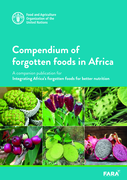
The Food and Agriculture Organization of the United Nations has launched a new Compendium of forgotten foods in Africa which is a first-of-its-kind comprehensive collection of 100 African forgotten food crops.
Also referred to as neglected, underutilized or orphan crops, these species offer valua
...
ble benefits, including nutrition and diet diversification, while supporting resilient, climate-smart agriculture but they are at risk of being lost as foods such as maize, rice and wheat dominate African diets.
The compendium list includes details on each crop's botanical classification, agroecological suitability, agronomic requirements, traditional and medicinal uses, value-added prospects and nutritional content. Among the entries are: African locust beans, African nightshade, baobab, Bambara nut, bush mango, cassava, fonio, marula, moringa, teff and tigernut.
Produced by the Food and Agriculture Organization (FAO)'s Regional Office for Africa with the Forum for Agricultural Research in Africa (FARA), the Compendium is a direct response to the UN Food Systems Summit and the Call for Collective Action in the Global Manifesto on Forgotten Foods.
Embracing both agricultural heritage and innovation can transform agrifood systems across Africa. By cataloguing these forgotten or underutilized crops, traditional knowledge is being honoured in the push to unlock the potential for better nutrition, sustainable agriculture, and resilience against the climate crisis.
In a joint foreword to the publication, FAO Assistant Director-General and Regional Representative for Africa Abebe Haile-Gabriel and FARA Executive Director Aggrey Agumya urged the mainstreaming of forgotten foods into African agrifood systems.
more

One of the main aims of the WHO Global Initiative for Childhood Cancer and the CureAll Americas framework is to strengthen centers of excellence and promote the training of the health workforce, especially pediatric oncology nurses, specialized in nursing care for children and adolescents with cance
...
r and their families. These health personnel provide compassionate, non traumatic, complex, continuous, ethical, conscious patient- and family-centered care in order to meet the physical, emotional, psychosocial, and cultural needs of the people involved. This publication is aimed at health administration teams, hospital management teams, and professional pediatric oncology nursing groups. Its objective is to identify, systematize, and consolidate available evidence on the scope of pediatric oncology nursing practice in Latin America and the Caribbean based on core competencies, in order to incorporate them into clinical practice, teaching, and research. The preparation process included a systematic review aimed at finding the best evidence on this subject. Patient- and family centered care and the conceptual model of competencies for teenagers and young adults with cancer, developed by the Teenage Cancer Trust with the support of the Royal College of Nursing, were the theoretical foundations supporting the systematization of recommendations.
more
Diabetes mellitus, commonly known as diabetes, is a group of metabolic disorders characterized by the presence of hyperglycaemia in the absence of treatment. The heterogeneous aetiopathology includes defects in insulin secretion, insulin action, or both. The long-term specific complications of diabe
...
tes include retinopathy, nephropathy, and neuropathy. People with diabetes are also at increased risk of other diseases, including cardiac, peripheral arterial and cerebrovascular disease, cataracts, erectile dysfunction, and nonalcoholic fatty liver disease. They are also at an increased risk of some infectious diseases such as tuberculosis, and are likely to experience poorer outcomes.
more

The workshop aimed to support countries in the prioritization and acceleration of NCD prevention and management with a specific focus on accelerating the prevention and control of hypertension and diabetes, identifying the most impactful NCD interventions within their context, closing the gaps in ca
...
ncer care services through regional collaboration and integrating NCD services in when responding to emergencies.
more
