
Filter
2909
Text search:
mental
health
intervention
Featured
348
610
Language
2633
154
110
77
40
26
24
21
12
6
5
4
4
4
4
4
3
3
3
3
3
3
3
3
2
2
2
2
2
2
2
2
1
1
1
1
1
1
1
1
1
1
1
1
1
1
1
1
1
1
Document type
1653
428
384
189
111
70
35
16
13
7
2
1
Countries
140
122
78
75
70
48
46
44
43
39
38
37
36
36
35
33
30
30
30
27
27
26
26
23
22
21
17
17
16
16
15
14
13
12
11
11
11
11
11
10
10
10
9
9
9
8
8
8
7
7
7
6
6
6
6
6
5
5
5
5
5
5
5
5
4
4
4
4
3
3
3
3
3
3
2
2
2
2
2
2
2
2
2
2
2
2
2
2
2
1
1
1
1
1
1
1
1
1
1
1
1
1
1
1
1
1
1
1
1
1
1
1
1
1
1
1
1
1
1
1
1
1
1
1
Authors & Publishers
396
132
118
108
91
85
65
51
24
22
22
21
20
19
19
18
17
17
16
13
13
12
12
12
11
11
10
10
10
9
9
9
9
9
9
8
8
8
8
8
8
8
8
7
7
7
7
7
6
6
6
6
6
6
6
6
6
6
6
6
6
6
6
6
5
5
5
5
5
5
5
5
5
5
5
5
5
5
5
5
5
5
5
5
5
5
5
5
5
5
5
5
4
4
4
4
4
4
4
4
4
4
4
4
4
4
4
4
4
4
4
4
4
4
4
4
4
4
4
4
4
4
4
4
4
3
3
3
3
3
3
3
3
3
3
3
3
3
3
3
3
3
3
3
3
3
3
3
3
3
3
3
3
3
3
3
3
3
3
3
3
3
3
3
3
3
3
3
3
3
3
3
3
3
3
3
3
3
3
3
3
3
3
3
3
3
3
3
3
3
3
3
3
3
3
3
3
2
2
2
2
2
2
2
2
2
2
2
2
2
2
2
2
2
2
2
2
2
2
2
2
2
2
2
2
2
2
2
2
2
2
2
2
2
2
2
2
2
2
2
2
2
2
2
2
2
2
2
2
2
2
2
2
2
2
2
2
2
2
2
2
2
2
2
2
2
2
2
2
2
2
2
2
2
2
2
2
2
2
2
2
2
2
2
2
2
2
2
2
2
2
2
2
2
2
2
2
2
2
2
2
2
2
2
2
2
2
2
2
2
2
2
2
2
2
2
2
2
2
2
2
2
2
2
2
2
2
2
2
2
2
2
2
2
2
2
2
2
2
2
2
2
2
2
2
2
2
2
2
2
2
2
2
2
2
2
2
2
2
2
2
2
2
2
2
2
2
2
2
2
2
2
2
2
2
2
2
2
2
2
2
2
2
2
2
2
2
2
2
2
2
1
1
1
1
1
1
1
1
1
1
1
1
1
1
1
1
1
1
1
1
1
1
1
1
1
1
1
1
1
1
1
1
1
1
1
1
1
1
1
1
1
1
1
1
1
1
1
1
1
1
1
1
1
1
1
1
1
1
1
1
1
1
1
1
1
1
1
1
1
1
1
1
1
1
1
1
1
1
1
1
1
1
1
1
1
1
1
1
1
1
1
1
1
1
1
1
1
1
1
1
1
1
1
1
1
1
1
1
1
1
1
1
1
1
1
1
1
1
1
1
1
1
1
1
1
1
1
1
1
1
1
1
1
1
1
1
1
1
1
1
1
1
1
1
1
1
1
1
1
1
1
1
1
1
1
1
1
1
1
1
1
1
1
1
1
1
1
1
1
1
1
1
1
1
1
1
1
1
1
1
1
1
1
1
1
1
1
1
1
1
1
1
1
1
1
1
1
1
1
1
1
1
1
1
1
1
1
1
1
1
1
1
1
1
1
1
1
1
1
1
1
1
1
1
1
1
1
1
1
1
1
1
1
1
1
1
1
1
1
1
1
1
1
1
1
1
1
1
1
1
1
1
1
1
1
1
1
1
1
1
1
1
1
1
1
1
1
1
1
1
1
1
1
1
1
1
1
1
1
1
1
1
1
1
1
1
1
1
1
1
1
1
1
1
1
1
1
1
1
1
1
1
1
1
1
1
1
1
1
1
1
1
1
1
1
1
1
1
1
1
1
1
1
1
1
1
1
1
1
1
1
1
1
1
1
1
1
1
1
1
1
1
1
1
1
1
1
1
1
1
1
1
1
1
1
1
1
1
1
1
1
1
1
1
1
1
1
1
1
1
1
1
1
1
1
1
1
1
1
1
1
1
1
1
1
1
1
1
1
1
1
1
1
1
1
1
1
1
1
1
1
1
1
1
1
1
1
1
1
1
1
1
1
1
1
1
1
1
1
1
1
1
1
1
1
1
1
1
1
1
1
1
1
1
1
1
1
1
1
1
1
1
1
1
1
1
1
1
1
1
1
1
1
1
1
1
1
1
1
1
1
1
1
1
1
1
1
1
1
1
1
1
1
1
1
1
1
1
1
1
1
1
1
1
1
1
1
1
1
1
1
1
1
1
1
1
1
1
1
1
1
1
1
1
1
1
1
1
1
1
1
1
1
1
1
1
1
1
1
1
1
1
1
1
1
1
1
1
1
1
1
1
1
1
1
1
1
1
1
1
1
1
1
1
1
1
1
1
1
1
1
1
1
1
1
1
1
1
1
1
1
1
1
1
1
1
1
1
1
1
1
1
1
1
1
1
1
1
1
1
1
1
1
1
1
1
1
1
1
1
1
1
1
1
1
1
1
1
1
1
1
1
1
1
1
1
1
1
1
1
1
1
1
1
1
1
1
1
1
1
1
1
1
1
1
1
1
1
1
1
1
1
1
1
1
1
1
1
1
1
1
1
1
1
1
1
1
1
1
1
1
1
1
1
1
1
1
1
1
1
1
1
1
1
1
1
1
1
1
1
1
1
1
1
1
1
1
1
1
1
1
1
1
1
1
1
1
1
1
1
1
1
1
1
1
1
1
1
1
1
1
1
1
1
1
1
1
1
1
1
1
1
1
1
1
1
1
1
1
1
1
1
1
1
1
1
1
1
1
1
1
1
1
1
1
1
1
1
1
1
1
1
1
1
1
1
1
1
1
1
1
1
1
1
1
1
1
1
1
1
1
1
1
1
1
1
1
1
1
1
1
1
1
1
1
1
1
1
1
1
1
1
1
1
1
1
1
1
1
1
1
1
1
1
1
1
1
1
1
1
1
1
1
1
1
1
1
1
1
1
1
1
1
1
1
1
1
1
1
1
1
1
1
1
1
1
1
1
1
1
1
1
1
1
1
1
1
1
1
1
1
1
1
1
1
1
1
1
1
1
1
1
1
1
1
1
1
1
1
1
1
1
1
1
1
1
1
1
1
1
1
1
1
1
1
1
1
1
1
1
1
1
1
1
1
1
1
1
1
1
1
1
1
1
1
1
1
1
1
1
1
1
1
1
1
1
1
1
1
1
1
1
1
1
1
1
1
1
1
1
1
1
1
1
1
1
1
1
1
1
1
1
1
1
1
1
1
1
1
1
1
1
1
1
1
1
1
1
1
1
1
1
1
1
1
1
1
1
1
1
1
1
1
1
1
1
1
1
1
1
1
1
1
1
1
1
1
1
1
1
1
1
1
1
1
1
1
1
1
1
1
1
1
1
1
1
1
1
1
1
1
1
1
1
1
1
1
1
1
1
1
1
1
1
1
1
1
1
1
1
1
1
1
1
1
1
1
1
1
1
1
1
1
1
1
1
1
1
1
1
1
1
1
1
1
1
1
1
1
1
1
1
1
1
1
1
1
1
1
1
1
1
1
1
1
1
1
1
1
1
1
1
1
1
1
1
1
1
1
1
1
1
1
1
1
1
1
1
1
1
1
1
1
1
1
1
1
1
1
1
1
1
1
1
1
1
1
1
1
1
1
1
1
1
1
1
1
1
1
1
1
1
1
1
1
1
1
1
1
1
1
1
1
1
1
1
1
1
1
1
1
1
1
1
1
1
1
1
1
1
1
1
1
1
1
1
1
1
1
1
1
1
1
1
1
1
1
1
1
1
1
1
1
1
1
1
1
1
1
1
1
1
1
1
1
1
1
1
1
1
1
1
1
1
1
1
1
1
1
1
1
1
1
1
1
1
1
1
1
1
1
1
1
1
1
1
1
1
1
1
1
1
1
1
1
1
1
1
1
1
1
1
1
1
1
1
1
1
1
1
1
1
1
1
1
1
1
1
1
1
1
1
1
1
1
1
1
1
1
1
1
1
1
1
1
1
1
1
1
1
1
1
1
1
1
1
1
1
1
1
1
1
1
1
1
1
1
1
1
1
1
1
1
1
1
1
1
1
1
1
1
1
1
1
1
1
1
1
1
1
1
1
1
1
1
1
1
1
1
1
1
1
1
1
1
1
1
1
1
1
1
1
1
1
1
1
1
1
1
1
1
1
1
1
1
1
1
1
1
1
1
1
1
1
1
1
1
1
1
1
1
1
1
1
1
1
1
1
1
1
1
1
1
1
1
1
1
1
1
1
1
1
1
1
1
1
1
1
1
1
1
1
1
1
1
1
1
1
1
1
1
1
1
1
1
1
1
1
1
1
1
1
1
1
1
1
1
1
1
1
1
1
1
1
1
1
1
1
1
1
1
1
1
1
1
1
1
1
1
1
1
1
1
1
1
1
1
1
1
1
1
1
1
1
1
1
1
1
1
1
1
1
1
1
1
1
1
1
1
1
1
1
1
1
1
1
1
1
1
1
1
1
1
1
1
1
1
1
1
1
1
1
1
1
1
1
1
1
1
1
1
1
1
1
1
1
1
1
1
1
1
1
1
1
1
1
1
1
1
1
1
1
1
1
1
1
1
1
1
1
1
1
1
1
1
1
1
1
1
1
1
1
1
1
1
1
1
1
1
1
1
1
1
1
1
1
1
1
1
1
1
1
1
1
1
1
1
1
1
1
1
1
1
1
1
1
1
1
1
1
1
1
1
1
1
1
1
1
1
1
1
1
1
1
1
1
1
1
1
1
1
1
1
1
1
1
1
1
1
1
1
1
1
1
1
1
1
1
1
1
1
1
1
1
1
1
1
1
1
1
1
1
1
1
1
1
1
1
1
1
1
1
1
1
1
1
1
1
1
1
1
1
1
1
1
1
1
1
1
1
1
1
1
1
1
1
1
1
1
1
1
1
1
1
1
1
1
1
1
1
1
1
1
1
1
1
1
1
1
1
1
1
1
1
1
1
1
1
1
1
1
1
1
1
1
1
1
1
1
1
1
1
1
1
1
1
1
1
1
1
1
1
1
1
1
1
1
1
1
1
1
1
1
1
1
1
1
1
1
1
1
1
1
1
1
1
1
1
1
1
1
1
1
1
1
1
1
1
1
1
1
1
1
1
1
1
1
1
1
1
1
1
1
1
1
1
1
1
1
1
1
1
1
1
1
1
1
1
1
1
1
1
1
1
1
1
1
1
1
1
1
1
1
1
1
1
1
1
1
1
1
1
1
1
1
1
1
1
1
1
1
1
1
1
1
1
1
1
1
1
1
1
1
1
1
1
1
1
1
1
1
1
1
1
1
1
1
1
1
1
1
1
1
1
1
1
1
1
1
1
1
1
1
1
1
1
1
1
1
1
1
1
1
1
1
1
1
1
1
1
1
1
1
1
1
1
1
1
1
1
1
1
1
1
1
1
1
1
1
1
1
1
1
1
1
1
1
1
1
1
1
1
1
1
1
1
1
1
1
1
1
1
1
1
1
1
1
1
1
1
1
1
1
1
1
1
1
1
1
1
1
1
1
1
1
1
1
1
1
1
1
1
1
1
1
1
1
1
1
1
1
1
1
1
1
1
1
1
1
1
1
1
1
1
1
1
1
1
1
1
1
1
1
1
1
1
1
1
1
1
1
1
1
1
1
1
1
1
1
1
1
1
1
1
1
1
1
1
1
1
1
1
1
1
1
1
1
1
1
1
1
1
1
1
1
1
1
1
1
1
1
1
1
1
1
1
1
1
1
1
1
1
1
1
1
1
1
1
1
1
1
1
1
1
1
1
1
1
1
1
1
1
1
1
1
1
1
1
1
1
1
1
1
1
1
1
1
1
1
1
1
1
1
1
1
1
1
1
1
1
1
1
1
1
1
1
1
1
1
1
1
1
1
1
1
1
1
1
Publication Years
851
1774
276
8
Category
920
182
177
171
148
57
7
1
Toolboxes
779
215
209
111
102
93
86
71
66
64
51
50
46
38
21
21
16
14
13
12
7
7
6
4
2
2

Noncommunicable diseases (NCDs) such as cancer, cardiovascular diseases, diabetes and chronic respiratory diseases and their risk factors are an increasing public health and development challenge in Kyrgyzstan. This report provides evidence th
...
rough three analyses that NCDs reduce economic output and discusses potential options in response, outlining details of their relative returns on investment. An economic burden analysis shows that economic losses from NCDs are equivalent to 3.9% of gross domestic product. An intervention costing analysis provides an estimate of the funding required to implement a set of policy interventions for prevention and clinical interventions. A cost–benefit analysis compares these implementation costs with the estimated health gains and identifies which policy packages would give the greatest returns on investment.
more
Background
Noncommunicable diseases are major contributors to morbidity and mortality worldwide. Modifying the risk factors for these conditions, such as physical inactivity, is thus essential. Addressing the context or circumstances in which physical activity occurs may promote physical activity a
...
t a population level. We assessed the effects of infrastructure, policy or regulatory interventions for increasing physical activity.
Methods
We searched PubMed, Embase and clinicaltrials.gov to identify randomised controlled trials (RCTs), controlled before-after (CBAs) studies, and interrupted time series (ITS) studies assessing population-level infrastructure or policy and regulatory interventions to increase physical activity. We were interested in the effects of these interventions on physical activity, body weight and related measures, blood pressure, and CVD and type 2 diabetes morbidity and mortality, and on other secondary outcomes. Screening and data extraction was done in duplicate, with risk of bias was using an adapted Cochrane risk of bias tool. Due to high levels of heterogeneity, we synthesised the evidence based on effect direction.
Results
We included 33 studies, mostly conducted in high-income countries. Of these, 13 assessed infrastructure changes to green or other spaces to promote physical activity and 18 infrastructure changes to promote active transport. The effects of identified interventions on physical activity, body weight and blood pressure varied across studies (very low certainty evidence); thus, we remain very uncertain about the effects of these interventions. Two studies assessed the effects of policy and regulatory interventions; one provided free access to physical activity facilities and showed that it may have beneficial effects on physical activity (low certainty evidence). The other provided free bus travel for youth, with intervention effects varying across studies (very low certainty evidence).
Conclusions
Evidence from 33 studies assessing infrastructure, policy and regulatory interventions for increasing physical activity showed varying results. The certainty of the evidence was mostly very low, due to study designs included and inconsistent findings between studies. Despite this drawback, the evidence indicates that providing access to physical activity facilities may be beneficial; however this finding is based on only one study. Implementation of these interventions requires full consideration of contextual factors, especially in low resource settings.
more
A Manual for Delivery of PASS by a Non-Specialist Facilitator
Adolescence, defined as the period between 10 and 19 years of age, is a developmental stage during which many psychosocial
and mental health challenges emerge (1). Studies show that 34.6% of all
...
mental health disorders begin by 14 years of age and 62.5% by 25 years (2). More broadly, adolescents are also navigating the transition to adulthood, exploring their autonomy and identity as they undergo rapid physical and social changes. In the context of
these significant developmental, physical and social shifts, mental health needs may increase, even for adolescents and young people with no diagnosis.
more

This manual provides information and guidance for individuals concerned with the mental health needs of children who experience major disasters. This background, training, and experience will vary a
...
nd may include health and mental health professionals, professional and paraprofessional social service personnel, school and daycare personnel, clergy, volunteers, and parents.
more
Mental health and psychosocial considerations during the COVID-19 outbreak
Children’s mental health is top concern for Ukrainian parents, new World Vision report finds; Studies show 22 per cent of people in conflict zones suffer
...
mental disorders; Prevention programs must be urgently prioritised
more
A Program To Improve The Care For Patients With Common Mental Disorders In Primary Health Care.
The essence of the MANAS model is to shift menta
...
l health care from mental health specialists to primarycare doctors and lay HCs (someone similar to other more widely available health workers) working as aprimary care team to improve the coverage and efficiency in treating CMD. This manual has been prepared based on the experience gained through the MANAS program and incorporates feedback from doctors who were involved in the program implementation. It outlines the details of the MANAS model and provides information on treatments that are relevant to doctors working in Primary Health Clinics
more
Download (2.4 MB)
Overview
Early Adolescent Skills for Emotions (EASE) is an evidence-based group psychological intervention to help 10–15-year-olds affected by internalizing problems (e.g. stress and symptoms of anxiety, depression) in communit
...
ies exposed to adversity. Published by the World Health Organization (WHO) and United Nations Children’s Fund (UNICEF), EASE aims to support adolescents and their caregivers with skills to reduce distress. The intervention consists of 7 group sessions for adolescents and 3 additional group sessions for their caregivers. It is based on adapted aspects from Cognitive Behavioral Therapy and has been designed to be suitable for delivery by trained and supervised non-specialist helpers.
more

WHO mhGAP Guideline update
recommended
Update of the Mental Health Gap Action Programme
(mhGAP) Guideline for Mental, Neurological and Substance use Disorders May 2015

Сборник научных статей по материалам Конгресса ≪Психическое здоровье человека XXI века≫
recommended
Союз охраны психического здоровья, Issa, world council for psychotheraphy et al.
Союз охраны психического здоровья, Issa, world council for psychotheraphy et al.
(2016)
C2
В сборнике представлены статьи специалистов в сфере охраны психического здоровья по различным академическим дисциплинам, включая общую медицину, психиатрию, псиÑ
...
…отерапию, психологию, социологию, педагогику, юриспруденцию, экономику, спорт, по материалам Конгресса ≪Психическое здоровье человека XXI века≫, который состоялся 7–8 октября 2016 г. в Москве.
The collection of scientific papers is collected from different areas of scientific knowledge, including general medicine, psychiatry, psychotherapy, psychology, social policy, education, law, economics and sport. The publication contains materials that were delivered to the Organizing Committee of the Congress on Mental Health: Meeting the Needs of the XXI Century. The collection is intended for researchers and practitioners acting in the field of the mental health care.
more
The Premium Counselling Relationship Manual
N. Chowdhary, H. Dabholkar; R. Velleman, et al.
Sangath; London School of Hygiene & Tropical Medicine
(2013)
CC
his manual is for people who have had no formal training in counselling but wish to learn the necessary components to establishing an effective counselling relationship. It will be useful for anyone who is involved in counselling people with a
...
mental health problem.
his manual aims at providing counsellors with information about the basic skills required in counselling in a practical and simple to understand format. It is meant to accompany the Healthy Activity Program (HAP) and Counselling for Alcohol Problems (CAP) manuals for counselling patients with depression and harmful/dependent drinking in primary care settings.
more
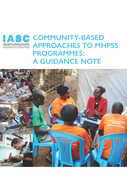
Community-based approaches to Mental Health and Psychosocial Support (CB MHPSS) in emergencies are based on the understanding that communities can be drivers for their own care and change and s
...
hould be meaningfully involved in all stages of MHPSS responses. Emergency-affected people are first and foremost to be viewed as active participants in improving individual and collective well-being, rather than as passive recipients of services that are designed for them by others. Thus, using community-based MHPSS approaches facilitates families, groups and communities to support and care for others in ways that encourage recovery and resilience. These approaches also contribute to restoring and/or strengthening those collective structures and systems essential to daily life and well-being. An understanding of systems should inform community-based approaches to MHPSS programmes for both individuals and communities.
more
Prevention of Depression and Promotion of Resilience. Consensus Paper
Pim Cuijpers, Laura Shields-Zeeman, Bethany Hipple Walters, Ionela Petrea
European Union EU
(2016)
CC
EU Compass for Action on Mental Health and Well-being
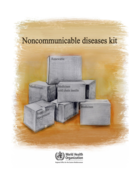
WHO has developed a new health kit to support treatment for chronic disease patients in emergency settings. The prevalence of NCDs is increasing worldwide, including in emergency/crisis-prone areas. Yet current humanitarian response has not accounte
...
d for this emerging burden. The NCD kit attends to cover this gap by providing essential medicines and medical devices for the management of hypertension and cardiac conditions, diabetes and endocrine conditions, chronic respiratory diseases, and mental health and neurological conditions and neurological conditions for outpatient care in primary health care settings.
more

Infectious diseases, such as COVID-19, can have a significant impact on children’s and their caregivers’
wellbeing beyond the disease itself. In terms of child protection, there are three main potential
secondary impacts:
- Neglect and lack of parental care.
-
...
Mental health and Psychosocial distress.
- Increased exposure to violence, including sexual violence, physical and emotional abuse.
more
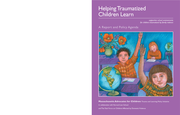
"Helping Traumatized Children Learn is the result of an extraordinary collaboration among educators, parents, mental health professionals, community groups, and attorneys determined to help children
...
experiencing the traumatic effects of exposure to family violence succeed in school."
more

Int J Bipolar Disord (2018) 6:6 https://doi.org/10.1186/s40345‑017‑0110‑8
In 2001, the WHO stated that: "The use of mobile and wireless technologies to support the achievement of health objectives (mHealth) has the potential to transform th
...
e face of health service delivery across the globe". Within mental health, interventions and monitoring systems for depression, anxiety, substance abuse, eating disorder, schizophrenia and bipolar disorder have been developed and used. The present paper presents the status and findings from studies using automatically generated objective smartphone data in the monitoring of bipolar disorder, and addresses considerations on the current literature and methodological as well as clinical aspects to consider in the future studies.
more

the Pocket Guide includes
information on HIV clinical care; growth and development; mental health; child protection;
counselling and communication; disclosure; loss, grief, and bereavement; adhere
...
nce; sexual
and reproductive health; transition of care; support systems; and monitoring and evaluation
of psychosocial services. The information provided in this Pocket Guide aims to serve as a
convenient clinical resource to equip health care providers (HCPs) with knowledge and skills
that will help them to maximise resiliency, minimise risk factors, and promote positive personal
growth among the children and adolescents they care for who are living with and affected
by HIV.
more

a comprehensive guide
for the HCPs who work in counselling and psychological care of children and adoles-
cents. The Handbook includes information on HIV clinical care; growth and development;
mental he
...
alth; child protection; counselling and communication; disclosure; loss, grief,
and bereavement; adherence; sexual and reproductive health; transition of care; support
systems; and monitoring and evaluation of psychosocial services. The material provided
in the Handbook aims to equip HCPs with important information that will help them to
maximise resiliency, minimise risk factors, and promote positive personal growth among
the children and adolescents they care for who are living with or affected by HIV.
more
