
Filter
4175
Text search:
community
engagement
Featured
393
1091
Language
3932
191
86
65
56
46
43
28
7
4
3
3
3
2
2
2
2
2
2
2
2
2
2
2
1
1
1
1
1
1
1
1
1
1
1
1
1
1
1
1
Document type
1816
866
614
313
293
88
72
67
18
8
7
6
1
1
Countries
245
120
104
99
95
94
93
85
80
78
75
73
72
70
58
57
51
50
46
45
45
45
40
40
38
35
34
34
34
33
33
31
30
28
28
27
27
25
24
23
22
21
21
20
19
17
17
17
17
15
14
14
14
13
13
12
12
11
11
11
11
10
10
9
9
9
8
8
8
7
7
7
6
6
6
6
6
5
5
5
4
4
4
4
4
4
4
3
3
3
3
3
3
3
3
3
3
3
3
3
2
2
2
2
2
2
2
2
2
2
2
2
2
1
1
1
1
1
1
1
1
1
1
1
1
1
1
1
1
1
1
1
1
1
1
1
1
1
1
1
1
1
1
1
1
1
1
1
1
Authors & Publishers
694
129
109
103
102
99
63
57
50
39
33
33
31
29
28
28
26
24
24
24
21
20
19
19
18
18
18
17
17
17
16
15
15
15
14
14
14
13
12
12
12
12
11
11
11
10
10
10
10
10
10
10
9
9
9
9
9
8
8
8
8
8
8
8
8
8
8
8
7
7
7
7
7
7
7
7
6
6
6
6
6
6
6
6
6
6
6
6
6
6
6
6
6
5
5
5
5
5
5
5
5
5
5
5
5
5
5
5
5
5
5
5
5
5
5
5
5
5
5
4
4
4
4
4
4
4
4
4
4
4
4
4
4
4
4
4
4
4
4
4
4
4
4
4
4
4
4
4
4
4
4
4
4
4
4
4
4
4
4
4
4
4
4
4
4
3
3
3
3
3
3
3
3
3
3
3
3
3
3
3
3
3
3
3
3
3
3
3
3
3
3
3
3
3
3
3
3
3
3
3
3
3
3
3
3
3
3
3
3
3
3
3
3
3
3
3
3
3
3
3
3
3
3
3
3
3
3
3
3
3
3
3
3
3
3
3
3
3
3
3
3
3
3
3
3
2
2
2
2
2
2
2
2
2
2
2
2
2
2
2
2
2
2
2
2
2
2
2
2
2
2
2
2
2
2
2
2
2
2
2
2
2
2
2
2
2
2
2
2
2
2
2
2
2
2
2
2
2
2
2
2
2
2
2
2
2
2
2
2
2
2
2
2
2
2
2
2
2
2
2
2
2
2
2
2
2
2
2
2
2
2
2
2
2
2
2
2
2
2
2
2
2
2
2
2
2
2
2
2
2
2
2
2
2
2
2
2
2
2
2
2
2
2
2
2
2
2
2
2
2
2
2
2
2
2
2
2
2
2
2
2
2
2
2
2
2
2
2
2
2
2
2
2
2
2
2
2
2
2
2
2
2
2
2
2
2
2
2
2
2
2
2
2
2
2
2
2
2
2
2
2
2
2
2
2
2
2
2
2
2
2
2
2
2
2
2
2
2
2
2
2
2
2
2
2
2
2
2
2
2
2
2
2
2
2
2
2
2
2
2
2
2
2
2
2
2
2
2
2
2
2
2
2
2
2
2
2
2
1
1
1
1
1
1
1
1
1
1
1
1
1
1
1
1
1
1
1
1
1
1
1
1
1
1
1
1
1
1
1
1
1
1
1
1
1
1
1
1
1
1
1
1
1
1
1
1
1
1
1
1
1
1
1
1
1
1
1
1
1
1
1
1
1
1
1
1
1
1
1
1
1
1
1
1
1
1
1
1
1
1
1
1
1
1
1
1
1
1
1
1
1
1
1
1
1
1
1
1
1
1
1
1
1
1
1
1
1
1
1
1
1
1
1
1
1
1
1
1
1
1
1
1
1
1
1
1
1
1
1
1
1
1
1
1
1
1
1
1
1
1
1
1
1
1
1
1
1
1
1
1
1
1
1
1
1
1
1
1
1
1
1
1
1
1
1
1
1
1
1
1
1
1
1
1
1
1
1
1
1
1
1
1
1
1
1
1
1
1
1
1
1
1
1
1
1
1
1
1
1
1
1
1
1
1
1
1
1
1
1
1
1
1
1
1
1
1
1
1
1
1
1
1
1
1
1
1
1
1
1
1
1
1
1
1
1
1
1
1
1
1
1
1
1
1
1
1
1
1
1
1
1
1
1
1
1
1
1
1
1
1
1
1
1
1
1
1
1
1
1
1
1
1
1
1
1
1
1
1
1
1
1
1
1
1
1
1
1
1
1
1
1
1
1
1
1
1
1
1
1
1
1
1
1
1
1
1
1
1
1
1
1
1
1
1
1
1
1
1
1
1
1
1
1
1
1
1
1
1
1
1
1
1
1
1
1
1
1
1
1
1
1
1
1
1
1
1
1
1
1
1
1
1
1
1
1
1
1
1
1
1
1
1
1
1
1
1
1
1
1
1
1
1
1
1
1
1
1
1
1
1
1
1
1
1
1
1
1
1
1
1
1
1
1
1
1
1
1
1
1
1
1
1
1
1
1
1
1
1
1
1
1
1
1
1
1
1
1
1
1
1
1
1
1
1
1
1
1
1
1
1
1
1
1
1
1
1
1
1
1
1
1
1
1
1
1
1
1
1
1
1
1
1
1
1
1
1
1
1
1
1
1
1
1
1
1
1
1
1
1
1
1
1
1
1
1
1
1
1
1
1
1
1
1
1
1
1
1
1
1
1
1
1
1
1
1
1
1
1
1
1
1
1
1
1
1
1
1
1
1
1
1
1
1
1
1
1
1
1
1
1
1
1
1
1
1
1
1
1
1
1
1
1
1
1
1
1
1
1
1
1
1
1
1
1
1
1
1
1
1
1
1
1
1
1
1
1
1
1
1
1
1
1
1
1
1
1
1
1
1
1
1
1
1
1
1
1
1
1
1
1
1
1
1
1
1
1
1
1
1
1
1
1
1
1
1
1
1
1
1
1
1
1
1
1
1
1
1
1
1
1
1
1
1
1
1
1
1
1
1
1
1
1
1
1
1
1
1
1
1
1
1
1
1
1
1
1
1
1
1
1
1
1
1
1
1
1
1
1
1
1
1
1
1
1
1
1
1
1
1
1
1
1
1
1
1
1
1
1
1
1
1
1
1
1
1
1
1
1
1
1
1
1
1
1
1
1
1
1
1
1
1
1
1
1
1
1
1
1
1
1
1
1
1
1
1
1
1
1
1
1
1
1
1
1
1
1
1
1
1
1
1
1
1
1
1
1
1
1
1
1
1
1
1
1
1
1
1
1
1
1
1
1
1
1
1
1
1
1
1
1
1
1
1
1
1
1
1
1
1
1
1
1
1
1
1
1
1
1
1
1
1
1
1
1
1
1
1
1
1
1
1
1
1
1
1
1
1
1
1
1
1
1
1
1
1
1
1
1
1
1
1
1
1
1
1
1
1
1
1
1
1
1
1
1
1
1
1
1
1
1
1
1
1
1
1
1
1
1
1
1
1
1
1
1
1
1
1
1
1
1
1
1
1
1
1
1
1
1
1
1
1
1
1
1
1
1
1
1
1
1
1
1
1
1
1
1
1
1
1
1
1
1
1
1
1
1
1
1
1
1
1
1
1
1
1
1
1
1
1
1
1
1
1
1
1
1
1
1
1
1
1
1
1
1
1
1
1
1
1
1
1
1
1
1
1
1
1
1
1
1
1
1
1
1
1
1
1
1
1
1
1
1
1
1
1
1
1
1
1
1
1
1
1
1
1
1
1
1
1
1
1
1
1
1
1
1
1
1
1
1
1
1
1
1
1
1
1
1
1
1
1
1
1
1
1
1
1
1
1
1
1
1
1
1
1
1
1
1
1
1
1
1
1
1
1
1
1
1
1
1
1
1
1
1
1
1
1
1
1
1
1
1
1
1
1
1
1
1
1
1
1
1
1
1
1
1
1
1
1
1
1
1
1
1
1
1
1
1
1
1
1
1
1
1
1
1
1
1
1
1
1
1
1
1
1
1
1
1
1
1
1
1
1
1
1
1
1
1
1
1
1
1
1
1
1
1
1
1
1
1
1
1
1
1
1
1
1
1
1
1
1
1
1
1
1
1
1
1
1
1
1
1
1
1
1
1
1
1
1
1
1
1
1
1
1
1
1
1
1
1
1
1
1
1
1
1
1
1
1
1
1
1
1
1
1
1
1
1
1
1
1
1
1
1
1
1
1
1
1
1
1
1
1
1
1
1
1
1
1
1
1
1
1
1
1
1
1
1
1
1
1
1
1
1
1
1
1
1
1
1
1
1
1
1
1
1
1
1
1
1
1
1
1
1
1
1
1
1
1
1
1
1
1
1
1
1
1
1
1
1
1
1
1
1
1
1
1
1
1
1
1
1
1
1
1
1
1
1
1
1
1
1
1
1
1
1
1
1
1
1
1
1
1
1
1
1
1
1
1
1
1
1
1
1
1
1
1
1
1
1
1
1
1
1
1
1
1
1
1
1
1
1
1
1
1
1
1
1
1
1
1
1
1
1
1
1
1
1
1
1
1
1
1
1
1
1
1
1
1
1
1
1
1
1
1
1
1
1
1
1
1
1
1
1
1
1
1
1
1
1
1
1
1
1
1
1
1
1
1
1
1
1
1
1
1
1
1
1
1
1
1
1
1
1
1
1
1
1
1
1
1
1
1
1
1
1
1
1
1
1
1
1
1
1
1
1
1
1
1
1
1
1
1
1
1
1
1
1
1
1
1
1
1
1
1
1
1
1
1
1
1
1
1
1
1
1
1
1
1
1
1
1
1
1
1
1
1
1
1
1
1
1
1
1
1
1
1
1
1
1
1
1
1
1
1
1
1
1
1
1
1
1
1
1
1
1
1
1
1
1
1
1
1
1
1
1
1
1
1
1
1
1
1
1
1
1
1
1
1
1
1
1
1
1
1
1
1
1
1
1
1
1
1
1
1
1
1
1
1
1
1
1
1
1
1
1
1
1
1
1
1
1
1
1
1
1
1
1
1
1
1
1
1
1
1
1
1
1
1
1
1
1
1
1
1
1
1
1
1
1
1
1
1
1
1
1
1
1
1
1
1
1
1
1
1
1
1
1
1
1
1
1
1
1
1
1
1
1
1
1
1
1
1
1
1
1
1
1
1
1
1
1
1
1
1
1
1
1
1
1
1
1
1
1
1
1
1
1
1
1
1
1
1
1
1
1
1
1
1
1
1
1
1
1
1
1
1
1
1
1
1
1
1
1
1
1
1
1
1
1
1
1
1
1
1
1
1
1
1
1
1
1
1
1
1
1
1
1
1
1
1
1
1
1
1
1
1
1
1
1
1
1
1
1
1
1
1
1
1
1
1
1
1
1
1
1
1
1
1
1
1
1
1
1
1
1
1
1
1
1
1
1
1
1
1
1
1
1
1
1
1
1
1
1
1
1
1
1
1
1
1
1
1
1
1
1
1
1
1
1
1
1
1
1
1
1
1
1
1
1
1
1
1
1
1
1
1
1
1
1
1
1
1
1
1
1
1
1
1
1
1
1
1
1
1
1
1
1
1
1
1
1
1
1
1
1
1
1
1
1
1
1
1
1
1
1
1
1
1
1
1
1
1
1
1
1
1
1
1
1
1
1
1
1
1
1
1
1
1
1
1
1
1
1
1
1
1
1
1
1
1
1
1
1
1
1
1
1
1
1
1
1
1
1
1
1
1
1
1
1
1
1
1
1
1
1
1
1
1
1
1
1
1
1
1
1
1
1
1
1
1
1
1
1
1
1
1
1
1
1
1
1
1
1
1
1
1
1
1
1
1
1
1
1
1
1
1
1
1
1
1
1
1
1
1
1
1
1
1
1
1
1
1
1
1
1
1
1
1
1
1
1
1
1
1
1
1
1
1
1
1
1
1
1
1
1
1
1
1
1
1
1
1
1
1
1
1
1
1
1
1
1
1
1
1
1
1
1
1
1
1
1
1
1
1
1
1
1
1
1
1
1
1
1
1
1
1
1
1
1
1
1
1
1
1
1
1
1
1
1
1
1
1
1
1
1
1
1
1
1
1
1
1
1
1
1
1
1
1
1
1
1
1
1
1
1
1
1
1
1
1
1
1
1
1
1
1
1
1
1
1
1
1
1
1
1
1
1
1
1
1
1
1
1
1
1
1
1
1
1
1
1
1
1
1
1
1
1
1
1
1
1
1
1
1
1
1
1
1
1
1
1
1
1
1
1
1
1
1
1
1
1
1
1
1
1
1
1
1
1
1
1
1
1
1
1
1
1
1
1
1
1
1
1
1
1
1
1
1
1
1
1
1
1
1
1
1
1
1
1
1
1
1
1
1
1
1
1
1
1
1
1
1
1
1
1
1
1
1
1
1
1
1
1
1
1
1
1
1
1
1
1
1
1
1
1
1
1
1
1
1
1
1
1
1
1
1
1
1
1
1
1
1
1
1
1
1
1
1
1
1
1
1
1
1
1
1
1
1
1
1
1
1
1
1
1
1
1
1
1
1
1
1
1
1
1
1
1
1
1
1
1
1
1
1
1
1
1
1
1
1
1
1
1
1
1
1
1
1
1
1
1
1
1
1
1
1
1
1
1
1
1
1
1
1
1
1
1
1
1
1
1
1
1
1
1
1
1
1
1
1
1
1
1
1
1
1
1
1
1
1
1
1
1
1
1
1
1
1
1
1
1
1
1
1
1
1
1
1
1
1
1
1
1
1
1
1
1
1
1
1
1
1
1
1
1
1
1
1
1
1
1
1
1
1
1
1
1
1
1
1
1
1
1
1
1
1
1
1
1
1
1
1
1
1
1
1
1
1
1
1
1
1
1
1
1
1
1
1
1
1
1
1
1
1
1
1
1
1
1
1
1
1
1
1
1
1
1
1
1
1
1
1
1
1
1
1
1
1
1
1
1
1
1
1
1
1
1
1
1
1
1
1
1
1
1
1
1
1
1
1
1
1
1
1
1
1
1
1
1
1
1
1
1
1
1
1
1
1
1
1
1
1
1
1
1
1
1
1
1
1
1
1
1
1
1
1
1
1
1
1
1
1
1
1
1
1
1
1
1
1
1
1
1
1
1
1
1
1
1
1
1
1
1
1
1
1
1
1
1
1
1
1
1
1
1
1
1
1
1
1
1
1
1
1
1
1
1
1
1
1
1
1
1
1
1
1
1
1
1
1
1
1
1
1
1
1
1
1
1
1
1
1
1
1
1
1
1
1
1
1
1
1
1
1
1
1
1
1
1
1
1
1
1
1
1
1
1
1
1
1
1
1
1
1
1
1
1
1
1
1
1
1
1
1
1
1
1
1
1
1
1
1
1
1
1
1
1
1
1
1
1
1
1
1
1
1
1
1
1
1
1
1
1
1
1
1
1
1
1
1
1
1
1
1
1
1
1
1
1
1
1
1
1
1
1
1
1
1
1
1
1
1
1
1
1
1
1
1
1
1
1
1
1
1
1
1
1
1
1
1
1
1
1
1
1
1
1
1
1
1
1
1
1
1
1
1
1
1
1
1
1
1
1
1
1
1
1
1
1
1
1
1
Publication Years
1797
2245
131
1
1
Category
1456
336
267
213
171
65
17
1
Toolboxes
523
339
213
192
181
167
159
147
123
118
117
114
104
80
78
73
63
63
55
42
38
30
27
24
9
3
Disability inclusive shelter programming enables persons with disabilities to contribute more to their communities, participate more in consultations and decision-making, and facilitate their own protection. The key concepts include: Disability inclusive shelter programming is both a process and an
...
outcome. By engaging persons with disabilities in the process, we will also improve the outcomes for persons with disabilities.
The disability community has the slogan “Nothing about us without us,” reminding that we should include and work with persons with disabilities and their representative groups rather than plan or make decisions on their behalf. Persons with disabilities should be engaged throughout shelter programme planning, implementation, monitoring and evaluation.
more

The humanitarian crisis in Northeast Nigeria, driven by conflict, climate-related shocks, and food insecurity, has created immense challenges for the health sector in Borno, Adamawa, and Yobe (BAY) States. About 1.8 million people remain displaced(1), with inadequate access to healthcare services an
...
d persistent disease outbreaks, malnutrition, and mental health challenges. This strategy outlines a comprehensive localization approach to strengthen the health sector's capacity by empowering local and national actors (L/NAs) include state and local government structures to lead humanitarian responses at respective levels with minimal oversight functions.
The localization strategy aligns with the global commitments of the Grand Bargain 2.0, prioritizing equitable partnerships, capacity sharing, and resource mobilization to enhance sustainable, community-owned health systems(2). Key components include increasing the visibility and meaningful participation of L/NAs in health sector coordination, promoting direct funding to local actors, and addressing systemic barriers such as governance, leadership, capacity, and resource gaps.
The global humanitarian community made a commitment, as reflected in the Grand Bargain 2.0, to localization (3) to improve the efficiency and effectiveness of humanitarian aid. A key priority of this commitment is to empower local actors to take a leading role in delivering assistance, ultimately leading to better outcomes for affected communities. A localized health response, strengthened by partnerships, can achieve several key outcomes, including rapid response and access, community acceptance, cost-effectiveness, links to long-term development, and increased accountability to the community. Localization in health matters because it ensures sustainable and community-owned health responses.
more
Support Collaborative Risk Assessment for health threats
RCCE Readiness Kit aims to help non governmental organizations (NGOs) strengthen their disease outbreak preparedness to respond quickly and effectively to emerging epidemics and pandemics. While the kit is suitable for any NGO that responds to public health emergencies, most of the content and tools
...
include special considerations for humanitarian actors working in complex settings. The RCCE Readiness Kit guides users through outbreak preparedness and response phases and readiness actions to help them better prepare and plan to use RCCE in an outbreak response. Recommended actions link to practical tools that support their implementation.
more

Healthy Settings, a key component of Malawi’s Health Sector Strategic Plan (HSSP) 2011–2016, is the World Health Organization’s (WHO) holistic community-led approach to achieving health improvement by addressing social determinants of health,
...
an approach which is central to the current WHO framework on integrated people-centred health services. Healthy Settings projects by their construct have many different components which vary from one group and community to another depending on their priorities: from housing, hospital improvements and waste management to “softer” interventions like leadership skills training and health promotion. It can be challenging to find relevant indicators to monitor and assess the impact of such a complex holistic project, this paper explores if social capital data can provide useful impact assessment indicators at the start of such a project.
more
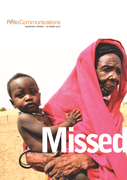
With a focus on Pakistan and Nigeria’s most vulnerable communities, this report provides insight about the role that community push-back is playing in the transmission of the polio virus and how the Global Polio Eradication Initiative (GPEI) can m
...
itigate these social risks to reach every missed child.
more
Mobilising informal health workers for the Ebola response: potential and programme considerations
Annie Wilkinson, Almudena Marí Sáez, Jonah Lipton, Fred Martineau and Clare Chandler
IDS, US University of Sussex, University of Exeter, London School of Higiene and Tropical Medicine
(2014)
Informal health workers are important care providers in the region and continue to be so during the current Ebola Virus Disease (EVD) outbreak. Many are well respected and trusted members of the community who can mobilise large numbers of people for
...
a particular activity and lend legitimacy to a particular programme.
more
A Toolkit for Implementation. Module 4: Training guide for facilitators of the participatory community assessment in maternal and newborn health
This book provides significantly expanded content and experience in relation to a broader stewardship context- for example, stewardship in specific populations, different countries as well as the role of different professions in stewardship to political and media
...
engagement. We hope this book has something to offer everyone practicing in this area. Therefore, The British Society for Antimicrobial Chemotherapy [BSAC] in collaboration with ESGAP are very pleased to present this e-book on Global Antimicrobial Stewardship that is relevant to health care professions working in preventing and managing infection across the healthcare communities and health care facilities. It aims to support health care professionals, or teams, or policy makers interested in learning about bringing the principles of stewardship to the bed side
more
Background Paper prepared for the 2015 Global Assessment Report on Disaster Risk Reduction
The aim of this paper is to help bring voluntary standards into the toolbox of disaster risk reduction, including both by encouraging their use by business and by enhancing their role in legislation and ... regulatory practice.
- Authorities can build awareness for standards in Disaster Risk Reduction (DRR), by facilitating access to relevant standards, encouraging education on DRR-related standards and involving the standardization community.
- Standards need to be sustained by a powerful infrastructure that allows for reliable inspections, audits and precise measurements to be conducted by skilled professionals.
- Risk management best practice needs to embed, as emdodies in standards, more fully in regulatory frameworks in sectors that are relevant. more
The aim of this paper is to help bring voluntary standards into the toolbox of disaster risk reduction, including both by encouraging their use by business and by enhancing their role in legislation and ... regulatory practice.
- Authorities can build awareness for standards in Disaster Risk Reduction (DRR), by facilitating access to relevant standards, encouraging education on DRR-related standards and involving the standardization community.
- Standards need to be sustained by a powerful infrastructure that allows for reliable inspections, audits and precise measurements to be conducted by skilled professionals.
- Risk management best practice needs to embed, as emdodies in standards, more fully in regulatory frameworks in sectors that are relevant. more
Planetary Health 101 Information and Resources
recommended
The Panorama Perspectives: Conversations on Planetary Health report series aims to inspire new thinking, conversations, and engagement with planetary health and other integrated concepts. Collaboration and open knowledge sharing across sectors are n
...
ecessary to solve the complex global health and development problems of today. These reports are intended as practical tools, presenting actionable opportunities to advance planetary health.Each report expands on knowledge gathered from many sources, including analysis of publicly available reports and data; forums and events; group discussions; and individual conversations
more

In the course of implementing a recently funded network of hubs for building capacities in mental health service development, training, and research (RedeAmericas), the peer support workers are being introduced into the mental health workforce in three Latin American countries for the very first tim
...
e. They will be part of a team, along with community mental health workers, that provides a modified Critical Time Intervention to individuals with severe psychiatric disorders living in the community. This article reviewed the background of this increasingly widespread development, and discussed its merits, as well as potential obstacles within local contexts.
more
Financing Global Health 2018: Countries and Programs in Transition
Institute for Health Metrics and Evaluation (IHME)
Institute for Health Metrics and Evaluation (IHME)
(2019)
C2
This 10th edition of the Institute for Health Metrics and Evaluation’s annual Financing Global Health report provides the most up-to-date estimates of development assistance for health, domestic spending on health, health spending on two key infectious diseases – malaria and HIV/AIDS – and fut
...
ure scenarios of health spending. Several transitions in global health financing inform this report: the influence of economic development on the composition of health spending; the emergence of other sources of development assistance funds and initiatives; and the increased availability of disease-specific funding data for the global health community. For funders and policymakers with sights on achieving 2030 global health goals, these estimates are of critical importance. They can be used for identifying funding gaps, evaluating the allocation of scarce resources, and comparing funding across time and countries.
more
In an environment of stagnant donor funding and increasing private sector investment in low- and middle-income countries, actors in both the public and private sectors are increasingly interested in using blended finance approaches to catalyze new funding for global health and achieve health outcome
...
s. As USAID moves towards greater engagement with the private sector, blended finance will be an important component to help achieve development objectives.
Accessed 19th May 2019.
more

The International Pharmaceutical Federation (FIP) is a global federation of national associations of pharmacists and
pharmaceutical scientists. In order to support these associations in their fight against AMR, FIP has prepared this
briefing document. It is an overview of the different activities
...
that community and hospital pharmacists are involved
into prevent AMR and to reverse AMR rates.
more
The guide seeks to address questions about how we can face local communication challenges presented by the pandemic, and how communicators respond effectively to the situation through supporting our communities to cope and to protect themselves. This guide aims to provide insights for a wide range o
...
f local communicators on the community level. It covers the need for knowing and communicating the facts coronavirus, understanding the pandemics’ timeline and accompanying communication phases, and accessing resources and materials; it also contains information about what needs communicating and key messages, and consideration about communication design options for appropriate communication routes and methods and essential communication planning
more
This Interim Guidance is intended for field coordinators, site managers and public health personnel, as well as national and local governments and the wider humanitarian community working in humanitarian situations at food distribution sites, who ar
...
e involved in the decision making and implementation of multi-sectorial COVID-19 outbreak readiness and response activities – the Guidance is therefore relevant for all Humanitarian Clusters and their partners.
more
An evidence-informed approach for non-formal, out-of-school CSE programmes that aims to reach young people from left-behind populations
This guidance is intended to assist anyone designing and/or implementing CSE in out-of-school settings, especially in low- and middle-income countries. This includ
...
es international and national civil-society organizations, community-based organizations, government departments, UN agencies, health authorities, non-formal education authorities and youth development authorities. It is also intended for anyone else involved in the design, delivery and evaluation of sexuality education programmes out of school, especially those working with the specific groups of young people addressed in the guidance.
more

The 10 recommendations in the COP26 Special Report on Climate Change and Health propose a set of priority actions from the global health community to governments and policy makers, calling on them to act with urgency on the current climate and healt
...
h crises.
The recommendations were developed in consultation with over 150 organizations and 400 experts and health professionals. They are intended to inform governments and other stakeholders ahead of the 26th Conference of the Parties (COP26) of the United Nations Framework Convention on Climate Change (UNFCCC) and to highlight various opportunities for governments to prioritize health and equity in the international climate movement and sustainable development agenda. Each recommendation comes with a selection of resources and case studies to help inspire and guide policymakers and practitioners in implementing the suggested solutions
more
The target audience for this training course is non-clinicians such as Home Based Carers, Community Caregivers, Youth Care Workers, Peer educators, Community Health Workers etc. primarily those who
...
will be providing adherence counselling to clients with HIV, TB, Hypertension and Diabetes. This group of non-clinicians play a vital role in helping to reduce the workload of nursing staff. Amongst others, non- clinicians educate clients and provide emotional support in a manner that makes each client feel like they are receiving focused, individual attention. Non-clinicians are often in close contact with communities and, therefore, able to understand and play a role in alleviating health service barriers in the community.
Facility managers may also be part of the target audience in order to ensure that they understand the components of the minimum package of interventions to support linkage, adherence and retention in care.
Further, their attendance seeks to ensure that non-clinicians receive necessary assistance and support when they have to implement what they have learned back into their workplaces.
more
