
Filter
1025
Text search:
Health
Cluster
Protection
Cluster
UNICEF
Featured
99
365
Language
Document type
585
153
102
67
50
37
20
5
5
1
Countries
44
43
35
32
27
27
26
26
25
22
22
21
21
20
20
16
16
16
13
13
12
11
10
10
9
8
8
8
8
7
7
7
7
7
6
6
6
6
6
6
5
5
5
5
5
5
4
4
4
4
4
4
3
3
3
3
3
3
3
3
3
2
2
2
2
2
2
2
2
1
1
1
1
1
1
1
1
1
1
1
1
1
1
1
1
1
1
1
1
1
1
1
1
1
Authors & Publishers
Publication Years
Category
471
116
107
38
36
13
2
Toolboxes
129
94
59
44
44
38
26
21
16
14
13
13
12
9
8
7
6
5
5
3
2
2
2
2
1
1

21 August 2020
This guidance provides specific considerations for the use of non-medical masks, also known as fabric masks, by children as a means for source control in the context of the current COVID-19 pandemic. It also advises on the use of medical masks for children under certain conditions.

En 2015, 26 % des décès de 5,9 millions d'enfants de moins de cinq ans auraient pu être évités si les facteurs de risque
environnementaux avaient été pris en compte – cette possibilité manquée de sauver des vies est révoltante. La période prénatale
et de la petite enfance constitue u
...

Significant progress has been made in the eradication of three priority diseases in the African Region, as a result of extensive collaboration between the Regional Office, WHO country offices and countries. For example, in August 2020, the region was certified free of wild poliovirus. In the area of
...

Today, the World Health Organization (WHO) is advancing the global fight against acute malnutrition in children under 5 with the launch of its new guideline on the prevention and management of wasting and nutritional oedema (acute malnutrition). Thi
...

Safe sanitation is essential for health, from preventing infections to improving and maintaining mental and social
well-being. Lack of adequate sanitation contributes to diarrhoeal diseases, parasitic infections, and undernutrition, as
well as pos
...
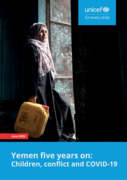
Millions of children in Yemen could be pushed to ‘the brink of starvation’ due to huge shortfalls in humanitarian aid funding amid the COVID-19 pandemic – according to a new UNICEF report marking more than five years since conflict escalated i
...

The 2nd edition is publised in 2017.
167,607 dengue cases, including 720 deaths, reported from 1 January to 27 July 2019: 97% higher than in 2018, in spite of a delayed rainy season.
Case Fatality Rate (CFR) of 0.43% as of 27 July 2019 is lower than in the same time period in 2018 (0.54%), but still significantly higher than the reg
...

Since 24 February 2022, the war in Ukraine has caused widespread suffering to its people and serious damage
to the country’s infrastructure. Attacks on the country’s health system and its power network threaten people, compromise the provision
...

This report provides an overview of the operations and activities of the WHO Country Office in Ukraine in 2023. Despite the acute health impacts of the war in Ukraine, the Country Office continued its work according to its core mandate. WHO supporte
...

Growing emergencies and displacements across the world demand increasingly complex interventions and responses. The World Health Organization (WHO) has developed Malaria control in emergencies: a field manual to provide technical guidance to help pa
...

Communicable Diseases Control in Emergencies
recommended
A field manual
As this report shows,
reports of child abuse and of children
witnessing violence between their
parents and caregivers have increased.
Ending violence against children is
increasingly within our reach. D
THE REPUBLIC OF BOTSWANA | MINISTRY OF HEALTH | DEPARTMENT OF PUBLIC HEALTH | NATIONAL MALARIA CONTROL PROGRAMME
