
Filter
1801
Text search:
livelihoods
Featured
133
545
Language
Document type
865
458
136
125
90
49
36
29
4
4
3
2
Countries
116
87
64
62
59
50
46
38
37
35
34
33
33
31
30
26
25
25
24
23
23
22
22
21
20
16
16
15
14
14
14
13
13
13
13
13
12
12
11
11
10
10
9
9
8
8
8
8
7
7
7
6
6
5
5
5
5
5
5
5
4
4
4
4
4
4
4
4
3
3
3
3
3
3
3
3
2
2
2
2
2
2
2
2
2
2
2
2
2
2
2
2
2
2
2
2
2
1
1
1
1
1
1
1
1
1
1
1
1
1
1
1
1
1
1
1
1
1
Authors & Publishers
Publication Years
Category
699
239
58
43
19
13
1
Toolboxes
251
202
164
104
101
91
85
65
48
45
31
24
21
21
18
18
12
9
7
6
6
4
4
3
3
2
1
Integrating trauma healing for partner staff into recovery programming.
This assessment shares testimonies from CRS and partner staff who participated in a trauma healing program in Central Africa Republic.
CRS's trauma-healing methodology uses small groups—of all genders, ages and faiths—focu
...
World Drug Report 2018
-2-
World Drug Report 2018
-3-
World Drug Report 2018
-4-
World Drug Report 2018
-5-
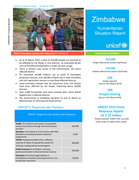
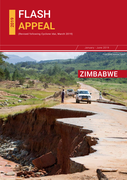
As of 21 March 2019, a total of 250,000 people are reported to be affected by the floods in nine districts. An estimated 48 per cent of the affected population is under 18 years of age.
There is limited road access in the Chimanimani, the worst affected district.
An estimated 60,000 children are
...
This brief summarises key considerations about the social, political and economic context of Goma in relation to the outbreak of Ebola in the DRC as of March 2019. Goma is the administrative capital of North Kivu province and a major urban centre in the Great Lakes Region. The city is home to an est
...

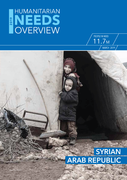
The figures and findings reflected in the 2019 Humanitarian Needs Overview (HNO) represent the independent analysis
of the United Nations (UN) and its humanitarian partners based on information available to them. While the HNO aims
to provide consolidated humanitarian analysis and data to help inf
...
The Sustainable Development Goals (SDGs) were launched in September 2015, made up of 17 Goals and 169 Targets that set out a plan of action that will shape the mainstream development agenda for the next 15 years1. There has already been much debate about how these Goals will be achieved, but the sig
...
The rise of the discourse of 'trauma' as a major articulator of suffering within Western culture is a facet of the medicalization of life that has gathered pace in the last century. In recent years, Western mental health professionals have been increasingly involved in services addressing the plight
...

The official death toll has risen to 518 people as of 1 April, according to the Government.
• More than 1,000 cases of cholera and one death have been reported.
• Nearly 110,000 houses have been identified by the authorities as totally destroyed (59,910), partially destroyed (33,925) or floode
...

Listening to what children in crisis have to say is not only a moral and ethical responsibility for donor and humanitarian actors, it is also a humanitarian obligation. Children’s right to participation is recognised in the United Nations Convention on the Rights of the
Child (UNCRC), which provi
...

Gender-based violence is a life-threatening, global health and human rights issue that violates international human rights law and principles of gender equality. It is also a threat to lasting peace and an affront to our common humanity. United Nations Member States have called for urgent action to
...
This study provides information about vulnerabilities within the targeted population and contributes to reflection within UNHCR on how to interpret their multisectorial Home Visit assessments. By exploring relationships between vulnerability indicators and other data collected, the report outlines k
...
The floods caused by the Tropical Cyclone IDAI has affected 3 million people in the Republics of Malawi, Mozambique and Zimbabwe leaving 839 people dead, and this figure continued to rise as the rains stopped and water subsided. To date, over 201,476 people (Table 1) have been displaced and about 31
...
