
Filter
2719
Text search:
emergency
preparedness
Featured
298
729
Language
Document type
1211
461
407
221
213
78
54
50
18
4
2
Countries
155
86
81
78
65
64
61
56
54
53
46
45
43
43
41
41
40
37
36
29
27
26
25
25
24
22
22
22
22
19
19
19
18
18
17
15
15
15
14
13
12
10
10
9
9
9
9
9
8
8
8
8
7
7
7
7
7
7
6
6
6
6
6
5
5
5
5
5
5
5
5
4
4
4
4
4
3
3
3
3
3
3
3
3
2
2
2
2
2
2
2
2
2
2
2
2
2
2
2
2
2
1
1
1
1
1
1
1
1
1
1
1
1
1
1
1
1
1
1
1
1
1
1
1
1
1
1
1
1
1
1
Authors & Publishers
Publication Years
Category
986
357
128
108
106
48
19
Toolboxes
487
191
178
143
122
114
106
88
76
62
59
53
51
51
46
46
40
22
20
20
19
19
15
13
7
1
1
This report documents the secondary humanitarian problems and impacts of large-scale Ebola outbreak on the different humanitarian sectors, to provide a non-exhaustive plan to help future responders. A large scale Ebola outbreak, in this document, refers to an epidemic with an unprecedented scale, ge
...
"The Emergency Response Guidelines for Anhydrous Hydrogen Fluoride (Guidelines) were prepared
by the American Chemistry Council’s (ACC) Hydrogen Fluoride Panel (Panel). This document is
intended to provide general information to persons addressi
...
Are you prepared? If a disaster strikes in your community, you might not have access to food, water, or electricity for several days. Preparing an emergency kit for your family is an important step in keeping them safe and healthy during an
...
Disaster Recovery Toolkit
Disaster Recovery Toolkit
Disaster Recovery Toolkit
Disaster Recovery Toolkit

The Humanitarian Pandemic Preparedness (H2P) Initiative and its many partners have developed ready-to-use training curricula for district- and community-level leaders, and community volunteers and workers in order to minimize morbidity and mortality
...
This pocket guide offers basic information needed for the medical management of victims of radiation incidents in an easy-to-understand manner.
This field action guide focuses on the first psychosocial assessment to be conducted just after a calamity strikes or just after a major event in an ongoing armed conflict. While it is necessary to update that initial assessment as the emergency sit
...
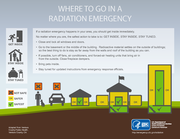
If a radiation emergency happens in your area, you should get inside immediately.
No matter where you are, the safest action to take is to: GET INSIDE. STAY INSIDE. STAY TUNED.

The ‘Toolkit’ is targeted at practitioners responsible for implementing recovery programmes, their objective to provide a ‘how to’ guide on development, implementing and managing complex post-disaster recovery programmes.
Disaster Recovery Toolkit
Disaster Recovery Toolkit

Project on Minimum Standards and Non-Binding Guidelines for First Responders Regarding Planning, Training, Procedure and Equipment for Chemical, Biological, Radiological and Nuclear (CBRN) Incidents

Women and children, especially pregnant girls and women, infants and young children and postpartum women, are populations that are extremely vulnerable in emergencies. Breastfeeding provides children with hydration, comfort, connection, high quality nutrition and protection against disease, shieldin
...

These Frequently Asked Questions (FAQs) have been developed by the Infant Feeding in Emergencies (IFE) Core Group Infectious Disease Working Group based on the most recent recommendations, collective knowledge and evidence on cholera. The FAQs also draw on infant and young child feeding (IYCF) recom
...
