
Filter
934
Text search:
National
Eye
Institute
Featured
121
258
Language
Document type
500
161
147
71
25
17
6
3
1
1
1
1
Countries
108
36
34
30
29
27
22
20
19
19
18
15
14
13
12
12
12
10
10
10
9
8
7
6
6
5
5
5
5
4
4
4
4
4
4
3
3
3
3
3
2
2
2
2
2
2
2
2
2
2
2
2
2
2
2
2
2
2
1
1
1
1
1
1
1
1
1
1
1
1
1
1
1
1
1
1
1
1
1
1
1
1
1
1
1
1
1
Authors & Publishers
Publication Years
Category
404
113
51
46
36
16
14
Toolboxes
82
63
62
50
33
28
27
21
19
19
18
16
16
16
15
14
13
13
12
9
7
5
4
3
1
1

International Review of the Red Cross Volume 91 Number 874 June 2009
Coordinated Use of Anthelminthic Drugs in Control Interventions: a Manual for Health Professionals and Programme Managers

This document is an evidence-based policy for the implementation of sound tuberculosis (TB) infection control by all stake- holders. It recommends a combination of measures aimed at reducing the risk of TB transmission within populations. The emphasis is on early and rapid diagnosis, and proper mana
...
Report commissioned by the IASC Inter-Agency Humanitarian Evaluations Steering Group as part of the Syria Coordinated Accountability and Lessons Learning Initiative
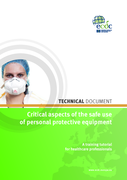
A training tutorial for healthcare professionals
This ECDC tutorial presents the fundamental concepts of personal protective equipment (PPE) and barrier nursing to support preparedness in hospitals across Europe. It provides practical information on the proper use of PPE at the point of care, inclu
...

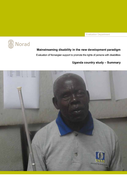
Evaluation of Norwegian support to promote the rights of persons with disabilities, Uganda country study – Summary
Guidance Note A DFID practice paper
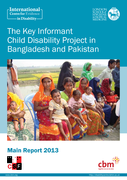
The new guide provides practical, first-line management recommendations for mental, neurological and substance use conditions. Contents include modules on assessing and managing conditions such as acute stress, grief, moderate-severe depressive disorder, post-traumatic stress disorder, epilepsy, and
...
In the aftermath of the April 2015 earthquake in Nepal, this paper looks at lessons drawn from previous comparable disasters and seeks to provide invaluable information and assistance to the operational agencies responding to the crisis.

Reduce Risk, Protect Health Facilities, Save Lives
