Filter
740
Text search:
Hopkins,
D.
Featured
80
157
Language
Document type
332
137
121
65
35
22
18
4
3
1
1
Countries
34
21
18
16
16
12
12
11
11
10
10
9
9
8
7
7
7
7
7
6
6
6
5
5
5
5
5
5
5
4
4
4
4
4
4
3
3
3
3
3
3
3
3
2
2
2
2
2
2
2
2
2
2
2
1
1
1
1
1
1
1
1
1
1
1
1
1
1
1
1
1
1
1
1
1
1
Authors & Publishers
Publication Years
Category
219
85
76
41
34
14
5
Toolboxes
109
70
41
35
32
31
26
19
15
15
14
13
12
12
12
9
7
7
5
5
5
5
4
2
1
This report aims to estimate the economic cost of providing regular access to healthcare for migrants in an irregular situation, compared with the cost of providing treatment in emergency cases only. Two specific medical conditions – hypertension and prenatal care – were selected as examples, an
...

Updated 22 august 2016. This document aims to provide interim guidance on the case definition of GBS and strategies to manage the syndrome, in the context of Zika virus and its potential association with GBS. This document is intended to inform the development of local clinical protocols and health
...
Diarrhea is one of the world’s leading causes of child illness and death, and rotavirus is the most common cause of severe diarrhea. Yet it can be prevented and treated. There is a vaccine. And while hundreds of thousands of children in India will gain access to rotavirus vaccines -part of a natio
...
In line with the National Mental Health Strategy for Lebanon (2015-2020), this guide answers the objective of the Mental Health and Psychosocial Support task force: “Development and provision of staff care interventions for persons working in the MHPSS and Protection sectors”. It aims at prevent
...
The Government of Malawi’s Health Sector Strategic Plan II highlights the importance of service integration; however, in practice, this has not been fully realized. We conducted a mixed methods evaluation of efforts to systematically implement integrated family planning and immunization services i
...

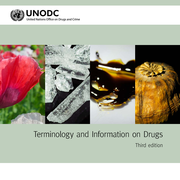
Third edition
Disease Control Priorities –3rdEdition, Volume 2.
This book focuses on maternal conditions, childhood illness, and malnutrition. Specifically, the chapters address acute illness and undernutrition in children, principally under age 5. It also covers maternal mortality, morbidity, stillbirth, and
...

BioMed Central; BMC International Health and Human Rights (2016) 16:20; DOI 10.1186/s12914-016-0094-y