
Filter
2338
Text search:
humanitarian
policy
Featured
226
629
Language
2224
75
58
47
35
26
14
12
11
5
5
5
4
4
4
4
4
3
3
3
3
3
2
2
2
2
2
2
2
2
2
2
2
2
2
2
2
1
1
1
1
1
1
1
1
1
1
1
1
1
1
1
1
Document type
1103
529
279
167
142
44
30
28
7
3
2
1
1
Countries
173
88
84
59
58
50
47
41
38
37
37
36
31
30
28
28
28
27
26
25
24
24
21
18
16
16
16
15
15
15
14
13
12
12
12
12
12
12
12
11
11
10
9
9
9
8
8
8
8
8
8
8
8
8
8
7
7
7
7
6
6
6
6
6
6
6
5
5
5
4
4
4
3
3
3
3
3
3
3
3
2
2
2
2
2
2
2
2
2
2
2
2
2
2
1
1
1
1
1
1
1
1
1
1
1
1
1
1
1
1
1
1
1
1
1
Authors & Publishers
280
59
57
51
49
47
47
37
33
28
26
23
23
22
17
17
16
15
14
14
12
12
11
11
10
10
10
9
9
9
9
9
9
9
8
8
8
8
8
7
7
7
7
7
7
7
7
6
6
6
6
6
6
6
6
6
6
6
6
6
6
5
5
5
5
5
5
5
5
5
5
5
5
5
5
5
5
5
5
5
4
4
4
4
4
4
4
4
4
4
4
4
4
4
4
4
4
4
4
4
4
4
4
4
4
4
3
3
3
3
3
3
3
3
3
3
3
3
3
3
3
3
3
3
3
3
3
3
3
3
3
3
3
3
3
3
3
3
3
3
3
3
3
3
3
3
3
3
3
3
3
2
2
2
2
2
2
2
2
2
2
2
2
2
2
2
2
2
2
2
2
2
2
2
2
2
2
2
2
2
2
2
2
2
2
2
2
2
2
2
2
2
2
2
2
2
2
2
2
2
2
2
2
2
2
2
2
2
2
2
2
2
2
2
2
2
2
2
2
2
2
2
2
2
2
2
2
2
2
2
2
2
2
2
2
2
2
2
2
2
2
2
2
2
2
2
2
2
2
2
2
2
2
2
2
2
2
2
2
2
2
2
2
2
2
2
2
2
2
2
2
2
2
2
2
2
2
2
2
2
2
2
1
1
1
1
1
1
1
1
1
1
1
1
1
1
1
1
1
1
1
1
1
1
1
1
1
1
1
1
1
1
1
1
1
1
1
1
1
1
1
1
1
1
1
1
1
1
1
1
1
1
1
1
1
1
1
1
1
1
1
1
1
1
1
1
1
1
1
1
1
1
1
1
1
1
1
1
1
1
1
1
1
1
1
1
1
1
1
1
1
1
1
1
1
1
1
1
1
1
1
1
1
1
1
1
1
1
1
1
1
1
1
1
1
1
1
1
1
1
1
1
1
1
1
1
1
1
1
1
1
1
1
1
1
1
1
1
1
1
1
1
1
1
1
1
1
1
1
1
1
1
1
1
1
1
1
1
1
1
1
1
1
1
1
1
1
1
1
1
1
1
1
1
1
1
1
1
1
1
1
1
1
1
1
1
1
1
1
1
1
1
1
1
1
1
1
1
1
1
1
1
1
1
1
1
1
1
1
1
1
1
1
1
1
1
1
1
1
1
1
1
1
1
1
1
1
1
1
1
1
1
1
1
1
1
1
1
1
1
1
1
1
1
1
1
1
1
1
1
1
1
1
1
1
1
1
1
1
1
1
1
1
1
1
1
1
1
1
1
1
1
1
1
1
1
1
1
1
1
1
1
1
1
1
1
1
1
1
1
1
1
1
1
1
1
1
1
1
1
1
1
1
1
1
1
1
1
1
1
1
1
1
1
1
1
1
1
1
1
1
1
1
1
1
1
1
1
1
1
1
1
1
1
1
1
1
1
1
1
1
1
1
1
1
1
1
1
1
1
1
1
1
1
1
1
1
1
1
1
1
1
1
1
1
1
1
1
1
1
1
1
1
1
1
1
1
1
1
1
1
1
1
1
1
1
1
1
1
1
1
1
1
1
1
1
1
1
1
1
1
1
1
1
1
1
1
1
1
1
1
1
1
1
1
1
1
1
1
1
1
1
1
1
1
1
1
1
1
1
1
1
1
1
1
1
1
1
1
1
1
1
1
1
1
1
1
1
1
1
1
1
1
1
1
1
1
1
1
1
1
1
1
1
1
1
1
1
1
1
1
1
1
1
1
1
1
1
1
1
1
1
1
1
1
1
1
1
1
1
1
1
1
1
1
1
1
1
1
1
1
1
1
1
1
1
1
1
1
1
1
1
1
1
1
1
1
1
1
1
1
1
1
1
1
1
1
1
1
1
1
1
1
1
1
1
1
1
1
1
1
1
1
1
1
1
1
1
1
1
1
1
1
1
1
1
1
1
1
1
1
1
1
1
1
1
1
1
1
1
1
1
1
1
1
1
1
1
1
1
1
1
1
1
1
1
1
1
1
1
1
1
1
1
1
1
1
1
1
1
1
1
1
1
1
1
1
1
1
1
1
1
1
1
1
1
1
1
1
1
1
1
1
1
1
1
1
1
1
1
1
1
1
1
1
1
1
1
1
1
1
1
1
1
1
1
1
1
1
1
1
1
1
1
1
1
1
1
1
1
1
1
1
1
1
1
1
1
1
1
1
1
1
1
1
1
1
1
1
1
1
1
1
1
1
1
1
1
1
1
1
1
1
1
1
1
1
1
1
1
1
1
1
1
1
1
1
1
1
1
1
1
1
1
1
1
1
1
1
1
1
1
1
1
1
1
1
1
1
1
1
1
1
1
1
1
1
1
1
1
1
1
1
1
1
1
1
1
1
1
1
1
1
1
1
1
1
1
1
1
1
1
1
1
1
1
1
1
1
1
1
1
1
1
1
1
1
1
1
1
1
1
1
1
1
1
1
1
1
1
1
1
1
1
1
1
1
1
1
1
1
1
1
1
1
1
1
1
1
1
1
1
1
1
1
1
1
1
1
1
1
1
1
1
1
1
1
1
1
1
1
1
1
1
1
1
1
1
1
1
1
1
1
1
1
1
1
1
1
1
1
1
1
1
1
1
1
1
1
1
1
1
1
1
1
1
1
1
1
1
1
1
1
1
1
1
1
1
1
1
1
1
1
1
1
1
1
1
1
1
1
1
1
1
1
1
1
1
1
1
1
1
1
1
1
1
1
1
1
1
1
1
1
1
1
1
1
1
1
1
1
1
1
1
1
1
1
1
1
1
1
1
1
1
1
1
1
1
1
1
1
1
1
1
1
1
1
1
1
1
1
1
1
1
1
1
1
1
1
1
1
1
1
1
1
1
1
1
1
1
1
1
1
1
1
1
1
1
1
1
1
1
1
1
1
1
1
1
1
1
1
1
1
1
1
1
1
1
1
1
1
1
1
1
1
1
1
1
1
1
1
1
1
1
1
1
1
1
1
1
1
1
1
1
1
1
1
1
1
1
1
1
1
1
1
1
1
1
1
1
1
1
1
1
1
1
1
1
1
1
1
1
1
1
1
1
1
1
1
1
1
1
1
1
1
1
1
1
1
1
1
1
1
1
1
1
1
1
1
1
1
1
1
1
1
1
1
1
1
1
1
1
1
1
1
1
1
1
1
1
1
1
1
1
1
1
1
1
1
1
1
1
1
1
1
1
1
1
1
1
1
1
1
1
1
1
1
1
1
1
1
1
1
1
1
1
1
1
1
1
1
1
1
1
1
1
1
1
1
1
1
1
1
1
1
1
1
1
1
1
1
1
1
1
1
1
1
1
1
1
1
1
1
1
1
1
1
1
1
1
1
1
1
1
1
1
1
1
1
1
1
1
1
1
1
1
1
1
1
1
1
1
1
1
1
1
1
1
1
1
1
1
1
1
1
1
1
1
1
1
1
1
1
1
1
1
1
1
1
1
1
1
1
1
1
1
1
1
1
1
1
1
1
1
1
1
1
1
1
1
1
1
1
1
1
1
1
1
1
1
1
1
1
1
1
1
1
1
1
1
1
1
1
1
1
1
1
1
1
1
1
1
1
1
1
1
1
1
1
1
1
1
1
1
1
1
1
1
1
1
1
1
1
1
1
1
1
1
1
1
1
1
1
1
1
1
1
1
1
1
1
1
1
1
1
1
1
1
1
1
1
1
1
1
1
1
1
1
1
1
1
1
1
1
1
1
1
1
1
1
1
1
1
1
1
1
1
1
1
1
1
1
1
1
1
1
1
1
1
1
1
1
1
1
1
1
1
1
1
1
1
1
1
1
1
1
1
1
1
1
1
1
1
1
1
1
1
1
1
1
1
1
1
1
1
1
1
1
1
1
1
1
1
1
1
1
1
1
1
1
1
1
1
1
1
1
1
1
1
1
1
1
1
1
1
1
1
1
1
1
1
1
1
1
1
1
1
1
1
1
1
1
1
1
1
1
1
1
1
1
1
1
1
1
1
1
1
1
1
1
1
1
1
1
1
1
1
1
1
1
1
1
1
1
1
1
1
1
1
1
1
1
1
1
1
1
1
1
1
1
1
1
1
1
1
1
1
1
1
1
1
1
1
1
1
1
1
1
1
1
1
1
1
1
1
1
1
1
1
1
1
1
1
1
1
Publication Years
1
939
1231
158
9
Category
646
384
187
126
91
37
5
2
Toolboxes
298
229
178
147
136
95
87
82
80
64
57
45
37
33
29
24
22
22
15
14
14
10
7
5
4
2
1
In April 2020, the UN launched a coordinated global humanitarian response plan (GHRP) to fight COVID-19 in some of the world’s most vulnerable countries and address the needs of the most vulnerable people. This tips sheet provides practical tips t
...
o strengthen disability inclusion within the new update of COVID-19 Global HRP. The sheet was developed by the Disability Advisory Group for the DFID-UN SBC.
more
This technical brief was developed by the UNFPA Global Ageing Network to complement the UN Department of Economic and Social Affairs' (UN DESA) Issue Brief: Older Persons and COVID-19, which emphasized the humanitarian imperative of addressing older
...
persons' specific needs within preparedness and response to the COVID-19 pandemic.
more

The risk of increasing rates of acute malnutrition during the COVID-19 pandemic demonstrates the urgent need to adapt, and expand access to, acute malnutrition diagnosis and treatment services in humanitarian and fragile contexts.
Over nine years of protracted and violent conflict in Syria has decimated its health system,killed an estimated 586,000 people and forcibly displaced more than half the 22 million pre-war population from their homes. As of June 2020, a total of 6.2 million Syrians (of whom 40% are children) are inte
...
rnally displaced (IDPs) and 5.5 million are refugees. Over half of Syria’s population (11.7 million) are in-need of humanitarian aid across the whole of Syria
more
Conflict, in its active or latent forms, is everywhere. The COVID-19 pandemic has demonstrated that public health emergencies can strike any country at any time. Given the universality of and interconnections between conflict, humanitarian crises, a
...
nd public health emergencies, practitioners trained in one sector or the other are being called upon to understand how to navigate all of these emergencies at once.
more

Intra-African migration remains a dominant trend in contemporary African migration. The Strategy frames the Organization’s new orientation with Africa at policy and strategic levels. It is consistent with the goals and objectives of the Global Com
...
pact for Safe, Orderly and Regular Migration (GCM) to which almost all African countries adhere, as well as the 2030 Agenda for sustainable development, the IOM strategic vision, and IOM Migration Governance Framework (MIGoF).
more
This inter-agency guidance document aims to supplement the COVAX demand creation package for COVID-19 vaccines with key considerations for humanitarian contexts and marginalized populations with specific access and communication needs.
21 Sept.2021
...
more

UNFPA implements programmes addressing gender-based violence (GBV) in 153 countries and territories, many of which face humanitarian emergencies. Leading resources used by GBV practitioners include the Inter-Agency Minimum Standards for Gender-Based
...
Violence in Emergencies Programming (the GBViE Minimum Standards) released in 2019 and the Essential Services Package for Women and Girls Subject to Violence released in 2015. Experiences across UNFPA have shown that GBV practitioners have faced challenges in determining when and how to use these tools and how to adapt different approaches to diverse contexts.
more
Climate-induced water insecurity poses one of the biggest threats to humanity and will lead to more hunger, disease and displacement
Oxfam water engineers are having to drill deeper, more expensive and harder-to-maintain water boreholes used by some of the poorest communities around the world, mo
...
re often now only to find dry, depleted or polluted reservoirs.
Today, during World Water Week, Oxfam publishes the first of its series of reports, “Water Dilemmas”, about the growing water crisis, in large part driven by global heating from greenhouse gas emissions. The report describes how climate change will impact water security in different regions, leading to more hunger, disease and displacement.
Carlos Calderon, Humanitarian Advocacy and Partnerships Lead for Oxfam Aotearoa said, “This new Oxfam research is focused on the global Water, Sanitation and Hygiene (WaSH) situation, but it paints a picture that illustrates the complexity of elements that, combined, will continue to increasingly affect women, girls, boys and men in the decades to come. Changing weather, poverty, inequality, gender-based violence, political instability and conflicts are impacting the availability and quality of adequate water systems. All governments, particularly those from rich countries, should responsively take action at a global scale. The clock is ticking. Our children will judge us for our actions today, or for the lack of them.”
more
This Strategic Operating Framework (SOF) has been developed to guide WASH Sector partners in responding to humanitarian needs in Sudan in conjunction with the existing and forthcoming humanitarian r
...
esponse plans (2022 and 2023). This SOF is drafted in consultation with the Strategic Advisory Group (SAG) at the national level and will be revised as the humanitarian situation evolves in line with changes made to the WASH Cluster response plan and other guidance received by the SAG and the Technical Working Groups. However, by adhering to the cluster (Sector) approach, the partners agree to:
Assist the authorities in responding to the WASH needs of the population affected.
Promote a common understanding of the WASH sector needs and interventions in the response context among the WASH partners.
Ensure a well-coordinated response and consequently increase the efficiency, effectiveness, and impact of individual agency responses; and
Align towards common humanitarian principles and operational objectives.
Partners to conform to the broad operational framework outlined in this document. Agencies that breach these guidelines will be expected to provide clear justification to the WASH Sector and other WASH Sector partners through the SAG
more
The context of the Ebola epidemic presented extreme challenges for Oxfam, as it did for many organisations. At the onset of the epidemic, there was a general lack of understanding of the disease and how to respond to it effectively and safely. A pervasive and persistent climate of fear, coupled with
...
changing predictions about the likely evolution of the epidemic, influenced analysis and response at all levels. There was strong pressure to treat the epidemic as a medical emergency requiring a medical response – organised through topdown processes – rather than standard humanitarian coordination
more
The paper sets out the specific communication challenge posed by Ebola and why it was so difficult to get to grips with this in the early months of the outbreak. It thendocuments when the health communication response became more useful and explores what that tells us about effective media and commu
...
nication. Finally, it offers recommendations to ensure that media and communication are used to their full potential during other disease outbreaks and humanitarian crisis
more
Available in Englisch, French, Spanis, Portuguese and Arabic from http://principlesforcom.jimdo.com/
The “Principles” are intended to influence policy makers and other stakeholders responsible for implementing measures that affect the rights an
...
d needs of these children.
more

Gender and security is a complex issue, and this research found that there are different levels of comprehension of what it means in humanitarian and development assistance practice. The aims of the paper are twofold: to raise general awareness abou
...
t gender and how it relates to security risk management, and to provide practical tools for effective integration of gender-specific considerations to the existing security management practices. Document also available in French and Spanish.
more
The WHO Cholera Vaccine Position Paper (August 2017) highlights the importance of oral cholera vaccines (OCVs) as a key tool in outbreak response and prevention, alongside water, sanitation, and hygiene (WASH) measures. It recommends OCVs for high-risk populations, endemic areas, and
...
humanitarian crises, emphasizing their effectiveness in reducing cases and mortality. The paper discusses two types of OCVs (Dukoral®, Shanchol™, Euvichol®) and supports the WHO-managed vaccine stockpile for rapid deployment in cholera-prone regions.
more
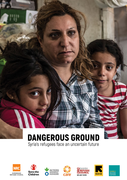
Hundreds of thousands of refugees are at risk of being pushed to return to Syria in 2018, despite ongoing violence, bombing and shelling that are endangering the lives of civilians, leading humanitarian agencies warn in a report released today. The
...
warning comes amid a global anti-refugee backlash, harsher conditions in neighbouring countries hosting Syrians, and Syrian government victories in the conflict that have fuelled misleading rhetoric suggesting Syria is safe for refugees to return.
more

Infectious disease outbreaks are frequently characterized by scientific uncertainty, social and institutional disruption, and an overall climate of fear and distrust. Policy makers and public health professionals may be forced to weigh and prioritiz
...
e potentially competing ethical values in the face of severe time and resource constraints. This document seeks to assist policy-makers, health care providers, researchers, and others prepare for outbreak situations by anticipating and preparing for the critical ethical issues likely to arise.
more
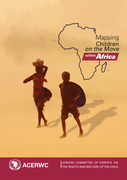
Mapping Children on the Move
recommended
African Committee of Experts on the Rights and Welfare of the Children ACERWC
GIZ; Save the Children; EU
(2018)
CC
In reviewing State Parties report on the implementation of the Charter, the Committee has identified children on the move as an emerging child protection issue in African, and therefore commissioned a study in view of making recommendations to tackle the problem in Member States. The Committee obse
...
rved that there were challenges with regard to upholding the rights and welfare of children on the move and that there are gaps on the type of protection measures and treatment that is be accorded to such children within our beloved Continent.
The study presents key drivers of the children on the move, migration routes, challenges faced by children on the move, policy and institutionalized content protecting children on the move and finally the way forward.
more
Germanys expanding role in global health
Ilona Kickbusch, Christian Franz, Anna Holzscheiter, Iris Hunger, Albrecht Jahn, Carsten Kö; hler, Oliver Razum, Jean-Olivier Schmidt
Lancet 2017; 390: 898– 912
(2017)
CC
Germany has become a visible actor in global health in the past 10 years. In this Series paper, we describe how this development complements a broad change in perspective in German foreign policy.

In 2006, the Special Session of African Union Health Ministers adopted the Maputo Plan of Action for implementing the Continental Policy Framework on sexual and reproductive health and rights (SRHR), which expired at the end of 2015. The goal was fo
...
r all stakeholders and partners to join forces and re-double efforts, so that together, the effective implementation of the Continental Policy framework including universal access to sexual and reproductive health by 2015 in all countries in Africa can be achieved. The Revised Maputo Plan of Action (MPoA) 2016 – 2030 was subsequently endorsed by the African Union Heads of State at the 27th AU Summit in July 2016 in Kigali, Rwanda. The plan reinforces the call for universal access to comprehensive sexual and reproductive health services in Africa and lays foundation to the Sustainable Development Goals, particularly Goal 3 and 5, as well as the African Union Agenda 2063.
more
