
Filter
577
Text search:
Anger
Featured
81
109
Language
Document type
348
62
58
55
26
11
9
4
3
1
Countries
26
19
18
15
13
12
12
11
8
7
6
6
6
5
5
5
5
5
5
4
4
4
4
3
3
3
3
3
3
3
3
3
2
2
2
2
2
2
2
2
2
2
2
2
2
2
2
2
1
1
1
1
1
1
1
1
1
1
1
1
1
1
1
1
1
1
1
1
1
1
Authors & Publishers
Publication Years
Category
108
36
29
25
24
19
Toolboxes
213
49
31
30
27
26
20
20
15
8
8
6
5
5
5
4
3
3
2
2
1
Purpose of these Guidelines
These guidelines are designed to help members of the public to provide first aid to someone who is at risk of suicide. The role of the first aider is to assist the person until appropriate professional help is received or the crisis resolves.
Development of these Guidel
...

How to use these Guidelines
These guidelines are a general set of recommendations about how you can help someone who may be at risk of suicide.
Each individual is unique and it is important to tailor your support to that person’s needs. These recommendations therefore
may not be appropriate for
...

This document gives you a step by step guide on running group sessions for people with schizophrenia and their caregivers in your community

The psychological impacts in face of public health crisis.
It is understandable for people to experience the fear and
anxiety in face of uncertainty; they can help us cope with
the situation in short term. Yet, if the fear and anxiety
turn to a long-term condition or become very intense,
they w
...

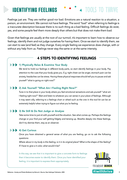
Feelings just are. They are neither good nor bad. Emotions are a natural reaction to a situation, a
person, an environment. We cannot not have feelings. The word “bad” when referring to feelings is
a inaccurate description because there is no such thing as a bad feeling. Difficult feelings do
...
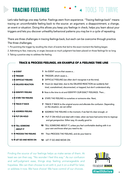
Let’s take feelings one step further. Feelings stem from experience. “Tracing feelings back” means
tracing an uncomfortable feeling back to the source: an argument, a disappointment, a change,
an event or situation. Doing this allows you keep you feelings in check, helps you learn about your
...
We as a large world community are facing an extraordinary challenge: keeping healthy against the threat of rapidly spreading novel Covid-19 virus. Starting with flu-like symptoms, the virus attacks the airways leading to severe breathing difficulties in the m ost vulnerable, that is, those whose im
...
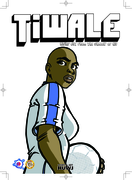
The comic follows the story of Tiwale, a young girl from Malawi with dreams of becoming a football player. As she discovers that she is living with HIV, she learns to overcome her challenges with the support of her family and friends. This project investigates how the comic book is received by young
...
The People’s Charter for Health is a statement of the shared vision, goals, principles and calls for action that unite all the members of the PHM coalition. It is most widely endorsed consensus document on health since the Alma Ata Declaration
Available in different languages
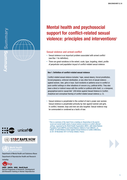
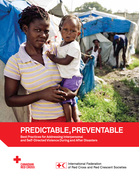


This brief guidance note seeks to provide advice on protecting and supporting the mental health and psychosocial wellbeing of refugees, asylum-seekers and migrants in Europe. It describes key principles and appropriate interventions to guide all those who are designing and organizing emergency servi
...
The Healthy Living Toolkit is developed to educate refugees, immigrants, resettlement agencies, clinics, community based organizations, and other service providers on refugee health issues. The toolkit presents material in a culturally appropriate manner and is intended to help health care-related p
...
These guidance notes on stress, grief and loss have been compiled by IMC’s Mental Health Advisor, Dr. Lynne Jones, for organizations working with Hurricane Katrina-affected populations. They represent lessons learned regarding mental health activities from IMC’s international experiences in disa
...
