
Filter
5904
Text search:
Quality
Rights
Featured
601
1420
Language
5739
168
136
87
76
53
36
21
9
8
7
6
6
6
6
5
5
5
4
4
4
4
4
4
3
3
3
3
3
3
3
3
3
3
2
2
2
2
2
2
2
2
2
2
2
2
2
1
1
1
1
1
1
1
1
1
1
1
1
1
1
1
1
Document type
2921
1103
838
431
283
126
121
39
13
11
10
2
1
1
Countries
330
178
162
119
102
98
96
95
95
95
91
88
81
79
75
75
69
68
68
59
55
48
47
46
45
44
42
42
41
37
32
28
27
26
24
24
24
23
23
22
22
22
20
20
20
20
19
18
17
16
16
15
14
14
14
13
12
11
11
10
10
10
10
9
9
9
8
8
7
7
6
6
6
6
6
6
6
5
5
5
5
5
4
4
4
4
4
3
3
3
3
3
3
3
3
3
3
3
3
3
3
3
3
2
2
2
2
2
2
2
2
2
2
2
2
2
2
2
2
2
2
2
2
2
2
1
1
1
1
1
1
1
1
1
1
1
1
1
1
1
1
1
1
1
1
Authors & Publishers
1150
332
232
207
140
128
126
80
75
69
66
48
44
36
30
27
27
26
26
24
23
22
21
20
20
19
19
19
19
19
19
17
17
17
17
17
16
16
14
14
14
14
13
13
13
12
12
12
12
12
12
12
12
12
11
11
11
11
11
11
11
11
11
11
10
10
10
10
10
10
10
10
9
9
9
9
9
9
9
9
9
9
9
8
8
8
8
7
7
7
7
7
7
7
7
7
7
7
7
7
7
7
7
7
7
7
7
6
6
6
6
6
6
6
6
6
6
6
6
6
6
6
6
6
6
6
6
5
5
5
5
5
5
5
5
5
5
5
5
5
5
5
5
5
5
5
5
5
5
5
5
5
5
5
5
5
5
5
5
5
5
5
5
5
5
5
4
4
4
4
4
4
4
4
4
4
4
4
4
4
4
4
4
4
4
4
4
4
4
4
4
4
4
4
4
4
4
4
4
4
4
4
4
4
4
4
4
4
4
4
4
4
4
4
4
4
4
3
3
3
3
3
3
3
3
3
3
3
3
3
3
3
3
3
3
3
3
3
3
3
3
3
3
3
3
3
3
3
3
3
3
3
3
3
3
3
3
3
3
3
3
3
3
3
3
3
3
3
3
3
3
3
3
3
3
3
3
3
3
3
3
3
3
3
3
3
3
3
3
3
3
3
3
3
3
3
3
3
3
3
3
3
3
3
3
3
3
2
2
2
2
2
2
2
2
2
2
2
2
2
2
2
2
2
2
2
2
2
2
2
2
2
2
2
2
2
2
2
2
2
2
2
2
2
2
2
2
2
2
2
2
2
2
2
2
2
2
2
2
2
2
2
2
2
2
2
2
2
2
2
2
2
2
2
2
2
2
2
2
2
2
2
2
2
2
2
2
2
2
2
2
2
2
2
2
2
2
2
2
2
2
2
2
2
2
2
2
2
2
2
2
2
2
2
2
2
2
2
2
2
2
2
2
2
2
2
2
2
2
2
2
2
2
2
2
2
2
2
2
2
2
2
2
2
2
2
2
2
2
2
2
2
2
2
2
2
2
2
2
2
2
2
2
2
2
2
2
2
2
2
2
2
2
2
2
2
2
2
2
2
2
2
2
2
2
2
2
2
2
2
2
2
2
2
2
2
2
2
2
2
2
2
2
2
2
2
2
2
2
2
2
2
2
2
2
2
2
2
2
2
2
2
2
2
2
2
2
2
2
2
2
2
2
2
2
2
2
2
2
2
2
2
2
2
2
2
2
2
2
2
2
2
2
2
2
2
2
2
2
2
2
2
2
2
1
1
1
1
1
1
1
1
1
1
1
1
1
1
1
1
1
1
1
1
1
1
1
1
1
1
1
1
1
1
1
1
1
1
1
1
1
1
1
1
1
1
1
1
1
1
1
1
1
1
1
1
1
1
1
1
1
1
1
1
1
1
1
1
1
1
1
1
1
1
1
1
1
1
1
1
1
1
1
1
1
1
1
1
1
1
1
1
1
1
1
1
1
1
1
1
1
1
1
1
1
1
1
1
1
1
1
1
1
1
1
1
1
1
1
1
1
1
1
1
1
1
1
1
1
1
1
1
1
1
1
1
1
1
1
1
1
1
1
1
1
1
1
1
1
1
1
1
1
1
1
1
1
1
1
1
1
1
1
1
1
1
1
1
1
1
1
1
1
1
1
1
1
1
1
1
1
1
1
1
1
1
1
1
1
1
1
1
1
1
1
1
1
1
1
1
1
1
1
1
1
1
1
1
1
1
1
1
1
1
1
1
1
1
1
1
1
1
1
1
1
1
1
1
1
1
1
1
1
1
1
1
1
1
1
1
1
1
1
1
1
1
1
1
1
1
1
1
1
1
1
1
1
1
1
1
1
1
1
1
1
1
1
1
1
1
1
1
1
1
1
1
1
1
1
1
1
1
1
1
1
1
1
1
1
1
1
1
1
1
1
1
1
1
1
1
1
1
1
1
1
1
1
1
1
1
1
1
1
1
1
1
1
1
1
1
1
1
1
1
1
1
1
1
1
1
1
1
1
1
1
1
1
1
1
1
1
1
1
1
1
1
1
1
1
1
1
1
1
1
1
1
1
1
1
1
1
1
1
1
1
1
1
1
1
1
1
1
1
1
1
1
1
1
1
1
1
1
1
1
1
1
1
1
1
1
1
1
1
1
1
1
1
1
1
1
1
1
1
1
1
1
1
1
1
1
1
1
1
1
1
1
1
1
1
1
1
1
1
1
1
1
1
1
1
1
1
1
1
1
1
1
1
1
1
1
1
1
1
1
1
1
1
1
1
1
1
1
1
1
1
1
1
1
1
1
1
1
1
1
1
1
1
1
1
1
1
1
1
1
1
1
1
1
1
1
1
1
1
1
1
1
1
1
1
1
1
1
1
1
1
1
1
1
1
1
1
1
1
1
1
1
1
1
1
1
1
1
1
1
1
1
1
1
1
1
1
1
1
1
1
1
1
1
1
1
1
1
1
1
1
1
1
1
1
1
1
1
1
1
1
1
1
1
1
1
1
1
1
1
1
1
1
1
1
1
1
1
1
1
1
1
1
1
1
1
1
1
1
1
1
1
1
1
1
1
1
1
1
1
1
1
1
1
1
1
1
1
1
1
1
1
1
1
1
1
1
1
1
1
1
1
1
1
1
1
1
1
1
1
1
1
1
1
1
1
1
1
1
1
1
1
1
1
1
1
1
1
1
1
1
1
1
1
1
1
1
1
1
1
1
1
1
1
1
1
1
1
1
1
1
1
1
1
1
1
1
1
1
1
1
1
1
1
1
1
1
1
1
1
1
1
1
1
1
1
1
1
1
1
1
1
1
1
1
1
1
1
1
1
1
1
1
1
1
1
1
1
1
1
1
1
1
1
1
1
1
1
1
1
1
1
1
1
1
1
1
1
1
1
1
1
1
1
1
1
1
1
1
1
1
1
1
1
1
1
1
1
1
1
1
1
1
1
1
1
1
1
1
1
1
1
1
1
1
1
1
1
1
1
1
1
1
1
1
1
1
1
1
1
1
1
1
1
1
1
1
1
1
1
1
1
1
1
1
1
1
1
1
1
1
1
1
1
1
1
1
1
1
1
1
1
1
1
1
1
1
1
1
1
1
1
1
1
1
1
1
1
1
1
1
1
1
1
1
1
1
1
1
1
1
1
1
1
1
1
1
1
1
1
1
1
1
1
1
1
1
1
1
1
1
1
1
1
1
1
1
1
1
1
1
1
1
1
1
1
1
1
1
1
1
1
1
1
1
1
1
1
1
1
1
1
1
1
1
1
1
1
1
1
1
1
1
1
1
1
1
1
1
1
1
1
1
1
1
1
1
1
1
1
1
1
1
1
1
1
1
1
1
1
1
1
1
1
1
1
1
1
1
1
1
1
1
1
1
1
1
1
1
1
1
1
1
1
1
1
1
1
1
1
1
1
1
1
1
1
1
1
1
1
1
1
1
1
1
1
1
1
1
1
1
1
1
1
1
1
1
1
1
1
1
1
1
1
1
1
1
1
1
1
1
1
1
1
1
1
1
1
1
1
1
1
1
1
1
1
1
1
1
1
1
1
1
1
1
1
1
1
1
1
1
1
1
1
1
1
1
1
1
1
1
1
1
1
1
1
1
1
1
1
1
1
1
1
1
1
1
1
1
1
1
1
1
1
1
1
1
1
1
1
1
1
1
1
1
1
1
1
1
1
1
1
1
1
1
1
1
1
1
1
1
1
1
1
1
1
1
1
1
1
1
1
1
1
1
1
1
1
1
1
1
1
1
1
1
1
1
1
1
1
1
1
1
1
1
1
1
1
1
1
1
1
1
1
1
1
1
1
1
1
1
1
1
1
1
1
1
1
1
1
1
1
1
1
1
1
1
1
1
1
1
1
1
1
1
1
1
1
1
1
1
1
1
1
1
1
1
1
1
1
1
1
1
1
1
1
1
1
1
1
1
1
1
1
1
1
1
1
1
1
1
1
1
1
1
1
1
1
1
1
1
1
1
1
1
1
1
1
1
1
1
1
1
1
1
1
1
1
1
1
1
1
1
1
1
1
1
1
1
1
1
1
1
1
1
1
1
1
1
1
1
1
1
1
1
1
1
1
1
1
1
1
1
1
1
1
1
1
1
1
1
1
1
1
1
1
1
1
1
1
1
1
1
1
1
1
1
1
1
1
1
1
1
1
1
1
1
1
1
1
1
1
1
1
1
1
1
1
1
1
1
1
1
1
1
1
1
1
1
1
1
1
1
1
1
1
1
1
1
1
1
1
1
1
1
1
1
1
1
1
1
1
1
1
1
1
1
1
1
1
1
1
1
1
1
1
1
1
1
1
1
1
1
1
1
1
1
1
1
1
1
1
1
1
1
1
1
1
1
1
1
1
1
1
1
1
1
1
1
1
1
1
1
1
1
1
1
1
1
1
1
1
1
1
1
1
1
1
1
1
1
1
1
1
1
1
1
1
1
1
1
1
1
1
1
1
1
1
1
1
1
1
1
1
1
1
1
1
1
1
1
1
1
1
1
1
1
1
1
1
1
1
1
1
1
1
1
1
1
1
1
1
1
1
1
1
1
1
1
1
1
1
1
1
1
1
1
1
1
1
1
1
1
1
1
1
1
1
1
1
1
1
1
1
1
1
1
1
1
1
1
1
1
1
1
1
1
1
1
1
1
1
1
1
1
1
1
1
1
1
1
1
1
1
1
1
1
1
1
1
1
1
1
1
1
1
1
1
1
1
1
1
1
1
1
1
1
1
1
1
1
1
1
1
1
1
1
1
1
1
1
1
1
1
1
1
1
1
1
1
1
1
1
1
1
1
1
1
1
1
1
1
1
1
1
1
1
1
1
1
1
1
1
1
1
1
1
1
1
1
1
1
1
1
1
1
1
1
1
1
1
1
1
1
1
1
1
1
1
1
1
1
1
1
1
1
1
1
1
1
1
1
1
1
1
1
1
1
1
1
1
1
1
1
1
1
1
1
1
1
1
1
1
1
1
1
1
1
1
1
1
1
1
1
1
1
1
1
1
1
1
1
1
1
1
1
1
1
1
1
1
1
1
1
1
1
1
1
1
1
1
1
1
1
1
1
1
1
1
1
1
1
1
1
1
1
1
1
1
1
1
1
1
1
1
1
1
1
1
1
1
1
1
1
1
1
1
1
1
1
1
1
1
1
1
1
1
1
1
1
1
1
1
1
1
1
1
1
1
1
1
1
1
1
1
1
1
1
1
1
1
1
1
1
1
1
1
1
1
1
1
1
1
1
1
1
1
1
1
1
1
1
1
1
1
1
1
1
1
1
1
1
1
1
1
1
1
1
1
1
1
1
1
1
1
1
1
1
1
1
1
1
1
1
1
1
1
1
1
1
1
1
1
1
1
1
1
1
1
1
1
1
1
1
1
1
1
1
1
1
1
1
1
1
1
1
1
1
1
1
1
1
1
1
1
1
1
1
1
1
1
1
1
1
1
1
1
1
1
1
1
1
1
1
1
1
1
1
1
1
1
1
1
1
1
1
1
1
1
1
1
1
1
1
1
1
1
1
1
1
1
1
1
1
1
1
1
1
1
1
1
1
1
1
1
1
1
1
1
1
1
1
1
1
1
1
1
1
1
1
1
1
1
1
1
1
1
1
1
1
1
1
1
1
1
1
1
1
1
1
1
1
1
1
1
1
1
1
1
1
1
1
1
1
1
1
1
1
1
1
1
1
1
1
1
1
1
1
1
1
1
1
1
1
1
1
1
1
1
1
1
1
1
1
1
1
1
1
1
1
1
1
1
1
1
1
1
1
1
1
1
1
1
1
1
1
1
1
1
1
1
1
1
1
1
1
1
1
1
1
1
1
1
1
1
1
1
1
1
1
1
1
1
1
1
1
1
1
1
1
1
1
1
1
1
1
1
1
1
1
1
1
1
1
1
1
1
1
1
1
1
1
1
1
1
1
1
1
1
1
1
1
1
1
1
1
1
1
1
1
1
1
1
1
1
1
1
1
1
1
1
1
1
1
1
1
1
1
1
1
1
1
1
1
1
1
1
1
1
1
1
1
1
1
1
1
1
1
1
1
1
1
1
1
1
1
1
1
1
1
1
1
1
1
1
1
1
1
1
1
1
1
1
1
1
1
1
1
1
1
1
1
1
1
1
1
1
1
1
1
1
1
1
1
1
1
1
1
1
1
1
1
1
1
1
1
1
1
1
1
1
1
1
1
1
1
1
1
1
1
1
1
1
1
1
1
1
1
1
1
1
1
1
1
1
1
1
1
1
1
1
1
1
1
1
1
1
1
1
1
1
1
1
1
1
1
1
1
1
1
1
1
1
1
1
1
1
1
1
1
1
1
1
1
1
1
1
1
1
1
1
1
1
1
1
1
1
1
1
1
1
1
1
1
1
1
1
1
1
1
1
1
1
1
1
1
1
1
1
1
1
1
1
1
1
1
1
1
1
1
1
1
1
1
1
1
1
1
1
1
1
1
1
1
1
1
1
1
1
1
1
1
1
1
1
1
1
1
1
1
1
1
1
1
1
1
1
1
1
1
1
1
1
1
1
1
1
1
1
1
1
1
1
1
1
1
1
1
1
1
1
1
1
1
1
1
1
1
1
1
1
1
1
1
1
1
1
1
1
1
1
1
1
1
1
1
1
1
1
1
1
1
1
1
1
1
1
1
1
1
1
1
1
1
1
1
1
1
1
1
1
1
1
1
1
1
1
1
1
1
1
1
1
1
1
1
1
1
1
1
1
1
1
1
1
1
1
1
1
1
1
1
1
1
1
1
1
1
1
1
1
1
1
1
1
1
1
1
1
1
1
1
1
1
1
1
1
1
1
1
1
1
1
1
1
1
1
1
1
1
1
1
1
1
1
1
1
1
1
1
1
1
1
1
1
1
1
1
1
1
1
1
1
1
1
1
1
1
1
1
1
1
1
1
1
1
1
1
1
1
1
1
1
1
1
1
1
1
1
1
1
1
1
1
1
1
1
1
1
1
1
1
1
1
1
1
1
1
1
1
1
1
1
1
1
1
1
1
1
1
1
1
1
1
1
1
1
1
1
1
1
1
1
1
1
1
1
1
1
1
1
1
1
1
1
1
1
1
1
1
1
1
1
1
1
1
1
1
1
1
1
1
1
1
1
1
1
1
1
1
1
1
1
1
1
1
1
1
1
1
1
1
1
1
1
1
1
1
1
1
1
1
1
1
1
1
1
1
1
1
1
1
1
1
1
1
1
1
1
1
1
1
1
1
1
1
1
1
1
1
1
1
1
1
1
1
1
1
1
1
1
1
1
1
1
1
1
1
1
1
1
1
1
1
1
1
1
1
1
1
1
1
1
1
1
1
1
1
1
1
1
1
1
1
1
1
1
1
1
1
1
1
1
1
1
1
1
1
1
1
1
1
1
1
1
1
1
1
1
1
1
1
1
1
1
1
1
1
1
1
1
1
1
1
1
1
1
1
1
1
1
1
1
1
1
1
1
1
1
1
1
1
1
1
1
1
1
1
1
1
1
1
1
1
1
1
1
1
1
1
1
1
1
1
1
1
1
1
1
1
1
1
1
1
1
1
1
1
1
1
1
1
1
1
1
1
1
1
1
1
1
1
1
1
1
1
1
1
1
1
1
1
1
1
1
1
1
1
1
1
1
1
1
1
1
1
1
1
1
1
1
1
1
1
1
1
1
1
1
1
1
1
1
1
1
1
1
1
1
1
1
1
1
1
1
1
1
1
1
1
1
1
1
1
1
1
1
1
1
1
1
1
1
1
1
1
1
1
1
1
1
1
1
1
1
1
1
1
1
1
1
1
1
1
1
1
1
1
1
1
1
1
1
1
1
1
1
1
1
1
1
1
1
1
1
1
1
1
1
1
1
1
1
1
1
1
1
1
1
1
1
1
1
1
1
1
1
1
1
1
1
1
1
1
1
1
1
1
1
1
1
1
1
1
1
1
1
1
1
1
1
1
1
1
1
1
1
1
1
1
1
1
1
1
1
1
1
1
1
1
1
1
1
1
1
1
1
1
1
1
1
1
1
1
1
1
1
1
1
1
1
1
1
1
1
1
1
1
1
1
1
1
1
1
1
1
1
1
1
1
1
1
1
1
1
1
1
1
1
1
1
1
1
1
1
1
1
1
1
1
1
1
1
1
1
1
1
1
1
1
1
1
1
1
1
1
1
1
1
1
1
1
1
1
1
1
1
1
1
1
1
1
1
1
1
1
1
1
1
1
1
1
1
1
1
1
1
1
1
1
1
1
1
1
1
1
1
1
1
1
1
1
1
1
1
1
1
1
1
1
1
1
1
1
1
1
1
1
1
1
1
1
1
1
1
1
1
1
1
1
1
1
1
1
1
1
1
1
Publication Years
1992
3350
536
24
1
1
Category
1871
473
453
439
382
134
80
3
Toolboxes
569
435
410
267
255
231
205
204
160
153
139
127
123
103
99
98
88
87
86
70
41
26
23
21
19
4
2

To survive and thrive, children and adolescents need good health, adequate nutrition, security, safety and a supportive clean environment, opportunities for early learning and education, responsive relationships and connectedness, and opportunities for personal autonomy and self-realization. To prom
...
ote their health and wellbeing, children and adolescents need support from parents, families, communities, surrounding institutions, and an enabling environment. Scheduled well care visits provide a critical opportunity for support of individual children, adolescents, parents, caregivers and families promote health and wellbeing. This guidance on scheduled child and adolescent well-care visits is the first in a series of publications to support the operationalization of the comprehensive agenda for child and adolescent health and wellbeing. It provides guidance on what is required to strengthen health systems and services to ensure healthy growth and development of all children and adolescents, and to support their parents and caregivers.
The guidance focuses on scheduled routine contacts with providers to support children and adolescents in their growth and developmental trajectory, as well as their primary caregivers and families. It outlines the rationale and objectives of well care visits and proposes a minimum 17 scheduled visits; describes the expected tasks during a contact; provides age-specific content to be address during each contact; and proposes actions to build on and maximize existing opportunities and resources.
more
For the global community to be able to achieve ambitious targets relating to the prevention and treatment of HIV, viral hepatitis and sexually transmitted infections (STIs), multiple types of medicines must be widely accessible to all affected populations in all countries.
The purpose of this rep
...
ort is to provide forecasts of future demand for medicines used in the fields of HIV, viral hepatitis and STIs. This report jointly presents medicines forecasts across three disease areas in recognition of the benefits of addressing HIV, viral hepatitis and STIs in a coordinated manner.
more
Developed as part of the UN Women–WHO Global Joint Programme on Violence Against Women Data, this briefing note focuses on the measurement of violence against women with disability and is one in a series of methodological briefing notes for strengthening the measurement and data collection of viol
...
ence against particular groups of women or specific aspects of violence against women.
The briefing note is meant for researchers, national statistics offices, and others involved in data collection on violence against women. It provides an overview of the challenges in the availability, measurement, and collection of data on violence against women with disability and outlines recommendations for good practice in measurement, with the aim of strengthening ongoing and future data collection efforts and increasing the availability of such data.
The inclusion of women with disability and the issue of disability within population-based surveys and research on violence against women is necessary for an improved understanding of populations of women at specific risk of violence. This knowledge would also allow more tailored prevention strategies and response/services and programmes to be designed in a way that addresses the specific needs of women with disability.
more
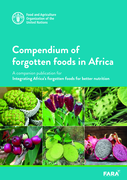
The Food and Agriculture Organization of the United Nations has launched a new Compendium of forgotten foods in Africa which is a first-of-its-kind comprehensive collection of 100 African forgotten food crops.
Also referred to as neglected, underutilized or orphan crops, these species offer valua
...
ble benefits, including nutrition and diet diversification, while supporting resilient, climate-smart agriculture but they are at risk of being lost as foods such as maize, rice and wheat dominate African diets.
The compendium list includes details on each crop's botanical classification, agroecological suitability, agronomic requirements, traditional and medicinal uses, value-added prospects and nutritional content. Among the entries are: African locust beans, African nightshade, baobab, Bambara nut, bush mango, cassava, fonio, marula, moringa, teff and tigernut.
Produced by the Food and Agriculture Organization (FAO)'s Regional Office for Africa with the Forum for Agricultural Research in Africa (FARA), the Compendium is a direct response to the UN Food Systems Summit and the Call for Collective Action in the Global Manifesto on Forgotten Foods.
Embracing both agricultural heritage and innovation can transform agrifood systems across Africa. By cataloguing these forgotten or underutilized crops, traditional knowledge is being honoured in the push to unlock the potential for better nutrition, sustainable agriculture, and resilience against the climate crisis.
In a joint foreword to the publication, FAO Assistant Director-General and Regional Representative for Africa Abebe Haile-Gabriel and FARA Executive Director Aggrey Agumya urged the mainstreaming of forgotten foods into African agrifood systems.
more

The Resolution Population and Individual Approaches to the Prevention and Management of Diabetes and Obesity was approved by the 48th Directing Council of the Pan American Health Organization, September 29- October 3, 2008, in response to the epidemic of obesity and diabetes currently affecting the
...
countries of the Americas. Its main goal is to call on Member States to prioritize the prevention of obesity and diabetes and their common risk factors by establishing and/or strengthening policies and programs, integrating them into public and private health systems and working to ensure adequate allocation of resources to carry out such policies and programs.
more
The World Health Organization (WHO) Global Diabetes Compact (GDC) was created as a global initiative to improve diabetes prevention and care, and to contribute to the global targets to reduce premature mortality due to noncommunicable diseases by one-third by 2030.

Obesity and diabetes are affecting the peoples of the Americas at high and increasing rates. National surveys demonstrate that obesity is increasing in prevalence among all age groups; 7% to 12% of children under 5 years old and
one-fi fth of adolescents are obese, while rates of overweight and obe
...
sity among adults approach 60%. Obesity is the major modifi able risk factor for diabetes.
more

Diabetes mellitus is one of the most common noncommunicable diseases worldwide. In the Eastern Mediterranean Region there has been a rapid increase in the incidence of diabetes mellitus and it is now the fourth leading cause of death. The increasing prevalence of diabetes mellitus, the emergence of
...
diabetes complications as a cause of early morbidity and mortality, and the enormous and mounting burden on health care systems make diabetes a priority health concern. These guidelines provide up-to-date, reliable and balanced information for the prevention and care of diabetes mellitus in the Region. The information is evidence-based and clearly stated to facilitate the use of the guidelines in daily practice. They are intended to benefit physicians at primary, secondary and tertiary level, general practitioners, internists and family medicine specialists, clinical dieticians and nurses as well as policy-makers at ministries of health. They provide the information necessary for decision-making by health care providers and patients themselves about disease management in the most commonly encountered situations.
more

This report includes analysis from informal regional consultations in the African Region, the Caribbean and North America, Latin America, South-East Asia Region, European Region, Eastern Mediterranean Region, alongside three forums in the Western Pacific Region. It analyses the overarching similarit
...
ies, regional nuances and priorities raised across the six WHO regions for the meaningful engagement of individuals with lived experience.
It is the second publication in the WHO Intention to action series, which aims to enhance the limited evidence base on the impact of meaningful engagement and address the lack of standardized approaches on how to operationalise meaningful engagement. The Intention to action series aims to do this by providing a platform from which individuals with lived experience, and organizational and institutional champions, can share solutions, challenges and promising practices related to this cross-cutting agenda. The Intention to action series also aims to provide powerful narratives, inspiration and evidence towards the Fourth United Nations High Level Meeting on NCDs in 2025 and achieving the 2030 United Nations Sustainable Development Goals (SDGs).
more

Noncommunicable diseases (NCDs) – chief among them, cardiovascular diseases (heart disease and stroke), cancer, diabetes and chronic respiratory diseases – along with mental health, cause nearly three quarters of deaths in the world. Their drivers are social, environmental, commercial and geneti
...
c, and their presence is global. Every year 17 million people under the age of 70 die of NCDs, and 86% of them live in low- and middle-income countries (LMICs).
more

Noncommunicable diseases (NCDs) – chief among them, cardiovascular diseases (heart disease and stroke), cancer, diabetes and chronic respiratory diseases – along with mental health, cause nearly three quarters of deaths in the world. Their drivers are social, environmental, commercial and geneti
...
c, and their presence is global. Every year 17 million people under the age of 70 die of NCDs, and 86% of them live in low- and middle-income countries (LMICs).
more

Sharing successful strategies from the Eastern Mediterranean Region in mitigating noncommunicable diseases and mentalhealth disorders during the COVID-19pandemic and beyond
World Health Organization (WHO) Regional Office for the Eastern Mediterranean
World Health Organization (WHO) Regional Office for the Eastern Mediterranean
(2023)
C_WHO
The "Stories from the field" document by the WHO Regional Office for the Eastern Mediterranean shares effective strategies from the Eastern Mediterranean Region for addressing noncommunicable diseases (NCDs) and mental health challenges, particularly during the COVID-19 pandemic. It highlights regio
...
nal success stories in mitigating NCDs and mental health conditions through innovative, country-specific interventions. The report emphasizes multisectoral collaboration, community engagement, and resilience in public health responses. It aims to inspire further action and knowledge-sharing to enhance health outcomes in challenging settings across the region.
more

The WHO document "Integrating the prevention and control of noncommunicable diseases in HIV/AIDS, tuberculosis, and sexual and reproductive health programmes: implementation guidance" provides a framework for integrating noncommunicable diseases (NCDs) into existing health programs for HIV/AIDS, tub
...
erculosis (TB), and sexual and reproductive health (SRH). It emphasizes the importance of a people-centered approach to enhance healthcare accessibility and efficiency, especially in low-resource settings. The document outlines strategies for strengthening policy, financing, capacity building, and health system infrastructure. It offers actionable steps, tools, and case studies to support countries in reducing the burden of NCDs through integrated, holistic care within primary health services.
more

Asbestos-related diseases in mineworkers: a clinicopathological study
Ndlovu, N.; Rees, D.; Murray, J.; et al.
ERJ Open Research, part of the European Respiratory Society (ERS)
(2017)
CC
This study compared clinical and autopsy findings for three asbestos-related diseases (asbestosis, mesothelioma and lung cancer) in former asbestos mineworkers, and explored factors that influenced agreement between clinical and autopsy findings using data from two compensation systems. In South Afr
...
ica, statutory compensation for occupational lung diseases in mineworkers makes provisions for autopsy examinations of the cardio-respiratory organs at the National Institute for Occupational Health (NIOH) in Johannesburg. In addition, the Johannesburg-based Asbestos Relief Trust and Kgalagadi Relief Trust (the “Trusts”) compensate individuals with defined asbestos-related diseases who worked in or lived near qualifying asbestos mining or processing operations. The Trusts also compensate dependents of deceased qualifying mineworkers and therefore encourage statutory autopsies for the detection of previously undiagnosed asbestos-related disease or disease that may have progressed to higher compensation grades.
more
The aim of the Technical Brief is to offer guidance to education professionals on how to integrate Mental Health and Psychosocial Support into Education in Emergencies programming. An overview of Mental Health and Psychosocial Support activities that can be implemented in Education in Emergencies co
...
ntexts is detailed, in line with the MHPSS Minimum Service Package. Country examples and case studies are featured.
more
The Asthma Control Questionnaire (ACQ)1 was developed and validated to measure the primary clinical goal of asthma management as identified by international guidelines. They indicate that to achieve good control, treatment should minimise day and night time symptoms, activity limitation, airway narr
...
owing and rescue bronchodilator use and thus reduce the risk of life-threatening exacerbations and long-term morbidity. The importance of including all aspects of control in the assessment of individual patients was emphasised by a recent factor analysis which showed that clinical asthma is composed of distinct components which are not closely correlated with each other.6 However, in some studies it may not be possible to collect airway calibre or short-acting β2-agonists data. Previous analysis of non-clinical trial data suggested that when ACQ scores are analysed as group data, the heterogeneity of the way in which individual patients present with inadequate control is lost in the estimation of the mean and the need to measure each individual component of asthma control may become unnecessary. In this analysis, ACQ data from a clinical trial was used to evaluate the measurement properties (reliability, responsiveness, validity and interpretability), of three shortened versions of the ACQ. In addition, we have examined whether the precision and accuracy of estimating the effect of the intervention on asthma control was maintained when the two questions concerning airway calibre and short-acting β2-agonists use were omitted from the trial analysis.
more

English and French.
WEEKLY EPIDEMIOLOGICAL RECORD, NO 37, 13 SEPTEMBER 2024, 505-524

Chronic respiratory diseases, such as asthma and
chronic obstructive pulmonary disease, kill more than
four million people every year and affect hundreds
of millions more. These diseases erode the health
and well-being of the patients and have a negative
impact on families and societies. Women
...
and
children are particularly vulnerable, especially those
in low and middle income countries, where they are
exposed on a daily basis to indoor air pollution from
solid fuels for cooking and heating. In high income
countries, tobacco is the most important risk factor
for chronic respiratory diseases, and in some of
these countries, tobacco use among women and
young people is still increasing.
more

This report provides an overview of the operations and activities of the WHO Country Office in Ukraine in 2023. Despite the acute health impacts of the war in Ukraine, the Country Office continued its work according to its core mandate. WHO supported the Government of Ukraine in managing the health
...
emergency and pursued existing priorities set out in WHO’s Thirteenth General Programme of Work 2019–2023, the European Programme of Work 2020–2025, and the Biennial Collaborative Agreement 2022–2023 signed with the Government of Ukraine. The report presents the achievements of the WHO Country Office in Ukraine in 2023 in the context of the war’s impact on the lives, health, and well-being of Ukrainians.
more

The active participation and engagement of health and care workers (HCWs) in health emergency preparedness, readiness and response is crucial to support risk communication, community engagement and infodemic management (RCCE-IM) interventions during emergencies. HCWs hold unique position
...
s in society – repeatedly being identified among the main influencers of people’s behaviours: they are one of the most trusted sources of health information and advice in communities and role models for the acceptance and uptake of protective measures during health emergencies. On the frontline, HCWs have valuable insights and knowledge that can be harnessed to support health emergencies across the entire emergency cycle. Between October and December 2023, the WHO Regional Office for Europe interviewed key informants on strategies and experiences to meaningfully engage HCWs during emergencies
more
