
Filter
2335
Text search:
Health
Phone
Featured
196
695
Language
2250
63
57
40
32
18
17
11
10
8
8
7
7
6
6
6
5
5
5
5
5
5
5
4
4
4
4
4
4
3
3
3
3
3
3
3
3
3
3
3
3
3
3
2
2
2
2
2
2
2
2
2
2
1
1
1
1
1
1
1
1
1
1
1
1
1
1
1
1
Document type
1271
373
279
168
62
55
49
38
15
11
7
6
1
Countries
163
85
84
80
66
56
56
55
53
52
50
44
44
42
41
41
39
33
31
29
25
25
24
23
23
21
20
19
18
18
18
17
16
13
12
11
11
11
10
10
10
10
9
9
9
9
8
8
8
8
8
7
7
7
7
6
6
6
6
6
6
6
5
5
5
5
5
5
5
4
4
4
4
3
3
3
3
3
3
3
2
2
2
2
2
2
2
2
2
2
2
2
2
2
1
1
1
1
1
1
1
1
1
1
1
1
1
1
1
1
1
1
1
1
1
1
1
1
1
1
1
Authors & Publishers
174
72
64
53
51
38
37
31
30
26
25
24
24
19
18
16
16
15
15
15
15
14
14
13
13
13
12
12
11
11
10
10
9
9
9
9
9
8
8
8
8
8
7
7
6
6
6
6
6
6
6
6
6
6
6
6
6
6
6
6
5
5
5
5
5
5
5
5
5
5
5
5
5
5
5
5
5
5
5
5
5
5
5
4
4
4
4
4
4
4
4
4
4
4
4
4
4
4
4
4
4
4
4
4
4
4
4
4
4
4
4
4
4
4
4
3
3
3
3
3
3
3
3
3
3
3
3
3
3
3
3
3
3
3
3
3
3
3
3
3
3
3
3
3
3
3
3
3
3
3
3
3
3
3
3
3
3
3
3
3
3
3
3
2
2
2
2
2
2
2
2
2
2
2
2
2
2
2
2
2
2
2
2
2
2
2
2
2
2
2
2
2
2
2
2
2
2
2
2
2
2
2
2
2
2
2
2
2
2
2
2
2
2
2
2
2
2
2
2
2
2
2
2
2
2
2
2
2
2
2
2
2
2
2
2
2
2
2
2
2
2
2
2
2
2
2
2
2
2
2
2
2
2
2
2
2
2
2
2
2
2
2
2
2
2
2
2
2
2
2
2
2
2
2
2
2
2
2
2
2
2
2
2
2
2
2
2
2
2
2
2
2
2
2
2
2
2
2
2
2
2
2
2
2
2
2
2
2
2
2
2
2
2
2
2
2
2
2
2
2
2
2
2
2
2
2
2
2
2
2
2
2
1
1
1
1
1
1
1
1
1
1
1
1
1
1
1
1
1
1
1
1
1
1
1
1
1
1
1
1
1
1
1
1
1
1
1
1
1
1
1
1
1
1
1
1
1
1
1
1
1
1
1
1
1
1
1
1
1
1
1
1
1
1
1
1
1
1
1
1
1
1
1
1
1
1
1
1
1
1
1
1
1
1
1
1
1
1
1
1
1
1
1
1
1
1
1
1
1
1
1
1
1
1
1
1
1
1
1
1
1
1
1
1
1
1
1
1
1
1
1
1
1
1
1
1
1
1
1
1
1
1
1
1
1
1
1
1
1
1
1
1
1
1
1
1
1
1
1
1
1
1
1
1
1
1
1
1
1
1
1
1
1
1
1
1
1
1
1
1
1
1
1
1
1
1
1
1
1
1
1
1
1
1
1
1
1
1
1
1
1
1
1
1
1
1
1
1
1
1
1
1
1
1
1
1
1
1
1
1
1
1
1
1
1
1
1
1
1
1
1
1
1
1
1
1
1
1
1
1
1
1
1
1
1
1
1
1
1
1
1
1
1
1
1
1
1
1
1
1
1
1
1
1
1
1
1
1
1
1
1
1
1
1
1
1
1
1
1
1
1
1
1
1
1
1
1
1
1
1
1
1
1
1
1
1
1
1
1
1
1
1
1
1
1
1
1
1
1
1
1
1
1
1
1
1
1
1
1
1
1
1
1
1
1
1
1
1
1
1
1
1
1
1
1
1
1
1
1
1
1
1
1
1
1
1
1
1
1
1
1
1
1
1
1
1
1
1
1
1
1
1
1
1
1
1
1
1
1
1
1
1
1
1
1
1
1
1
1
1
1
1
1
1
1
1
1
1
1
1
1
1
1
1
1
1
1
1
1
1
1
1
1
1
1
1
1
1
1
1
1
1
1
1
1
1
1
1
1
1
1
1
1
1
1
1
1
1
1
1
1
1
1
1
1
1
1
1
1
1
1
1
1
1
1
1
1
1
1
1
1
1
1
1
1
1
1
1
1
1
1
1
1
1
1
1
1
1
1
1
1
1
1
1
1
1
1
1
1
1
1
1
1
1
1
1
1
1
1
1
1
1
1
1
1
1
1
1
1
1
1
1
1
1
1
1
1
1
1
1
1
1
1
1
1
1
1
1
1
1
1
1
1
1
1
1
1
1
1
1
1
1
1
1
1
1
1
1
1
1
1
1
1
1
1
1
1
1
1
1
1
1
1
1
1
1
1
1
1
1
1
1
1
1
1
1
1
1
1
1
1
1
1
1
1
1
1
1
1
1
1
1
1
1
1
1
1
1
1
1
1
1
1
1
1
1
1
1
1
1
1
1
1
1
1
1
1
1
1
1
1
1
1
1
1
1
1
1
1
1
1
1
1
1
1
1
1
1
1
1
1
1
1
1
1
1
1
1
1
1
1
1
1
1
1
1
1
1
1
1
1
1
1
1
1
1
1
1
1
1
1
1
1
1
1
1
1
1
1
1
1
1
1
1
1
1
1
1
1
1
1
1
1
1
1
1
1
1
1
1
1
1
1
1
1
1
1
1
1
1
1
1
1
1
1
1
1
1
1
1
1
1
1
1
1
1
1
1
1
1
1
1
1
1
1
1
1
1
1
1
1
1
1
1
1
1
1
1
1
1
1
1
1
1
1
1
1
1
1
1
1
1
1
1
1
1
1
1
1
1
1
1
1
1
1
1
1
1
1
1
1
1
1
1
1
1
1
1
1
1
1
1
1
1
1
1
1
1
1
1
1
1
1
1
1
1
1
1
1
1
1
1
1
1
1
1
1
1
1
1
1
1
1
1
1
1
1
1
1
1
1
1
1
1
1
1
1
1
1
1
1
1
1
1
1
1
1
1
1
1
1
1
1
1
1
1
1
1
1
1
1
1
1
1
1
1
1
1
1
1
1
1
1
1
1
1
1
1
1
1
1
1
1
1
1
1
1
1
1
1
1
1
1
1
1
1
1
1
1
1
1
1
1
1
1
1
1
1
1
1
1
1
1
1
1
1
1
1
1
1
1
1
1
1
1
1
1
1
1
1
1
1
1
1
1
1
1
1
1
1
1
1
1
1
1
1
1
1
1
1
1
1
1
1
1
1
1
1
1
1
1
1
1
1
1
1
1
1
1
1
1
1
1
1
1
1
1
1
1
1
1
1
1
1
1
1
1
1
1
1
1
1
1
1
1
1
1
1
1
1
1
1
1
1
1
1
1
1
1
1
1
1
1
1
1
1
1
1
1
1
1
1
1
1
1
1
1
1
1
1
1
1
1
1
1
1
1
1
1
1
1
1
1
1
1
1
1
1
1
1
1
1
1
1
1
1
1
1
1
1
1
1
1
1
1
1
1
1
1
1
1
1
1
1
1
1
1
1
1
1
1
1
1
1
1
1
1
1
1
1
1
1
1
1
1
1
1
1
1
1
1
1
1
1
1
1
1
1
1
1
1
1
1
1
1
1
1
1
1
1
1
1
1
1
1
1
1
1
1
1
1
1
1
1
1
1
1
1
1
1
1
1
1
1
1
1
1
1
1
1
1
1
1
1
1
1
1
1
1
1
1
1
1
1
1
1
1
1
1
1
1
1
1
1
1
1
1
1
1
1
1
1
1
1
1
1
1
1
1
1
1
1
1
1
1
1
1
1
1
1
1
1
1
1
1
1
1
1
1
1
1
1
1
1
1
1
1
1
1
1
1
1
1
1
1
1
1
1
1
1
1
1
1
1
1
1
1
1
1
1
1
1
1
1
1
1
1
1
1
1
1
1
1
1
1
1
1
1
1
1
1
1
1
1
1
1
1
1
1
1
1
1
1
1
1
1
1
1
1
1
1
1
1
1
1
1
1
1
1
1
1
1
1
1
1
1
1
1
1
1
1
1
1
1
1
1
1
1
1
1
1
1
1
1
1
1
1
1
1
1
1
1
1
1
1
1
1
1
1
1
1
1
1
1
1
1
1
1
1
1
1
1
1
1
1
1
1
1
1
1
1
1
1
1
1
1
1
1
1
1
1
1
1
1
1
1
1
1
1
1
1
1
1
1
1
1
1
1
1
1
1
1
1
1
1
1
1
1
1
1
1
1
1
1
1
1
1
1
1
1
1
1
1
1
1
1
1
1
1
1
1
1
1
1
1
1
1
1
1
1
1
1
1
1
1
1
1
1
1
1
1
1
1
1
1
1
1
1
1
1
1
1
1
1
1
1
1
1
1
1
1
1
1
1
1
1
1
1
1
1
1
1
1
1
1
1
1
1
1
1
1
1
1
1
1
1
1
1
1
1
1
1
1
1
1
1
1
1
1
1
1
1
1
1
1
1
1
1
1
1
1
1
1
1
1
1
1
1
1
1
1
1
1
1
1
1
1
1
1
1
1
1
1
1
1
1
1
1
1
1
1
1
1
1
1
1
1
1
1
1
1
1
1
1
1
1
1
1
1
1
1
1
1
1
1
1
1
1
1
1
1
1
1
1
1
1
1
1
1
1
1
1
1
1
1
1
1
1
1
1
1
1
1
1
1
1
1
1
1
1
1
1
1
1
1
1
1
1
1
1
1
1
1
1
1
1
1
1
1
1
1
1
1
1
1
1
1
1
1
1
1
1
1
1
1
1
1
1
1
1
1
1
1
1
1
1
1
1
1
1
1
1
1
1
1
1
1
1
1
1
1
1
1
1
1
1
1
1
1
1
1
1
1
1
1
1
1
1
1
1
1
1
1
1
1
1
1
1
1
1
1
1
1
1
1
1
1
1
1
1
1
1
1
1
1
1
1
1
1
1
1
1
1
1
1
1
1
1
1
1
1
1
1
1
1
1
1
1
1
1
1
1
1
1
1
1
1
1
1
1
1
1
1
1
1
1
1
1
1
1
1
1
1
1
1
1
1
1
1
1
1
1
1
1
1
1
1
1
1
1
1
1
1
1
1
1
1
1
1
1
1
1
1
1
1
1
1
1
1
1
1
1
1
Publication Years
744
1459
130
2
Category
1021
123
112
106
101
51
7
3
Toolboxes
359
188
117
85
84
83
70
58
53
48
42
42
41
41
38
33
27
24
21
20
17
12
9
8
4
2



A guide to promote health systems strengthening to achieve universal health coverage.
Phiri et al. Human Resources for Health (2017) 15:40
DOI 10.1186/s12960-017-0214-3
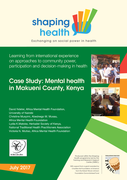
Shaping Health programme on Learning from international experience on approaches to community power, participation and decision-making in health,AMHF, TARSC
New and updated information.
Adverse health effects of hot weather and heat-waves are largely preventable. Prevention requires a portfolio of actions at different levels:from health system pr
...
eparedness, coordinated with meteorological early warning systems, to timely public and medical advice andimprovements to housing and urban planning. This publication offers detailed information for various target audiences, and on medicaladvice and treatment practices
more

Training Manual for Community Health Workers
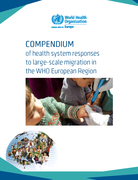
COMPENDIUM of health system responses to large-scale migration in the WHO European Region
recommended
The scale of international migration in the WHO European Region has increased substantially in the last decade. The dynamics of large-scale migration pose specific challenges and opportunities to health systems, and responses will differ from countr
...
y to country. Strengthening health system responses is one of the priority areas in the 2016 Strategy and action plan for refugee and migrant health in the WHO European Region. Its agreed actions include the identification and mapping of practices for developing and delivering health services that respond to the needs of refugees, asylum seekers and migrants. This compendium aims to collect and present some of these practices in the form of case studies. Selected in 2016, the case studies reflect experience from different levels of administration in a variety of European countries, and during the different phases of the migration journey.
more
The toolkit's purpose is to:
improve the primary health care response for older persons.
sensitize and educate primary health care workers about the specific needs of their older clients.
...
provide primary care health workers with a set of tools/instruments to assess older people's health.
raise awareness among primary care health workers of the accumulation of minor/major disabilities experienced by older people.
provide guidance on how to make primary health care management procedures more responsive to the needs of older people's needs.
offer direction on how to do environmental audits to test primary health care centres for their age-friendliness.
The toolkit comprises a number of instruments (evaluation forms, slides, figures, graphs, diagrams, scale tables, country guidelines, exam sheets, screening tools, cards, checklists, etc.) that can be used by primary health care workers to assess and address older persons' health. These resources are meant to supplement and not to replace local and national materials and guidelines
more
Many low-resource settings have a shortage of physicians and health workers. (1) In order to provide patient-centred continuous care more effectively, primary care systems can include team-based care strategies in their clinic workflows and protocol
...
s. Team-based care uses multidisciplinary teams (which may involve new staff, or the shifting of tasks among existing staff). Teams can include patients themselves, primary care physicians, and other allied health professionals, such as nurses, pharmacists, counsellors, social workers, nutritionists, community health workers, or others. Teams reduce the burden on physicians by utilizing the skills of trained health workers. Strong evidence shows that team-based care is effective in improving hypertension control among patients in a cost-effective way. (2) Some amount of task shifting/team-based care is already taking place in many settings; this module provides further guidance on how to maximize this approach for greater impact.
more
Monitoring is a crucial element in any successful programme. It is important to
know if health care facilities – and ultimately countries – are meeting the agreed
goals and objectives for preventing and managing cardiovascular diseases (CVD).
...
Monitoring is the on-going collection, management and use of information to
assess whether an activity or programme is proceeding according to plan and/
or achieving defined targets. Not all outcomes of interest can be monitored. Clear
outcomes must be identified that relate to the most important changes expected to result from the project and to what is realistic and measurable within the timescale of the project. Once these outcomes have been articulated, indicators can be chosen that best measure whether the desired outcomes are being met.
To allow progress to be monitored, this module provides a set of indicators on
CVD management. Agreeing on a set of indicators allows countries to compare
progress in CVD management and treatment across different districts or
subnational jurisdictions, as well as at a facility level, identify where performance
can be improved, and track trends in implementation over time. Monitoring
these indicators also helps identify problems that may be encountered so that
implementation efforts can be redirected.
This module starts from the collection of data at facility level, which is then
“transferred up” the system: facility-level data are aggregated at subnational level
to produce reports that allow tracking of facility and subnational performance over time and allow for comparison among facilities. National-level data are obtained through population-based surveys.
Implementing a monitoring system requires action at many levels. At national and
subnational levels, staff can determine how best to integrate data elements into
existing data collection systems – such as the routine service-delivery data that are collected through facility-level Health Management Information Systems (HMIS).
In the facility setting, personnel must be aware of what data are needed. Sample
data-collection tools are included, recognizing that countries use different datamanagement systems for HMIS, so the CVD monitoring tools will be adapted to work with the HMIS system being used by the country, such that the indicators can be collected with minimal disruption/work to existing systems and tools
more
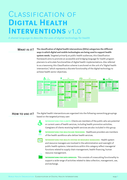
The classification of digital health interventions (DHIs) categorizes the different ways in which digital and mobile technologies are being used to support health system needs. Historically, the di
...
verse communities working in digital health—including government stakeholders, technologists, clinicians, implementers, network operators, researchers, donors— have lacked a mutually understandable language with which to assess and articulate functionality. A shared and standardized vocabulary was recognized as necessary to identify gaps and duplication, evaluate effectiveness, and facilitate alignment across different digital health implementations. Targeted primarily at public health audiences, this Classification framework aims to promote an accessible and bridging language for health program planners to articulate functionalities of digital health implementations.
more
Briefing note on addressing mental health and psychosocial aspects of COVID-19 Outbreak- Version 1.1
recommended
This briefing note summarises key mental health and psychosocial support (MHPSS) considerations in relation to the 2019 novel coronavirus (COVID-19) outbreak.

24 April 2020
Policy considerations
for the WHO European Region
This document provides key considerations for Member States to help them to decide on the modulation
of large-scale restrictive public health measures
(i.e. movement restrictions
...
and large-scale physical distancing), while at the same time strengthening core public health service capacities (to identify, isolate,
test and treat every patient and quarantine contacts) together with personal protective measures (hand hygiene and respiratory etiquette) and individual physical distancing (>1 metre distance). The transition should be informed by national, subnational or even community-level risk assessments as the transmission of COVID-19 is typically not homogeneous within a country.
more
