
Filter
5917
Text search:
public
awareness
Featured
452
1582
Language
5757
142
107
72
64
39
32
19
8
8
8
7
7
7
6
6
6
6
6
6
5
5
5
5
5
5
5
4
4
4
3
3
3
3
3
3
3
3
3
3
3
3
2
2
2
2
2
2
2
2
2
1
1
1
1
1
1
1
1
1
1
1
1
1
Document type
3202
1094
628
319
308
121
118
71
16
13
13
5
4
1
Countries
285
266
188
143
137
133
122
121
119
119
118
114
93
85
84
83
82
80
74
66
65
55
54
52
48
45
41
39
39
38
38
38
37
37
33
32
32
31
27
24
24
23
23
20
20
19
18
18
18
16
16
15
15
14
14
14
14
13
13
13
12
12
12
12
12
11
10
10
9
8
8
8
8
7
7
7
7
6
5
5
5
5
5
5
5
5
4
4
4
4
4
4
3
3
3
3
3
3
3
3
3
3
3
3
3
3
3
3
3
3
3
3
3
3
3
3
2
2
2
2
2
2
2
2
2
2
2
2
2
2
1
1
1
1
1
1
1
1
1
1
1
1
1
1
1
1
1
1
1
1
1
1
Authors & Publishers
675
210
206
143
142
120
91
89
65
54
49
45
40
32
32
30
29
28
27
25
24
24
23
22
22
21
21
20
20
20
20
19
19
18
18
18
18
17
17
17
17
17
16
16
16
16
16
16
15
15
15
15
14
14
14
14
14
14
14
14
13
13
13
13
13
13
12
12
12
12
12
12
12
11
11
11
11
10
10
10
10
10
10
10
10
9
9
9
9
9
9
8
8
8
8
8
8
8
8
8
8
8
8
8
7
7
7
7
7
7
7
7
7
7
7
7
7
7
7
7
7
7
7
6
6
6
6
6
6
6
6
6
6
6
6
6
6
6
6
6
6
6
6
6
6
6
6
5
5
5
5
5
5
5
5
5
5
5
5
5
5
5
5
5
5
5
5
5
5
5
5
5
5
5
5
5
5
5
5
5
4
4
4
4
4
4
4
4
4
4
4
4
4
4
4
4
4
4
4
4
4
4
4
4
4
4
4
4
4
4
4
4
4
4
4
4
4
4
4
4
4
4
4
4
4
4
4
4
4
4
4
4
4
4
4
4
4
4
4
4
4
4
4
4
4
4
4
4
4
3
3
3
3
3
3
3
3
3
3
3
3
3
3
3
3
3
3
3
3
3
3
3
3
3
3
3
3
3
3
3
3
3
3
3
3
3
3
3
3
3
3
3
3
3
3
3
3
3
3
3
3
3
3
3
3
3
3
3
3
3
3
3
3
3
3
3
3
3
3
3
3
3
3
3
3
3
3
3
3
3
3
3
3
3
3
3
3
3
3
3
3
3
3
3
3
3
3
3
3
3
3
3
3
3
3
3
3
2
2
2
2
2
2
2
2
2
2
2
2
2
2
2
2
2
2
2
2
2
2
2
2
2
2
2
2
2
2
2
2
2
2
2
2
2
2
2
2
2
2
2
2
2
2
2
2
2
2
2
2
2
2
2
2
2
2
2
2
2
2
2
2
2
2
2
2
2
2
2
2
2
2
2
2
2
2
2
2
2
2
2
2
2
2
2
2
2
2
2
2
2
2
2
2
2
2
2
2
2
2
2
2
2
2
2
2
2
2
2
2
2
2
2
2
2
2
2
2
2
2
2
2
2
2
2
2
2
2
2
2
2
2
2
2
2
2
2
2
2
2
2
2
2
2
2
2
2
2
2
2
2
2
2
2
2
2
2
2
2
2
2
2
2
2
2
2
2
2
2
2
2
2
2
2
2
2
2
2
2
2
2
2
2
2
2
2
2
2
2
2
2
2
2
2
2
2
2
2
2
2
2
2
2
2
2
2
2
2
2
2
2
2
2
2
2
2
2
2
2
2
2
2
2
2
2
2
2
2
2
2
2
2
2
2
2
2
2
2
2
2
2
2
2
2
2
2
2
2
2
2
2
2
2
2
2
2
2
2
2
2
2
2
2
2
2
2
2
2
2
2
2
2
2
2
2
2
2
2
2
2
2
2
2
2
2
2
2
2
2
2
2
2
2
2
2
2
2
2
2
2
2
2
2
2
2
2
2
2
2
2
2
2
2
2
2
2
2
2
2
2
2
2
2
2
2
1
1
1
1
1
1
1
1
1
1
1
1
1
1
1
1
1
1
1
1
1
1
1
1
1
1
1
1
1
1
1
1
1
1
1
1
1
1
1
1
1
1
1
1
1
1
1
1
1
1
1
1
1
1
1
1
1
1
1
1
1
1
1
1
1
1
1
1
1
1
1
1
1
1
1
1
1
1
1
1
1
1
1
1
1
1
1
1
1
1
1
1
1
1
1
1
1
1
1
1
1
1
1
1
1
1
1
1
1
1
1
1
1
1
1
1
1
1
1
1
1
1
1
1
1
1
1
1
1
1
1
1
1
1
1
1
1
1
1
1
1
1
1
1
1
1
1
1
1
1
1
1
1
1
1
1
1
1
1
1
1
1
1
1
1
1
1
1
1
1
1
1
1
1
1
1
1
1
1
1
1
1
1
1
1
1
1
1
1
1
1
1
1
1
1
1
1
1
1
1
1
1
1
1
1
1
1
1
1
1
1
1
1
1
1
1
1
1
1
1
1
1
1
1
1
1
1
1
1
1
1
1
1
1
1
1
1
1
1
1
1
1
1
1
1
1
1
1
1
1
1
1
1
1
1
1
1
1
1
1
1
1
1
1
1
1
1
1
1
1
1
1
1
1
1
1
1
1
1
1
1
1
1
1
1
1
1
1
1
1
1
1
1
1
1
1
1
1
1
1
1
1
1
1
1
1
1
1
1
1
1
1
1
1
1
1
1
1
1
1
1
1
1
1
1
1
1
1
1
1
1
1
1
1
1
1
1
1
1
1
1
1
1
1
1
1
1
1
1
1
1
1
1
1
1
1
1
1
1
1
1
1
1
1
1
1
1
1
1
1
1
1
1
1
1
1
1
1
1
1
1
1
1
1
1
1
1
1
1
1
1
1
1
1
1
1
1
1
1
1
1
1
1
1
1
1
1
1
1
1
1
1
1
1
1
1
1
1
1
1
1
1
1
1
1
1
1
1
1
1
1
1
1
1
1
1
1
1
1
1
1
1
1
1
1
1
1
1
1
1
1
1
1
1
1
1
1
1
1
1
1
1
1
1
1
1
1
1
1
1
1
1
1
1
1
1
1
1
1
1
1
1
1
1
1
1
1
1
1
1
1
1
1
1
1
1
1
1
1
1
1
1
1
1
1
1
1
1
1
1
1
1
1
1
1
1
1
1
1
1
1
1
1
1
1
1
1
1
1
1
1
1
1
1
1
1
1
1
1
1
1
1
1
1
1
1
1
1
1
1
1
1
1
1
1
1
1
1
1
1
1
1
1
1
1
1
1
1
1
1
1
1
1
1
1
1
1
1
1
1
1
1
1
1
1
1
1
1
1
1
1
1
1
1
1
1
1
1
1
1
1
1
1
1
1
1
1
1
1
1
1
1
1
1
1
1
1
1
1
1
1
1
1
1
1
1
1
1
1
1
1
1
1
1
1
1
1
1
1
1
1
1
1
1
1
1
1
1
1
1
1
1
1
1
1
1
1
1
1
1
1
1
1
1
1
1
1
1
1
1
1
1
1
1
1
1
1
1
1
1
1
1
1
1
1
1
1
1
1
1
1
1
1
1
1
1
1
1
1
1
1
1
1
1
1
1
1
1
1
1
1
1
1
1
1
1
1
1
1
1
1
1
1
1
1
1
1
1
1
1
1
1
1
1
1
1
1
1
1
1
1
1
1
1
1
1
1
1
1
1
1
1
1
1
1
1
1
1
1
1
1
1
1
1
1
1
1
1
1
1
1
1
1
1
1
1
1
1
1
1
1
1
1
1
1
1
1
1
1
1
1
1
1
1
1
1
1
1
1
1
1
1
1
1
1
1
1
1
1
1
1
1
1
1
1
1
1
1
1
1
1
1
1
1
1
1
1
1
1
1
1
1
1
1
1
1
1
1
1
1
1
1
1
1
1
1
1
1
1
1
1
1
1
1
1
1
1
1
1
1
1
1
1
1
1
1
1
1
1
1
1
1
1
1
1
1
1
1
1
1
1
1
1
1
1
1
1
1
1
1
1
1
1
1
1
1
1
1
1
1
1
1
1
1
1
1
1
1
1
1
1
1
1
1
1
1
1
1
1
1
1
1
1
1
1
1
1
1
1
1
1
1
1
1
1
1
1
1
1
1
1
1
1
1
1
1
1
1
1
1
1
1
1
1
1
1
1
1
1
1
1
1
1
1
1
1
1
1
1
1
1
1
1
1
1
1
1
1
1
1
1
1
1
1
1
1
1
1
1
1
1
1
1
1
1
1
1
1
1
1
1
1
1
1
1
1
1
1
1
1
1
1
1
1
1
1
1
1
1
1
1
1
1
1
1
1
1
1
1
1
1
1
1
1
1
1
1
1
1
1
1
1
1
1
1
1
1
1
1
1
1
1
1
1
1
1
1
1
1
1
1
1
1
1
1
1
1
1
1
1
1
1
1
1
1
1
1
1
1
1
1
1
1
1
1
1
1
1
1
1
1
1
1
1
1
1
1
1
1
1
1
1
1
1
1
1
1
1
1
1
1
1
1
1
1
1
1
1
1
1
1
1
1
1
1
1
1
1
1
1
1
1
1
1
1
1
1
1
1
1
1
1
1
1
1
1
1
1
1
1
1
1
1
1
1
1
1
1
1
1
1
1
1
1
1
1
1
1
1
1
1
1
1
1
1
1
1
1
1
1
1
1
1
1
1
1
1
1
1
1
1
1
1
1
1
1
1
1
1
1
1
1
1
1
1
1
1
1
1
1
1
1
1
1
1
1
1
1
1
1
1
1
1
1
1
1
1
1
1
1
1
1
1
1
1
1
1
1
1
1
1
1
1
1
1
1
1
1
1
1
1
1
1
1
1
1
1
1
1
1
1
1
1
1
1
1
1
1
1
1
1
1
1
1
1
1
1
1
1
1
1
1
1
1
1
1
1
1
1
1
1
1
1
1
1
1
1
1
1
1
1
1
1
1
1
1
1
1
1
1
1
1
1
1
1
1
1
1
1
1
1
1
1
1
1
1
1
1
1
1
1
1
1
1
1
1
1
1
1
1
1
1
1
1
1
1
1
1
1
1
1
1
1
1
1
1
1
1
1
1
1
1
1
1
1
1
1
1
1
1
1
1
1
1
1
1
1
1
1
1
1
1
1
1
1
1
1
1
1
1
1
1
1
1
1
1
1
1
1
1
1
1
1
1
1
1
1
1
1
1
1
1
1
1
1
1
1
1
1
1
1
1
1
1
1
1
1
1
1
1
1
1
1
1
1
1
1
1
1
1
1
1
1
1
1
1
1
1
1
1
1
1
1
1
1
1
1
1
1
1
1
1
1
1
1
1
1
1
1
1
1
1
1
1
1
1
1
1
1
1
1
1
1
1
1
1
1
1
1
1
1
1
1
1
1
1
1
1
1
1
1
1
1
1
1
1
1
1
1
1
1
1
1
1
1
1
1
1
1
1
1
1
1
1
1
1
1
1
1
1
1
1
1
1
1
1
1
1
1
1
1
1
1
1
1
1
1
1
1
1
1
1
1
1
1
1
1
1
1
1
1
1
1
1
1
1
1
1
1
1
1
1
1
1
1
1
1
1
1
1
1
1
1
1
1
1
1
1
1
1
1
1
1
1
1
1
1
1
1
1
1
1
1
1
1
1
1
1
1
1
1
1
1
1
1
1
1
1
1
1
1
1
1
1
1
1
1
1
1
1
1
1
1
1
1
1
1
1
1
1
1
1
1
1
1
1
1
1
1
1
1
1
1
1
1
1
1
1
1
1
1
1
1
1
1
1
1
1
1
1
1
1
1
1
1
1
1
1
1
1
1
1
1
1
1
1
1
1
1
1
1
1
1
1
1
1
1
1
1
1
1
1
1
1
1
1
1
1
1
1
1
1
1
1
1
1
1
1
1
1
1
1
1
1
1
1
1
1
1
1
1
1
1
1
1
1
1
1
1
1
1
1
1
1
1
1
1
1
1
1
1
1
1
1
1
1
1
1
1
1
1
1
1
1
1
1
1
1
1
1
1
1
1
1
1
1
1
1
1
1
1
1
1
1
1
1
1
1
1
1
1
1
1
1
1
1
1
1
1
1
1
1
1
1
1
1
1
1
1
1
1
1
1
1
1
1
1
1
1
1
1
1
1
1
1
1
1
1
1
1
1
1
1
1
1
1
1
1
1
1
1
1
1
1
1
1
1
1
1
1
1
1
1
1
1
1
1
1
1
1
1
1
1
1
1
1
1
1
1
1
1
1
1
1
1
1
1
1
1
1
1
1
1
1
1
1
1
1
1
1
1
1
1
1
1
1
1
1
1
1
1
1
1
1
1
1
1
1
1
1
1
1
1
1
1
1
1
1
1
1
1
1
1
1
1
1
1
1
1
1
1
1
1
1
1
1
1
1
1
1
1
1
1
1
1
1
1
1
1
1
1
1
1
1
1
1
1
1
1
1
1
1
1
1
1
1
1
1
1
1
1
1
1
1
1
1
1
1
1
1
1
1
1
1
1
1
1
1
1
1
1
1
1
1
1
1
1
1
1
1
1
1
1
1
1
1
1
1
1
1
1
1
1
1
1
1
1
1
1
1
1
1
1
1
1
1
1
1
1
1
1
1
1
1
1
1
1
1
1
1
1
1
1
1
1
1
1
1
1
1
1
1
1
1
1
1
1
1
1
1
1
1
1
1
1
1
1
1
1
1
1
1
1
1
1
1
1
1
1
1
1
1
1
1
1
1
1
1
1
1
1
1
1
1
1
1
1
1
1
1
1
1
1
1
1
1
1
1
1
1
1
1
1
1
1
1
1
1
1
1
1
1
1
1
1
1
1
1
1
1
1
1
1
1
1
1
1
1
1
1
1
1
1
1
1
1
1
1
1
1
1
1
1
1
1
1
1
1
1
1
1
1
1
1
1
1
1
1
1
1
1
1
1
1
1
1
1
1
1
1
1
1
1
1
1
1
1
1
1
1
1
1
1
1
1
1
1
1
1
1
1
1
1
1
1
1
1
1
1
1
1
1
1
1
1
1
1
1
1
1
1
1
1
1
1
1
1
1
1
1
1
1
1
1
1
1
1
1
1
1
1
1
1
1
1
1
1
1
1
1
1
1
1
1
1
1
1
1
1
1
1
1
1
1
1
1
1
1
1
1
1
1
1
1
1
1
1
1
1
1
1
1
1
1
1
1
1
1
1
1
1
1
1
1
1
1
1
1
1
1
1
1
1
1
1
1
1
1
1
1
1
1
1
1
1
1
1
1
1
1
1
1
1
1
1
1
1
1
1
1
1
1
1
1
1
1
1
1
1
1
1
1
1
1
1
1
1
1
1
1
1
1
1
1
1
1
1
1
1
1
1
1
1
1
1
1
1
1
1
1
1
1
1
1
1
1
1
1
1
1
1
1
1
1
1
1
1
1
1
1
1
1
1
1
1
1
1
1
1
1
1
1
1
1
1
1
1
1
1
1
1
1
1
1
1
1
1
1
1
1
1
1
1
1
1
1
1
1
1
1
1
1
1
1
1
1
1
1
1
1
1
1
1
1
1
1
1
1
1
1
1
1
1
1
1
1
1
1
1
1
1
1
1
1
1
1
1
1
1
1
1
1
1
1
1
1
1
1
1
1
1
1
1
1
1
1
1
1
1
1
1
1
1
1
1
1
1
1
1
1
1
1
1
1
1
1
1
1
1
1
1
1
1
1
1
1
1
1
1
1
1
1
1
1
1
1
1
1
1
1
1
1
1
1
1
1
1
1
1
1
1
1
1
1
1
1
1
1
1
1
1
1
1
1
1
1
1
1
1
1
1
1
1
1
1
1
1
1
1
1
1
1
1
1
1
1
1
1
1
1
1
1
1
1
1
1
1
1
1
1
1
1
1
1
1
1
1
1
1
1
1
1
1
1
1
1
1
1
1
1
1
1
1
1
1
1
1
1
1
1
1
1
1
1
1
1
1
1
1
1
1
1
1
1
1
1
1
1
1
1
1
1
1
1
1
1
1
1
1
1
1
1
1
1
1
1
1
1
1
1
1
1
1
1
1
1
1
1
1
1
1
1
1
1
1
1
1
1
1
1
1
1
1
1
1
1
1
1
1
1
1
1
1
1
1
1
1
1
1
1
1
1
1
1
1
1
1
1
1
1
1
1
1
1
1
1
1
1
1
1
1
1
1
1
1
1
1
1
1
1
1
1
1
1
1
1
1
1
1
1
1
1
1
1
1
1
1
1
1
1
1
1
1
1
1
1
1
1
1
1
1
1
1
1
1
1
1
1
1
1
1
1
1
1
1
1
1
1
1
1
1
1
1
1
1
1
1
1
1
1
1
1
1
1
1
1
1
1
1
1
1
1
1
1
1
1
1
1
1
1
1
1
1
1
1
1
1
1
1
1
1
1
1
1
1
1
1
1
1
1
1
1
1
1
1
1
1
1
1
1
1
1
1
1
1
1
1
1
1
1
1
1
1
1
1
1
1
1
1
1
1
1
1
1
1
1
1
1
1
1
1
1
1
1
1
1
1
1
1
1
1
1
1
1
1
1
1
1
1
1
1
1
1
1
1
1
1
1
1
1
1
1
1
1
1
1
1
1
1
1
1
1
1
1
1
1
1
1
1
1
1
1
1
1
1
1
1
1
1
1
1
1
1
1
1
1
1
1
1
1
1
1
1
1
1
1
1
1
1
1
1
1
1
1
1
1
1
1
1
1
1
1
1
1
1
1
1
1
1
1
1
1
1
1
1
1
1
1
1
1
1
1
1
1
1
1
1
1
1
1
1
1
1
1
1
1
1
1
1
1
1
1
1
1
1
1
1
1
1
1
1
1
1
1
1
1
1
1
1
1
1
1
1
1
1
1
1
1
1
1
1
1
1
1
1
1
1
1
1
1
1
1
1
1
1
1
1
1
1
1
1
1
1
1
1
1
1
1
1
1
1
1
1
1
1
1
1
1
1
1
1
1
1
1
1
1
1
1
1
1
1
1
1
1
1
1
1
1
1
1
1
1
1
1
1
1
1
1
1
1
1
1
1
1
1
1
1
1
1
1
1
1
1
1
1
1
1
1
1
1
1
1
1
1
1
1
1
1
1
1
1
1
1
1
1
1
1
1
1
1
1
1
1
1
1
1
1
1
1
1
1
1
1
1
1
1
1
1
1
1
1
1
1
1
1
1
1
1
1
1
1
1
1
1
1
1
1
1
1
1
1
1
1
1
1
1
1
1
1
1
1
1
1
1
1
1
1
1
1
1
1
1
1
1
1
1
1
1
1
1
1
1
1
1
1
1
1
1
1
1
1
1
1
1
1
1
1
1
1
1
1
1
1
1
1
1
1
1
1
1
1
1
1
1
1
1
1
1
1
1
1
1
1
1
1
1
1
1
1
1
1
1
1
1
1
1
1
1
1
1
1
1
1
1
1
1
1
1
1
1
1
1
1
1
1
1
1
1
1
1
1
1
1
1
1
1
1
1
1
1
1
1
1
1
1
1
1
1
1
1
1
1
1
1
1
1
1
1
1
1
1
1
1
1
1
1
1
1
1
1
1
1
1
1
1
1
1
1
1
1
1
1
1
1
1
1
1
1
1
1
1
1
1
1
1
1
1
1
1
1
1
1
1
1
1
1
1
1
1
1
1
1
1
1
1
1
1
1
1
1
1
1
1
1
1
1
1
1
1
1
1
1
1
1
1
1
1
1
1
1
1
1
1
1
1
1
1
1
1
1
1
1
1
1
1
1
1
1
1
1
1
1
1
1
1
1
1
1
1
1
1
1
1
1
1
1
1
1
1
1
1
1
1
1
1
1
1
1
1
1
1
1
1
1
1
1
1
1
1
1
1
1
1
1
1
1
1
1
1
1
1
1
1
1
1
1
1
1
1
1
1
1
1
1
1
1
1
1
1
1
1
1
1
1
1
1
1
1
1
1
1
1
1
1
1
1
1
1
1
1
1
1
1
1
1
1
1
1
1
1
1
1
1
1
1
1
1
1
1
1
1
1
1
1
1
1
1
1
1
1
1
1
1
1
1
1
1
1
1
1
1
1
1
1
1
1
1
1
1
1
1
1
1
1
1
1
1
1
1
1
1
1
1
1
1
1
1
1
1
1
1
1
1
1
1
1
1
1
1
1
1
1
1
1
1
1
1
1
1
1
1
1
1
1
1
1
1
1
1
1
1
1
1
1
1
1
1
1
1
1
1
1
1
1
1
1
1
1
1
1
1
1
1
1
1
1
1
1
1
1
1
1
1
1
1
1
1
1
1
1
1
1
1
1
1
1
1
1
1
1
1
1
1
1
1
1
1
1
1
1
1
1
1
1
1
1
1
1
1
1
1
1
1
1
1
1
1
1
1
1
1
1
1
1
1
1
1
1
1
1
1
1
1
1
1
1
1
1
1
1
1
1
1
1
1
1
1
1
1
1
1
1
1
1
1
1
1
1
1
1
1
1
1
1
1
1
1
1
1
1
1
1
1
1
1
1
1
1
1
1
1
1
1
1
1
1
1
1
1
1
1
1
1
1
1
1
1
1
1
1
1
1
1
1
1
1
1
1
1
1
1
1
1
1
1
1
1
1
1
1
1
1
1
1
1
1
1
1
1
1
1
1
1
1
1
1
1
1
1
1
1
1
1
1
1
1
1
1
1
1
1
1
1
1
1
1
1
1
1
1
1
1
1
1
1
1
1
1
1
1
1
1
1
1
1
1
1
1
1
1
1
1
1
1
1
1
1
1
1
1
1
1
1
1
1
1
1
1
1
1
1
1
1
1
1
1
1
1
1
1
1
1
1
1
1
1
1
1
1
1
1
1
1
1
1
1
1
1
1
1
1
1
1
1
1
1
1
1
1
1
1
1
1
1
1
1
1
1
1
1
1
1
1
1
1
1
1
1
1
1
1
1
1
1
1
1
1
1
1
1
1
1
1
1
1
1
1
1
1
1
1
1
1
1
1
1
1
1
1
1
1
1
1
1
1
1
1
1
1
1
1
1
1
1
1
1
1
1
1
1
1
1
1
1
1
1
1
1
1
1
1
1
1
1
1
1
1
1
1
1
1
1
1
1
1
1
1
1
1
1
1
1
1
1
1
1
1
1
1
1
1
1
1
1
1
1
1
1
1
1
1
1
1
1
1
1
1
1
1
1
1
1
1
1
1
1
1
1
1
1
1
1
1
1
1
1
1
1
1
1
1
1
1
1
1
1
1
1
1
1
1
1
1
1
1
1
1
1
1
1
1
1
1
1
1
1
1
1
1
1
1
1
1
1
1
1
1
1
1
1
1
1
1
1
1
1
1
1
1
1
1
1
1
1
1
1
1
1
1
1
1
1
1
1
1
1
1
1
1
1
1
1
1
1
1
1
1
1
1
1
1
1
1
1
1
1
1
1
1
1
1
1
1
Publication Years
1
1702
3674
515
22
2
1
Category
2340
392
358
273
271
113
28
3
Toolboxes
524
401
338
276
272
228
216
188
176
167
142
125
118
112
105
99
80
72
56
55
43
40
38
34
31
4
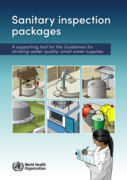
A sanitary inspection is a simple, on-site evaluation (traditionally using a checklist) to help identify and support the management of priority risk factors that may lead to contamination of a drinking-water supply. Sanitary inspections are a well-established and widely-applied practice. They can su
...
pport water safety planning, and in some contexts, may be a simplified alternative to water safety plans.
This publication presents the World Health Organization’s (WHO’s) sanitary inspection packages. These packages update the sanitary inspection forms in WHO’s 1997 Guidelines for drinking-water quality. Volume 3: surveillance and control of community supplies. With more than 25 years of practical experience with the application of sanitary inspections, these packages have been developed from a comprehensive evidence review and established good practices.
more

Socioeconomic status is associated with differences in risk factors for cardiovascular disease incidence and outcomes, including mortality. However, it is unclear whether the associations between cardiovascular disease and common measures of socioeconomic status—wealth and education—differ among
...
high-income, middle-income, and low-income countries, and, if so, why these differences exist. We explored the association between education and household wealth and cardiovascular disease and mortality to assess which marker is the stronger predictor of outcomes, and examined whether any differences in cardiovascular disease by socioeconomic status parallel differences in risk factor levels or differences in management.
more

Objective: To identify gaps in national stroke guidelines that could be bridged to enhance the quality of stroke care services in low- and
middle-income countries.
Methods: We systematically searched medical databases and websites of medical societies and contacted international organizations.
Co
...
untry-specific guidelines on care and control of stroke in any language published from 2010 to 2020 were eligible for inclusion. We reviewed
each included guideline for coverage of four key components of stroke services (surveillance, prevention, acute care and rehabilitation).
We also assessed compliance with the eight Institute of Medicine standards for clinical practice guidelines, the ease of implementation of
guidelines and plans for dissemination to target audiences.
Findings: We reviewed 108 eligible guidelines from 47 countries, including four low-income, 24 middle-income and 19 high-income countries.
Globally, fewer of the guidelines covered primary stroke prevention compared with other components of care, with none recommending
surveillance. Guidelines on stroke in low- and middle-income countries fell short of the required standards for guideline development;
breadth of target audience; coverage of the four components of stroke services; and adaptation to socioeconomic context. Fewer low- and
middle-income country guidelines demonstrated transparency than those from high-income countries. Less than a quarter of guidelines
encompassed detailed implementation plans and socioeconomic considerations.
Conclusion: Guidelines on stroke in low- and middle-income countries need to be developed in conjunction with a wider category of
health-care providers and stakeholders, with a full spectrum of translatable, context-appropriate interventions.
more

Approximately 80% of the 463 million adults worldwide with diabetes live in low-income and middle-income countries (LMICs). A major obstacle to designing evidence-based policies to improve diabetes outcomes in LMICs is the scarce availability of nationally representative data on the current patterns
...
of treatment coverage. The objectives of this study were to estimate the proportion of adults with diabetes in LMICs who receive coverage of recommended pharmacological and non-pharmacological diabetes treatment; and to describe country-level and individual-level characteristics that are associated with treatment.
more

Diabetes mellitus is one of the most common noncommunicable diseases worldwide. In the Eastern Mediterranean Region there has been a rapid increase in the incidence of diabetes mellitus and it is now the fourth leading cause of death. The increasing prevalence of diabetes mellitus, the emergence of
...
diabetes complications as a cause of early morbidity and mortality, and the enormous and mounting burden on health care systems make diabetes a priority health concern. These guidelines provide up-to-date, reliable and balanced information for the prevention and care of diabetes mellitus in the Region. The information is evidence-based and clearly stated to facilitate the use of the guidelines in daily practice. They are intended to benefit physicians at primary, secondary and tertiary level, general practitioners, internists and family medicine specialists, clinical dieticians and nurses as well as policy-makers at ministries of health. They provide the information necessary for decision-making by health care providers and patients themselves about disease management in the most commonly encountered situations.
more

The Community-based Health System Model Series briefs identify and discuss critical health system inputs and processes that have contributed to the implementation and expansion of community-based service delivery in different countries.
Countries were selected for their geographic diversity, type o
...
f service delivery model, and programmatic scale-up.
This brief reviews Malawi’s community health model to inform future policy, program design, and implementation in other countries.
more

Background: Community Health Workers (CHWs) have a positive impact on the provision of community-based
primary health care through screening, treatment, referral, psychosocial support, and accompaniment. With a
broad scope of work, CHW programs must balance the breadth and depth of tasks to mainta
...
in CHW motivation for
high-quality care delivery. Few studies have described the CHW perspective on intrinsic and extrinsic motivation to
enhance their programmatic activities.
Methods: We utilized an exploratory qualitative study design with CHWs employed in the household model in Neno
District, Malawi, to explore their perspectives on intrinsic and extrinsic motivators and dissatisfiers in their work. Data
was collected in 8 focus group discussions with 90 CHWs in October 2018 and March–April 2019 in seven purposively
selected catchment areas. All interviews were audiotaped, transcribed verbatim, coded, and analyzed using Dedoose.
Results: Themes of complex intrinsic and extrinsic factors were generated from the perspectives of the CHWs in
the focus group discussions. Study results indicate that enabling factors are primarily intrinsic factors such as positive
patient outcomes, community respect, and recognition by the formal health care system but can lead to the chal-
lenge of increased scope and workload. Extrinsic factors can provide challenges, including an increased scope and
workload from original expectations, lack of resources to utilize in their work, and rugged geography. However, a posi-
tive work environment through supportive relationships between CHWs and supervisors enables the CHWs.
Conclusion: This study demonstrated enabling factors and challenges for CHW performance from their perspec-
tive within the dual-factor theory. We can mitigate challenges through focused efforts to limit geographical distance,
manage workload, and strengthen CHW support to reinforce their recognition and trust. Such programmatic empha-
sis can focus on enhancing motivational factors found in this study to improve the CHWs’ experience in their role. The
engagement of CHWs, the communities, and the formal health care system is critical to improving the care provided
to the patients and communities, along with building supportive systems to recognize the work done by CHWs for
the primary health care systems.
more
Exploring equity and inclusion in Malawi’s National Disability Mainstreaming Strategy and Implementation Plan
Ebuenyi, I.D.; Smith, E.M.; Munthali, A. et al.
International Journal for Equity in Health
(2021)
CC
Background
Equity and inclusion are important principles in policy development and implementation. The aim of this study is to explore the extent to which equity and inclusion were considered in the development of Malawi’s National Disability Mainstreaming Strategy and Implementation Plan.
Met
...
hods
We applied an analytical methodology to review the Malawi’s National Disability Mainstreaming Strategy and Implementation Plan using the EquIPP (Equity and Inclusion in Policy Processes) tool. The EquIPP tool assesses 17 Key Actions to explore the extent of equity and inclusion.
Results
The development of the Malawi National Disability Mainstreaming Strategy and Implementation Plan was informed by a desire to promote the rights, opportunities and wellbeing of persons with disability in Malawi. The majority (58%) of the Key Actions received a rating of three, indicating evidence of clear, but incomplete or only partial engagement of persons with disabilities in the policy process. Three (18%) of the Key Actions received a rating of four indicating that all reasonable steps to engage in the policy development process were observed. Four (23%) of the Key Actions received a score five indicating a reference to Key Action in the core documents in the policy development process.
Conclusions
The development of disability policies and associated implementation strategies requires equitable and inclusive processes that consider input from all stakeholders especially those whose wellbeing depend on such policies. It is pivotal for government and organisations in the process of policy or strategy development and implementation, to involve stakeholders in a virtuous process of co-production – co-implementation – co-evaluation, which may strengthen both the sense of inclusion and the effectiveness of the policy life-cycle.
more
Introduction Pharmacovigilance (PV) systems to monitor drug and vaccine safety are often inadequate in sub-Saharan
Africa. In Malawi, a PV enhancement initiative was introduced to address major barriers to PV.
Objective The objective of this initiative was to improve reporting of adverse events (A
...
Es) by strengthening passive safety
surveillance via PV training and mentoring of local PV stakeholders and healthcare providers (HCPs) at their own healthcare
facilities (HCFs).
Methods An 18-month PV training and mentoring programme was implemented in collaboration with national stakeholders,
and in partnership with the Ministry of Health, GSK and PATH. Two-day training was provided to Expanded Programme on
Immunisation coordinators, identified as responsible for AE reporting, and four National Regulatory Authority representa-
tives. Abridged PV training and mentoring were provided regularly to HCPs. Support was given in upgrading the national
PV system. Key performance indicators included the number of AEs reported, transmission of AE forms, completeness of
reports, serious AEs reported and timeliness of recording into VigiFlow.
Results In 18 months, 443 HCPs at 61 HCFs were trained. The number of reported AEs increased from 22 (January 2000 to
October 2016) to 228 (November 2016 to May 2018), enabling Malawi to become a member of the World Health Organization
Programme for International Drug Monitoring. Most (98%) AE report forms contained mandatory information on reporter,
event, patient and product, but under 1% were transmitted to the national PV office within 48 h.
Conclusion Regular PV training and mentoring of HCPs were effective in enhancing passive safety surveillance in Malawi,
but the transmission of reports to the national PV centre requires further improvement.
more
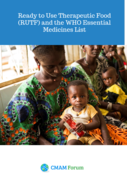
Severe Acute Malnutrition (SAM) is one of the greatest child survival challenges in the world today and
reportedly affects more than 16.2 million children each year1. High impact, proven treatment interventions exist
yet sadly approximately only 3.2 million children with SAM have access to treatme
...
nt each year2. Thus, there
is a need to scale up interventions to improve coverage and access across high burden countries. While efforts
are currently underway to expand services in many countries, obstacles remain.
One critical barrier to expanding SAM treatment services is the acceptance, accessibility and utilisation of
ready-to-use therapeutic food (RUTF). In some countries and contexts, RUTF is still not fully accepted by
community members; while other countries face problems with procurement, storage and supply chain
management which impact on availability and use3. Reports from Ghana and Zambia highlighted that stock-
outs and logistical challenges are often noted as key contributors to high default rates in outpatient treatment
centres4.
more

Evidence shows that oral pre-exposure prophylaxis (PrEP) reduces the risk of contracting HIV during sexual intercourse by more than 90% when taken daily. It is for this reason the National HIV Prevention Strategy 2015-2020 (2018 Revision) emphasises the role of preexposure prophylaxis (PrEP) in
...
reducing new HIV infections in Malawi.
The Ministry of Health has prioritised PrEP use among the populations most at-risk of HIV infection in Malawi: young women ages 10 to 24 years, sero-discordant couples, female sex workers, men who have sex with men, and other priority populations (such as members of the uniformed services, prisoners, and mobile populations).
more
To maintain a structured and well-organized implementation plan it is important to have a lead agency or sector. The ministry of health or a similar authority in government will be critical in facilitating development and implementation of the multisectoral action plan.

Medical devices are used for the prevention, diagnosis and treatment of illness and diseases and for rehabilitation. WHO developed guidance on medical device donation in 2011, which has been now reviewed, with new evidence, new references on considerations for medical device solicitation and provisi
...
on, risks associated with inappropriate donations, the responsibilities of donors and recipient, and the steps they should follow before, during and after a donation. It includes three sections: description of major problems that may be faced during the donation process, listing of best practices for donors and recipients and addressing situations requiring special attention. It also has three annexes for further reading: the criteria for the acceptability of a donation, literature review on donations of medical devices between 2010 and 2023 and a flyer. This document is intended to improve the quality of medical devices donations, including medical equipment, single-use medical devices and in-vitro diagnostics, to provide maximum benefit to all stakeholders. The considerations can be used to develop institutional or national policies and regulations for medical devices donations. This document is intended for use by any organization, expert or practitioner involved in the donation, procurement, management of medical devices, including health workers, biomedical engineers, health managers, policymakers, donors, nongovernmental organizations and academic institutions.
more

Providing quality, stigma-free services is essential to equitable health care for all and achieving global HIV goals and broader Sustainable Development Goals related to health. Every person has the right to the highest attainable standard of physical and mental health. Countries have a legal obliga
...
tion to develop and implement legislation and policies that guarantee universal access to quality health services and address the root causes of health disparities, including poverty, stigma and discrimination.
The health sector is uniquely placed to lead in addressing inequity, assuring safe personcentred care for everyone and improving social determinants of health by overcoming taboos and discriminatory or stigmatizing behaviours associated with HIV, viral hepatitis and sexually transmitted infections (STIs). Improving health care quality and reducing stigma work together to enhance health outcomes for people living with HIV. Together, they make health care services more accessible, trustworthy and supportive. This encourages early diagnosis, consistent treatment and improved mental well-being. Thus, people living with HIV are more likely to engage with and benefit from health care services, leading to improved overall health.
more
Over the past 20 years, the Global Initiative for Asthma (GINA) has regularly published and annually updated a global strategy for asthma management and prevention that has formed the basis for many national guidelines. However, uptake of existing guidelines is poor. A major revision of the GINA r
...
eport was published in 2014, and updated in 2015, reflecting an evolving understanding of heterogeneous airways disease, a broader evidence base, increasing interest in targeted treatment, and evidence about effective implementation approaches. During development of the report, the clinical utility of recommendations and strategies for their practical implementation were considered in parallel with the scientific evidence.
more

National action plans on antimicrobial resistance (AMR) often overlook the critical intersection of gender, despite evidence that exposure and susceptibility to infection, health-seeking behaviours, as well as antimicrobial prescribing and use patterns are all influenced by gender.

Chronic respiratory diseases, such as asthma and
chronic obstructive pulmonary disease, kill more than
four million people every year and affect hundreds
of millions more. These diseases erode the health
and well-being of the patients and have a negative
impact on families and societies. Women
...
and
children are particularly vulnerable, especially those
in low and middle income countries, where they are
exposed on a daily basis to indoor air pollution from
solid fuels for cooking and heating. In high income
countries, tobacco is the most important risk factor
for chronic respiratory diseases, and in some of
these countries, tobacco use among women and
young people is still increasing.
more

Research globally has shown that metered dose inhaler (MDI) technique is poor,
with patient education and regular demonstration critical in maintaining correct use of
inhalers. Patient information containing pictorial aids improves understanding of medicine
usage; however, manufacturer leaflets i
...
llustrating MDI use may not be easily understood by
low-literacy asthma patients.
more
Aerosol pollutants are known to raise the risk of development of non-communicable respiratory diseases (NCRDs) such as asthma, chronic bronchitis, chronic obstructive pulmonary disease, and allergic rhinitis. Sub-Saharan Africa’s rapid pace of urbanization, economic expansion, and population growt
...
h raise concerns of increasing incidence of NCRDs. This research characterizes the state of research on pollution and NCRDs in the 46 countries of Sub-Saharan Africa (SSA). This research systematically reviewed the literature on studies of asthma; chronic bronchitis; allergic rhinitis; and air pollutants such as particulate matter, ozone, NOx, and sulfuric oxide.
more

The guidance document provides a set of indicators for assessing the status of development, implementation and monitoring of key policy interventions for prevention and control of NCDs and injuries. It promotes city-level evidence based decision-making processes to identify gaps and take appropriate
...
s actions to strengthen responses. Additionally, using the standardized indicators can facilitate cross-city learning, sharing best practices and lessons learnt in implementing various policy interventions.
more
