
Filter
3991
Text search:
schools
Featured
316
1119
Language
3805
105
78
59
56
28
22
18
11
10
8
6
5
5
5
5
4
4
4
4
4
3
3
3
3
3
3
3
3
3
3
2
2
2
2
2
2
2
2
2
2
2
1
1
1
1
1
1
1
1
1
1
1
1
1
1
1
1
1
1
1
1
1
Document type
2211
690
380
214
198
95
74
66
23
18
13
3
2
1
Countries
153
122
112
108
105
97
97
96
96
88
76
70
67
65
63
58
57
56
51
48
48
47
44
44
42
41
36
33
33
32
31
28
28
27
25
24
22
21
21
21
20
20
19
19
18
18
17
17
16
15
15
14
13
13
12
12
12
11
9
9
9
9
8
8
8
8
8
8
8
8
7
6
6
5
5
5
4
4
4
4
4
4
4
4
4
4
3
3
3
3
3
3
3
3
3
3
3
3
3
3
2
2
2
2
2
2
2
2
2
2
2
1
1
1
1
1
1
1
1
1
1
1
1
1
1
1
1
1
1
1
1
1
1
1
1
1
Authors & Publishers
342
150
104
101
98
85
77
56
42
38
32
31
30
29
29
28
26
23
21
21
20
18
16
16
16
16
16
15
15
15
15
15
14
14
14
14
14
13
13
13
13
13
13
12
12
12
12
11
11
11
11
11
11
11
10
10
10
10
10
10
10
9
9
9
9
8
8
8
7
7
7
7
7
7
7
7
7
7
7
7
7
6
6
6
6
6
6
6
6
6
6
6
6
6
6
6
5
5
5
5
5
5
5
5
5
5
5
5
5
5
5
5
5
5
5
5
5
5
5
5
5
5
5
5
5
4
4
4
4
4
4
4
4
4
4
4
4
4
4
4
4
4
4
4
4
4
4
4
4
4
4
4
4
4
4
4
4
4
4
4
4
4
4
4
4
4
4
4
3
3
3
3
3
3
3
3
3
3
3
3
3
3
3
3
3
3
3
3
3
3
3
3
3
3
3
3
3
3
3
3
3
3
3
3
3
3
3
3
3
3
3
3
3
3
3
3
3
3
3
3
3
3
3
3
3
3
3
3
3
3
3
3
3
3
3
3
3
3
3
3
3
3
3
3
3
3
3
3
3
3
3
3
3
3
3
2
2
2
2
2
2
2
2
2
2
2
2
2
2
2
2
2
2
2
2
2
2
2
2
2
2
2
2
2
2
2
2
2
2
2
2
2
2
2
2
2
2
2
2
2
2
2
2
2
2
2
2
2
2
2
2
2
2
2
2
2
2
2
2
2
2
2
2
2
2
2
2
2
2
2
2
2
2
2
2
2
2
2
2
2
2
2
2
2
2
2
2
2
2
2
2
2
2
2
2
2
2
2
2
2
2
2
2
2
2
2
2
2
2
2
2
2
2
2
2
2
2
2
2
2
2
2
2
2
2
2
2
2
2
2
2
2
2
2
2
2
2
2
2
2
2
2
2
2
2
2
2
2
2
2
2
2
2
2
2
2
2
2
2
2
2
2
2
2
2
2
2
2
2
2
2
2
2
2
2
2
2
2
2
2
2
2
2
2
2
2
2
2
2
2
2
2
2
2
2
2
2
2
2
2
2
2
2
2
2
2
2
2
2
2
2
2
2
2
2
2
2
2
2
2
1
1
1
1
1
1
1
1
1
1
1
1
1
1
1
1
1
1
1
1
1
1
1
1
1
1
1
1
1
1
1
1
1
1
1
1
1
1
1
1
1
1
1
1
1
1
1
1
1
1
1
1
1
1
1
1
1
1
1
1
1
1
1
1
1
1
1
1
1
1
1
1
1
1
1
1
1
1
1
1
1
1
1
1
1
1
1
1
1
1
1
1
1
1
1
1
1
1
1
1
1
1
1
1
1
1
1
1
1
1
1
1
1
1
1
1
1
1
1
1
1
1
1
1
1
1
1
1
1
1
1
1
1
1
1
1
1
1
1
1
1
1
1
1
1
1
1
1
1
1
1
1
1
1
1
1
1
1
1
1
1
1
1
1
1
1
1
1
1
1
1
1
1
1
1
1
1
1
1
1
1
1
1
1
1
1
1
1
1
1
1
1
1
1
1
1
1
1
1
1
1
1
1
1
1
1
1
1
1
1
1
1
1
1
1
1
1
1
1
1
1
1
1
1
1
1
1
1
1
1
1
1
1
1
1
1
1
1
1
1
1
1
1
1
1
1
1
1
1
1
1
1
1
1
1
1
1
1
1
1
1
1
1
1
1
1
1
1
1
1
1
1
1
1
1
1
1
1
1
1
1
1
1
1
1
1
1
1
1
1
1
1
1
1
1
1
1
1
1
1
1
1
1
1
1
1
1
1
1
1
1
1
1
1
1
1
1
1
1
1
1
1
1
1
1
1
1
1
1
1
1
1
1
1
1
1
1
1
1
1
1
1
1
1
1
1
1
1
1
1
1
1
1
1
1
1
1
1
1
1
1
1
1
1
1
1
1
1
1
1
1
1
1
1
1
1
1
1
1
1
1
1
1
1
1
1
1
1
1
1
1
1
1
1
1
1
1
1
1
1
1
1
1
1
1
1
1
1
1
1
1
1
1
1
1
1
1
1
1
1
1
1
1
1
1
1
1
1
1
1
1
1
1
1
1
1
1
1
1
1
1
1
1
1
1
1
1
1
1
1
1
1
1
1
1
1
1
1
1
1
1
1
1
1
1
1
1
1
1
1
1
1
1
1
1
1
1
1
1
1
1
1
1
1
1
1
1
1
1
1
1
1
1
1
1
1
1
1
1
1
1
1
1
1
1
1
1
1
1
1
1
1
1
1
1
1
1
1
1
1
1
1
1
1
1
1
1
1
1
1
1
1
1
1
1
1
1
1
1
1
1
1
1
1
1
1
1
1
1
1
1
1
1
1
1
1
1
1
1
1
1
1
1
1
1
1
1
1
1
1
1
1
1
1
1
1
1
1
1
1
1
1
1
1
1
1
1
1
1
1
1
1
1
1
1
1
1
1
1
1
1
1
1
1
1
1
1
1
1
1
1
1
1
1
1
1
1
1
1
1
1
1
1
1
1
1
1
1
1
1
1
1
1
1
1
1
1
1
1
1
1
1
1
1
1
1
1
1
1
1
1
1
1
1
1
1
1
1
1
1
1
1
1
1
1
1
1
1
1
1
1
1
1
1
1
1
1
1
1
1
1
1
1
1
1
1
1
1
1
1
1
1
1
1
1
1
1
1
1
1
1
1
1
1
1
1
1
1
1
1
1
1
1
1
1
1
1
1
1
1
1
1
1
1
1
1
1
1
1
1
1
1
1
1
1
1
1
1
1
1
1
1
1
1
1
1
1
1
1
1
1
1
1
1
1
1
1
1
1
1
1
1
1
1
1
1
1
1
1
1
1
1
1
1
1
1
1
1
1
1
1
1
1
1
1
1
1
1
1
1
1
1
1
1
1
1
1
1
1
1
1
1
1
1
1
1
1
1
1
1
1
1
1
1
1
1
1
1
1
1
1
1
1
1
1
1
1
1
1
1
1
1
1
1
1
1
1
1
1
1
1
1
1
1
1
1
1
1
1
1
1
1
1
1
1
1
1
1
1
1
1
1
1
1
1
1
1
1
1
1
1
1
1
1
1
1
1
1
1
1
1
1
1
1
1
1
1
1
1
1
1
1
1
1
1
1
1
1
1
1
1
1
1
1
1
1
1
1
1
1
1
1
1
1
1
1
1
1
1
1
1
1
1
1
1
1
1
1
1
1
1
1
1
1
1
1
1
1
1
1
1
1
1
1
1
1
1
1
1
1
1
1
1
1
1
1
1
1
1
1
1
1
1
1
1
1
1
1
1
1
1
1
1
1
1
1
1
1
1
1
1
1
1
1
1
1
1
1
1
1
1
1
1
1
1
1
1
1
1
1
1
1
1
1
1
1
1
1
1
1
1
1
1
1
1
1
1
1
1
1
1
1
1
1
1
1
1
1
1
1
1
1
1
1
1
1
1
1
1
1
1
1
1
1
1
1
1
1
1
1
1
1
1
1
1
1
1
1
1
1
1
1
1
1
1
1
1
1
1
1
1
1
1
1
1
1
1
1
1
1
1
1
1
1
1
1
1
1
1
1
1
1
1
1
1
1
1
1
1
1
1
1
1
1
1
1
1
1
1
1
1
1
1
1
1
1
1
1
1
1
1
1
1
1
1
1
1
1
1
1
1
1
1
1
1
1
1
1
1
1
1
1
1
1
1
1
1
1
1
1
1
1
1
1
1
1
1
1
1
1
1
1
1
1
1
1
1
1
1
1
1
1
1
1
1
1
1
1
1
1
1
1
1
1
1
1
1
1
1
1
1
1
1
1
1
1
1
1
1
1
1
1
1
1
1
1
1
1
1
1
1
1
1
1
1
1
1
1
1
1
1
1
1
1
1
1
1
1
1
1
1
1
1
1
1
1
1
1
1
1
1
1
1
1
1
1
1
1
1
1
1
1
1
1
1
1
1
1
1
1
1
1
1
1
1
1
1
1
1
1
1
1
1
1
1
1
1
1
1
1
1
1
1
1
1
1
1
1
1
1
1
1
1
1
1
1
1
1
1
1
1
1
1
1
1
1
1
1
1
1
1
1
1
1
1
1
1
1
1
1
1
1
1
1
1
1
1
1
1
1
1
1
1
1
1
1
1
1
1
1
1
1
1
1
1
1
1
1
1
1
1
1
1
1
1
1
1
1
1
1
1
1
1
1
1
1
1
1
1
1
1
1
1
1
1
1
1
1
1
1
1
1
1
1
1
1
1
1
1
1
1
1
1
1
1
1
1
1
1
1
1
1
1
1
1
1
1
1
1
1
1
1
1
1
1
1
1
1
1
1
1
1
1
1
1
1
1
1
1
1
1
1
1
1
1
1
1
1
1
1
1
1
1
1
1
1
1
1
1
1
1
1
1
1
1
1
1
1
1
1
1
1
1
1
1
1
1
1
1
1
1
1
1
1
1
1
1
1
1
1
1
1
1
1
1
1
1
1
1
1
1
1
1
1
1
1
1
1
1
1
1
1
1
1
1
1
1
1
1
1
1
1
1
1
1
1
1
1
1
1
1
1
1
1
1
1
1
1
1
1
1
1
1
1
1
1
1
1
1
1
1
1
1
1
1
1
1
1
1
1
1
1
1
1
1
1
1
1
1
1
1
1
1
1
1
1
1
1
1
1
1
1
1
1
1
1
1
1
1
1
1
1
1
1
1
1
1
1
1
1
1
1
1
1
1
1
1
1
1
1
1
1
1
1
1
1
1
1
1
1
1
1
1
1
1
1
1
1
1
1
1
1
1
1
1
1
1
1
1
1
1
1
1
1
1
1
1
1
1
1
1
1
1
1
1
1
1
1
1
1
1
1
1
1
1
1
1
1
1
1
1
1
1
1
1
1
1
1
1
1
1
1
1
1
1
1
1
1
1
1
1
1
1
1
1
1
1
1
1
1
1
1
1
1
1
1
1
1
1
1
1
1
1
1
1
1
1
1
1
1
1
1
1
1
1
1
1
1
1
1
1
1
1
1
1
1
1
1
1
1
1
1
1
1
1
1
1
1
1
1
1
1
1
1
1
1
1
1
1
1
1
1
1
1
1
1
1
1
1
1
1
1
1
1
1
1
1
1
1
1
1
1
1
1
1
1
1
1
1
1
1
1
1
1
1
1
1
1
1
1
1
1
1
1
1
1
1
1
1
1
1
1
1
1
1
1
1
1
1
1
1
1
1
1
1
1
1
1
1
1
1
1
1
1
1
1
1
1
1
1
1
1
1
1
1
1
1
1
1
1
1
1
1
1
1
1
1
1
1
1
1
1
1
1
1
1
1
1
1
1
1
1
1
1
1
1
1
1
1
1
1
1
1
1
1
1
1
1
1
1
1
1
1
1
1
1
1
1
1
1
1
1
1
1
1
1
1
1
1
1
1
1
1
1
1
1
1
1
1
1
1
1
1
1
1
1
1
1
1
1
1
1
1
1
1
1
1
1
1
1
1
1
1
1
1
1
1
1
1
1
1
1
1
1
1
1
1
1
1
1
1
1
1
1
1
1
1
1
1
1
1
1
1
1
1
1
1
1
1
1
1
1
1
1
1
1
1
1
1
1
1
1
1
1
1
1
1
1
1
1
1
1
1
1
1
1
1
1
1
1
1
1
1
1
1
1
1
1
1
1
1
1
1
1
1
1
1
1
1
1
1
1
1
1
1
1
1
1
1
1
1
1
1
1
1
1
1
1
1
1
1
1
1
1
1
1
1
1
1
1
1
1
1
1
1
1
1
1
1
1
1
1
1
1
1
1
1
1
1
1
1
1
1
1
1
1
1
1
1
1
1
1
1
1
1
1
1
1
1
1
1
1
1
1
1
1
1
1
1
1
1
1
1
1
1
1
1
1
1
1
1
1
1
1
1
1
1
1
1
1
1
1
1
1
1
1
1
1
1
1
1
1
1
1
1
1
1
1
1
1
1
1
1
1
1
1
1
1
1
1
1
1
1
1
1
1
1
1
1
1
1
1
1
1
1
1
1
1
1
1
1
1
1
1
1
1
1
1
1
1
1
1
1
1
1
1
1
1
1
1
1
1
1
1
1
1
1
1
1
1
1
1
1
1
1
1
1
1
1
1
1
1
1
1
1
1
1
1
1
1
1
1
1
1
1
1
1
1
1
1
1
1
1
1
1
1
1
1
1
1
1
1
1
1
1
1
1
1
1
1
1
1
1
1
1
1
1
1
1
1
1
1
1
1
1
1
1
1
1
1
1
1
1
1
1
1
1
1
1
1
1
1
1
1
1
1
1
1
1
1
1
1
1
1
1
1
1
1
1
1
1
1
1
1
1
1
1
1
1
1
1
1
1
1
1
1
1
1
1
1
1
1
1
1
1
1
1
1
1
1
1
1
1
1
1
1
1
1
1
1
1
1
1
1
1
1
1
1
1
1
1
1
1
1
1
1
1
1
1
1
1
1
1
1
1
1
1
1
1
1
1
1
1
1
1
1
1
1
1
1
1
1
1
1
1
1
1
1
1
1
1
1
1
1
1
1
1
1
1
1
1
1
1
1
1
1
1
1
1
1
1
1
1
1
1
1
1
1
1
1
1
1
1
1
1
1
1
1
1
1
1
1
1
1
1
1
1
1
1
1
1
1
1
1
1
1
1
1
1
1
1
1
1
1
1
1
1
1
1
1
1
1
1
1
1
1
1
1
1
1
1
1
1
1
1
1
1
1
1
1
1
1
1
1
1
1
1
1
1
1
1
1
1
1
1
1
1
1
1
1
1
1
1
1
1
1
1
1
1
1
1
1
1
1
1
1
1
1
1
1
1
1
1
1
1
1
1
1
1
1
1
1
1
1
1
1
1
1
1
1
1
1
1
1
1
1
1
1
1
1
1
1
1
1
1
1
1
1
1
1
1
1
1
1
1
1
1
1
1
1
1
1
1
1
1
1
1
1
1
1
1
1
1
1
1
1
1
1
1
1
1
1
1
1
1
1
1
1
1
1
1
1
1
1
1
1
1
1
1
1
1
1
1
1
1
1
1
1
1
1
1
1
1
1
1
1
1
1
1
1
1
1
1
1
1
1
1
1
1
1
1
1
1
1
1
1
1
1
1
1
1
1
1
1
1
1
1
1
1
1
1
1
1
1
1
1
1
1
1
1
1
1
1
1
1
1
1
1
1
1
1
1
1
1
1
1
1
1
1
1
1
1
1
1
1
1
1
1
1
1
1
1
1
1
1
1
1
1
1
1
1
1
1
1
1
1
1
1
Publication Years
1160
2404
405
18
3
1
Category
1686
281
192
187
139
69
1
1
Toolboxes
457
394
353
187
144
127
112
111
106
88
81
73
63
61
56
52
42
38
37
35
25
25
25
16
12
10
2

Following a long recovery from the economic crisis (2007–2013), young people in the EU proved to be more vulnerable to the effects of the restrictions put in place to slow the spread of the COVID-19 pandemic. Young people were more likely than older groups to experience job loss, financial insecur
...
ity and mental health problems. They reported reduced life satisfaction and mental well-being associated with the stay-at-home requirements and school closures. While governments responded quickly to the pandemic, most efforts to mitigate the effects of restrictions were temporary measures aimed at preventing job loss and keeping young people in education. This report explores the effects of the pandemic on young people, particularly in terms of their employment, well-being and trust in institutions, and assesses the various policy measures introduced to alleviate these effects.
Summary available in 22 languages
more

Antimicrobial resistance (AMR) is described as a situation when bacteria, viruses, fungi and parasites
change over time and no longer respond to medicines, making infections harder or impossible to treat,
and increasing the risk of disease spread, severe illness and death.1 AMR in recent years has
...
become
a global priority in public health due to its widespread consequences and increasing occurrence from
time to time. AMR has a formidable impact where the existing antibiotics and other antimicrobial
medicines become ineffective, and infections become increasingly difficult or impossible to treat.
more

Tools and practical guidance for achieving high uptake

Peru − Progress in health and sciences in 200 years of independence
Carrillo-Larco; R.M.; Guzman-Vilca, W. C.; Leon-Velarde, F.; et al.
The Lancet Regional Health - Americas
(2021)
CC
Peru celebrates 200 years of independence in 2021. Over this period of independent life, and despite the turbulent socio-political scenarios, from internal armed conflict to economic crisis to political instability over the last 40 years, Peru has experienced major changes on its epidemiological and
...
population health profile. Major advancements in maternal and child health as well as in communicable diseases have been achieved in recent decades, and today
Peru faces an increasing burden of non-communicable diseases including mental health conditions. In terms of the configuration of the public health system, Peru has also strived to secure country-wide optimal health care, struggling in particular to improve primary health care and intercultural services.
more
Adapting community-led approaches . Three out of 10 people in urban areas do not use improved sanitation facilities, and one out of 10 people are forced to practise open defecation. Still higher proportions do not have access to safely managed sanitation facilities, where the fecal sludge
is contai
...
ned and either left in situ or safely emptied, transported, and delivered to a treatment plant.
more
Final Report

The World Health Organization (WHO) recognizes the challenges countries face for maintaining their COVID-19 response while addressing competing public health challenges, conflicts, climate change and economic crises.
It remains critical for national programmes to continue to offer testing for COVI
...
D-19 in line with three main objectives: reduce morbidity and mortality through linkage to prompt care and treatment, reduce onward transmission and track the evolution of the epidemic and the virus
itself.
more

This document sets out, therefore, to explain the socioeconomic value of investing in the fight against NTDs and highlights priorities for global investment attention. Our work was guided by the need not only for
additional funding and funders but also for the need to understand the current funding
...
climate, in which value for money and the efficient use of resources to fill the most critical of gaps are more relevant than ever.
more
This report’s central premise is that diagnostics and therapeutics, and associated test to treat strategies, are fundamental components of the pandemic response, both for COVID-19 and for future health threats. Two years into the COVID-19 pandemic, this report reflects on the main challenges and k
...
ey solutions on the road to equitable access to diagnostics and therapeutics.
This report draws from experience gained through the Access to COVID-19 Tools (ACT) Accelerator Diagnostics and Therapeutics pillars, and includes the perspectives of collaborating stakeholders (countries, civil society representatives and the private sector). Building on these findings, this report proposes sixteen recommended actions to address what have been identified as key structural challenges and specifies a potential owner for each action.
more
Assessment in English on South Sudan about Education, Food and Nutrition, Drought, Epidemic and more; published on 22 Jul 2022 by IOM
Climate change is already having severe impacts across our planet, bringing new and previously unimaginable challenges to the people least responsible for greenhouse gas emissions.
This report, the first we’ve released jointly in the history of our organizations, provides a sobering review of h
...
ow just one of those challenges – the increase in deadly heat-waves – threatens to drive new emergency needs in the not-so-distant future.
more

On September 10, 2022, the Ministry of Health (MOH) announced a cholera outbreak in Aleppo governorate with 15 laboratory confirmed cases reported between August 25 and September 9, 2022. Activities under this plan seek to address the immediate needs stemming from this outbreak and highlight respons
...
e priorities across all areas of the response and key sectors involved. This plan initially focuses on the Health, Water Sanitation and Hygiene (WASH), and Risk Communication and Community Engagement (RCCE) responses for an initial period of 90 days. The activities detailed in this plan are also within the programmatic scope of the 2022-2023 Humanitarian Response Plan (HRP).
more
In September 2021, the UN and its partners presented a response plan to mitigate the impact of the water crisis in northern and north-east Syria which requested US$200 million to assist up to 3.4 million of the over five million people estimated to be affected by the water crisis in northern Syria b
...
etween September 2021 and February 2022. Under the auspices of the 2022-2023 Syria Humanitarian Response Plan, this updated water response plan presents the most recent needs based on latest forecasts and is a continuation of the earlier plan presented in 2021. It covers the needs from all response modalities/areas1 for Syria, aims to assist 5 million people until December 2022 and requests $226.2 million.
more
Getting on track to end AIDS as a public health threat by 2030. This new Road Map charts a way forward for country-level actions to achieve an ambitious set of HIV prevention targets by 2025. Those targets emerged from the 2021 Political Declaration on HIV and AIDS, which the United Nations General
...
Assembly adopted in June 2021 and they are underpinned by the Global AIDS Strategy (2021–2026). The Strategy sets out the principles, approaches, priority action area and programmatic targets for the global HIV response
more
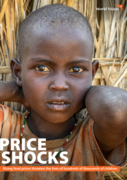
Conflict, climate change, the COVID-19 pandemic, and the economic effects of the Ukraine crisis are interacting to create new and worsen existing hunger hotspots, reversing the gains families had made to escape poverty.
These guidelines provide updated evidence-based recommendations on the priority HCV-related topics from the 2018 WHO Guidelines for the care and treatment of persons diagnosed with chronic hepatitis C infection and the 2017 WHO Guidelines on hepatitis B and C testing. These priority areas are:
...
direct-acting antiviral (DAA) treatment of adolescents and children ages ≥3 years of age
simplified HCV service delivery (decentralization, integration and task sharing)
HCV diagnostics – use of point-of-care (POC) HCV ribonucleic acid (RNA) assays and reflex HCV RNA testing.
These guidelines also update existing chapters without new recommendations, such as the inclusion of new manufacturers’ protocols on the use of dried blood spot (DBS) for HCV RNA testing and new data to inform the limit of detection for HCV RNA assays as a test of cure, in addition to their use for diagnosis.
more
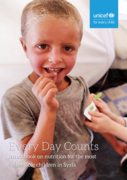
UNICEF Syria’s series of think pieces. Every day counts. An outlook on child protection for the most vulnerable children in Syria.To navigate the complex and continuously changing context and attain sustainable results for children, UNICEF – along with other UN agencies - seeks to make a shift i
...
n its programming towards early recovery while maintaining the delivery of humanitarian assistance based on needs on the ground. This will help strengthen the linkages between the needs-based emergency response and essential service restoration, socioeconomic resilience, and social cohesion.
more
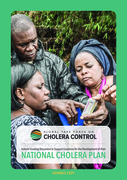
The Global Task Force on Cholera Control (GTFCC) launched Ending Cholera: A Global
Roadmap to 2030 (Global Roadmap) (1), a strategy that aims to reduce global cholera
deaths by 90% and eliminate the disease in at least 20 countries by 2030. It is
organized according to three main axes:
• E
...
nsuring early detection and response to contain outbreaks; (2)
• Adopting a multisectoral approach to prevent and control cholera in hotspots; and
• Establishing an effective coordination mechanism for technical support, resource
mobilization and partnership at local and global levels.
more
Les notes d’orientation exposent les mesures essentielles que les décideurs peuvent mettre en œuvre aux niveaux national et infranational pour les éléments suivants : tests de diagnostic de la COVID-19, prise en charge clinique de la COVID-19, atteinte des cibles en matière de vaccination con
...
tre la COVID-19, maintien
des mesures de lutte anti-infectieuse contre la COVID-19 dans les établissements de santé, renforcement de la confiance grâce à la communication sur les risques et à la mobilisation communautaire et gestion de l’infodémie autour de la COVID-19.
more
