
Filter
1012
Text search:
matrix
Featured
99
287
Language
Document type
518
171
139
65
64
23
16
9
4
1
1
Countries
46
42
29
28
25
25
22
21
21
19
18
18
17
14
14
13
12
12
11
11
10
10
9
9
9
9
8
8
7
7
7
7
7
6
6
6
6
6
6
6
5
4
4
4
4
4
3
3
3
3
3
3
2
2
2
2
2
2
2
2
2
2
2
2
2
1
1
1
1
1
1
1
1
1
1
1
1
1
1
1
1
1
1
1
1
1
1
1
1
1
1
1
1
1
1
1
1
1
1
1
1
Authors & Publishers
Publication Years
Category
417
109
59
39
36
20
13
Toolboxes
75
55
54
52
38
37
33
32
26
25
25
23
21
18
18
17
15
14
13
11
11
8
7
7
4
1
1
Consultancy to take forward the International Health Partnership
WHO Vaccine Management Handbook
STGs are designed to assist health care professionals in making decisions about appropriate, effective patient care. However, health managers often have trouble setting and meeting the high standards required of modern, developed health care systems. With stakeholders expressing concern over issues
...

A broad range of UNHCR’s key priorities overlap with MHPSS issues – for example, child protection and sexual and gender-based violence [SGBV] prevention and response.
Despite all these existent synergies, UNHCR’s current policies and guidelines do not sufficiently link with MHPSS principles.
...
A process for improving community awareness and preparedness for technological hazards and environmental emergencies
Healthcare Waste Management Toolkit for Global Fund Practitioners and Policy Makers. Part B
This report aims to estimate the economic cost of providing regular access to healthcare for migrants in an irregular situation, compared with the cost of providing treatment in emergency cases only. Two specific medical conditions – hypertension and prenatal care – were selected as examples, an
...

Independent Monitoring Board of the Global Polio Eradication Initiative (Twelfth Report: October 2015)
This provisional Facilitator's Kit provides a complete framework for a 3-day training on Community Preparedness for Reproductive Health and Gender. The goal is to build community capacity to prepare and respond to risks and inequities faced by women and girls during emergencies.
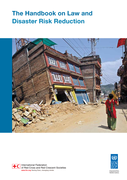
The Handbook on Law and Disaster Risk Reduction (the Handbook) has been developed to provide guidance on how to use the Checklist and conduct related legislative reviews and reform processes. While the methodology for using the Checklist needs to be tailored to each country’s context and respectiv
...

3ie Impact Evaluation Report 39
This curricula guide builds on several existing products of WHO and partners, aimed at supporting countries in their effort to address the first objective of the GAP-AMR (to improve awareness and understanding of AMR). It is targeted specifically at health educators and policy planners, and applies
...
Technology landscape
