
Filter
2418
Text search:
Tb
policies
Featured
214
846
Language
2058
169
115
31
28
28
13
8
7
6
6
3
1
1
1
1
1
1
1
1
1
Document type
1448
327
296
120
102
45
40
21
9
6
3
1
Countries
155
103
92
72
72
69
62
58
55
53
48
47
47
44
43
43
41
38
37
37
30
30
28
27
26
26
25
24
24
22
22
22
20
20
20
19
17
16
15
15
15
13
12
11
11
11
10
9
8
7
7
7
7
6
6
6
6
5
5
5
4
4
4
4
3
3
2
2
2
2
2
2
2
2
2
2
2
2
2
1
1
1
1
1
1
1
1
1
1
1
1
1
1
1
1
1
1
1
1
1
1
1
1
1
1
1
1
1
1
1
1
1
1
Authors & Publishers
202
93
58
55
52
50
49
31
24
23
22
20
18
18
17
17
17
16
16
16
15
14
14
13
13
13
12
12
11
11
11
11
10
10
10
10
10
9
9
9
9
9
9
9
8
8
8
8
8
8
8
7
7
7
7
7
7
7
7
7
6
6
6
6
6
6
6
6
6
6
6
6
6
5
5
5
5
5
5
5
5
5
5
5
5
5
5
5
5
5
5
5
5
5
4
4
4
4
4
4
4
4
4
4
4
4
4
4
4
4
4
4
4
4
4
4
4
4
4
4
4
4
4
4
4
4
4
4
4
4
4
4
4
3
3
3
3
3
3
3
3
3
3
3
3
3
3
3
3
3
3
3
3
3
3
3
3
3
3
3
3
3
3
3
3
3
3
3
3
3
3
3
3
3
3
3
3
3
3
3
3
3
3
3
3
3
3
3
3
2
2
2
2
2
2
2
2
2
2
2
2
2
2
2
2
2
2
2
2
2
2
2
2
2
2
2
2
2
2
2
2
2
2
2
2
2
2
2
2
2
2
2
2
2
2
2
2
2
2
2
2
2
2
2
2
2
2
2
2
2
2
2
2
2
2
2
2
2
2
2
2
2
2
2
2
2
2
2
2
2
2
2
2
2
2
2
2
2
2
2
2
2
2
2
2
2
2
2
2
2
2
2
2
2
2
2
2
2
2
2
2
2
2
2
2
2
2
2
2
2
2
2
2
2
2
2
2
2
2
2
2
2
2
2
2
2
2
2
2
2
2
2
2
2
2
2
2
2
1
1
1
1
1
1
1
1
1
1
1
1
1
1
1
1
1
1
1
1
1
1
1
1
1
1
1
1
1
1
1
1
1
1
1
1
1
1
1
1
1
1
1
1
1
1
1
1
1
1
1
1
1
1
1
1
1
1
1
1
1
1
1
1
1
1
1
1
1
1
1
1
1
1
1
1
1
1
1
1
1
1
1
1
1
1
1
1
1
1
1
1
1
1
1
1
1
1
1
1
1
1
1
1
1
1
1
1
1
1
1
1
1
1
1
1
1
1
1
1
1
1
1
1
1
1
1
1
1
1
1
1
1
1
1
1
1
1
1
1
1
1
1
1
1
1
1
1
1
1
1
1
1
1
1
1
1
1
1
1
1
1
1
1
1
1
1
1
1
1
1
1
1
1
1
1
1
1
1
1
1
1
1
1
1
1
1
1
1
1
1
1
1
1
1
1
1
1
1
1
1
1
1
1
1
1
1
1
1
1
1
1
1
1
1
1
1
1
1
1
1
1
1
1
1
1
1
1
1
1
1
1
1
1
1
1
1
1
1
1
1
1
1
1
1
1
1
1
1
1
1
1
1
1
1
1
1
1
1
1
1
1
1
1
1
1
1
1
1
1
1
1
1
1
1
1
1
1
1
1
1
1
1
1
1
1
1
1
1
1
1
1
1
1
1
1
1
1
1
1
1
1
1
1
1
1
1
1
1
1
1
1
1
1
1
1
1
1
1
1
1
1
1
1
1
1
1
1
1
1
1
1
1
1
1
1
1
1
1
1
1
1
1
1
1
1
1
1
1
1
1
1
1
1
1
1
1
1
1
1
1
1
1
1
1
1
1
1
1
1
1
1
1
1
1
1
1
1
1
1
1
1
1
1
1
1
1
1
1
1
1
1
1
1
1
1
1
1
1
1
1
1
1
1
1
1
1
1
1
1
1
1
1
1
1
1
1
1
1
1
1
1
1
1
1
1
1
1
1
1
1
1
1
1
1
1
1
1
1
1
1
1
1
1
1
1
1
1
1
1
1
1
1
1
1
1
1
1
1
1
1
1
1
1
1
1
1
1
1
1
1
1
1
1
1
1
1
1
1
1
1
1
1
1
1
1
1
1
1
1
1
1
1
1
1
1
1
1
1
1
1
1
1
1
1
1
1
1
1
1
1
1
1
1
1
1
1
1
1
1
1
1
1
1
1
1
1
1
1
1
1
1
1
1
1
1
1
1
1
1
1
1
1
1
1
1
1
1
1
1
1
1
1
1
1
1
1
1
1
1
1
1
1
1
1
1
1
1
1
1
1
1
1
1
1
1
1
1
1
1
1
1
1
1
1
1
1
1
1
1
1
1
1
1
1
1
1
1
1
1
1
1
1
1
1
1
1
1
1
1
1
1
1
1
1
1
1
1
1
1
1
1
1
1
1
1
1
1
1
1
1
1
1
1
1
1
1
1
1
1
1
1
1
1
1
1
1
1
1
1
1
1
1
1
1
1
1
1
1
1
1
1
1
1
1
1
1
1
1
1
1
1
1
1
1
1
1
1
1
1
1
1
1
1
1
1
1
1
1
1
1
1
1
1
1
1
1
1
1
1
1
1
1
1
1
1
1
1
1
1
1
1
1
1
1
1
1
1
1
1
1
1
1
1
1
1
1
1
1
1
1
1
1
1
1
1
1
1
1
1
1
1
1
1
1
1
1
1
1
1
1
1
1
1
1
1
1
1
1
1
1
1
1
1
1
1
1
1
1
1
1
1
1
1
1
1
1
1
1
1
1
1
1
1
1
1
1
1
1
1
1
1
1
1
1
1
1
1
1
1
1
1
1
1
1
1
1
1
1
1
1
1
1
1
1
1
1
1
1
1
1
1
1
1
1
1
1
1
1
1
1
1
1
1
1
1
1
1
1
1
1
1
1
1
1
1
1
1
1
1
1
1
1
1
1
1
1
1
1
1
1
1
1
1
1
1
1
1
1
1
1
1
1
1
1
1
1
1
1
1
1
1
1
1
1
1
1
1
1
1
1
1
1
1
1
1
1
1
1
1
1
1
1
1
1
1
1
1
1
1
1
1
1
1
1
1
1
1
1
1
1
1
1
1
1
1
1
1
1
1
1
1
1
1
1
1
1
1
1
1
1
1
1
1
1
1
1
1
1
1
1
1
1
1
1
1
1
1
1
1
1
1
1
1
1
1
1
1
1
1
1
1
1
1
1
1
1
1
1
1
1
1
1
1
1
1
1
1
1
1
1
1
1
1
1
1
1
1
1
1
1
1
1
1
1
1
1
1
1
1
1
1
1
1
1
1
1
1
1
1
1
1
1
1
1
1
1
1
1
1
1
1
1
1
1
1
1
1
1
1
1
1
1
1
1
1
1
1
1
1
1
1
1
1
1
1
1
1
1
1
1
1
1
1
1
1
1
1
1
1
1
1
1
1
1
1
1
1
1
1
1
1
1
1
1
1
1
1
1
1
1
1
1
1
1
1
1
1
1
1
1
1
1
1
1
1
1
1
1
1
1
1
1
1
1
1
1
1
1
1
1
1
1
1
1
1
1
1
1
1
1
1
1
1
1
1
1
1
1
1
1
1
1
1
1
1
1
1
1
1
1
1
1
1
1
1
1
1
1
1
1
1
1
1
1
1
1
1
1
1
1
1
1
1
1
1
1
1
1
1
1
1
1
1
1
1
1
1
1
1
1
1
1
1
1
1
1
1
1
1
1
1
1
1
1
1
1
1
1
1
1
1
1
1
1
1
1
1
1
1
1
1
1
1
1
1
1
1
1
1
1
1
1
1
1
1
1
1
1
1
1
1
1
1
1
1
1
1
1
1
1
1
1
1
1
1
1
1
1
1
1
1
1
1
1
1
1
1
1
1
1
1
1
1
1
1
1
1
1
1
1
1
1
1
1
1
1
1
1
1
1
1
1
1
1
1
1
1
1
1
1
1
1
1
1
1
1
1
1
1
1
1
1
1
1
1
1
1
1
1
1
1
1
1
1
1
1
1
1
1
1
1
1
1
1
1
1
1
1
1
1
1
1
1
1
1
1
1
1
1
1
1
1
1
1
1
1
1
1
1
1
1
1
1
1
1
1
1
1
1
1
1
1
1
1
1
1
1
1
1
1
1
1
1
1
1
1
1
1
1
1
1
1
1
1
1
1
1
1
1
1
1
1
1
1
1
1
1
1
1
1
1
1
1
1
1
1
1
1
1
1
1
1
1
1
1
1
1
1
1
1
1
1
1
1
1
1
1
1
1
1
1
1
1
1
1
1
1
1
1
1
1
1
1
1
1
1
1
1
1
1
1
1
1
1
1
1
1
1
1
1
1
1
1
1
1
1
1
Publication Years
566
1606
240
6
Category
1505
110
81
60
59
19
16
Toolboxes
464
167
106
68
45
45
43
39
32
30
30
24
21
21
20
15
14
12
11
11
9
4
3
2
1

The Practical manual on laboratory strengthening, 2022 update provides practical guidance on implementation of WHO recommendations and best practices for TB laboratory strengthening. It is an updated version of the GLI Practical Guide to Laboratory
...
Strengthening published in 2017 and provides the latest practical guidance on use of newly recommended diagnostics as well as guidance in key technical areas, including quality assurance and quality management systems, specimen collection and registration, procurement and supply-chain management, diagnostic connectivity, biosafety, data management, human resources, strategic planning, and model algorithms. The key changes are:
inclusion of recent or updated WHO recommendations for tests to diagnose TB and detect drug resistance;
alignment with the latest WHO critical concentrations for phenotypic drug-susceptibility testing (DST) and the new definitions of pre-XDR-TB and XDR-TB;
updated information on building quality-assured TB testing and management capacity using the Stepwise Laboratory Quality Improvement Process Towards Accreditation (SLIPTA) approach (Score-TB package1);
updated information on assessing, analysing and optimising TB diagnostic networks; and
updated information on the use of next-generation sequencing (NGS) to detect mutations associated with drug resistance for surveillance purposes.
The document also provides references to resources and tools relevant for work on laboratory strengthening.
more

Despite being a preventable and curable infectious disease, tuberculosis (TB) has continued to elude global controll efforts. In 2023, 8.2 milion people with TB were diagnosed and notified to the WH
...
O, the hightest number ever reported since WHO began tracking.
more

This report presents an overview of the transition process in Azerbaijan, some sustainability aspects and challenges stemming from donor withdrawal from TB-related activities, along with recommendations on how to overcome transition-related difficu
...
lties and ensure sustainability.
more

Outstanding child and adolescent TB priorities include the need to: find the missing children with active TB and link them to TB care; prevent
...
TB in children who are in contact with infectious TB cases (through implementation of active contact investigation and provision of preventive treatment); and advance integration within general child health services, including maternal and child health/ reproductive, maternal, newborn, child and adolescent health, HIV, nutrition and other programmes.
more
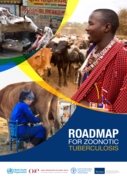
Zoonotic tuberculosis (TB) is a form of TB in people predominantly caused by the bacterial species, Mycobacterium bovis, which belongs to the M. tuberculosis complex. The implications of z
...
oonotic TB go beyond human health. The organism is host-adapted to cattle, where it is referred to as bovine TB, and it also causes TB in other animal species including wildlife. Bovine TB has an important economic impact and threatenslivelihoods.
more
Health Situation
Health policies and systems
Cooperation for Health
WHO Country Cooperation Strategic Agenda (2008-2013)

This regional advocacy strategy on HIV and AIDS, tuberculosis (TB) and sexually transmitted infetions (STIs) is intended for use by Southern African Development Community (SADC) Member States at a national level. This is an overall advocacy strategy
...
highlighting the most important issues relating to HIV and AIDS, TB and STIs in the Southern African region. It provides a broad advocacy framework for each of the issues identied, along with key targets, messages, and interventions
more
This handbook builds on lessons learned from surveys implemented 2015-2017 and advice provided by the Global task force on TB patient cost surveys. It provides a standardized methodology for conducting health facility-based cross-sectional surveys t
...
o assess the direct and indirect costs incurred by TB patients and their households. In addition, it provides recommendations on results dissemination, engaging across sectors in policy dialogue and enabling action and related research for effective modifications in care delivery models, in patient support, and wider cross-sectoral interventions.
more
Latent Tuberculosis Infection : Updated and consolidated guidelines for programmatic management
recommended
The consolidated guidelines are expected to provide the basis and rationale for the development of national guidelines for LTBI management, adapted to the national and local epidemiology of TB, the availability of resources, the health infrastructur
...
e and other national and local determinants. The guidelines are to be used primarily in national TB and HIV control programmes, or their equivalents in ministries of health, and for other policy-makers working on TB and HIV and infectious diseases. They are also appropriate for officials in other line ministries with work in the areas of health.
more
From policy to practice: how the TB-HIV response is working
“The HIV community must place much more focus on TB co-infection than
it has done to date.
...
TB takes the lives of over 1000 people living with HIV
every day, a number which is absolutely unacceptable. This report highlights that
TB doesn’t have to be a death sentence for people living with HIV, but we need
more action. By joining forces, the HIV and TB community can finally give this
deadly issue the attention it deserves.”
– Mike Podmore, Director STOPAIDS
more
Guideline: Nutritional care and support for patients with tuberculosis
Maria del Carmen Casanovas, Knut Lönnroth, Luz Maria De-Regil et al
World Health Organization
(2013)
C_WHO
Undernutrition increases the risk of tuberculosis (TB) and in turn TB can lead to malnutrition. Undernutrition is therefore highly prevalent among people with
...
TB. It has been demonstrated that undernutrition is a risk factor for progression from TB infection to active TB disease and that undernutrition at the time of diagnosis of active TB is a predictor of increased risk of death and TB relapse. However, the evidence concerning the effect of nutritional supplementation on TB prevention and health outcomes among people with TB had not previously been systematically reviewed. This guideline provides guidance on the principles and recommendations for nutritional care and support of patients with TB as part of their regular TB care
more
Economic Issues, Policies and Option for Action

Addressing comorbidities and risk factors for TB is a crucial component of Pillar one of the End TB Strategy, which focuses on integrated patient-centred care and prevention, including action on
...
TB and comorbidities. The Framework for collaborative action on TB and comorbidities aims to support countries in the evidence-informed introduction and scale-up of holistic people-centred services for TB, comorbidities and health-related risk factors, with the goal of comprehensively addressing TB and other co-existing health conditions. It should be used in conjunction with relevant WHO guidelines. The Framework is intended for use by people working in ministries of health, other relevant line-ministries, policymakers, international technical and funding organizations, researchers, nongovernmental and civil society organizations, as well as primary care workers, specialist health practitioners, and community health workers who support the response to TB and comorbidities in both the public and private sectors.
more

Addressing comorbidities and risk factors for tuberculosis (TB) is a crucial component of the World Health Organization (WHO)’s End TB Strategy. This WHO operational handbook on tuberculosis. Modu
...
le 6: tuberculosis and comorbidities aims to support countries in scaling up people-centred care, based on the latest WHO recommendations on TB and key comorbidities, and drawing upon additional evidence, best practices and inputs from various experts and stakeholders obtained during WHO processes. It is intended for use by people working in ministries of health, particularly TB programmes and the relevant departments or programmes responsible for comorbidities and health-related risk factors for TB such as HIV, diabetes, undernutrition, substance use, and tobacco use, as well as programmes addressing mental health and lung health. This operational handbook is a living document and will include a separate section for each of the key TB comorbidities or health-related risk factors. The third edition includes guidance for HIV-associated TB, mental health conditions and diabetes, which are three conditions strongly associated with TB and which result in higher mortality, poorer TB treatment outcomes and negatively impact health-related quality of life. The operational handbook aims to facilitate early detection, proper assessment and adequate management of people affected by TB and comorbidities. Full implementation of this guidance is expected to have a significant impact on TB treatment outcomes and health-related quality of life for people affected by TB.
more

This report was developed by the WHO TB Vaccine Accelerator Finance and Access working group, co-led by WHO, Gavi and the Government of South Africa. It sets out the working group’s shared vision for equitable access to novel
...
TB vaccines and will advance a shared understanding of the current landscape and its possible evolution in the future. It identifies six urgently needed solutions to accelerate access and financing and highlights the roles of different stakeholders to support the implementation of these solutions.
more

This Framework offers a coherent approach for eliminating tuberculosis (TB) in low-incidence countries. It is designed to guide national policy-makers and those responsible for technical aspects of the national
...
TB response in accelerating efforts towards elimination. The document will also be informative for public health surveillance officers, practitioners and nongovernmental and civil society partners working on natioal TB care and prevention and serving the populations most vulnerable to TB.
more
This guidance is intended for use in developing standalone TB strategic plans, or TB interventions as part of multidisease or health sector plans. It describes key considerations and steps for strat
...
egic planning for TB in line with the World Health Organization’s End TB strategy, and the proposed structure of the NSP. The target audience of this publication are all stakeholders involved in national strategic planning for TB (e.g., ministry of health, other government ministries, private sector, civil society, affected communities, academic and research institutions, and technical and funding partners).
The current document is an update to the 2015 Toolkit to develop a national strategic plan for TB prevention, care and control.
more

Mental health issues are usually given very low priority in health service policies. Although this is changing, African countries are still confronted with so many problems caused by communicable diseases and malnutrition that they have not woken up
...
to the impact of mental disorders. Every country must formulate a mental health policy based on its own social and cultural realities. Such policies must take into account the scope of mental health problems, provide proven and affordable interventions, safeguard patients’ rights, and ensure equity.
more
The World Health Organization and the Global Fund to Fight AIDS, Tuberculosis and Malaria are part of a group of agencies working together to accelerate progress towards the health-related SDGs through the Global Action Plan for Healthy Lives and Well-being for All. Understanding patterns of inequal
...
ities in these diseases is essential for taking strategic, evidence-informed action to realize our shared vision of ending the epidemics of HIV, TB and malaria.
This report presents the first comprehensive analysis of the magnitude and patterns of socioeconomic, demographic and geographic inequalities in disease burden and access to services for prevention and treatment.
The results confirm there have been improvements in service coverage and decreased disease burden at the national level over the past decade. But they also reveal an uncomfortable reality: unfair inequalities between population subgroups within countries are widespread and have remained largely unchanged over the past decade. For some disease indicators, inequalities are even worsening.
Moreover, the report points to the persistent lack of available data to fully understand inequality patterns in HIV, TB and malaria. Collecting data to improve the monitoring of inequalities in these diseases is vital to develop targeted responses for impact.
There are, encouragingly, isolated successes in reducing inequities. Change is possible when deliberate action is taken to reach disadvantaged populations.
more
The roadmap describes the actions needed to
achieve the three development goals for TB
vaccines set by the WHO:
1. A safe, effective and affordable TB vaccine
for adolescents and adults.
2. An
...
affordable TB vaccine for neonates and
infants with improved safety and efficacy.
3. A therapeutic vaccine to improve TB
treatment outcomes
more
