Filter
1202
Text search:
FAO
Featured
66
349
Language
Document type
463
344
136
107
53
37
20
18
10
7
2
1
1
1
Countries
64
33
28
28
27
26
23
22
20
20
20
19
17
17
16
15
14
13
11
11
11
11
10
10
10
10
10
10
10
9
9
8
8
8
8
7
7
7
6
6
6
6
6
6
5
5
5
5
5
5
5
5
4
4
4
4
4
4
4
4
4
3
3
3
3
3
3
3
3
3
3
2
2
2
2
2
2
2
2
2
2
2
2
2
2
2
1
1
1
1
1
1
1
1
1
1
1
1
1
1
1
1
1
1
1
1
1
1
1
1
1
1
1
1
1
1
1
Authors & Publishers
Publication Years
Category
412
142
48
32
29
11
2
Toolboxes
190
182
102
67
58
46
41
39
31
25
12
11
10
10
8
8
7
7
6
6
6
6
5
4
1
1
1
El Niño conditions persisting during the 2015/16 planting season have caused the worst drought in 35 years in Southern Africa, resulting in a second consecutive failed harvest. This has created severe food shortages and compounded existing vulnerabilities. Since July 2016, Namibia and Botswana have
...
This new publication presents the continuing and emerging challenges to children’s environmental health.
Food Security in Indonesia


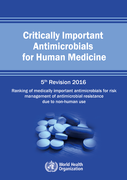
5th revised edition.
This document provides a ranking of medically important antimicrobials for risk management of antimicrobial resistance due to non-human use. The current revision took place at the seventh meeting of the AGISAR held in Raleigh, United States of America in 2016.


Available in English, French, Spanish, Russian, Chinese, Arabic and Portugues
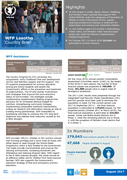

United Nations Office of the Resident Coordinator | http://www.unlesotho.org/