
Filter
3643
Text search:
Crisis
Response
Featured
308
914
Language
3381
134
109
76
72
53
24
23
12
6
6
4
4
4
3
3
3
3
3
2
2
2
2
2
2
2
2
2
2
2
2
2
1
1
1
1
1
1
1
1
1
1
1
1
1
1
Document type
1624
863
378
237
226
113
111
53
13
12
6
4
2
1
Countries
235
156
114
113
89
83
80
77
75
72
72
71
66
66
57
56
54
52
51
47
45
41
40
38
36
33
27
26
26
24
24
23
23
22
22
21
21
21
20
20
20
19
19
19
18
18
17
16
15
15
15
14
14
13
13
12
11
10
10
10
9
9
8
8
7
7
7
7
7
7
6
6
6
6
6
5
5
5
5
5
5
5
4
4
4
4
4
4
4
3
3
3
3
3
3
3
2
2
2
2
2
2
2
2
2
2
2
2
2
2
2
2
2
2
2
2
2
2
2
1
1
1
1
1
1
1
1
1
1
1
1
1
1
1
1
1
1
1
1
1
1
1
Authors & Publishers
363
112
83
81
77
75
67
45
45
45
44
43
42
35
33
31
30
30
30
29
29
28
27
24
21
21
21
19
18
17
15
15
15
15
15
14
14
14
13
13
13
13
13
12
12
12
12
12
12
10
10
10
10
9
9
9
9
9
8
8
8
8
8
8
7
7
7
7
7
7
7
7
7
7
7
7
7
6
6
6
6
6
6
6
6
6
6
6
6
6
6
6
6
6
6
6
6
5
5
5
5
5
5
5
5
5
5
5
5
5
5
5
5
5
5
5
5
5
5
5
5
4
4
4
4
4
4
4
4
4
4
4
4
4
4
4
4
4
4
4
4
4
4
4
4
4
4
4
4
4
4
4
4
4
4
4
3
3
3
3
3
3
3
3
3
3
3
3
3
3
3
3
3
3
3
3
3
3
3
3
3
3
3
3
3
3
3
3
3
3
3
3
3
3
3
3
3
3
3
3
3
3
3
3
3
3
3
3
3
3
3
3
3
3
3
3
3
3
3
3
3
3
2
2
2
2
2
2
2
2
2
2
2
2
2
2
2
2
2
2
2
2
2
2
2
2
2
2
2
2
2
2
2
2
2
2
2
2
2
2
2
2
2
2
2
2
2
2
2
2
2
2
2
2
2
2
2
2
2
2
2
2
2
2
2
2
2
2
2
2
2
2
2
2
2
2
2
2
2
2
2
2
2
2
2
2
2
2
2
2
2
2
2
2
2
2
2
2
2
2
2
2
2
2
2
2
2
2
2
2
2
2
2
2
2
2
2
2
2
2
2
2
2
2
2
2
2
2
2
2
2
2
2
2
2
2
2
2
2
2
2
2
2
2
2
2
2
2
2
2
2
2
2
2
2
2
2
2
2
2
2
2
2
2
2
2
2
2
2
2
2
2
2
2
2
2
2
2
2
2
2
2
2
2
2
2
2
2
2
2
2
2
2
2
2
2
2
2
2
2
2
2
2
2
1
1
1
1
1
1
1
1
1
1
1
1
1
1
1
1
1
1
1
1
1
1
1
1
1
1
1
1
1
1
1
1
1
1
1
1
1
1
1
1
1
1
1
1
1
1
1
1
1
1
1
1
1
1
1
1
1
1
1
1
1
1
1
1
1
1
1
1
1
1
1
1
1
1
1
1
1
1
1
1
1
1
1
1
1
1
1
1
1
1
1
1
1
1
1
1
1
1
1
1
1
1
1
1
1
1
1
1
1
1
1
1
1
1
1
1
1
1
1
1
1
1
1
1
1
1
1
1
1
1
1
1
1
1
1
1
1
1
1
1
1
1
1
1
1
1
1
1
1
1
1
1
1
1
1
1
1
1
1
1
1
1
1
1
1
1
1
1
1
1
1
1
1
1
1
1
1
1
1
1
1
1
1
1
1
1
1
1
1
1
1
1
1
1
1
1
1
1
1
1
1
1
1
1
1
1
1
1
1
1
1
1
1
1
1
1
1
1
1
1
1
1
1
1
1
1
1
1
1
1
1
1
1
1
1
1
1
1
1
1
1
1
1
1
1
1
1
1
1
1
1
1
1
1
1
1
1
1
1
1
1
1
1
1
1
1
1
1
1
1
1
1
1
1
1
1
1
1
1
1
1
1
1
1
1
1
1
1
1
1
1
1
1
1
1
1
1
1
1
1
1
1
1
1
1
1
1
1
1
1
1
1
1
1
1
1
1
1
1
1
1
1
1
1
1
1
1
1
1
1
1
1
1
1
1
1
1
1
1
1
1
1
1
1
1
1
1
1
1
1
1
1
1
1
1
1
1
1
1
1
1
1
1
1
1
1
1
1
1
1
1
1
1
1
1
1
1
1
1
1
1
1
1
1
1
1
1
1
1
1
1
1
1
1
1
1
1
1
1
1
1
1
1
1
1
1
1
1
1
1
1
1
1
1
1
1
1
1
1
1
1
1
1
1
1
1
1
1
1
1
1
1
1
1
1
1
1
1
1
1
1
1
1
1
1
1
1
1
1
1
1
1
1
1
1
1
1
1
1
1
1
1
1
1
1
1
1
1
1
1
1
1
1
1
1
1
1
1
1
1
1
1
1
1
1
1
1
1
1
1
1
1
1
1
1
1
1
1
1
1
1
1
1
1
1
1
1
1
1
1
1
1
1
1
1
1
1
1
1
1
1
1
1
1
1
1
1
1
1
1
1
1
1
1
1
1
1
1
1
1
1
1
1
1
1
1
1
1
1
1
1
1
1
1
1
1
1
1
1
1
1
1
1
1
1
1
1
1
1
1
1
1
1
1
1
1
1
1
1
1
1
1
1
1
1
1
1
1
1
1
1
1
1
1
1
1
1
1
1
1
1
1
1
1
1
1
1
1
1
1
1
1
1
1
1
1
1
1
1
1
1
1
1
1
1
1
1
1
1
1
1
1
1
1
1
1
1
1
1
1
1
1
1
1
1
1
1
1
1
1
1
1
1
1
1
1
1
1
1
1
1
1
1
1
1
1
1
1
1
1
1
1
1
1
1
1
1
1
1
1
1
1
1
1
1
1
1
1
1
1
1
1
1
1
1
1
1
1
1
1
1
1
1
1
1
1
1
1
1
1
1
1
1
1
1
1
1
1
1
1
1
1
1
1
1
1
1
1
1
1
1
1
1
1
1
1
1
1
1
1
1
1
1
1
1
1
1
1
1
1
1
1
1
1
1
1
1
1
1
1
1
1
1
1
1
1
1
1
1
1
1
1
1
1
1
1
1
1
1
1
1
1
1
1
1
1
1
1
1
1
1
1
1
1
1
1
1
1
1
1
1
1
1
1
1
1
1
1
1
1
1
1
1
1
1
1
1
1
1
1
1
1
1
1
1
1
1
1
1
1
1
1
1
1
1
1
1
1
1
1
1
1
1
1
1
1
1
1
1
1
1
1
1
1
1
1
1
1
1
1
1
1
1
1
1
1
1
1
1
1
1
1
1
1
1
1
1
1
1
1
1
1
1
1
1
1
1
1
1
1
1
1
1
1
1
1
1
1
1
1
1
1
1
1
1
1
1
1
1
1
1
1
1
1
1
1
1
1
1
1
1
1
1
1
1
1
1
1
1
1
1
1
1
1
1
1
1
1
1
1
1
1
1
1
1
1
1
1
1
1
1
1
1
1
1
1
1
1
1
1
1
1
1
1
1
1
1
1
1
1
1
1
1
1
1
1
1
1
1
1
1
1
1
1
1
1
1
1
1
1
1
1
1
1
1
1
1
1
1
1
1
1
1
1
1
1
1
1
1
1
1
1
1
1
1
1
1
1
1
1
1
1
1
1
1
1
1
1
1
1
1
1
1
1
1
1
1
1
1
1
1
1
1
1
1
1
1
1
1
1
1
1
1
1
1
1
1
1
1
1
1
1
1
1
1
1
1
1
1
1
1
1
1
1
1
1
1
1
1
1
1
1
1
1
1
1
1
1
1
1
1
1
1
1
1
1
1
1
1
1
1
1
1
1
1
1
1
1
1
1
1
1
1
1
1
1
1
1
1
1
1
1
1
1
1
1
1
1
1
1
1
1
1
1
1
1
1
1
1
1
1
1
1
1
1
1
1
1
1
1
1
1
1
1
1
1
1
1
1
1
1
1
1
1
1
1
1
1
1
1
1
1
1
1
1
1
1
1
1
1
1
1
1
1
1
1
1
1
1
1
1
1
1
1
1
1
1
1
1
1
1
1
1
1
1
1
1
1
1
1
1
1
1
1
1
1
1
1
1
1
1
1
1
1
1
1
1
1
1
1
1
1
1
1
1
1
1
1
1
1
1
1
1
1
1
1
1
1
1
1
1
1
1
1
1
1
1
1
1
1
1
1
1
1
1
1
1
1
1
1
1
1
1
1
1
1
1
1
1
1
1
1
1
1
1
1
1
1
1
1
1
1
1
1
1
1
1
1
1
1
1
1
1
1
1
1
1
1
1
1
1
1
1
1
1
1
1
1
1
1
1
1
1
1
1
1
1
1
1
1
1
1
1
1
1
1
1
1
1
1
1
1
1
1
1
1
1
1
1
1
1
1
1
1
1
1
1
1
1
1
1
1
1
1
1
1
1
1
1
1
1
1
1
1
1
1
1
1
1
1
1
1
1
1
1
1
1
1
1
1
1
1
1
1
1
1
1
1
1
1
1
1
1
1
1
1
1
1
1
1
1
1
1
1
1
1
1
1
1
1
1
1
1
1
1
1
1
1
1
1
1
1
1
1
1
1
1
1
1
1
1
1
1
1
1
1
1
1
1
1
1
1
1
1
1
1
1
1
1
1
1
1
1
1
1
1
1
1
1
1
1
1
1
1
1
1
1
1
1
1
1
1
1
1
1
1
1
1
1
1
1
1
1
1
1
1
1
1
1
1
1
1
1
1
1
1
1
1
1
1
1
1
1
1
1
1
1
1
1
1
1
1
1
1
1
1
1
1
1
1
1
1
1
1
1
1
1
1
1
1
1
1
1
1
1
1
1
1
1
1
1
1
1
1
1
1
1
1
1
1
1
1
1
1
1
1
1
1
1
1
1
1
1
1
1
1
1
1
1
1
1
1
1
1
1
1
1
1
1
1
1
1
1
1
1
1
1
1
1
1
1
1
1
1
1
1
1
1
1
1
1
1
1
1
1
1
1
1
1
1
1
1
1
1
1
1
1
1
1
1
1
1
1
1
1
1
1
1
1
1
1
1
1
1
1
1
1
1
1
1
1
1
1
1
1
1
1
1
1
1
1
1
1
1
1
1
1
1
1
1
1
1
1
1
1
1
1
1
1
1
1
1
1
1
1
1
1
1
1
1
1
1
1
1
1
1
1
1
1
1
1
1
1
1
1
1
1
1
1
1
1
1
1
1
1
1
1
1
1
1
1
1
1
1
1
1
1
1
1
1
1
1
1
1
1
1
1
1
1
1
1
1
1
1
1
1
1
1
1
1
1
1
1
1
1
1
1
1
1
1
1
1
1
1
1
1
1
1
1
1
1
1
1
1
1
1
1
1
1
1
1
1
1
1
1
1
1
1
1
1
1
1
1
1
1
1
1
1
1
1
1
1
1
1
1
1
1
1
1
1
1
1
1
1
1
1
1
1
1
1
1
1
1
1
1
1
1
1
1
1
1
1
1
1
1
1
1
1
1
1
1
1
1
1
1
1
1
1
1
1
1
1
1
1
1
1
1
1
1
1
1
1
1
1
1
1
1
1
1
1
1
1
1
1
1
1
1
1
1
1
1
1
1
1
1
1
1
1
1
1
1
1
1
1
1
1
1
1
1
1
1
1
1
1
1
1
1
1
1
1
1
1
1
1
1
1
1
1
1
1
1
1
1
1
1
1
1
1
1
1
1
1
1
1
1
1
1
1
1
1
1
1
1
1
1
1
1
1
1
1
1
1
1
1
1
1
1
1
1
1
1
1
1
1
1
1
1
1
1
1
1
1
1
1
1
1
1
1
1
1
1
1
1
1
1
1
1
1
1
1
1
1
1
1
1
1
1
1
1
1
1
1
1
1
1
1
1
1
1
1
1
1
1
1
1
1
1
1
1
1
1
1
1
1
1
1
1
1
1
1
1
1
1
1
1
1
1
1
1
1
1
1
1
1
1
1
1
1
1
1
1
1
1
1
1
1
1
1
1
1
1
1
1
1
1
1
1
1
1
1
1
1
1
1
1
1
1
1
1
1
1
1
1
1
1
1
1
1
1
1
1
1
1
1
1
1
1
1
1
1
1
1
1
1
1
1
1
1
1
1
1
1
1
1
1
1
1
1
1
1
1
1
1
1
1
1
1
1
1
1
1
1
1
1
1
1
1
1
1
1
1
1
1
1
1
1
1
1
1
1
1
1
1
1
1
1
1
1
1
1
1
1
1
1
1
1
1
1
1
1
1
1
1
1
1
1
1
1
1
1
1
1
1
1
1
1
1
1
1
1
1
1
1
1
1
1
1
1
1
1
1
1
1
1
1
1
1
1
1
1
1
1
1
1
1
1
1
1
1
1
1
1
1
1
1
1
1
1
1
1
1
1
1
1
1
1
1
1
1
1
1
1
1
1
1
1
1
1
1
1
1
1
1
1
1
1
1
1
1
1
1
1
1
1
1
1
1
1
1
1
1
1
1
1
1
1
1
1
1
1
1
1
1
1
1
1
1
1
1
1
1
1
1
1
1
1
1
1
1
1
1
1
1
1
1
1
1
1
1
1
1
1
1
1
1
1
1
1
1
1
1
1
1
1
1
Publication Years
1
1547
1883
204
8
Category
1296
378
148
146
113
47
5
3
Toolboxes
578
341
312
203
182
148
144
110
100
93
73
73
66
62
58
46
37
34
32
28
27
23
21
16
13
6
2

SDG Costing & Financing for Low-Income Developing Countries
Sachs, J.; G. McCord; N. Maennling et al.
UN Sustainable Development Solutions Network (SDSN)
(2019)
CC
The Sustainable Development Goals (SDGs) call for major societal transformations that will require significant fiscal outlays as well as private investments. The fiscal outlays cover public investments, the public provision of social services, and social protection for vulnerable populations. The ke
...
y message of this paper, building on recent reports by the IMF and SDSN (IMF, 2019b; SDSN, 2018) is that the governments of Low-Income Developing Countries (LIDCs) will require a substantial increase in fiscal (budget) revenues, far beyond what they can achieve by their own fiscal reforms. For this reason, SDG financing will require substantial international cooperation to enable the LIDCs to finance their SDG fiscal outlays. One important source of increased revenues should be the globally coordinated taxation of ultra-high-net worth assets. Today’s ultra-rich should help to pay for the survival and basic needs of the world’s poorest people.
more
KEY MESSAGES
Always talk to a GBV specialist first to understand what GBV services are available in your area. Some services may take the form of hotlines, a mobile app or other remote support.
Be aware of any other available services in your area. Identify services provided by humanitarian pa
...
rtners such as health, psychosocial support, shelter and non-food items. Consider services provided by communities such as mosques/ churches, women’s groups and Disability Service Organizations.
Remember your role. Provide a listening ear, free of judgment. Provide accurate, up-to-date information on available services. Let the survivor make their own choices. Know what you can and cannot manage. Even without a GBV actor in your area, there may be other partners, such as a child protection or mental health specialist, who can support survivors that require additional attention and support. Ask the survivor for permission before connecting them to anyone else. Do not force the survivor if s/he says no.
Do not proactively identify or seek out GBV survivors. Be available in case someone asks for support.
Remember your mandate. All humanitarian practitioners are mandated to provide non-judgmental and non-discriminatory support to people in need regardless of: gender, sexual orientation, gender identity, marital status, disability status, age, ethnicity/tribe/race/religion, who perpetrated/committed violence, and the situation in which violence was committed. Use a survivor-centered approach by practicing:
Respect: all actions you take are guided by respect for the survivor’s choices, wishes, rights and dignity.
Safety: the safety of the survivor is the number one priority.
Confidentiality: people have the right to choose to whom they will or will not tell their story. Maintaining confidentiality means not sharing any information to anyone.
Non-discrimination: providing equal and fair treatment to anyone in need of support.
If health services exist, always provide information on what is available. Share what you know, and most importantly explain what you do not. Let the survivor decide if s/he wants to access them. Receiving quality medical care within 72 hours can prevent transmission of sexually transmitted infections (STIs), and within 120 hours can prevent unwanted pregnancy.
Provide the opportunity for people with disabilities to communicate to you without the presence of their caregiver, if wished and does not endanger or create tension in that relationship.
If a man or boy is raped it does not mean he is gay or bisexual. Gender-based violence is based on power, not someone’s sexuality.
Sexual and gender minorities are often at increased risk of harm and violence due to their sexual orientation and/or gender identity. Actively listen and seek to support all survivors.
Anyone can commit an act of gender-based violence including a spouse, intimate partner, family member, caregiver, in-law, stranger, parent or someone who is exchanging money or goods for a sexual act.
Anyone can be a survivor of gender-based violence – this includes, but isn’t limited to, people who are married, elderly individuals or people who engage in sex work.
Protect the identity and safety of a survivor. Do not write down, take pictures or verbally share any personal/identifying information about a survivor or their experience, including with your supervisor. Put phones and computers away to avoid concern that a survivor’s voice is being recorded.
Personal/identifying information includes the survivor’s name, perpetrator(s) name, date of birth, registration number, home address, work address, location where their children go to school, the exact time and place the incident took place etc.
Share general, non-identifying information
To your team or sector partners in an effort to make your program safer.
To your support network when seeking self-care and encouragement.
more
In sum, the goal is to understand the need to increase fiscal space for health as a prerequisite, but within the framework of efforts to transform the health system. These changes should foster equitable and efficient expenditures and create or strengthen comprehensive integrated health systems with
...
a first level of care capable of solving health problems and coordinating networks, based on a primary health care approach that offers not only curative care but also health promotion and disease prevention services.
more
This report seeks to uncover the extent to which global goals crowd in international financing, inform domestic policy priorities, and navigate progress toward development outcomes in low- and middle-income countries (LICs and MICs). Our report:
Provides a historical perspective on how ODA financin
...
g was aligned with the MDGs, and the perceived influence of global goals in shaping domestic priorities
Offers a baseline of ODA financing to the SDGs and a forward-looking perspective in translating past lessons learned from the MDGs era into actionable insights
Using a pilot methodology developed by AidData, we analyze ODA flows during the MDGs era (2000-2013) and approximate baseline financing for each goal prior to the adoption of Agenda 2030 in September 2015. The dataset used in the report, Financing to the SDGs, Version 1.0, provides project-level data on estimated Official Development Assistance (ODA) commitments to the 17 Sustainable Development Goals (SDGs) from 2000 to 2013. In this report, we also draw upon the responses of nearly 7,000 public, private, and civil society leaders from AidData’s novel 2014 Reform Efforts Survey to assess how national-level policymakers perceive the MDGs in light of their domestic reform priorities, and what this may mean for the SDGs.
more
The definition of Official Development Assistance (ODA) has for 40 years been the global standard for measuring donor efforts in supporting development co-operation objectives. It has provided the yardstick for documenting the volume and the terms of the concessional resources provided, assessing do
...
nor performance against their aid pledges and enabling partner countries, civil society and others to hold donors to account. Yet for all its value, the ODA definition has always reflected a compromise between political expediency and statistical reality. It is based on interpretation and consensus and therefore allows for flexibility. It has evolved over the decades, while preserving the original concepts of a definition based on principal developmental motivation, official character and a degree of concessionality. While agreement on the ODA concept was a major achievement, discussion of the appropriateness of this measure has never ended. The paper documents the evolution of the ODA concept and proposes a possible new approach to measuring aid effort.
more

This report summarizes the World Health Organization’s (WHO) global work on water, sanitation and hygiene (WASH) during 2022. It describes how the Organization continued to deliver its essential WASH programming as elaborated in its 2018–2025 strategy.

The burden of diabetes is enormous, positioning it as one of the main challenges facing public health today. Currently, it is estimated that 62 million people are living with diabetes in the Region of the Americas and projections show its prevalence will continue rising over the following years. The
...
Region shows the highest number of years of healthy life lost (through either disability or premature death) due to diabetes worldwide. The high costs associated with its treatment produce a heavy economic burden. Its complications can seriously affect the quality of life of people living with diabetes, their families, and society and overload health systems. This report shows the latest internationally comparable data on diabetes and its main risk factors by year, country, and sex.
more

La carga de la diabetes es enorme, posicionándola como uno de los principales desafíos que enfrenta la salud pública en la actualidad. Actualmente, se estima que 62 millones de personas viven con diabetes en la Región de las Américas y las proyecciones muestran que su prevalencia seguirá aumen
...
tando en los próximos años. La Región muestra el mayor número de años de vida saludable perdidos (ya sea por discapacidad o muerte prematura) debido a la diabetes en todo el mundo. Los altos costes asociados a su tratamiento producen una pesada carga económica. Sus complicaciones pueden afectar seriamente la calidad de vida de las personas que viven con diabetes, sus familias y la sociedad y sobrecargar los sistemas de salud. Este informe muestra los últimos datos comparables internacionalmente sobre la diabetes y sus principales factores de riesgo por año, país y sexo. También incluye un resumen de la respuesta de los sistemas de salud de los países a la diabetes, incluidos planes nacionales, objetivos, vigilancia, directrices y acceso a medicamentos y tecnologías esenciales, y sintetiza información sobre las complicaciones relacionadas con la diabetes y la estrecha relación entre la diabetes y otras patologías, como enfermedades cardiovasculares, tuberculosis y COVID-19.
more
Financing Global Health 2014 is the sixth edition of this annually produced report on global health financing. As in previous years, this report captures trends in development assistance for health (DAH) and government health expenditure (GHE). Health financing is one of IHME’s core research areas
...
, and the aim of the series is to provide much-needed information to global health stakeholders. Updated GHE and DAH estimates allow decision-makers to pinpoint funding gaps and investment opportunities vital to improving population health. This year, IHME made a number of improvements to the data collection and methods implemented to produce Financing Global Health estimates. Both government health expenditure and development assistance for health estimates were updated and enhanced in 2013.
more
Financing Global Health 2015 is the seventh edition of IHME’s annual series on global health financing. This report captures trends in development assistance for health (DAH) and government health expenditure as source (GHE-S) in low- and middle-income countries. Annually updated GHE-S and DAH est
...
imates are produced to aid decision-makers and other global health stakeholders in identifying funding gaps and invesment opportunities vital to improving population health. This year, IHME made a number of improvements to the data collection and methods implemented to generate Financing Global Health estimates.
more

While there has been real progress in addressing the burden of disease in the WHO African region, the COVID-19 pandemic has highlighted the link between health, economics and security, as the region saw decades of progress threatened, including positive trends in decreasing inequality. In the Africa
...
n Region the momentum towards achieving the 2030 SDG disease burden reduction targets (SDG targets 3.3, 3.4 and 3B) has stalled.
The COVID-19 pandemic was also a major threat to gains made, such as the eradication of polio in the region, declared in 2020; reduced numbers of new HIV infections in 2021 compared to 2010; and passing the 2020 milestone of the End TB Strategy, with a 22% reduction in new cases compared with 2015. However, the pandemic also disrupted essential health services in 92% of countries globally, 22.7 million children missed basic immunization, there was an increase in malaria and TB, and global deaths from TB rose for the first time since 2015.
more

Previous advocacy efforts have achieved tangible goals in terms garnering political commitments
to increase financing for TB—as seen at the 2018 UN High-Level Meeting on TB. The challenge
now is to ensure that these commitments are actually met within a global biomedical research
ecosystem that
...
is designed and incentivized to prioritize the health needs of wealthy populations
more

This action plan is intended for senior-level decision-makers in ministries of health, malaria
programme managers, entomologists, and epidemiologists working on malaria and other vectorborne diseases programmes. It is also intended for decision-makers and technical and advocacy
staff at other orga
...
nizations and stakeholders involved in public health, malaria control and
elimination, and urban and rural development.
more

This document seeks to help health communication professionals working on the topic of immunization more effectively communicate about Events Supposedly Attributed to Vaccination and Immunization (ESAVI) by building trust in National Immunization Programs, understanding risk perceptions related to v
...
accination, and responding to false information related to vaccination. It includes practical dos and don’ts regarding risk communication and community engagement processes and principles, messaging, risk perceptions, handling false information, collaborating with partners, and pharmacovigilance, as well as real-world examples.
more

This guide presents a basis for understanding how diarrhoeal diseases are currently influenced by climate and weather, and may be further exacerbated by climate change. It is a technical guide on how to conduct a Vulnerability & Adaptation assessment for diarrhoeal diseases and climate change, and p
...
rovides guidance on how to:
identify populations and regions vulnerable to diarrhoeal diseases and the reasons for their vulnerability;
establish relevant baselines that can be analysed and monitored;
conduct analyses to project how diarrhoeal diseases may be impacted in the future due to climate change; and
identify appropriate responses to mitigate and monitor these risks over time.
more

In In recent years, China has increased its international engagement in health. Nonetheless, the lack
of data on contributions has limited efforts to examine contributions from China. Existing estimates that track
development assistance for health (DAH) from China have relied primarily on one data
...
set. Furthermore, little is known
about the disbursing agencies especially the multilaterals through which contributions are disbursed and how these
are changing across time. In this study, we generated estimates of DAH from China from 2007 through 2017 and
disaggregated those estimates by disbursing agency and health focus area.
more

Development assistance for health (DAH) is an important part of financing healthcare in low- and middle-income countries. We estimated the gross disbursement of DAH of the 29 Development Assistance Committee (DAC) member countries of the Organisation for Economic Co-operation and Development (OECD)
...
for 2011–2019; and clarified its flows, including aid type,
channel, target region, and target health focus area. Data from the OECD iLibrary were used. The DAH definition was based on the OECD sector classification. For core funding to non-healthspecific multilateral agencies, we estimated DAH and its flows based on the OECD methodology for
calculating imputed multilateral official development assistance (ODA).
more
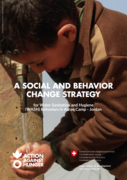
Azraq refugee camp located in Zarqa governorate was established in April 2014. As of June 2023, the camp continues to hosts 40,600 Syrian refugees, with 61% of the population children, and 25% of all households female-headed (UNHCR, 2023).
The water supply system in Azraq has been operational sin
...
ce 2017 across the four villages of the camp and consists of 300 tap stands, two boreholes and two storage locations (each with 16 T-95 steel tanks).
Based on data from UNICEF (2022), the community is provided on average 2100 cubic meters of safe, treated water a day, which is distributed across the camp via a gravity flow system. A distribution schedule is in place, with water pumped during two shift times each day in the morning and evening. Monthly data reported through ActivityInfo (2023) shows a range 53.5-76.3 million liters per month provided through the network in 2022 for an average of 57 liters/person/day – well above the locally agreed minimum standard of 35 liters/person/day and the SPHERE standard of 15 liters/person/day.
Latrine and shower facilities in the camp are organized through communal WASH blocks shared typically between three households and connected to water and greywater networks. However, based on an ACF and World Vision assessment (2022), 60% of the surveyed households are using private latrines (50% self-constructed latrines, and 10% constructed by WASH actors), 24% of households used communal latrines as private latrines not shared with other families, and 16% reported the use of communal latrines shared with other families.
more

This country cooperation strategy (CCS) outlines how the World Health Organization (WHO) will work with the Lao People’s Democratic Republic over the next five years (2024–2028), supporting the implementation of the five-year health sector development plans and the Health Sector Reform Strategy
...
2021–2030 to attain the Sustainable Development Goals (SDGs) by 2030.
The Lao People’s Democratic Republic experienced substantial economic growth in the 30 years prior to the coronavirus disease (COVID-19) pandemic, contributing to reduced poverty and significant progress toward the SDGs. However, the COVID-19 pandemic brought this development to a halt. It was anticipated that the COVID-19 recovery and the tremendous population growth in recent years would provide opportunities for a shift toward more sustainable and inclusive development in the years ahead. In 2023, however, the contrary was the case. Rural residents, including many ethnic minorities, continued to face marginalization because of limited access to education, health care and economic opportunities.
Despite the challenges of COVID-19 and other disease outbreaks, the country has made significant improvements in health. Nonetheless, progress has been uneven and not everyone has benefited from these achievements. In the mountainous region, many people lack access to quality health care because of the unequal distribution of well-trained health-care workers. Preventable deaths due to poor-quality health care for children and newborns, infants and mothers remain a concern, as do communicable diseases such as sexually transmitted infections and tuberculosis. The increasing burden of noncommunicable diseases and the health impact of worsening climate change further heighten the need for strengthened and resilient health systems, which are at risk due to an underfunded health sector and weak economy.
This CCS aims to address remaining and future challenges as well as health needs while creating an impact that is sustainable. It identifies three strategic priorities and nine deliverables (Table 1) to support the attainment of the national vision of Health for all by all, as articulated in the 9th Health Sector Development Plan 2021–2025. It contributes to the country’s goals to achieve universal health coverage, graduate from least developed country status by 2026 and attain SDGs by 2030.
more

This report shows that increased domestic revenues can and will cover only part of the necessary SDG budget spending of the LIDCs. Achieving the SDGs in the LIDCs will also require increases of both Official Development Assistance (ODA) and Private Development Assistance (PDA) to reach aggregate lev
...
els of SDG-directed development aid on the order of US$300-400 billion USD per year
more
