
Filter
4449
Text search:
preparation
Featured
498
1282
Language
4249
184
80
47
46
37
20
17
10
8
7
7
7
7
6
6
4
4
4
4
4
4
3
3
3
3
3
3
3
2
2
2
2
2
2
2
2
2
2
2
2
2
2
2
2
1
1
1
1
1
1
1
1
1
1
1
1
1
1
1
1
Document type
2445
650
571
330
166
133
77
29
20
12
8
5
1
1
Countries
235
184
126
109
109
97
93
89
85
77
73
71
68
63
59
55
52
49
49
49
47
45
34
34
33
32
30
27
26
25
24
23
23
22
20
19
18
18
17
16
15
14
14
13
12
12
11
11
10
10
10
10
9
9
9
8
8
7
7
7
7
7
6
6
6
6
6
6
6
6
5
5
5
5
5
4
4
4
4
3
3
3
3
3
3
3
3
2
2
2
2
2
2
2
2
2
2
2
2
2
2
2
2
1
1
1
1
1
1
1
1
1
1
1
1
1
1
1
1
1
1
1
1
1
1
1
1
1
1
1
1
Authors & Publishers
600
230
115
113
102
94
85
80
45
44
40
32
32
29
26
21
21
20
20
20
18
17
17
17
17
16
16
15
15
15
14
14
14
13
13
13
13
13
13
12
12
12
12
12
12
12
12
12
11
11
11
11
11
10
10
10
10
10
9
9
9
9
8
8
8
8
8
8
8
8
8
8
8
8
8
7
7
7
7
7
7
7
7
7
7
7
7
7
7
7
7
7
7
7
7
7
6
6
6
6
6
6
6
6
6
6
6
6
6
6
6
6
6
6
6
5
5
5
5
5
5
5
5
5
5
5
5
5
5
5
5
5
5
5
5
5
5
5
5
5
5
5
5
4
4
4
4
4
4
4
4
4
4
4
4
4
4
4
4
4
4
4
4
4
4
4
4
4
4
4
4
4
4
4
4
4
4
4
4
4
4
4
4
4
4
4
4
4
4
4
4
4
3
3
3
3
3
3
3
3
3
3
3
3
3
3
3
3
3
3
3
3
3
3
3
3
3
3
3
3
3
3
3
3
3
3
3
3
3
3
3
3
3
3
3
3
3
3
3
3
3
3
3
3
3
3
3
3
3
3
3
3
3
3
3
3
3
3
3
3
3
3
3
3
3
3
3
3
3
3
3
3
3
3
3
3
3
3
3
2
2
2
2
2
2
2
2
2
2
2
2
2
2
2
2
2
2
2
2
2
2
2
2
2
2
2
2
2
2
2
2
2
2
2
2
2
2
2
2
2
2
2
2
2
2
2
2
2
2
2
2
2
2
2
2
2
2
2
2
2
2
2
2
2
2
2
2
2
2
2
2
2
2
2
2
2
2
2
2
2
2
2
2
2
2
2
2
2
2
2
2
2
2
2
2
2
2
2
2
2
2
2
2
2
2
2
2
2
2
2
2
2
2
2
2
2
2
2
2
2
2
2
2
2
2
2
2
2
2
2
2
2
2
2
2
2
2
2
2
2
2
2
2
2
2
2
2
2
2
2
2
2
2
2
2
2
2
2
2
2
2
2
2
2
2
2
2
2
2
2
2
2
2
2
2
2
2
2
2
2
2
2
2
2
2
2
2
2
2
2
2
2
2
2
2
2
2
2
2
2
2
2
2
2
2
2
2
2
2
2
2
2
1
1
1
1
1
1
1
1
1
1
1
1
1
1
1
1
1
1
1
1
1
1
1
1
1
1
1
1
1
1
1
1
1
1
1
1
1
1
1
1
1
1
1
1
1
1
1
1
1
1
1
1
1
1
1
1
1
1
1
1
1
1
1
1
1
1
1
1
1
1
1
1
1
1
1
1
1
1
1
1
1
1
1
1
1
1
1
1
1
1
1
1
1
1
1
1
1
1
1
1
1
1
1
1
1
1
1
1
1
1
1
1
1
1
1
1
1
1
1
1
1
1
1
1
1
1
1
1
1
1
1
1
1
1
1
1
1
1
1
1
1
1
1
1
1
1
1
1
1
1
1
1
1
1
1
1
1
1
1
1
1
1
1
1
1
1
1
1
1
1
1
1
1
1
1
1
1
1
1
1
1
1
1
1
1
1
1
1
1
1
1
1
1
1
1
1
1
1
1
1
1
1
1
1
1
1
1
1
1
1
1
1
1
1
1
1
1
1
1
1
1
1
1
1
1
1
1
1
1
1
1
1
1
1
1
1
1
1
1
1
1
1
1
1
1
1
1
1
1
1
1
1
1
1
1
1
1
1
1
1
1
1
1
1
1
1
1
1
1
1
1
1
1
1
1
1
1
1
1
1
1
1
1
1
1
1
1
1
1
1
1
1
1
1
1
1
1
1
1
1
1
1
1
1
1
1
1
1
1
1
1
1
1
1
1
1
1
1
1
1
1
1
1
1
1
1
1
1
1
1
1
1
1
1
1
1
1
1
1
1
1
1
1
1
1
1
1
1
1
1
1
1
1
1
1
1
1
1
1
1
1
1
1
1
1
1
1
1
1
1
1
1
1
1
1
1
1
1
1
1
1
1
1
1
1
1
1
1
1
1
1
1
1
1
1
1
1
1
1
1
1
1
1
1
1
1
1
1
1
1
1
1
1
1
1
1
1
1
1
1
1
1
1
1
1
1
1
1
1
1
1
1
1
1
1
1
1
1
1
1
1
1
1
1
1
1
1
1
1
1
1
1
1
1
1
1
1
1
1
1
1
1
1
1
1
1
1
1
1
1
1
1
1
1
1
1
1
1
1
1
1
1
1
1
1
1
1
1
1
1
1
1
1
1
1
1
1
1
1
1
1
1
1
1
1
1
1
1
1
1
1
1
1
1
1
1
1
1
1
1
1
1
1
1
1
1
1
1
1
1
1
1
1
1
1
1
1
1
1
1
1
1
1
1
1
1
1
1
1
1
1
1
1
1
1
1
1
1
1
1
1
1
1
1
1
1
1
1
1
1
1
1
1
1
1
1
1
1
1
1
1
1
1
1
1
1
1
1
1
1
1
1
1
1
1
1
1
1
1
1
1
1
1
1
1
1
1
1
1
1
1
1
1
1
1
1
1
1
1
1
1
1
1
1
1
1
1
1
1
1
1
1
1
1
1
1
1
1
1
1
1
1
1
1
1
1
1
1
1
1
1
1
1
1
1
1
1
1
1
1
1
1
1
1
1
1
1
1
1
1
1
1
1
1
1
1
1
1
1
1
1
1
1
1
1
1
1
1
1
1
1
1
1
1
1
1
1
1
1
1
1
1
1
1
1
1
1
1
1
1
1
1
1
1
1
1
1
1
1
1
1
1
1
1
1
1
1
1
1
1
1
1
1
1
1
1
1
1
1
1
1
1
1
1
1
1
1
1
1
1
1
1
1
1
1
1
1
1
1
1
1
1
1
1
1
1
1
1
1
1
1
1
1
1
1
1
1
1
1
1
1
1
1
1
1
1
1
1
1
1
1
1
1
1
1
1
1
1
1
1
1
1
1
1
1
1
1
1
1
1
1
1
1
1
1
1
1
1
1
1
1
1
1
1
1
1
1
1
1
1
1
1
1
1
1
1
1
1
1
1
1
1
1
1
1
1
1
1
1
1
1
1
1
1
1
1
1
1
1
1
1
1
1
1
1
1
1
1
1
1
1
1
1
1
1
1
1
1
1
1
1
1
1
1
1
1
1
1
1
1
1
1
1
1
1
1
1
1
1
1
1
1
1
1
1
1
1
1
1
1
1
1
1
1
1
1
1
1
1
1
1
1
1
1
1
1
1
1
1
1
1
1
1
1
1
1
1
1
1
1
1
1
1
1
1
1
1
1
1
1
1
1
1
1
1
1
1
1
1
1
1
1
1
1
1
1
1
1
1
1
1
1
1
1
1
1
1
1
1
1
1
1
1
1
1
1
1
1
1
1
1
1
1
1
1
1
1
1
1
1
1
1
1
1
1
1
1
1
1
1
1
1
1
1
1
1
1
1
1
1
1
1
1
1
1
1
1
1
1
1
1
1
1
1
1
1
1
1
1
1
1
1
1
1
1
1
1
1
1
1
1
1
1
1
1
1
1
1
1
1
1
1
1
1
1
1
1
1
1
1
1
1
1
1
1
1
1
1
1
1
1
1
1
1
1
1
1
1
1
1
1
1
1
1
1
1
1
1
1
1
1
1
1
1
1
1
1
1
1
1
1
1
1
1
1
1
1
1
1
1
1
1
1
1
1
1
1
1
1
1
1
1
1
1
1
1
1
1
1
1
1
1
1
1
1
1
1
1
1
1
1
1
1
1
1
1
1
1
1
1
1
1
1
1
1
1
1
1
1
1
1
1
1
1
1
1
1
1
1
1
1
1
1
1
1
1
1
1
1
1
1
1
1
1
1
1
1
1
1
1
1
1
1
1
1
1
1
1
1
1
1
1
1
1
1
1
1
1
1
1
1
1
1
1
1
1
1
1
1
1
1
1
1
1
1
1
1
1
1
1
1
1
1
1
1
1
1
1
1
1
1
1
1
1
1
1
1
1
1
1
1
1
1
1
1
1
1
1
1
1
1
1
1
1
1
1
1
1
1
1
1
1
1
1
1
1
1
1
1
1
1
1
1
1
1
1
1
1
1
1
1
1
1
1
1
1
1
1
1
1
1
1
1
1
1
1
1
1
1
1
1
1
1
1
1
1
1
1
1
1
1
1
1
1
1
1
1
1
1
1
1
1
1
1
1
1
1
1
1
1
1
1
1
1
1
1
1
1
1
1
1
1
1
1
1
1
1
1
1
1
1
1
1
1
1
1
1
1
1
1
1
1
1
1
1
1
1
1
1
1
1
1
1
1
1
1
1
1
1
1
1
1
1
1
1
1
1
1
1
1
1
1
1
1
1
1
1
1
1
1
1
1
1
1
1
1
1
1
1
1
1
1
1
1
1
1
1
1
1
1
1
1
1
1
1
1
1
1
1
1
1
1
1
1
1
1
1
1
1
1
1
1
1
1
1
1
1
1
1
1
1
1
1
1
1
1
1
1
1
1
1
1
1
1
1
1
1
1
1
1
1
1
1
1
1
1
1
1
1
1
1
1
1
1
1
1
1
1
1
1
1
1
1
1
1
1
1
1
1
1
1
1
1
1
1
1
1
1
1
1
1
1
1
1
1
1
1
1
1
1
1
1
1
1
1
1
1
1
1
1
1
1
1
1
1
1
1
1
1
1
1
1
1
1
1
1
1
1
1
1
1
1
1
1
1
1
1
1
1
1
1
1
1
1
1
1
1
1
1
1
1
1
1
1
1
1
1
1
1
1
1
1
1
1
1
1
1
1
1
1
1
1
1
1
1
1
1
1
1
1
1
1
1
1
1
1
1
1
1
1
1
1
1
1
1
1
1
1
1
1
1
1
1
1
1
1
1
1
1
1
1
1
1
1
1
1
1
1
1
1
1
1
1
1
1
1
1
1
1
1
1
1
1
1
1
1
1
1
1
1
1
1
1
1
1
1
1
1
1
1
1
1
1
1
1
1
1
1
1
1
1
1
1
1
1
1
1
1
1
1
1
1
1
1
1
1
1
1
1
1
1
1
1
1
1
1
1
1
1
1
1
1
1
1
1
1
1
1
1
1
1
1
1
1
1
1
1
1
1
1
1
1
1
1
1
1
1
1
1
1
1
1
1
1
1
1
1
1
1
1
1
1
1
1
1
1
1
1
1
1
1
1
1
1
1
1
1
1
1
1
1
1
1
1
1
1
1
1
1
1
1
1
1
1
1
1
1
1
1
1
1
1
1
1
1
1
1
1
1
1
1
1
1
1
1
1
1
1
1
1
1
1
1
1
1
1
1
1
1
1
1
1
1
1
1
1
1
1
1
1
1
1
1
1
1
1
1
1
1
1
1
1
1
1
1
1
1
1
1
1
1
1
1
1
1
1
1
1
1
1
1
1
1
1
1
1
1
1
1
1
1
1
1
1
1
1
1
1
1
1
1
1
1
1
1
1
1
1
1
1
1
1
1
1
1
1
1
1
1
1
1
1
1
1
1
1
1
1
1
1
1
1
1
1
1
1
1
1
1
1
1
1
1
1
1
1
1
1
1
1
1
1
1
1
1
1
1
1
1
1
1
1
1
1
1
1
1
1
1
1
1
1
1
1
1
1
1
1
1
1
1
1
1
1
1
1
1
1
1
1
1
1
1
1
1
1
1
1
1
1
1
1
1
1
1
1
1
1
1
1
1
1
1
1
1
1
1
1
1
1
1
1
1
1
1
1
1
1
1
1
1
1
1
1
1
1
1
1
1
1
1
1
1
1
1
1
1
1
1
1
1
1
1
1
1
1
1
1
1
1
1
1
1
1
1
1
1
1
1
1
1
1
1
1
1
1
1
1
1
1
1
1
1
1
1
1
1
1
1
1
1
1
1
1
1
1
1
1
1
1
1
1
1
1
1
1
1
1
1
1
1
1
1
1
1
1
1
1
1
1
1
1
1
1
1
1
1
1
1
1
1
1
1
1
1
1
1
1
1
1
1
1
1
1
1
1
1
1
1
1
1
1
1
1
1
1
1
1
1
1
1
1
1
1
1
1
1
1
1
1
1
1
1
1
1
1
1
1
1
1
1
1
1
1
1
1
1
1
1
1
1
1
1
1
1
1
1
1
1
1
1
1
1
1
1
1
1
1
1
1
1
1
1
1
1
1
1
1
1
1
1
1
1
1
1
1
1
1
1
1
1
1
1
1
1
1
1
1
1
1
1
1
1
1
1
1
1
1
1
1
1
1
1
1
1
1
1
1
1
1
1
1
1
1
1
1
1
1
1
1
1
1
1
1
1
1
1
1
1
1
1
1
1
1
1
1
1
1
1
1
1
1
1
1
1
1
1
1
1
1
1
1
1
1
1
1
1
1
1
1
1
1
1
1
1
1
1
1
1
1
1
1
1
1
1
1
1
1
1
1
1
1
1
1
1
1
1
1
1
1
1
1
1
1
1
1
1
1
1
1
1
1
1
1
1
1
1
1
1
1
1
1
1
1
1
1
1
1
1
1
1
1
1
1
1
1
1
1
1
1
1
1
1
1
1
1
1
1
1
1
1
1
1
1
1
1
1
1
1
1
1
1
1
1
1
1
1
1
1
1
1
1
1
1
1
1
1
1
1
1
1
1
1
1
1
1
1
1
1
1
1
1
1
1
1
1
1
1
1
1
1
1
1
1
1
1
1
1
1
1
1
1
1
1
1
1
1
1
1
1
1
1
1
1
1
1
1
1
1
1
1
1
1
1
1
1
1
1
1
1
1
1
1
1
1
1
1
1
1
1
1
1
1
1
1
1
1
1
1
1
1
1
1
1
1
1
1
1
1
1
1
1
1
1
1
1
1
1
1
1
1
1
1
1
1
1
1
1
1
1
1
1
1
1
1
1
1
1
1
1
1
1
1
1
1
1
1
1
1
1
1
1
1
1
1
1
1
1
1
1
1
1
1
1
1
1
1
1
1
1
1
1
1
1
1
1
1
1
1
1
1
1
1
1
1
1
1
1
1
1
1
1
1
1
1
1
1
1
1
1
1
1
1
1
1
1
1
1
1
1
1
1
1
1
1
1
1
1
1
1
1
1
1
1
1
1
1
1
1
1
1
1
1
1
1
1
1
1
1
1
1
1
1
1
1
1
1
1
1
1
1
1
1
1
1
1
1
1
1
1
1
1
1
1
1
1
1
1
1
1
1
1
1
1
1
1
1
1
1
1
1
1
1
1
1
1
1
1
1
1
1
1
1
1
1
1
1
1
1
1
1
1
1
1
1
1
1
1
1
1
1
1
1
1
1
1
1
1
1
1
1
1
1
1
1
1
1
1
1
1
1
1
1
1
1
1
1
1
1
1
1
1
1
1
1
1
1
1
1
1
1
1
1
1
1
1
1
1
1
1
1
1
1
1
1
1
1
1
1
1
1
1
1
1
1
1
1
1
1
1
1
1
1
1
1
1
1
1
1
1
1
1
1
1
1
1
1
1
1
1
1
1
1
1
1
1
1
1
1
1
1
1
1
1
1
1
1
Publication Years
1183
2695
526
42
2
1
Category
1668
449
381
322
209
181
78
1
Toolboxes
307
255
186
168
163
156
152
136
126
117
112
112
90
89
88
75
70
66
53
52
44
34
28
26
17
5
1
Training manual for law enforcement officials on HIV service provision for people who inject drugs
D. Riley; N. Thomson; G. Monaghan; et al.
United Nations Office for Drugs and Crime (UNODC)
(2020)
C2
Advance Copy
Accessed: 08.03.2020
Myanmar continues to present a complex and dynamic operating context where ongoing socio-economic and political challenges, including conflict, displacement, widespread poverty and food insecurity, hinder development efforts. An estimated 24.8 percent of its 54 million population live near or below
...
the poverty line. Many struggle with inadequate physical, social and economic access to sufficient, safe and nutritious food, with women, girls, persons with disabilities and minorities affected most.
more
This manual for developing national action plans to address antimicrobial resistance has been developed at the request of the World Health Assembly to assist countries in the initial phase of developing new, or refining existing national action plans in line with the
strategic objectives of the Glo
...
bal Action Plan. It proposes an incremental approach that countries can adapt to the specific needs, circumstances and available resources of each individual country. Details of actions to be taken will vary according to national contexts.
more

To understand the national situation, Ethiopia did a situation assessment, launched its first strategy in 2011, and took action to contain AMR, as detailed in the blue boxes found throughout this strategy. This updated version of the strategy was in response to the revised health and medicines polic
...
ies, health sector transformation plan, and the resolutions of the 68th World Health Assembly
of May 2015 and so that Ethiopia’s efforts could be coordinated with global initiatives in the prevention and containment of AMR.
more
This is the first NAP on the Prevention and Containment of AMR in Kenya. It has been developed based on the National Policy on Prevention and Containment of AMR and the recommendations of the situation analysis on AMR conducted in 2011 and updated in 2016. This strategy provides a regulatory and imp
...
lementation framework to establish and strengthen systems to contain the emergence and spread of AMR. Implementation of this strategy will require substantial funding and high-level political commitment. Because AMR is a multidisciplinary and intersectoral issue, successful implementation of this strategy will require effective coordination and collaboration among different sectors.
more

Antimicrobials are precious agents for combating infectious diseases and had saved millions of lives throughout the world. However, the current trend of increasing antimicrobial resistance (AMR) has become a global health problem with increased morbidity and mortality in infectious diseases. Sri La
...
nka is not an exemption and face many health related issues with multidrug resistant (MDR) organisms. Currently there is a global effort in combating antimicrobial resistance. WHO extends its fullest support and plays a major role in motivating the countries to combat antimicrobial resistance with national action plans in place. Sri Lanka has initiated combating AMR with multisectoral collaboration, under one health concept. The development of the National Strategic Plan (NSP) 2017-2022 provides the roadmap to combat AMR.
more
This action plan for the Kingdom Saudi Arabia to combat antimicrobial resistance has been formulated in the line of the WHO five objectives. It addresses the need for effective “one health” approach involving coordination among numerous national sectors and actors, including human and veterinary
...
medicine, agriculture, finance, environment, and well-informed consumers. Therefore, a large committee of all stakeholders was formed with five technical subcommittees were established to addresses every aspect
to contain antimicrobial resistance in the country.
more

Antimicrobial agents play an indispensable role in animal health and welfare management. At the same time, the need for prudent use is obvious to ensure good food safety outcomes and to manage the potential risk of antimicrobial resistance. The emergence of multi-resistant bacteria is posing challen
...
ges to health professionals and communities around the world for both human and animal health. These bacteria are not destroyed by the common antimicrobial agents and so pose a risk to people, particularly children, the elderly and those with poorly functioning immune systems, as well as to animals.
Throughout the years, the dairy sector has been very much aware of the need for responsible use and has, in many countries, implemented adequate measures throughout the dairy supply chain.
more

As the number of transboundary pest and animal and foodborne disease outbreaks rises, so does the number of people who are chronically hungry due to these and other factors. The correlation can be explained by the link between our health and that of the planet. We rely on land and sea for the produc
...
tion of safe and quality foods for our daily nourishment. Pests and disease epidemics negatively impact the quality, quantity and safety of our food sources, and cripple economic growth and efficiencies in production. Furthermore, the epidemic and endemic levels of the pathogens and disease vectors can be difficult to control. This is why FAO stresses and promotes the special efforts required for cost-effective preventive measures rather than the more expensive control, disinfestation, treatment and disposal measures. When preventive measures are late or difficult, preparedness and contingency plans must be in place to enable rapid response. Early warning systems, based on close monitoring, surveillance, and timely reporting are fundamental to warn and empower communities to safeguard their livelihoods and assets by enhancing disease and pest prevention measures and for government services to take immediate measures to protect communities and national economies.
more

A Guide to the Application of the WHO Multimodal Hand HygieneImprovement Strategy and the “My Five Moments for Hand Hygiene”Αpproach

Confronted with the important issue of patient safety, in 2002 the Fifty-fifth World Health Assembly adopted a resolution urging countries to pay the closest possible attention to the problem and to strengthen safety and monitoring systems. In May 2004, the Fifty-seventh World Health Assembly approv
...
ed the creation of an international alliance as a global initiative to improve patient safety. The World Alliance for Patient Safety was launched in October 2004 and currently has its place in the WHO Patient Safety programme included in the Information, Evidence and Research Cluster.
more

MICROBIAL DRUG RESISTANCEVolume 24, Number 5, 2018ªMary Ann Liebert, Inc.DOI: 10.1089/mdr.2017.0383
Antibiotic resistance (ABR) is a worldwide publichealth concern, with serious health, economic, and so-cietal repercussions. Its emergence is attributed to the se-lective pressure exerted by antib
...
iotic use in the community, hospitals, veterinary health, agriculture, aquaculture, and the environment. Additionally aggravating the situation is the fact that very few new antibiotics have recently been produced by pharmaceutical companies. It is widely acknowledged that food animals are key reservoirs of antibiotic-resistant bacteria and that antibiotic usage in this population favors the emergence, selection, and spread of resistance among animals and humans, both through zoonoses (infectious diseases trans-mitted between animals and humans) and the food chain.
more

This guideline covers making people aware of how to correctly use antimicrobial medicines (including antibiotics) and the dangers associated with their overuse and misuse. It also includesmeasures to prevent and control infection that can stop people needing antimicrobials or spreadinginfection to o
...
thers. It aims to change people's behaviour to reduce antimicrobial resistance and thespread of resistant microbes.
more
The purpose of this guidance is to assist WHO Member States, and other stakeholders, in the establishment and development of programmes of integrated surveillance of antimicrobial resistance in foodborne bacteria (i.e., bacteria commonly transmitted by food). In this guidance, “integrated surveill
...
ance of antimicrobial resistance in foodborne bacteria” is defined as the collection, validation, analyses and reporting of relevant microbiological and epidemiological data on antimicrobial resistance in foodborne bacteria from humans, animals, and food, and on relevant antimicrobial use in humans and animals. Integrated surveillance of antimicrobial resistance in foodborne bacteria therefore includes data from relevant food chain sectors (animals, food and humans) and includes data on both antimicrobial resistance and antimicrobial use. Integrated surveillance of antimicrobial resistance for foodborne bacteria expands on traditional public health surveillance to include multiple elements of the food chain, and to include antimicrobial use data, to better understand the sources of infection and transmission routes.
more

This document has been prepared based on the evidence currently available about
Coronavirus disease 2019 (COVID-19) transmission (human-to-human transmission via respiratory droplets or direct contact from an infected individual).
It is recommended to use it in conjunction with the published World
...
Health Organization
(WHO) Handbook for management of public health events on board ships.
The target audience of this documents is any authority involved in public health response to
a COVID-19 public health event on board ships, including International Health Regulations
(IHR) National Focal Point (NFP), port health authorities, local, provincial and national health
surveillance and response system, as well as port operators and ship operators
more

Updated with information on Ebola virus disease and Middle East respiratory syndrome coronavirus
A wide variety of health events ranging in severity may occur related to air transport, requiring different responses or, perhaps, no response at all. The target audience for this guidance document incl
...
udes the national focal points (NFP) for the IHR and public health authorities at PoE, as well as national aviation regulatory authorities, airport operators and personnel, aircraft operators, air crew and other stakeholders involved in air transport and emergency preparedness and response to public health events
more
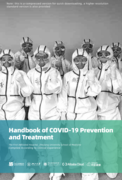
Handbook of COVID-19 Prevention and Treatment
recommended
Handbook of COVID-19 Prevention and Treatment, expecting to share their invaluable practical advice and references with medical staff around the world. This handbook compared and analyzed the experience of other experts in China, and provides good reference to key departments such as hospital infect
...
ion management, nursing, and outpatient clinics. This handbook provides comprehensive guidelines and best practices by China's top experts for coping with COVID-19.
This handbook, provided by the First Affiliated Hospital of Zhejiang University, describes how organizations can minimize the cost while maximizing the effect of measures to manage and control the coronavirus outbreak. The handbook also discusses why hospitals and other healthcare institutions should have command centers when encountering a large-scale emergency in the context of COVID-19. This handbook also includes the following:
- Technical strategies for addressing issues during emergencies.
- Treatment methods to treat the critically ill.
- Efficient clinical decision-making support.
- Best practices for key departments like inflection management and outpatient clinics.
more
Community Health Impact Coalition members & colleagues from across the world are sharing COVID-19 explainers, internal policies, clinical protocols, & more live
COVID-19: Training slides based on guidelines for case-finding, diagnosis, management and public health response in South Africa
Centre for Respiratory Diseases and Meningitis and Outbreak Response
National Department of Health, South Africa
(2020)
C2
Outline
• Welcome and objectives
• Microbiology, epidemiology and clinical presentation
• Surveillance for imported cases including case definitions
• Laboratory diagnosis • Infection prevention and hospital readiness
• Patient flow and actions required at each step
• Co-ord
...
inating a public health response
more
Lancet Respir Med 2020Published OnlineMarch 20, 2020https://doi.org/10.1016/S2213-2600(20)30121-1
