
Filter
1792
Text search:
humanitarian
actors
Featured
171
538
Language
Document type
861
366
194
132
121
45
41
16
8
3
2
1
1
Countries
126
98
74
53
50
48
40
40
37
35
30
29
29
28
28
24
24
23
22
21
20
19
15
15
15
14
13
13
12
12
11
11
11
10
10
10
10
10
9
9
8
8
8
8
7
7
7
7
7
7
6
6
5
5
5
5
5
5
5
4
4
4
4
3
3
3
3
3
3
3
3
2
2
2
2
2
2
2
2
2
2
2
2
2
2
2
2
2
1
1
1
1
1
1
1
1
1
1
1
1
1
1
1
1
1
1
1
1
1
1
1
Authors & Publishers
Publication Years
Category
529
309
114
88
44
29
3
3
Toolboxes
238
224
122
112
101
96
84
71
66
33
31
29
27
18
17
14
12
10
9
8
8
7
5
2
1
1
1

Based on the Vulnerability Index developed in this review, an estimated 22.7 million persons in Myanmar, or 44% of the population, were found to have some form of vulnerability related to human development and/or exposure to active conflict/violence. These people experience varying combinations of p
...
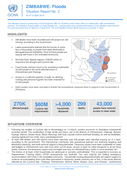
299 deaths have been recorded and 329 people are still missing, according to the Government.
• Latest assessments indicate that the homes of some tens of thousands of people have been destroyed or damaged beyond habitability. Most of these people are staying with hosts in the extended community.
...

This paper reviews the effects of vertical responses to COVID-19 on health systems, services, and people’s access to and use of them in LMICs, where historic and ongoing under-investments heighten vulnerability to a multiplicity of health threats. We use the term ‘vertical response’ to describ
...
A brief guide for those using social media in humanitarian organizations
Main Points
The delivery of humanitarian assistance is expected to slow down significantly over the next seven to ten days in anticipation of the electoral process and limited availability of transport and security assets.
The percenta
...

This report is produced by the UNDAC Team in Lima. It is developed in collaboration with the partners of the National Humanitarian Network (RHN). It covers the period from 27 to 30 March 2017. The next report will be issued around April 3, 2017
Highlights
An estimated 25,000 people have been displaced from Kodok, Tonga and surrounding villages.
Displaced people are in urgent need of clean water and other life-saving assistance.
Protection of civilians is a paramount concern.
32 aid workers had to relocate from K
...

The report offers 20 top recommendations for getting ahead of future outbreaks in Yemen and similarly complex humanitarian settings.
In 2015, Yemen was declared a Level 3 emergency by the UN, kicking into gear the highest level of
...

What school closures under COVID-19 mean for children and young people in
crisis-affected contexts
This rapid compilation of data analyses provides a ‘stock-take’ of social science and behavioural data related to the on-going outbreak of Ebola in North Kivu, South Kivu and Ituri provinces. Based on data gathered and analysed by organisations working in the Ebola response and in the region mor
...
Infectious diseases like COVID-19 can disrupt the environments in which children grow and develop. Disruptions to families, friendships, daily routines and the wider community can have negative consequences for children’s well-being, development and protection. In addition, measures used to preven
...
The Government of Republic of Zambia reported the first confirmed cases of COVID-19 on 18th March 2020. As of April 27th, 2020, there were 89 confirmed cases, three deaths and 42 recoveries. Confirmed cases are located in three provinces: Lusaka (83 cases), Copperbelt province (5 cases) and Central
...
Key Considerations
This brief focuses on cross-border movement in Eastern and Southern Africa (ESA) and its implications for development of risk communication and community engagement (RCCE) strategies aimed at preventing transmission of COVID-19 in the ESA region. Given the extensive risk of cross
...
Since late August 2022, cases of severe acute watery diarrhoea have been increasingly reported across Syria, concentrated
particularly along the Euphrates river. These were later confirmed to be cholera cases.3 Cholera is a disease caused by
bacteria that can be found in faeces, and spreads throug
...
This question bank is a menu of qualitative questions related to healthcare workers’ knowledge, perceptions and practices during infectious disease outbreaks. The question bank will generate qualitative data on healthcare workers’ subjective understandings of risks, case management, protection a
...

With an estimated population of about 5 million and an annual growth rate of 8 per cent, Dar es Salaam, Tanzania, is Africa’s fastest growing city.1 Over 70 per cent of the people live in informal, unplanned settlements with inadequate infrastructure. In addition, heavy rainfalls twice a year
...
