
Filter
4797
Text search:
priority
health
interventions
Featured
499
1377
Language
4711
115
72
51
49
28
25
9
7
5
4
4
3
3
2
2
2
2
2
2
2
2
2
2
2
2
1
1
1
1
1
1
1
1
1
1
1
1
1
1
1
1
1
1
1
1
1
1
1
1
1
1
Document type
2437
876
660
308
308
69
69
48
8
7
4
1
Countries
264
175
162
124
116
107
106
101
100
97
90
89
78
76
76
76
71
67
65
64
63
45
43
42
40
36
36
34
31
31
31
29
28
28
28
27
25
25
23
20
19
17
17
16
15
15
15
14
14
14
13
13
12
12
11
9
8
8
8
7
7
7
7
7
7
6
6
6
5
5
5
5
5
5
4
4
4
4
3
3
3
3
3
3
3
3
3
3
3
3
2
2
2
2
2
2
2
2
2
2
2
2
2
2
2
2
2
1
1
1
1
1
1
1
1
1
1
1
1
1
1
1
1
1
1
1
1
1
1
1
1
1
1
1
1
1
1
1
1
1
1
1
1
1
1
1
Authors & Publishers
799
201
148
144
139
101
71
69
63
44
34
33
31
27
25
24
21
20
19
19
19
18
18
18
17
16
16
16
16
16
16
16
15
14
14
14
14
14
14
14
13
13
13
13
12
12
12
12
12
12
12
12
12
11
11
11
11
11
11
11
11
10
10
10
10
10
10
10
9
9
9
9
9
9
8
8
8
8
8
8
8
8
8
7
7
7
7
7
7
7
7
7
7
7
7
7
7
7
7
7
7
6
6
6
6
6
6
6
6
6
6
6
6
6
6
6
6
6
5
5
5
5
5
5
5
5
5
5
5
5
5
5
5
5
5
5
5
5
5
5
5
5
5
5
5
5
5
5
5
5
5
5
5
5
5
5
5
5
5
5
4
4
4
4
4
4
4
4
4
4
4
4
4
4
4
4
4
4
4
4
4
4
4
4
4
4
4
4
4
4
4
4
4
4
4
4
4
4
4
4
4
4
4
4
4
4
4
4
3
3
3
3
3
3
3
3
3
3
3
3
3
3
3
3
3
3
3
3
3
3
3
3
3
3
3
3
3
3
3
3
3
3
3
3
3
3
3
3
3
3
3
3
3
3
3
3
3
3
3
3
3
3
3
3
3
3
3
3
3
3
3
3
3
3
3
3
3
3
3
3
3
3
3
3
3
3
3
3
3
3
2
2
2
2
2
2
2
2
2
2
2
2
2
2
2
2
2
2
2
2
2
2
2
2
2
2
2
2
2
2
2
2
2
2
2
2
2
2
2
2
2
2
2
2
2
2
2
2
2
2
2
2
2
2
2
2
2
2
2
2
2
2
2
2
2
2
2
2
2
2
2
2
2
2
2
2
2
2
2
2
2
2
2
2
2
2
2
2
2
2
2
2
2
2
2
2
2
2
2
2
2
2
2
2
2
2
2
2
2
2
2
2
2
2
2
2
2
2
2
2
2
2
2
2
2
2
2
2
2
2
2
2
2
2
2
2
2
2
2
2
2
2
2
2
2
2
2
2
2
2
2
2
2
2
2
2
2
2
2
2
2
2
2
2
2
2
2
2
2
2
2
2
2
2
2
2
2
2
2
2
2
2
2
2
2
2
2
2
2
2
2
2
2
2
2
2
2
2
2
2
2
2
2
2
2
2
2
2
2
2
2
2
2
2
2
2
2
2
2
2
2
2
1
1
1
1
1
1
1
1
1
1
1
1
1
1
1
1
1
1
1
1
1
1
1
1
1
1
1
1
1
1
1
1
1
1
1
1
1
1
1
1
1
1
1
1
1
1
1
1
1
1
1
1
1
1
1
1
1
1
1
1
1
1
1
1
1
1
1
1
1
1
1
1
1
1
1
1
1
1
1
1
1
1
1
1
1
1
1
1
1
1
1
1
1
1
1
1
1
1
1
1
1
1
1
1
1
1
1
1
1
1
1
1
1
1
1
1
1
1
1
1
1
1
1
1
1
1
1
1
1
1
1
1
1
1
1
1
1
1
1
1
1
1
1
1
1
1
1
1
1
1
1
1
1
1
1
1
1
1
1
1
1
1
1
1
1
1
1
1
1
1
1
1
1
1
1
1
1
1
1
1
1
1
1
1
1
1
1
1
1
1
1
1
1
1
1
1
1
1
1
1
1
1
1
1
1
1
1
1
1
1
1
1
1
1
1
1
1
1
1
1
1
1
1
1
1
1
1
1
1
1
1
1
1
1
1
1
1
1
1
1
1
1
1
1
1
1
1
1
1
1
1
1
1
1
1
1
1
1
1
1
1
1
1
1
1
1
1
1
1
1
1
1
1
1
1
1
1
1
1
1
1
1
1
1
1
1
1
1
1
1
1
1
1
1
1
1
1
1
1
1
1
1
1
1
1
1
1
1
1
1
1
1
1
1
1
1
1
1
1
1
1
1
1
1
1
1
1
1
1
1
1
1
1
1
1
1
1
1
1
1
1
1
1
1
1
1
1
1
1
1
1
1
1
1
1
1
1
1
1
1
1
1
1
1
1
1
1
1
1
1
1
1
1
1
1
1
1
1
1
1
1
1
1
1
1
1
1
1
1
1
1
1
1
1
1
1
1
1
1
1
1
1
1
1
1
1
1
1
1
1
1
1
1
1
1
1
1
1
1
1
1
1
1
1
1
1
1
1
1
1
1
1
1
1
1
1
1
1
1
1
1
1
1
1
1
1
1
1
1
1
1
1
1
1
1
1
1
1
1
1
1
1
1
1
1
1
1
1
1
1
1
1
1
1
1
1
1
1
1
1
1
1
1
1
1
1
1
1
1
1
1
1
1
1
1
1
1
1
1
1
1
1
1
1
1
1
1
1
1
1
1
1
1
1
1
1
1
1
1
1
1
1
1
1
1
1
1
1
1
1
1
1
1
1
1
1
1
1
1
1
1
1
1
1
1
1
1
1
1
1
1
1
1
1
1
1
1
1
1
1
1
1
1
1
1
1
1
1
1
1
1
1
1
1
1
1
1
1
1
1
1
1
1
1
1
1
1
1
1
1
1
1
1
1
1
1
1
1
1
1
1
1
1
1
1
1
1
1
1
1
1
1
1
1
1
1
1
1
1
1
1
1
1
1
1
1
1
1
1
1
1
1
1
1
1
1
1
1
1
1
1
1
1
1
1
1
1
1
1
1
1
1
1
1
1
1
1
1
1
1
1
1
1
1
1
1
1
1
1
1
1
1
1
1
1
1
1
1
1
1
1
1
1
1
1
1
1
1
1
1
1
1
1
1
1
1
1
1
1
1
1
1
1
1
1
1
1
1
1
1
1
1
1
1
1
1
1
1
1
1
1
1
1
1
1
1
1
1
1
1
1
1
1
1
1
1
1
1
1
1
1
1
1
1
1
1
1
1
1
1
1
1
1
1
1
1
1
1
1
1
1
1
1
1
1
1
1
1
1
1
1
1
1
1
1
1
1
1
1
1
1
1
1
1
1
1
1
1
1
1
1
1
1
1
1
1
1
1
1
1
1
1
1
1
1
1
1
1
1
1
1
1
1
1
1
1
1
1
1
1
1
1
1
1
1
1
1
1
1
1
1
1
1
1
1
1
1
1
1
1
1
1
1
1
1
1
1
1
1
1
1
1
1
1
1
1
1
1
1
1
1
1
1
1
1
1
1
1
1
1
1
1
1
1
1
1
1
1
1
1
1
1
1
1
1
1
1
1
1
1
1
1
1
1
1
1
1
1
1
1
1
1
1
1
1
1
1
1
1
1
1
1
1
1
1
1
1
1
1
1
1
1
1
1
1
1
1
1
1
1
1
1
1
1
1
1
1
1
1
1
1
1
1
1
1
1
1
1
1
1
1
1
1
1
1
1
1
1
1
1
1
1
1
1
1
1
1
1
1
1
1
1
1
1
1
1
1
1
1
1
1
1
1
1
1
1
1
1
1
1
1
1
1
1
1
1
1
1
1
1
1
1
1
1
1
1
1
1
1
1
1
1
1
1
1
1
1
1
1
1
1
1
1
1
1
1
1
1
1
1
1
1
1
1
1
1
1
1
1
1
1
1
1
1
1
1
1
1
1
1
1
1
1
1
1
1
1
1
1
1
1
1
1
1
1
1
1
1
1
1
1
1
1
1
1
1
1
1
1
1
1
1
1
1
1
1
1
1
1
1
1
1
1
1
1
1
1
1
1
1
1
1
1
1
1
1
1
1
1
1
1
1
1
1
1
1
1
1
1
1
1
1
1
1
1
1
1
1
1
1
1
1
1
1
1
1
1
1
1
1
1
1
1
1
1
1
1
1
1
1
1
1
1
1
1
1
1
1
1
1
1
1
1
1
1
1
1
1
1
1
1
1
1
1
1
1
1
1
1
1
1
1
1
1
1
1
1
1
1
1
1
1
1
1
1
1
1
1
1
1
1
1
1
1
1
1
1
1
1
1
1
1
1
1
1
1
1
1
1
1
1
1
1
1
1
1
1
1
1
1
1
1
1
1
1
1
1
1
1
1
1
1
1
1
1
1
1
1
1
1
1
1
1
1
1
1
1
1
1
1
1
1
1
1
1
1
1
1
1
1
1
1
1
1
1
1
1
1
1
1
1
1
1
1
1
1
1
1
1
1
1
1
1
1
1
1
1
1
1
1
1
1
1
1
1
1
1
1
1
1
1
1
1
1
1
1
1
1
1
1
1
1
1
1
1
1
1
1
1
1
1
1
1
1
1
1
1
1
1
1
1
1
1
1
1
1
1
1
1
1
1
1
1
1
1
1
1
1
1
1
1
1
1
1
1
1
1
1
1
1
1
1
1
1
1
1
1
1
1
1
1
1
1
1
1
1
1
1
1
1
1
1
1
1
1
1
1
1
1
1
1
1
1
1
1
1
1
1
1
1
1
1
1
1
1
1
1
1
1
1
1
1
1
1
1
1
1
1
1
1
1
1
1
1
1
1
1
1
1
1
1
1
1
1
1
1
1
1
1
1
1
1
1
1
1
1
1
1
1
1
1
1
1
1
1
1
1
1
1
1
1
1
1
1
1
1
1
1
1
1
1
1
1
1
1
1
1
1
1
1
1
1
1
1
1
1
1
1
1
1
1
1
1
1
1
1
1
1
1
1
1
1
1
1
1
1
1
1
1
1
1
1
1
1
1
1
1
1
1
1
1
1
1
1
1
1
1
1
1
1
1
1
1
1
1
1
1
1
1
1
1
1
1
1
1
1
1
1
1
1
1
1
1
1
1
1
1
1
1
1
1
1
1
1
1
1
1
1
1
1
1
1
1
1
1
1
1
1
1
1
1
1
1
1
1
1
1
1
1
1
1
1
1
1
1
1
1
1
1
1
1
1
1
1
1
1
1
1
1
1
1
1
1
1
1
1
1
1
1
1
1
1
1
1
1
1
1
1
1
1
1
1
1
1
1
1
1
1
1
1
1
1
1
1
1
1
1
1
1
1
1
1
1
1
1
1
1
1
1
1
1
1
1
1
1
1
1
1
1
1
1
1
1
1
1
1
1
1
1
1
1
1
1
1
1
1
1
1
1
1
1
1
1
1
1
1
1
1
1
1
1
1
1
1
1
1
1
1
1
1
1
1
1
1
1
1
1
1
1
1
1
1
1
1
1
1
1
1
1
1
1
1
1
1
1
1
1
1
1
1
1
1
1
1
1
1
1
1
1
1
1
1
1
1
1
1
1
1
1
1
1
1
1
1
1
1
1
1
1
1
1
1
1
1
1
1
1
1
1
1
1
1
1
1
1
1
1
1
1
1
1
1
1
1
1
1
1
1
1
1
1
1
1
1
1
1
1
1
1
1
1
1
1
1
1
1
1
1
1
1
1
1
1
1
1
1
1
1
1
1
1
1
1
1
1
1
1
1
1
1
1
1
1
1
1
1
1
1
1
1
1
1
1
1
1
1
1
1
1
1
1
1
1
1
1
1
1
1
1
1
1
1
1
1
1
1
1
1
1
1
1
1
1
1
1
1
1
1
1
1
1
1
1
1
1
1
1
1
1
1
1
1
1
1
1
1
1
1
1
1
1
1
1
1
1
1
1
1
1
1
1
1
1
1
1
1
1
1
1
1
1
1
1
1
1
1
1
1
1
1
1
1
1
1
1
1
1
1
1
1
1
1
1
1
1
1
1
1
1
1
1
1
1
1
1
1
1
1
1
1
1
1
1
1
1
1
1
1
1
1
1
1
1
1
1
1
1
1
1
1
1
1
1
1
1
1
1
1
1
1
1
1
1
1
1
1
1
1
1
1
1
1
1
1
1
1
1
1
1
1
1
1
1
1
1
1
1
1
1
1
1
1
1
1
1
1
1
1
1
1
1
1
1
1
1
1
1
1
1
1
1
1
1
1
1
1
1
1
1
1
1
1
1
1
1
1
1
1
1
1
1
1
1
1
1
1
1
1
1
1
1
1
1
1
1
1
1
1
1
1
1
1
1
1
1
1
1
1
1
1
1
1
1
1
1
1
1
1
1
1
1
1
1
1
1
1
1
1
1
1
1
1
1
1
1
1
1
1
1
1
1
1
1
1
1
1
1
1
1
1
1
1
1
1
1
1
1
1
1
1
1
1
1
1
1
1
1
1
1
1
1
1
1
1
1
1
1
1
1
1
1
1
1
1
1
1
1
1
1
1
1
1
1
1
1
1
1
1
1
1
1
1
1
1
1
1
1
1
1
1
1
1
1
1
1
1
1
1
1
1
1
1
1
1
1
1
1
1
1
1
1
1
1
1
1
1
1
1
1
1
1
1
1
1
1
1
1
1
1
1
1
1
1
1
1
1
1
1
1
1
1
1
1
1
1
1
1
1
1
1
1
1
1
1
1
1
1
1
1
1
1
1
1
1
1
1
1
1
1
1
1
1
1
1
1
1
1
1
1
1
1
1
1
1
1
1
1
1
1
1
1
1
1
1
1
1
1
1
1
1
1
1
1
1
1
1
1
1
1
1
1
1
1
1
1
1
1
1
1
1
1
1
1
1
1
1
1
1
1
1
1
1
1
1
1
1
1
1
1
1
1
1
1
1
1
1
1
1
1
1
1
1
1
1
1
1
1
1
1
1
1
1
1
1
1
1
1
1
1
1
1
1
1
1
1
1
1
1
1
1
1
1
1
1
1
1
1
1
1
1
1
1
1
1
1
1
1
1
1
1
1
1
1
1
1
1
1
1
1
1
1
1
1
1
1
1
1
1
1
1
1
1
1
1
1
1
1
1
1
1
1
1
1
1
1
1
1
1
1
1
1
1
1
1
1
1
1
1
1
1
1
1
1
1
1
1
1
1
1
1
1
1
1
1
1
1
1
1
1
1
1
1
1
1
1
1
1
1
1
1
1
1
1
1
1
1
1
1
1
1
1
1
1
1
1
1
1
1
1
1
1
1
1
1
1
1
1
1
1
1
1
1
1
1
1
1
1
1
1
1
1
1
1
1
1
1
1
1
1
1
1
1
1
1
1
1
1
1
1
1
1
1
1
1
1
1
1
1
1
1
1
1
1
1
1
1
1
1
1
1
1
1
1
1
1
1
1
1
1
1
1
1
1
1
1
1
1
1
1
1
1
1
1
1
1
1
1
1
1
1
1
1
1
1
1
1
1
1
1
1
1
1
1
1
1
1
1
1
1
1
1
1
1
1
1
1
1
1
1
1
1
1
1
1
1
1
1
1
1
1
1
1
1
1
1
1
1
1
1
1
1
1
1
1
1
1
1
1
1
1
1
1
1
1
1
1
1
1
1
1
1
1
1
1
1
1
1
1
1
1
1
1
1
1
1
1
1
1
1
1
1
1
1
1
1
1
1
1
1
1
1
1
1
1
1
1
1
1
1
1
1
1
1
1
1
1
1
1
1
1
1
1
1
1
1
1
1
1
1
1
1
1
1
1
1
1
1
1
1
1
1
1
1
1
1
1
1
1
1
1
1
1
1
1
1
1
1
1
1
1
1
1
1
1
1
1
1
1
1
1
1
1
1
1
1
1
1
1
1
1
1
1
1
1
1
1
1
1
1
1
1
1
1
1
1
1
1
1
1
1
1
1
1
1
1
1
1
1
1
1
1
1
1
1
1
1
1
1
1
1
1
1
1
1
1
1
1
1
1
1
1
1
1
1
1
1
1
1
1
1
1
1
1
1
1
1
1
1
1
1
1
1
1
1
1
1
1
1
1
1
1
1
1
1
1
1
1
1
1
1
1
1
Publication Years
1538
2837
408
13
1
Category
1903
382
325
318
308
88
30
2
Toolboxes
367
343
223
182
176
170
167
161
152
117
107
105
105
93
86
83
79
78
68
68
40
28
28
12
7
7
1

According to the Report, cascading and interlinked crises are putting the 2030 Agenda for Sustainable Development in grave danger, along with humanity’s very own survival. The Report highlights the severity and magnitude of the challenges before us. The confluence of crises, dominated by COVID-19,
...
climate change, and conflicts, are creating spin-off impacts on food and nutrition, health, education, the environment, and peace and security, and affecting all the Sustainable Development Goals (SDGs). The Report details the reversal of years of progress in eradicating poverty and hunger, improving health and education, providing basic services, and much more. It also points out areas that need urgent action in order to rescue the SDGs and deliver meaningful progress for people and the planet by 2030.
more

The COVID-19 pandemic is a multiplier of vulnerability, compounding threats to food insecurity, while exposing weaknesses in food and health systems. It is severely undermining the capacity of communities to cope in times of crisis and has become a
...
stress test for political and economic stability.
more
Framework for Fair, Equitable and Timely Allocation of COVID-19 Vaccines in Africa. Highlights Day 1
The virtual conference, co-organised by the Africa Centres for Disease Control and Prevention (Africa CDC) and the South African Medical Research Council (SAMRC) brought together African leaders, public health professionals and researchers, policyma
...
kers, business leaders and civil society and community leaders.
The objective was to discuss strategies and approaches to remove barriers to widespread delivery and uptake of effective COVID-19 vaccines across Africa, guided by African voices and indigenous values. The goal of the conference was to provide input for a framework for fair, equitable and timely allocation of COVID-19 vaccines in Africa.
more

The document presents an assessment developed by both institutions as a contribution to the prioritization of education in national response plans to the health emergency and future recovery strategies. "Countries have deployed various response and
...
recovery plans in which education needs to be incorporated as a central element," the report says, "not only to ensure an education response, but to achieve an equitable, inclusive and sustainable recovery”.
more
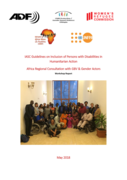
This one-day consultation workshop brought together both organizations of persons with disabilities (DPOs) and humanitarian actors to:-Identify priority areas for gender mainstreaming and GBV prevention and response across the Guidelines.-Collect us
...
eful resources, promising practices and other relevant information for gender and GBV actors to be integrated into the Guidelines.-Map opportunities for gender and GBV actors in the region to contribute to later phases of the Guidelines development and roll-out process.
more
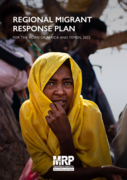
The regional Migrant Response Plan (MRP) for the Horn of Africa and Yemen includes urgent life-saving humanitarian and protection interventions to improve safe and dignified access to basic services for migrants and host communities while ensuring m
...
edium- to long-term actions aimed at addressing the drivers of migration.
more

Has the world worked together to tackle the coronavirus? July 2021. This research paper assesses how the global community has responded to calls for greater solidarity in tackling the COVID-19 pandemic, and presents the insights of key stakeholders and experts in global
...
health governance, health security, and pandemic preparedness and response. The authors examine the state of solidarity at global, regional and national levels, and present case studies on COVAX and on the EU’s turbulent journey through solidarity.
more
The African Centers for Disease Control and Prevention and the African Union together have called for a New Public Health Order which will safeguard the health and economic security of the continent
...
as it strives to meet the aspirations of the Agenda 2063. A key pillar of this mandate seeks to expand the local manufacture of vaccines, diagnostics, and therapeutics. Presently, less than one percent of vaccines administered on the continent are manufactured locally. This places a great burden on the health systems of African countries and reduces their ability to respond to pandemics and other health crises.
more

Event-based surveillance (EBS) is defined as the organized collection, monitoring, assessment and interpretation of mainly unstructured ad hoc information regarding health events or risks, which may represent an acute risk to
...
health. Both indicator-based and event-based surveillance components serve the early warning and response (EWAR) function of the public health surveillance system. The Framework for Event-based Surveillance offers guidance to public health practitioners seeking to implement EBS at each administrative level in healthier countries.
more

Countries, partners, and donors are committed to the global elimination of blinding trachoma by 2020.
Achieving this public health milestone requires more than funding; it requires health personnel
...
with the
right mix of skills, and well supported and managed health systems. Mass drug administration (MDA)
with Zithromax®, the Pfizer, Inc. donated antibiotic, is a key component of the SAFE strategy, endorsed
by the World Health Organization. There is growing
recognition that improving all aspects of MDA, from
planning to training, recording to reporting, and
receipt of drug to distribution (the supply chain), will
be necessary if MDA programmes are going to reduce
the community burden of Chlamydia trachomatis, and
eliminate trachoma as a cause of blindness by 2020.
more
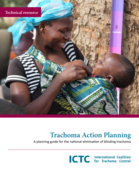
In 2011, ICTC developed a Trachoma Action Plan (TAP) planning guide to support national health officials in endemic countries. This resource was developed to complement the 2020 INSight roadmap by helping countries create specific national plans det
...
ailing how they will reach elimination targets in their own particular contexts.
more

Human Rights based research into COVID-19 related violations with focus on persons with disabilities
The goal of the study was to assess the feasibility of the COVID-19 measures and their resultant impact on Persons with Disabilities in Malawi.
Specifically, the study addressed the following objectives:
a) To evaluate Government’s response to COVID-19 following the adoption of the new measures
...
of COVID-19 in January 2021 in line with principles and norms of human rights. (This includes establishing the extent to which the new measures have been implemented)
b) To assess the extent to which the provision health service delivery specifically access to health for PWDs including vaccine inflammation and facilities.
c) To establish the key COVID-19 related human rights violations during the pandemic period affecting PWDs
d) To assess the extent to which Government (and other nonstate actors) have implemented the recommendations from the preliminary MHRC statement
e) To provide advice and make recommendations to the Executive, Parliament and other stakeholders on how they can improve their response to COVID-19 from a rights perspective with a focus on PWDs.
more

This document lays out economic arguments for investing in the Access to COVID-19 Tools Accelerator (ACT-Accelerator). Framed within an overall context that recognizes the broader human health and societal impacts of the COVID-19 crisis, ACT-Acceler
...
ator's Economic Investment Case argues that investment in ACT-Accelerator is the world’s best bet and most viable solution for restarting the global economy. It is intended for governments, multilaterals, civil society, businesses and foundations and all those interested in the work required to change the course of the pandemic. The global deployment of ACT-Accelerator’s comprehensive package of tools will reduce the severity of COVID-19 disease, enabling countries to transition out of the crisis thereby restarting domestic and international economic engines driving our global economy.
more

Cardiovascular disease (CVD) is the leading cause of global deaths, with the majority occurring in low- and middle-income countries (LMIC). The primary and secondary prevention of CVD is suboptimal throughout the world, but the evidence-practice gaps are much more pronounced in LMIC. Barriers at the
...
patient, health-care provider, and health system level prevent the implementation of optimal primary and secondary prevention. Identification of the particular barriers that exist in resource-constrained settings is necessary to inform effective strategies to reduce the identified evidence-practice gaps. Furthermore, targeting modifiable factors that contribute most significantly to the global burden of CVD, including tobacco use, hypertension, and secondary prevention for CVD will lead to the biggest gains in mortality reduction. We review a select number of novel, resource-efficient strategies to reduce premature mortality from CVD, including: (1) effective measures for tobacco control; (2) implementation of simplified screening and management algorithms for those with or at risk of CVD, (3) increasing the availability and affordability of simplified and cost-effective treatment regimens including combination CVD preventive drug therapy, and (4) simplified delivery of health care through task-sharing (non-physician health workers) and optimizing self-management (treatment supporters). Developing and deploying systems of care that address barriers related to the above, will lead to substantial reductions in CVD and related mortality.
more

Background: Atherosclerotic cardiovascular diseases (ASCVD) including myocardial infarction, stroke and peripheral arterial disease continue to be major causes of premature death, disability and healthcare expenditure globally. Preventing the accumulation of cholesterol-containing atherogenic lipopr
...
oteins in the vessel wall is central to any healthcare strategy to prevent ASCVD. Advances in current concepts about reducing cumulative exposure to apolipoprotein B (apo B) cholesterol-containing lipoproteins and the emergence of novel therapies provide new opportunities to better prevent ASCVD. The present update of the World Heart Federation Cholesterol Roadmap provides a conceptual framework for the development of national policies and health systems approaches, so that potential roadblocks to cholesterol management and thus ASCVD prevention can be overcome.
more
Global Development: Where Are We Now?
Today, we are facing a vital opportunity to change the profile of cardiovascular disease around the world.
The Millennium Development Goals (MDGs) are due to expire at the end of 2015, placing the cardiovascular heal
...
th community in a unique position to shape the priorities for the next development agenda, and save millions of lives.
Despite its devastating impact on people of all ages, genders and ethnicities, cardiovascular disease was excluded from the Millennium Development Goals (MDGs), which were announced by the United Nations in 2000. That oversight was far-reaching;
for well over a decade, non-communicable diseases were omitted from the global funding agenda and deprioritized by other mechanisms. During that period of muted government action, the prevalence and burden of non-communicable diseases increased in every region of the world.
Fifteen years later, as the successors to the MDGs are being negotiated, we are in a position to call for the prioritization of cardiovascular disease on the forthcoming global development agenda. Once we have ensured that CVD is recognised at the global policy level, our efforts will turn to encouraging governments to honour their commitments on
the prevention and control of CVD.
more

In Tanzania, institutional efforts to combat HIV/AIDS started in 1985 by establishing a National Taskforce within the Ministry of Health. This was so because the HIV/AIDS epidemic was first perceived as a
...
health problem, and the initial control efforts were formulated and based within the health sector. In 1988, the task force was transformed into a fully-fledged National AIDS Control Programme (NACP).
more

This UNHCR guidance note provides comprehensive recommendations for the prevention and control of malaria in refugee settings worldwide. Aligned with the WHO Global Technical Strategy for Malaria, it outlines strategies to ensure access to effective prevention, diagnosis and treatment, implement sus
...
tainable transmission reduction measures and strengthen surveillance systems. The document is intended as a practical resource for humanitarian actors, public health officials and partners involved in planning and implementing malaria programmes in refugee operations, with the aim of reducing malaria-related morbidity and mortality among vulnerable populations.
more

Community led-monitoring is based on the principle that «Nothing that is done for us should
be done without us”. The combination of this principle with evidence shows that community-led
monitoring is an important driver of improved service delivery and
...
health outcomes that needs to
be re-emphasized. Thus, the community must participate at all stages of the fight against malaria.
This guide will be useful to CSOs working in the field of malaria in the conduct of community-led
monitoring of activities efficiently and allow these CSOs to know their role and responsibilities in this
exercise at each key stage. This guide will also provide CSOs and communities affected by malaria
with templates of monitoring tools adapted to key malaria programs.
more

United- Towards Ending AIDS. The Global AIDS Strategy 2026-2031 focuses global efforts for the future of the AIDS response to end AIDS as a public health threat by 2030 and sustain the HIV response after 2030. This is a strategy uniting the world.
...
The Strategy will shape the June 2026 United Nations General Assembly High-Level Meeting on Ending AIDS and its political declaration. It provides all actors in the field with guidance to overcome the challenges and to ensure effective country-led AIDS responses. The Global AIDS Strategy 2026-2031 includes new global targets for 2030 and resource needs estimates.
more
