
Filter
5459
Text search:
health
loss
Featured
542
1350
Language
5304
134
123
82
80
40
28
27
13
12
12
10
9
8
8
8
6
6
5
5
5
5
5
5
5
4
4
4
4
4
4
3
3
3
3
3
3
3
3
3
3
3
2
2
2
2
2
2
2
2
2
2
2
2
2
1
1
1
1
1
1
1
1
1
1
1
1
1
1
1
Document type
2810
1028
712
363
189
138
119
39
24
15
12
4
2
1
Countries
338
297
134
123
106
101
98
97
93
88
85
80
80
73
72
69
67
64
62
50
48
43
41
40
39
36
34
33
33
32
30
28
27
27
26
26
24
21
20
18
17
15
15
15
15
15
14
14
13
13
13
12
12
12
11
11
11
10
10
10
10
9
9
8
8
7
7
6
6
5
5
5
5
5
5
5
4
4
4
4
4
3
3
3
3
3
3
3
3
3
2
2
2
2
2
2
2
2
2
2
2
2
2
2
2
2
2
2
2
2
2
2
2
2
1
1
1
1
1
1
1
1
1
1
1
1
1
1
1
1
1
1
1
1
1
1
1
1
1
Authors & Publishers
654
241
183
138
116
98
93
61
58
46
45
43
31
27
27
26
25
25
23
22
22
21
21
20
20
20
19
18
18
18
17
17
17
17
16
16
16
16
16
15
15
15
14
14
14
14
14
13
13
13
13
13
13
12
12
12
12
11
11
11
11
11
10
10
10
10
10
10
10
10
10
10
10
10
9
9
9
9
9
9
9
9
9
9
9
9
9
8
8
8
8
8
8
8
8
8
8
8
8
8
7
7
7
7
7
7
7
7
7
6
6
6
6
6
6
6
6
6
6
6
6
6
6
6
6
6
6
6
6
6
6
5
5
5
5
5
5
5
5
5
5
5
5
5
5
5
5
5
5
5
5
5
5
5
5
5
5
5
5
5
5
5
5
5
5
5
5
5
5
5
5
4
4
4
4
4
4
4
4
4
4
4
4
4
4
4
4
4
4
4
4
4
4
4
4
4
4
4
4
4
4
4
4
4
4
4
4
4
4
4
4
4
4
4
4
4
3
3
3
3
3
3
3
3
3
3
3
3
3
3
3
3
3
3
3
3
3
3
3
3
3
3
3
3
3
3
3
3
3
3
3
3
3
3
3
3
3
3
3
3
3
3
3
3
3
3
3
3
3
3
3
3
3
3
3
3
3
3
3
3
3
3
3
3
3
3
3
3
3
3
3
3
3
3
3
3
3
3
3
3
3
3
3
3
3
3
3
3
3
3
3
3
3
3
3
3
3
3
3
3
3
3
3
3
3
3
3
3
3
3
3
2
2
2
2
2
2
2
2
2
2
2
2
2
2
2
2
2
2
2
2
2
2
2
2
2
2
2
2
2
2
2
2
2
2
2
2
2
2
2
2
2
2
2
2
2
2
2
2
2
2
2
2
2
2
2
2
2
2
2
2
2
2
2
2
2
2
2
2
2
2
2
2
2
2
2
2
2
2
2
2
2
2
2
2
2
2
2
2
2
2
2
2
2
2
2
2
2
2
2
2
2
2
2
2
2
2
2
2
2
2
2
2
2
2
2
2
2
2
2
2
2
2
2
2
2
2
2
2
2
2
2
2
2
2
2
2
2
2
2
2
2
2
2
2
2
2
2
2
2
2
2
2
2
2
2
2
2
2
2
2
2
2
2
2
2
2
2
2
2
2
2
2
2
2
2
2
2
2
2
2
2
2
2
2
2
2
2
2
2
2
2
2
2
2
2
2
2
2
2
2
2
2
2
2
2
2
2
2
2
2
2
2
2
2
2
2
2
2
2
2
2
2
2
2
2
2
2
2
2
2
2
2
2
2
2
2
2
2
2
2
2
2
2
2
2
2
2
2
2
2
2
2
2
2
2
2
2
2
2
2
2
2
2
2
2
2
2
2
2
2
2
2
2
2
2
2
2
2
2
2
2
2
2
2
2
2
2
2
2
2
2
2
2
2
2
2
2
2
2
2
2
2
2
2
2
2
2
2
2
2
2
2
2
2
1
1
1
1
1
1
1
1
1
1
1
1
1
1
1
1
1
1
1
1
1
1
1
1
1
1
1
1
1
1
1
1
1
1
1
1
1
1
1
1
1
1
1
1
1
1
1
1
1
1
1
1
1
1
1
1
1
1
1
1
1
1
1
1
1
1
1
1
1
1
1
1
1
1
1
1
1
1
1
1
1
1
1
1
1
1
1
1
1
1
1
1
1
1
1
1
1
1
1
1
1
1
1
1
1
1
1
1
1
1
1
1
1
1
1
1
1
1
1
1
1
1
1
1
1
1
1
1
1
1
1
1
1
1
1
1
1
1
1
1
1
1
1
1
1
1
1
1
1
1
1
1
1
1
1
1
1
1
1
1
1
1
1
1
1
1
1
1
1
1
1
1
1
1
1
1
1
1
1
1
1
1
1
1
1
1
1
1
1
1
1
1
1
1
1
1
1
1
1
1
1
1
1
1
1
1
1
1
1
1
1
1
1
1
1
1
1
1
1
1
1
1
1
1
1
1
1
1
1
1
1
1
1
1
1
1
1
1
1
1
1
1
1
1
1
1
1
1
1
1
1
1
1
1
1
1
1
1
1
1
1
1
1
1
1
1
1
1
1
1
1
1
1
1
1
1
1
1
1
1
1
1
1
1
1
1
1
1
1
1
1
1
1
1
1
1
1
1
1
1
1
1
1
1
1
1
1
1
1
1
1
1
1
1
1
1
1
1
1
1
1
1
1
1
1
1
1
1
1
1
1
1
1
1
1
1
1
1
1
1
1
1
1
1
1
1
1
1
1
1
1
1
1
1
1
1
1
1
1
1
1
1
1
1
1
1
1
1
1
1
1
1
1
1
1
1
1
1
1
1
1
1
1
1
1
1
1
1
1
1
1
1
1
1
1
1
1
1
1
1
1
1
1
1
1
1
1
1
1
1
1
1
1
1
1
1
1
1
1
1
1
1
1
1
1
1
1
1
1
1
1
1
1
1
1
1
1
1
1
1
1
1
1
1
1
1
1
1
1
1
1
1
1
1
1
1
1
1
1
1
1
1
1
1
1
1
1
1
1
1
1
1
1
1
1
1
1
1
1
1
1
1
1
1
1
1
1
1
1
1
1
1
1
1
1
1
1
1
1
1
1
1
1
1
1
1
1
1
1
1
1
1
1
1
1
1
1
1
1
1
1
1
1
1
1
1
1
1
1
1
1
1
1
1
1
1
1
1
1
1
1
1
1
1
1
1
1
1
1
1
1
1
1
1
1
1
1
1
1
1
1
1
1
1
1
1
1
1
1
1
1
1
1
1
1
1
1
1
1
1
1
1
1
1
1
1
1
1
1
1
1
1
1
1
1
1
1
1
1
1
1
1
1
1
1
1
1
1
1
1
1
1
1
1
1
1
1
1
1
1
1
1
1
1
1
1
1
1
1
1
1
1
1
1
1
1
1
1
1
1
1
1
1
1
1
1
1
1
1
1
1
1
1
1
1
1
1
1
1
1
1
1
1
1
1
1
1
1
1
1
1
1
1
1
1
1
1
1
1
1
1
1
1
1
1
1
1
1
1
1
1
1
1
1
1
1
1
1
1
1
1
1
1
1
1
1
1
1
1
1
1
1
1
1
1
1
1
1
1
1
1
1
1
1
1
1
1
1
1
1
1
1
1
1
1
1
1
1
1
1
1
1
1
1
1
1
1
1
1
1
1
1
1
1
1
1
1
1
1
1
1
1
1
1
1
1
1
1
1
1
1
1
1
1
1
1
1
1
1
1
1
1
1
1
1
1
1
1
1
1
1
1
1
1
1
1
1
1
1
1
1
1
1
1
1
1
1
1
1
1
1
1
1
1
1
1
1
1
1
1
1
1
1
1
1
1
1
1
1
1
1
1
1
1
1
1
1
1
1
1
1
1
1
1
1
1
1
1
1
1
1
1
1
1
1
1
1
1
1
1
1
1
1
1
1
1
1
1
1
1
1
1
1
1
1
1
1
1
1
1
1
1
1
1
1
1
1
1
1
1
1
1
1
1
1
1
1
1
1
1
1
1
1
1
1
1
1
1
1
1
1
1
1
1
1
1
1
1
1
1
1
1
1
1
1
1
1
1
1
1
1
1
1
1
1
1
1
1
1
1
1
1
1
1
1
1
1
1
1
1
1
1
1
1
1
1
1
1
1
1
1
1
1
1
1
1
1
1
1
1
1
1
1
1
1
1
1
1
1
1
1
1
1
1
1
1
1
1
1
1
1
1
1
1
1
1
1
1
1
1
1
1
1
1
1
1
1
1
1
1
1
1
1
1
1
1
1
1
1
1
1
1
1
1
1
1
1
1
1
1
1
1
1
1
1
1
1
1
1
1
1
1
1
1
1
1
1
1
1
1
1
1
1
1
1
1
1
1
1
1
1
1
1
1
1
1
1
1
1
1
1
1
1
1
1
1
1
1
1
1
1
1
1
1
1
1
1
1
1
1
1
1
1
1
1
1
1
1
1
1
1
1
1
1
1
1
1
1
1
1
1
1
1
1
1
1
1
1
1
1
1
1
1
1
1
1
1
1
1
1
1
1
1
1
1
1
1
1
1
1
1
1
1
1
1
1
1
1
1
1
1
1
1
1
1
1
1
1
1
1
1
1
1
1
1
1
1
1
1
1
1
1
1
1
1
1
1
1
1
1
1
1
1
1
1
1
1
1
1
1
1
1
1
1
1
1
1
1
1
1
1
1
1
1
1
1
1
1
1
1
1
1
1
1
1
1
1
1
1
1
1
1
1
1
1
1
1
1
1
1
1
1
1
1
1
1
1
1
1
1
1
1
1
1
1
1
1
1
1
1
1
1
1
1
1
1
1
1
1
1
1
1
1
1
1
1
1
1
1
1
1
1
1
1
1
1
1
1
1
1
1
1
1
1
1
1
1
1
1
1
1
1
1
1
1
1
1
1
1
1
1
1
1
1
1
1
1
1
1
1
1
1
1
1
1
1
1
1
1
1
1
1
1
1
1
1
1
1
1
1
1
1
1
1
1
1
1
1
1
1
1
1
1
1
1
1
1
1
1
1
1
1
1
1
1
1
1
1
1
1
1
1
1
1
1
1
1
1
1
1
1
1
1
1
1
1
1
1
1
1
1
1
1
1
1
1
1
1
1
1
1
1
1
1
1
1
1
1
1
1
1
1
1
1
1
1
1
1
1
1
1
1
1
1
1
1
1
1
1
1
1
1
1
1
1
1
1
1
1
1
1
1
1
1
1
1
1
1
1
1
1
1
1
1
1
1
1
1
1
1
1
1
1
1
1
1
1
1
1
1
1
1
1
1
1
1
1
1
1
1
1
1
1
1
1
1
1
1
1
1
1
1
1
1
1
1
1
1
1
1
1
1
1
1
1
1
1
1
1
1
1
1
1
1
1
1
1
1
1
1
1
1
1
1
1
1
1
1
1
1
1
1
1
1
1
1
1
1
1
1
1
1
1
1
1
1
1
1
1
1
1
1
1
1
1
1
1
1
1
1
1
1
1
1
1
1
1
1
1
1
1
1
1
1
1
1
1
1
1
1
1
1
1
1
1
1
1
1
1
1
1
1
1
1
1
1
1
1
1
1
1
1
1
1
1
1
1
1
1
1
1
1
1
1
1
1
1
1
1
1
1
1
1
1
1
1
1
1
1
1
1
1
1
1
1
1
1
1
1
1
1
1
1
1
1
1
1
1
1
1
1
1
1
1
1
1
1
1
1
1
1
1
1
1
1
1
1
1
1
1
1
1
1
1
1
1
1
1
1
1
1
1
1
1
1
1
1
1
1
1
1
1
1
1
1
1
1
1
1
1
1
1
1
1
1
1
1
1
1
1
1
1
1
1
1
1
1
1
1
1
1
1
1
1
1
1
1
1
1
1
1
1
1
1
1
1
1
1
1
1
1
1
1
1
1
1
1
1
1
1
1
1
1
1
1
1
1
1
1
1
1
1
1
1
1
1
1
1
1
1
1
1
1
1
1
1
1
1
1
1
1
1
1
1
1
1
1
1
1
1
1
1
1
1
1
1
1
1
1
1
1
1
1
1
1
1
1
1
1
1
1
1
1
1
1
1
1
1
1
1
1
1
1
1
1
1
1
1
1
1
1
1
1
1
1
1
1
1
1
1
1
1
1
1
1
1
1
1
1
1
1
1
1
1
1
1
1
1
1
1
1
1
1
1
1
1
1
1
1
1
1
1
1
1
1
1
1
1
1
1
1
1
1
1
1
1
1
1
1
1
1
1
1
1
1
1
1
1
1
1
1
1
1
1
1
1
1
1
1
1
1
1
1
1
1
1
1
1
1
1
1
1
1
1
1
1
1
1
1
1
1
1
1
1
1
1
1
1
1
1
1
1
1
1
1
1
1
1
1
1
1
1
1
1
1
1
1
1
1
1
1
1
1
1
1
1
1
1
1
1
1
1
1
1
1
1
1
1
1
1
1
1
1
1
1
1
1
1
1
1
1
1
1
1
1
1
1
1
1
1
1
1
1
1
1
1
1
1
1
1
1
1
1
1
1
1
1
1
1
1
1
1
1
1
1
1
1
1
1
1
1
1
1
1
1
1
1
1
1
1
1
1
1
1
1
1
1
1
1
1
1
1
1
1
1
1
1
1
1
1
1
1
1
1
1
1
1
1
1
1
1
1
1
1
1
1
1
1
1
1
1
1
1
1
1
1
1
1
1
1
1
1
1
1
1
1
1
1
1
1
1
1
1
1
1
1
1
1
1
1
1
1
1
1
1
1
1
1
1
1
1
1
1
1
1
1
1
1
1
1
1
1
1
1
1
1
1
1
1
1
1
1
1
1
1
1
1
1
1
1
1
1
1
1
1
1
1
1
1
1
1
1
1
1
1
1
1
1
1
1
1
1
1
1
1
1
1
1
1
1
1
1
1
1
1
1
1
1
1
1
1
1
1
1
1
1
1
1
1
1
1
1
1
1
1
1
1
1
1
1
1
1
1
1
1
1
1
1
1
1
1
1
1
1
1
1
1
1
1
1
1
1
1
1
1
1
1
1
1
1
1
1
1
1
1
1
1
1
1
1
1
1
1
1
1
1
1
1
1
1
1
1
1
1
1
1
1
1
1
1
1
1
1
1
1
1
1
1
1
1
1
1
1
1
1
1
1
1
1
1
1
1
1
1
1
1
1
1
1
1
1
1
1
1
1
1
1
1
1
1
1
1
1
1
1
1
1
1
1
1
1
1
1
1
1
1
1
1
1
1
1
1
1
1
1
1
1
1
1
1
1
1
1
1
1
1
1
1
1
1
1
1
1
1
1
1
1
1
1
1
1
1
1
1
1
1
1
1
1
1
1
1
1
1
1
1
1
1
1
1
1
1
1
1
1
1
1
1
1
1
1
1
1
1
1
1
1
1
1
1
1
1
1
1
1
1
1
1
1
1
1
1
1
1
1
1
1
1
1
1
1
1
1
1
1
1
1
1
1
1
1
1
1
1
1
1
1
1
1
1
1
1
1
1
1
1
1
1
1
1
1
1
1
1
1
1
1
1
1
1
1
1
1
1
1
1
1
1
1
1
1
1
1
1
1
1
1
1
1
1
1
1
1
1
1
1
1
1
1
1
1
1
1
1
1
1
1
1
1
1
1
1
1
1
1
1
1
1
1
1
1
1
1
1
1
1
1
1
1
1
1
1
1
1
1
1
1
1
1
1
1
1
1
1
1
1
1
1
1
1
1
1
1
1
1
1
1
1
1
1
1
1
1
1
1
1
1
1
1
1
1
1
1
1
1
1
1
1
1
1
1
1
1
1
1
1
1
1
1
1
1
1
1
1
1
1
1
1
1
1
1
1
1
1
1
1
1
1
1
1
1
1
1
1
1
1
1
1
1
1
1
1
1
1
1
1
1
1
1
1
1
1
1
1
1
1
1
1
1
1
1
1
1
1
1
1
1
1
1
1
1
1
1
1
1
1
1
1
1
1
1
1
1
1
1
1
1
1
1
1
1
1
1
1
1
1
1
1
1
1
1
1
1
1
1
1
1
1
1
1
1
1
1
1
1
1
1
1
1
1
1
1
1
1
1
1
1
1
1
1
1
1
1
1
1
1
1
1
1
1
1
1
1
1
1
1
1
1
1
1
1
1
1
1
1
1
1
1
1
1
1
1
1
1
1
1
1
1
1
1
1
1
1
1
1
1
1
1
1
1
1
1
1
1
1
1
1
1
1
1
1
1
1
1
1
1
1
1
1
1
1
1
1
1
1
1
1
1
1
1
1
1
1
1
1
1
1
1
1
1
1
1
1
1
1
1
1
1
1
1
1
1
1
1
1
1
1
1
1
1
1
1
1
1
1
1
1
1
1
1
1
1
1
1
1
1
1
1
1
1
1
1
1
1
1
1
1
1
1
1
1
1
1
1
1
1
1
1
1
1
1
1
1
1
1
1
1
1
1
1
1
1
1
1
1
1
1
1
1
1
1
1
1
1
1
1
1
1
1
1
1
1
1
1
1
1
1
1
1
1
1
1
1
1
1
1
1
1
1
1
1
1
1
1
1
1
1
1
1
1
1
1
1
1
1
1
1
1
1
1
1
1
1
1
1
1
1
1
1
1
1
1
1
1
1
1
1
1
1
1
1
1
1
1
1
1
1
1
1
1
1
1
1
1
1
1
1
1
1
1
1
1
1
1
1
1
1
1
1
1
1
1
1
1
1
1
1
1
1
1
1
1
1
1
1
1
1
1
1
1
1
1
1
1
1
1
1
1
1
1
1
1
1
1
1
1
1
1
1
1
1
1
1
1
1
1
1
1
1
1
1
1
1
1
1
1
1
1
1
1
1
1
1
1
1
1
1
1
1
1
1
1
1
1
1
1
1
1
1
1
1
1
1
1
1
1
1
1
1
1
1
1
1
1
1
1
1
1
1
1
1
1
1
1
1
1
1
1
1
1
1
1
1
1
1
1
1
1
1
1
1
1
1
1
1
1
1
1
1
1
1
1
1
1
1
1
1
1
1
1
1
1
1
1
1
1
1
1
1
1
1
1
1
1
1
1
1
1
1
1
1
1
1
1
1
1
1
1
1
1
1
1
1
1
1
1
1
1
1
1
1
1
1
1
1
1
1
1
1
1
1
1
1
1
1
1
1
1
1
1
1
1
1
1
1
1
1
1
1
1
1
1
1
1
1
1
1
1
1
1
1
1
1
1
1
1
1
1
1
1
1
1
1
1
1
1
1
1
1
1
1
1
1
1
1
1
1
1
1
1
1
1
1
1
1
1
1
1
1
1
1
1
1
1
1
1
1
1
1
1
1
1
1
1
1
1
1
1
1
1
1
1
1
1
1
1
1
1
1
1
1
1
1
1
1
1
1
1
1
1
1
1
1
1
1
1
1
1
1
1
1
1
1
1
1
1
1
1
1
1
1
1
1
1
1
1
1
1
1
1
1
1
1
1
1
1
1
1
1
1
1
1
1
1
1
1
1
1
1
1
1
1
1
1
1
1
1
1
1
1
1
1
1
1
1
1
1
1
1
1
1
1
1
1
1
1
1
1
1
1
1
1
1
1
1
1
1
1
1
1
1
1
1
1
1
1
1
1
1
1
1
1
1
1
1
1
1
1
1
1
1
1
1
1
1
1
1
1
1
1
1
1
1
1
1
1
1
1
1
1
1
1
1
1
1
1
1
1
1
1
1
1
1
1
1
1
1
1
1
1
1
1
1
1
1
1
1
1
1
1
1
1
1
1
1
1
1
1
1
1
1
1
1
1
1
1
1
1
1
1
1
1
1
1
1
1
1
1
1
1
1
1
1
1
1
1
1
1
1
1
1
1
1
1
1
1
1
1
1
1
1
1
1
1
1
1
1
1
1
1
1
1
1
1
1
1
1
1
1
1
1
1
1
1
1
1
1
1
1
1
1
1
1
1
1
1
1
1
1
1
1
1
1
1
1
1
1
1
1
1
1
1
1
1
1
1
1
1
1
1
1
1
1
1
1
1
1
1
1
1
1
1
1
1
1
1
1
1
1
1
1
1
1
1
1
1
1
1
1
1
1
1
1
1
1
1
1
1
1
1
1
1
1
1
1
1
1
1
1
1
1
1
1
1
1
1
1
1
1
1
1
1
1
1
1
1
1
1
1
1
1
1
1
1
1
1
1
1
1
1
1
1
1
1
1
1
1
1
1
1
1
1
1
1
1
1
1
1
1
1
1
1
1
1
1
1
1
1
1
1
1
1
1
1
1
1
1
1
1
1
1
1
1
1
1
1
1
1
1
1
1
1
1
1
1
1
1
1
1
1
1
1
1
1
1
1
1
1
1
1
1
1
1
1
1
1
1
1
1
1
1
1
1
1
1
1
1
1
1
1
1
1
1
1
1
1
1
1
1
1
1
1
1
1
1
1
1
1
1
1
1
1
1
1
1
Publication Years
1707
3151
564
35
1
1
Category
1918
474
334
300
296
124
55
2
Toolboxes
557
421
314
306
247
196
182
153
150
148
147
129
119
106
99
94
76
59
59
59
51
44
32
27
20
5
2
WBCSD Vision 2050 sets out the goal to achieve the highest attainable standard of health and wellbeing for everyone by 2050, calling for a world in which: people live healthy lives; societies promote and protect
...
health; everyone has access to robust, resilient and sustainable healthcare services; and all workplaces promote health and wellbeing. Business has a significant role to play in realizing this vision, thereby creating healthier and happier societies and building business resilience.
more
The WHO Quality Toolkit: Navigating tools to improve the quality of health services helps easy identification and access to a wide range of WHO published materials to improve the quality of health s
...
ervices. These tools support the actions described in the Quality health services: a planning guide, which outlines a structured, systems-based approach to improving quality of health services. Whether you work at the facility, sub-national or national level, or in specific communities, you will find resources within the Quality Toolkit to help you carry out essential tasks to improve quality of care
more

The objective of Health in the Americas: Overview of the Region of the Americas in the Context of the COVID-19 Pandemic is to respond to the need to address important public health issues in an incr
...
easingly timely manner, while serving as a platform with a close focus on specific issues of regional importance. This 2022 edition is the second in its new format, providing an overview of the analysis, as well as an in-depth description of the key issues related to COVID-19 in the Region of the Americas. This overview is supported by the Health in the Americas+ virtual platform, which offers interactive resources for data analysis and allows for the comparison of information disaggregated by subregions and countries.
more
Issue Brief No. 29:
Planetary Health is an interdisciplinary academic collective of many scientific disciplines. In addition to the fields of
environmental and social sciences, that of human health
...
is one of many.
Because of the many disciplines involved in this topic and the large number of resources available, we would like to
share with you in this Issue Brief the most important documents related to Planetary Health. All of these
documents and many more can be found in the Planetary Health Toolbox
more
The executive summary of the WHO Global oral health status report presents a snapshot of the most recent data on major oral diseases, risk factors, health system challenges and opportunities for ref
...
orm. The report’s clear conclusion is that the status of global oral health is alarming and requires urgent action. The report will serve as a reference for policy-makers and an orientation for a wide range of stakeholders across different sectors to guide advocacy towards better prioritization of oral health in global, regional and national contexts. In addition, the report provides, as a separate online resource, the first-ever country oral health profiles for all 194 WHO Member States, giving unique insights into key areas and markers of oral health that are relevant for decision-makers.
more
Lymphatic filariasis (LF) infection if untreated results in fluid accumulation in the limbs or breasts (lymphedema) or genitalia (hydrocele) that is painful and causes great discomfort. Morbidity management and disability prevention (MMDP) strategies such as surgery for hydrocele, treatment of acute
...
attacks and management of lymphedema are necessary for the management of the advanced stages of LF. However, very few countries including Zambia, have adequate information on the health beliefs and health seeking behavior of communities living in endemic areas towards MMDP services for LF. This study sought to explore community and health provider perspectives towards MMDP services for LF in a highly endemic region, Luangwa District, Zambia, between February and April 2019.
more
Food security, human health and wellbeing largely depend on biodiversity. Biodiversity supports agriculture through ecosystem services such as pollination and water purification, and provides access to natural medicines,
which are the primary sourc
...
e of health care for 4 billion people worldwide
more
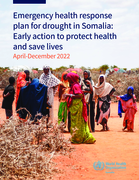
Nearly 260 000 people died in parts of Somalia between October 2010 and April 2012, including
133 000 children under five during the famine and food crisis in Somalia making it the worst famine in history.
A study commissioned and funded by the Food and Agriculture Organization of the United Natio
...
n’s food security and nutrition analysis unit for Somalia stated that the famine early warning systems clearly identified the risk of famine in South Central Somalia in 2010–2011 but timely action to prevent the onset of famine was not taken. The result was large scale
mortality, morbidity and population displacement.
more
The World Health Organization Regional Office for Africa (WHO AFRO), in accordance with recommendations from various WHO committees, has developed three flagship initiatives to support Member States in the African region to prepare for, detect and r
...
espond to public health emergencies. They are the result of extensive consultations with more than 30 African government ministers, technical actors, and partners across the continent as well as regional institutions such as the Africa Centres for Disease Control and Prevention (Africa CDC), whose contributions have shaped the priority activities. This report provides the fourth quarterly summary of progress in implementing the flagship initiatives.
more
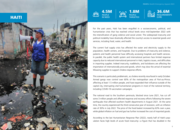
Haiti's Health Emergency Appeal 2023
recommended
For the past years, Haiti has been engulfed in a socioeconomic, political, and humanitarian crisis that has reached critical levels since mid-September 2022 with the intensification of gang violence and social unrest. The widespread insecurity and
political instability have drastically affected the
...
country’s access to essential goods and services, including food, water, and health. The current fuel supply crisis has affected the water and electricity supply to the population, health centers, and hospitals. Due to problems of insecurity and violence, patients and health personnel have difficulty accessing hospitals and health services.
In parallel, the public health system and international partners face limited response capacity due to reduced international personnel in Haiti, logistics issues, and difficulties in importing supplies. Indeed insecurity, roadblocks, and lockdowns are affecting the importation of internationally procured goods, which may slow the arrival of essential lifesaving supplies to support cholera response efforts. This scenario is particularly problematic, as cholera recently resurfaced in early October.
Armed gangs now control over 60% of the metropolitan area of Port-au-Prince, affecting at least 1.5 million people, and have expanded their influence outside of the capital city, interrupting vital humanitarian programs in most of the national territory,
including COVID-19 vaccination campaigns.
more

Obesity in all age groups, including children and adolescents, is a public health challenge across all settings. Obesity is now classified as a complex multifactorial chronic disease and not just a risk factor for other noncommunicable diseases and
...
comorbidities. Recognizing the significance of primary health care for an effective and efficient response to the obesity epidemic, the World Health Organization (WHO) has developed guidance on how to build capacity in the health system to deliver health services for prevention and management of obesity across the life course. This policy brief discusses the challenges and opportunities for preventing obesity in children and adolescents, and providing health services to treat and manage those already living with obesity. It outlines possible interventions through the primary health care approach.
more

There is growing international consensus that food systems transformation is important to address the challenges of malnutrition in all its forms, the burden of noncommunicable diseases (NCDs), environmental sustainability, increasing inequality and ensuring the welfare of workers and animals. In li
...
ght of the urgency of these challenges, there are questions about the role of red and processed meat in healthy and sustainable food systems. Globally, production and consumption of all types of meat has increased substantially in the last 50 years, and – although red meat consumption is now plateauing in high-income countries (HICs) – is predicted to increase by a further 50% by 2050. Meat consumption remains highly unequal both between and within countries, and animal-source food intakes, including red meat, are lowest among those at most risk of undernutrition
more

A System of Health Accounts 2011: Revised edition
Organisation for Economic Co-operation and Development (OECD), Eurostat and World Health Organization (WHO)
OECD Publishing, Paris
(2017)
CC
A System of Health Accounts 2011: Revised Edition provides an updated and systematic description of the financial flows related to the consumption of health care goods and services. As demands for i
...
nformation increase and more countries implement and institutionalise health accounts according to the system, the data produced are expected to be more comparable, more detailed and more policy relevant. It builds on the original OECD Manual, published in 2000, and the Guide to Producing National Health Accounts to create a single global framework for producing health expenditure accounts that can help track resource flows from sources to uses. It is the result of a collaborative effort between the OECD, WHO and the European Commission, and sets out in more detail the boundaries, the definitions and the concepts – responding to health care systems around the globe – from the simplest to the more complicated.
more

Oral health is defined as the absence of disease and a status that ensures optimal functioning of the mouth and its tissues in a manner preserving the highest level of function and self-esteem. Oral health
...
enables an individual to eat, speak and socialise having no active disease, discomfort or discouragement thus contributing to the general well-being. Good oral health is an essential component of general health and a right of every person1. Poor oral health has a negative impact on general health, work productivity, educational performance and adversely affects growth and development.
more

Member States of the Region have initiated processes to strengthen leadership and governance for mental health. Several countries have developed and implemented mental health plans, strategies and l
...
egislations. Direct spending on mental health needs to be increased throughout the Region through the health sector as well as other relevant sectors.
more

The Commission on Macroeconomics and Health (CMH) was established by World Health Organization Director-General Gro Harlem Brundtland in January 2000 to assess the place of
...
health in global economic development. Although health is widely understood to be both a central goal and an important outcome of development, the importance of investing in health to promote economic development and poverty reduction has been much less appreciated. We have found that extending the coverage of crucial health services, including a relatively small number of specific interventions, to the world’s poor could save millions of lives each year, reduce poverty, spur economic development, and promote global security.
more
To assess the impact of the COVID-19 pandemic on health and HIV expenditure, UNAIDS carried out a modelling study on fiscal space for health and HIV. From a sample of 28 countries, three countriesâ€
...
”the Democratic Republic of the Congo, Jamaica, and Lesotho—were selected to capture health and HIV expenditure impacts across countries with especially marked differences in burdens of disease (including HIV prevalence), HIV donor dependency, level of economic development, and geographic location. While the three-country sample is too small to permit findings to be generalized to other countries, these analyses are useful for informing UNAIDS’ work to identify some policy positions to minimize the COVID-19 pandemic’s impact on the HIV response.
more
Development assistance for health (DAH) has grown substantially, totaling more than $31.3 billion in 2013. However, the degree that countries with high concentrations of armed conflict, ethnic violence, inequality, debt, and corruption have received
...
this health aid and how that assistance might be different from the funding provided to other countries has not been assessed.
more

South Sudan continues to struggle with a severe health crisis affecting 8.9 million people, primarily in flood- and conflict-affected regions with population movements (displacement and returns), and disease outbreaks. The nation's
...
health system, heavily reliant on international aid, faces staffing and resource shortages. Vulnerable groups, including women, children, the elderly, and those with disabilities, have limited healthcare access and face heightened risks of mortality and illness.
The life expectancy at birth (55 years) is among the lowest globally, as mortality rates remain among the highest with neonatal, infant, under-five mortality rates estimated at 39.63, 63.76 and 98.69 deaths per 1000 live births respectively, and a maternal mortality ratio of 1,223 deaths per 100,000 live births. Although some disease specific mortality rates such as TB and AIDS-related mortality have declined, mortality due to malaria and non-communicable diseases have increased over the past five years.
The main causes of morbidity remain communicable diseases; malaria, is the top cause of morbidity (64%) and mortality (45%) among outpatients, followed by pneumonia and diarrhea.20 Several Counties report malaria cases above the threshold perennially especially during the rainy seasons, affecting mainly children under five years. The last malaria indicator survey (2017) estimated malaria prevalence of 32%, 34% and 18% among children under-five, protection of civilian’s sites, and internally displaced persons, respectively.
more

The burden of diabetes is enormous, positioning it as one of the main challenges facing public health today. Currently, it is estimated that 62 million people are living with diabetes in the Region of the Americas and projections show its prevalence
...
will continue rising over the following years. The Region shows the highest number of years of healthy life lost (through either disability or premature death) due to diabetes worldwide. The high costs associated with its treatment produce a heavy economic burden. Its complications can seriously affect the quality of life of people living with diabetes, their families, and society and overload health systems. This report shows the latest internationally comparable data on diabetes and its main risk factors by year, country, and sex. It also includes a summary of the countries health systems’ response to diabetes, including national plans, targets, surveillance, guidelines, and access to essential drugs and technologies, and synthesizes information about diabetes-related complications and the close relationship between diabetes and other pathologies, such as cardiovascular diseases, tuberculosis, and COVID-19. The data presented here reveal that, despite advances in national responses, diabetes continues to expand, and our response remains insufficient. This report aims to draw attention to the urgent need to strengthen efforts to prevent, diagnose, and control diabetes in the Region of the Americas.
more
