
Filter
4757
Text search:
violence
Featured
402
1300
Language
4097
565
152
101
94
53
35
24
16
16
15
12
12
11
11
11
10
9
9
8
8
8
8
7
7
7
7
7
7
7
7
7
7
6
6
6
6
6
6
5
5
5
5
5
5
5
5
4
4
4
4
4
3
3
3
3
3
3
3
3
3
3
3
2
2
2
2
2
1
1
1
1
1
1
1
1
1
1
1
1
1
1
1
1
1
1
1
1
1
1
1
1
1
1
1
1
1
1
1
1
Document type
2635
835
429
247
216
151
103
79
21
15
12
5
2
1
Countries
205
136
127
125
123
114
89
86
85
84
82
80
79
77
76
73
70
67
63
62
58
56
54
50
50
48
46
44
42
41
38
36
35
34
33
31
29
28
28
28
27
27
26
26
25
24
23
23
21
21
20
19
19
19
18
15
15
14
12
12
12
11
10
9
9
9
9
9
9
8
8
8
7
7
6
6
6
6
5
5
5
5
5
5
5
5
5
4
4
4
4
3
3
3
3
3
3
3
3
3
3
3
3
3
2
2
2
2
2
2
2
2
2
2
2
2
2
2
2
2
2
2
1
1
1
1
1
1
1
1
1
1
1
1
1
1
1
1
1
1
1
1
1
1
1
1
1
Authors & Publishers
447
135
131
117
109
100
94
86
73
55
54
44
41
40
39
36
34
32
31
29
29
28
26
25
24
24
24
23
21
21
20
20
20
20
20
19
19
18
18
18
17
17
16
16
16
16
16
15
15
15
15
15
14
14
12
12
12
12
12
12
12
11
11
11
11
11
10
10
10
10
10
9
9
9
8
8
8
8
8
8
8
8
8
8
8
8
8
8
8
8
8
7
7
7
7
7
7
7
7
7
7
7
7
7
7
6
6
6
6
6
6
6
6
6
6
6
6
6
6
6
6
6
6
6
6
6
6
6
6
6
6
6
6
6
6
5
5
5
5
5
5
5
5
5
5
5
5
5
5
5
5
5
5
5
5
5
5
5
5
5
5
5
5
5
5
5
5
5
5
5
5
4
4
4
4
4
4
4
4
4
4
4
4
4
4
4
4
4
4
4
4
4
4
4
4
4
4
4
4
4
4
4
4
4
4
4
4
4
4
4
4
4
4
4
4
4
4
4
4
4
4
3
3
3
3
3
3
3
3
3
3
3
3
3
3
3
3
3
3
3
3
3
3
3
3
3
3
3
3
3
3
3
3
3
3
3
3
3
3
3
3
3
3
3
3
3
3
3
3
3
3
3
3
3
3
3
3
3
3
3
3
3
3
3
3
3
3
3
3
3
3
3
3
3
3
3
3
3
3
3
3
3
3
3
3
3
3
3
3
2
2
2
2
2
2
2
2
2
2
2
2
2
2
2
2
2
2
2
2
2
2
2
2
2
2
2
2
2
2
2
2
2
2
2
2
2
2
2
2
2
2
2
2
2
2
2
2
2
2
2
2
2
2
2
2
2
2
2
2
2
2
2
2
2
2
2
2
2
2
2
2
2
2
2
2
2
2
2
2
2
2
2
2
2
2
2
2
2
2
2
2
2
2
2
2
2
2
2
2
2
2
2
2
2
2
2
2
2
2
2
2
2
2
2
2
2
2
2
2
2
2
2
2
2
2
2
2
2
2
2
2
2
2
2
2
2
2
2
2
2
2
2
2
2
2
2
2
2
2
2
2
2
2
2
2
2
2
2
2
2
2
2
2
2
2
2
2
2
2
2
2
2
2
2
2
2
2
2
2
2
2
2
2
2
2
2
2
2
2
2
2
2
2
2
2
2
2
2
2
2
2
2
2
2
2
2
2
2
2
2
2
2
2
2
2
2
2
2
2
2
2
2
2
2
2
2
2
2
2
2
2
2
2
2
2
2
2
2
2
2
2
2
2
2
2
2
2
2
2
2
2
2
2
2
2
2
2
2
2
2
2
2
2
2
2
2
2
2
2
2
2
2
2
2
2
2
2
2
2
2
2
2
2
2
2
2
2
2
2
2
1
1
1
1
1
1
1
1
1
1
1
1
1
1
1
1
1
1
1
1
1
1
1
1
1
1
1
1
1
1
1
1
1
1
1
1
1
1
1
1
1
1
1
1
1
1
1
1
1
1
1
1
1
1
1
1
1
1
1
1
1
1
1
1
1
1
1
1
1
1
1
1
1
1
1
1
1
1
1
1
1
1
1
1
1
1
1
1
1
1
1
1
1
1
1
1
1
1
1
1
1
1
1
1
1
1
1
1
1
1
1
1
1
1
1
1
1
1
1
1
1
1
1
1
1
1
1
1
1
1
1
1
1
1
1
1
1
1
1
1
1
1
1
1
1
1
1
1
1
1
1
1
1
1
1
1
1
1
1
1
1
1
1
1
1
1
1
1
1
1
1
1
1
1
1
1
1
1
1
1
1
1
1
1
1
1
1
1
1
1
1
1
1
1
1
1
1
1
1
1
1
1
1
1
1
1
1
1
1
1
1
1
1
1
1
1
1
1
1
1
1
1
1
1
1
1
1
1
1
1
1
1
1
1
1
1
1
1
1
1
1
1
1
1
1
1
1
1
1
1
1
1
1
1
1
1
1
1
1
1
1
1
1
1
1
1
1
1
1
1
1
1
1
1
1
1
1
1
1
1
1
1
1
1
1
1
1
1
1
1
1
1
1
1
1
1
1
1
1
1
1
1
1
1
1
1
1
1
1
1
1
1
1
1
1
1
1
1
1
1
1
1
1
1
1
1
1
1
1
1
1
1
1
1
1
1
1
1
1
1
1
1
1
1
1
1
1
1
1
1
1
1
1
1
1
1
1
1
1
1
1
1
1
1
1
1
1
1
1
1
1
1
1
1
1
1
1
1
1
1
1
1
1
1
1
1
1
1
1
1
1
1
1
1
1
1
1
1
1
1
1
1
1
1
1
1
1
1
1
1
1
1
1
1
1
1
1
1
1
1
1
1
1
1
1
1
1
1
1
1
1
1
1
1
1
1
1
1
1
1
1
1
1
1
1
1
1
1
1
1
1
1
1
1
1
1
1
1
1
1
1
1
1
1
1
1
1
1
1
1
1
1
1
1
1
1
1
1
1
1
1
1
1
1
1
1
1
1
1
1
1
1
1
1
1
1
1
1
1
1
1
1
1
1
1
1
1
1
1
1
1
1
1
1
1
1
1
1
1
1
1
1
1
1
1
1
1
1
1
1
1
1
1
1
1
1
1
1
1
1
1
1
1
1
1
1
1
1
1
1
1
1
1
1
1
1
1
1
1
1
1
1
1
1
1
1
1
1
1
1
1
1
1
1
1
1
1
1
1
1
1
1
1
1
1
1
1
1
1
1
1
1
1
1
1
1
1
1
1
1
1
1
1
1
1
1
1
1
1
1
1
1
1
1
1
1
1
1
1
1
1
1
1
1
1
1
1
1
1
1
1
1
1
1
1
1
1
1
1
1
1
1
1
1
1
1
1
1
1
1
1
1
1
1
1
1
1
1
1
1
1
1
1
1
1
1
1
1
1
1
1
1
1
1
1
1
1
1
1
1
1
1
1
1
1
1
1
1
1
1
1
1
1
1
1
1
1
1
1
1
1
1
1
1
1
1
1
1
1
1
1
1
1
1
1
1
1
1
1
1
1
1
1
1
1
1
1
1
1
1
1
1
1
1
1
1
1
1
1
1
1
1
1
1
1
1
1
1
1
1
1
1
1
1
1
1
1
1
1
1
1
1
1
1
1
1
1
1
1
1
1
1
1
1
1
1
1
1
1
1
1
1
1
1
1
1
1
1
1
1
1
1
1
1
1
1
1
1
1
1
1
1
1
1
1
1
1
1
1
1
1
1
1
1
1
1
1
1
1
1
1
1
1
1
1
1
1
1
1
1
1
1
1
1
1
1
1
1
1
1
1
1
1
1
1
1
1
1
1
1
1
1
1
1
1
1
1
1
1
1
1
1
1
1
1
1
1
1
1
1
1
1
1
1
1
1
1
1
1
1
1
1
1
1
1
1
1
1
1
1
1
1
1
1
1
1
1
1
1
1
1
1
1
1
1
1
1
1
1
1
1
1
1
1
1
1
1
1
1
1
1
1
1
1
1
1
1
1
1
1
1
1
1
1
1
1
1
1
1
1
1
1
1
1
1
1
1
1
1
1
1
1
1
1
1
1
1
1
1
1
1
1
1
1
1
1
1
1
1
1
1
1
1
1
1
1
1
1
1
1
1
1
1
1
1
1
1
1
1
1
1
1
1
1
1
1
1
1
1
1
1
1
1
1
1
1
1
1
1
1
1
1
1
1
1
1
1
1
1
1
1
1
1
1
1
1
1
1
1
1
1
1
1
1
1
1
1
1
1
1
1
1
1
1
1
1
1
1
1
1
1
1
1
1
1
1
1
1
1
1
1
1
1
1
1
1
1
1
1
1
1
1
1
1
1
1
1
1
1
1
1
1
1
1
1
1
1
1
1
1
1
1
1
1
1
1
1
1
1
1
1
1
1
1
1
1
1
1
1
1
1
1
1
1
1
1
1
1
1
1
1
1
1
1
1
1
1
1
1
1
1
1
1
1
1
1
1
1
1
1
1
1
1
1
1
1
1
1
1
1
1
1
1
1
1
1
1
1
1
1
1
1
1
1
1
1
1
1
1
1
1
1
1
1
1
1
1
1
1
1
1
1
1
1
1
1
1
1
1
1
1
1
1
1
1
1
1
1
1
1
1
1
1
1
1
1
1
1
1
1
1
1
1
1
1
1
1
1
1
1
1
1
1
1
1
1
1
1
1
1
1
1
1
1
1
1
1
1
1
1
1
1
1
1
1
1
1
1
1
1
1
1
1
1
1
1
1
1
1
1
1
1
1
1
1
1
1
1
1
1
1
1
1
1
1
1
1
1
1
1
1
1
1
1
1
1
1
1
1
1
1
1
1
1
1
1
1
1
1
1
1
1
1
1
1
1
1
1
1
1
1
1
1
1
1
1
1
1
1
1
1
1
1
1
1
1
1
1
1
1
1
1
1
1
1
1
1
1
1
1
1
1
1
1
1
1
1
1
1
1
1
1
1
1
1
1
1
1
1
1
1
1
1
1
1
1
1
1
1
1
1
1
1
1
1
1
1
1
1
1
1
1
1
1
1
1
1
1
1
1
1
1
1
1
1
1
1
1
1
1
1
1
1
1
1
1
1
1
1
1
1
1
1
1
1
1
1
1
1
1
1
1
1
1
1
1
1
1
1
1
1
1
1
1
1
1
1
1
1
1
1
1
1
1
1
1
1
1
1
1
1
1
1
1
1
1
1
1
1
1
1
1
1
1
1
1
1
1
1
1
1
1
1
1
1
1
1
1
1
1
1
1
1
1
1
1
1
1
1
1
1
1
1
1
1
1
1
1
1
1
1
1
1
1
1
1
1
1
1
1
1
1
1
1
1
1
1
1
1
1
1
1
1
1
1
1
1
1
1
1
1
1
1
1
1
1
1
1
1
1
1
1
1
1
1
1
1
1
1
1
1
1
1
1
1
1
1
1
1
1
1
1
1
1
1
1
1
1
1
1
1
1
1
1
1
1
1
1
1
1
1
1
1
1
1
1
1
1
1
1
1
1
1
1
1
1
1
1
1
1
1
1
1
1
1
1
1
1
1
1
1
1
1
1
1
1
1
1
1
1
1
1
1
1
1
1
1
1
1
1
1
1
1
1
1
1
1
1
1
1
1
1
1
1
1
1
1
1
1
1
1
1
1
1
1
1
1
1
1
1
1
1
1
1
1
1
1
1
1
1
1
1
1
1
1
1
1
1
1
1
1
1
1
1
1
1
1
1
1
1
1
1
1
1
1
1
1
1
1
1
1
1
1
1
1
1
1
1
1
1
1
1
1
1
1
1
1
1
1
1
1
1
1
1
1
1
1
1
1
1
1
1
1
1
1
1
1
1
1
1
1
1
1
1
1
1
1
1
1
1
1
1
1
1
1
1
1
1
1
1
1
1
1
1
1
1
1
1
1
1
1
1
1
1
1
1
1
1
1
1
1
1
1
1
1
1
1
1
1
1
1
1
1
1
1
1
1
1
1
1
1
1
1
1
1
1
1
1
1
1
1
1
1
1
1
1
1
1
1
1
1
1
1
1
1
1
1
1
1
1
1
1
1
1
1
1
1
1
1
1
1
1
1
1
1
1
1
1
1
1
1
1
1
1
1
1
1
1
1
1
1
1
1
1
1
1
1
1
1
1
1
1
1
1
1
1
1
1
1
1
1
1
1
1
1
1
1
1
1
1
1
1
1
1
1
1
1
1
1
1
1
1
1
1
1
1
1
1
1
1
1
1
1
1
1
1
1
1
1
1
1
1
1
1
1
1
1
1
1
1
1
1
1
1
1
1
1
1
1
1
1
1
1
1
1
1
1
1
1
1
1
1
1
1
1
1
1
1
1
1
1
1
1
1
1
1
1
1
1
1
1
1
1
1
1
1
1
1
1
1
1
1
1
1
1
1
1
1
1
1
1
1
1
1
1
1
1
1
1
1
1
1
1
1
1
1
1
1
1
1
1
1
1
1
1
1
1
1
1
1
1
1
1
1
1
1
1
1
1
1
1
1
1
1
1
1
1
1
1
1
1
1
1
1
1
1
1
1
1
1
1
1
1
1
1
1
1
1
1
1
1
1
1
1
1
1
1
1
1
1
1
1
1
1
1
1
1
1
1
1
1
1
1
1
1
1
1
1
1
1
1
1
1
1
1
1
1
1
1
1
1
1
1
1
1
1
1
1
1
1
1
1
1
1
1
1
1
1
1
1
1
1
1
1
1
1
1
1
1
1
1
1
1
1
1
1
1
1
1
1
1
1
1
1
1
1
1
1
1
1
1
1
1
1
1
1
1
1
1
1
1
1
1
1
1
1
1
1
1
1
1
1
1
1
1
1
1
1
1
1
1
1
1
1
1
1
1
1
1
1
1
1
1
1
1
1
1
1
1
1
1
1
1
1
1
1
1
1
1
1
1
1
1
1
1
1
1
1
1
1
1
1
1
1
1
1
1
1
1
1
1
1
1
1
1
1
1
1
1
1
1
1
1
1
1
1
1
1
1
1
1
1
1
1
1
1
1
1
1
1
1
1
1
1
1
1
1
1
1
1
1
1
1
1
1
1
1
1
1
1
1
1
1
1
1
1
1
1
1
1
1
1
1
1
1
1
1
1
1
1
1
1
1
1
1
1
1
1
1
1
1
1
1
1
1
1
1
1
1
1
1
1
1
1
1
1
1
1
1
1
1
1
1
1
1
1
1
1
1
1
1
1
1
1
1
1
1
1
1
1
1
1
1
1
1
1
1
1
1
1
1
1
1
1
1
1
1
1
1
1
1
1
1
1
1
1
1
1
1
1
1
1
1
1
1
1
1
1
1
1
1
1
1
1
1
1
1
1
1
1
1
1
1
1
1
1
1
1
1
1
1
1
1
1
1
1
1
1
1
1
1
1
1
1
1
1
1
1
1
1
1
1
1
1
1
1
1
1
1
1
1
1
1
1
1
1
1
1
1
1
1
1
1
1
1
1
1
1
1
1
1
1
1
1
1
1
1
1
1
1
1
1
1
1
1
1
1
1
1
1
1
1
1
1
1
1
1
1
1
1
1
1
1
1
1
1
1
1
1
1
1
1
1
1
1
1
1
1
1
1
1
1
1
1
1
1
1
1
1
1
1
1
1
1
1
1
1
1
1
1
1
1
1
1
1
1
1
1
1
1
1
1
1
1
1
1
1
1
1
1
1
1
1
1
1
1
1
1
1
1
1
1
1
1
1
1
1
1
1
1
1
1
1
1
1
1
1
1
1
1
1
1
1
1
1
1
1
1
1
1
1
1
1
1
1
1
1
1
1
1
1
1
1
1
1
1
1
1
1
1
1
1
1
1
1
1
1
1
1
1
1
1
1
1
1
1
1
1
1
1
1
1
1
1
1
1
1
1
1
1
1
1
1
1
1
1
1
1
1
1
1
1
1
1
1
1
1
1
1
1
1
1
1
1
1
1
1
1
1
1
1
1
1
1
1
1
1
1
1
1
1
1
1
1
1
1
1
1
1
1
1
1
1
1
1
1
1
1
1
1
1
1
1
1
1
1
1
1
1
1
Publication Years
1
1542
2879
320
11
1
1
2
Category
1902
399
332
183
129
105
3
3
Toolboxes
663
503
321
309
258
208
114
113
97
93
88
52
40
39
32
25
20
18
15
10
9
8
8
7
6
6
1
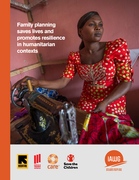
Globally, it is estimated that 128.6 million people are currently in need of humanitarian assistance. Of these individuals, approximately one-fourth are women and girls of reproductive age. Although family planning is one of the most life-saving, empowering, and cost-effective interventions for wome
...
n and girls, it remains an overwhelming gap in emergency responses due to a lack of prioritisation and funding. Consequently, many women and girls are forced to contend with an unmet need for family planning and unplanned pregnancies in addition to the traumas of conflict, disaster, and displacement.
more
Safety and security for national humanitarian workers
Stoddard, Abby ; Harmer, Adele ; Haver, Katherine
Office for the Coordination of Humanitarian Affairs (OCHA)
(2011)
C1
Annex I to: To stay and deliver, good practice for humanitarians in complex security environments
The principal findings of the report include that despite overall improvements in aid agencies’ security risk management, national aid workers perceive continued inequities in security suppor ... t compared with their international counterparts. National aid workers, while less subject to major attacks per capita than international aid workers, nevertheless form the majority of victims, and their specific security needs require more attention. more
The principal findings of the report include that despite overall improvements in aid agencies’ security risk management, national aid workers perceive continued inequities in security suppor ... t compared with their international counterparts. National aid workers, while less subject to major attacks per capita than international aid workers, nevertheless form the majority of victims, and their specific security needs require more attention. more
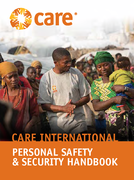
CARE International’s Personal Safety & Security Handbook has been developed to provide practical personal safety and security advice and guidance to all staff working in CARE offices and field sites throughout the world.
Each section has a detailed list of contents at the beginning and cut-ou ... t tabs to allow fast access to topics. Symbols and easy referencing are used throughout the handbook to help you find what you need quickly. more
Each section has a detailed list of contents at the beginning and cut-ou ... t tabs to allow fast access to topics. Symbols and easy referencing are used throughout the handbook to help you find what you need quickly. more

Une fois adoptée et mise en œuvre, la stratégie contribuera à réduire sensiblement les nouvelles infections sexuellement transmissibles et les décès connexes (ainsi que les mortinatalités et le cancer du col de l’utérus), tout en améliorant la santé individuelle, la santé sexuelle des
...
hommes et des femmes, et le bien-être de tous. Elle va orienter les efforts visant à : accélérer et cibler l’essentiel des actions de prévention en renforçant des approches à la fois comportementales, biomédicales et structurelles ; faciliter l’accès individuel à l’information concernant le statut personnel vis-à-vis des infections sexuellement transmissibles ; améliorer l’accès au traitement et à l’éventail complet des soins de longue durée, le cas échéant ; et combattre la stigmatisation et la discrimination généralisées. Le projet de stratégie encourage une démarche centrée sur la personne et fondée sur les principes des droits fondamentaux, de l’égalité entre les sexes et de l’équité en santé.
more
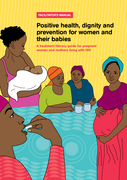
A treatment literacy guide for pregnant women and mothers living with HIV
Positive Health, Dignity and Prevention for Women and their Babies is intended for use by networks of women living with HIV, women’s groups, peer educators and others wishing to help guide women living with HIV t ... hrough the decisions they will need to take before, during and after their pregnancy. It is not intended as a substitute for going to a health facility and seeking information from a healthcare worker.
The facilitator’s manual and flipchart are intended to be used by leaders of support groups, peer educators or lay counsellors to facilitate small groups or community sessions with women living with HIV. Together, they provide accurate and comprehensive information to enable pregnant women and mothers living with HIV to know their rights and make informed decisions about their health, and the health of their baby. more
Positive Health, Dignity and Prevention for Women and their Babies is intended for use by networks of women living with HIV, women’s groups, peer educators and others wishing to help guide women living with HIV t ... hrough the decisions they will need to take before, during and after their pregnancy. It is not intended as a substitute for going to a health facility and seeking information from a healthcare worker.
The facilitator’s manual and flipchart are intended to be used by leaders of support groups, peer educators or lay counsellors to facilitate small groups or community sessions with women living with HIV. Together, they provide accurate and comprehensive information to enable pregnant women and mothers living with HIV to know their rights and make informed decisions about their health, and the health of their baby. more
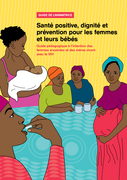
Guide pédagogique à l’intention des femmes enceintes et des mères vivant avec le VIH
Santé positive, dignité et prévention pour les femmes et leurs bébés a été conçu pour être utilisé par des réseaux de femmes vivant avec le VIH, des groupes de femmes, des pairs-éducateu ... rs ou d’autres personnes souhaitant aider les femmes vivant avec le VIH à prendre certaines décisions importantes avant, pendant, et après leur grossesse. Il ne remplace pas la visite à un établissement de santé ni la consultation d’un professionnel de santé.
Ils apportent des informations précises et complètes qui permettront aux femmes enceintes et aux mères vivant avec le VIH de connaître leurs droits et ainsi de prendre des décisions éclairées concernant leur santé et la santé de leur bébé. more
Santé positive, dignité et prévention pour les femmes et leurs bébés a été conçu pour être utilisé par des réseaux de femmes vivant avec le VIH, des groupes de femmes, des pairs-éducateu ... rs ou d’autres personnes souhaitant aider les femmes vivant avec le VIH à prendre certaines décisions importantes avant, pendant, et après leur grossesse. Il ne remplace pas la visite à un établissement de santé ni la consultation d’un professionnel de santé.
Ils apportent des informations précises et complètes qui permettront aux femmes enceintes et aux mères vivant avec le VIH de connaître leurs droits et ainsi de prendre des décisions éclairées concernant leur santé et la santé de leur bébé. more

The overall goal of the Kenya Health Sector Referral Strategy is to improve client access to referral. The objectives of the strategy are to realise improved capacity of health providers to identify clients who require referral, develop protocols that will lead to referral system efficiency and effe
...
ctiveness, and promote and facilitate information and communication technology (ICT) to manage referrals, improve care, enhance capacity of the referral system in Kenya, provide communication and related equipment, and promote research and innovation for referrals.
more

Ethiopia met the MDG target for drinking water access with a unique and high degree of success. The magnitude of the country’s success in providing improved drinking water to nearly half of its population in 25 years despite its diversity, size, and challenges cannot be overstated. This case study
...
documents the progress of the Ethiopian WASH sector from 1990 to 2015, and analyzes the impact of local systems created in Ethiopia to respond to water and sanitation challenges.
more

Nationally, Senegal met the MDG target for water supply access. It did this by engaging the public and private sectors to effectively invest and report on investments. It focused on larger population centers, less on remote regions of the country. Its achievements set the stage for more equitable an
...
d widespread service provision as the country now works to achieve the SDGs, requiring sustainable management of universal access. This case study documents the progression of the sector between 1990 and 2015, and analyzes the impact of local systems created in Senegal to respond to the water and sanitation challenge.
more
This external performance evaluation of the Malawi Girls’ Empowerment through Education and Health Activity (ASPIRE), conducted 2.5 years after ASPIRE began, establishes the activity’s progress against its objectives, proposes adaptations for the final year, and captures lessons for application
...
in future girls’ empowerment, health, and education programming in Malawi.
more

An action research conducted in Bang Shau village Northern Shan State, Myanmar

Infectious disease outbreaks are frequently characterized by scientific uncertainty, social and institutional disruption, and an overall climate of fear and distrust. Policy makers and public health professionals may be forced to weigh and prioritize potentially competing ethical values in the face
...
of severe time and resource constraints. This document seeks to assist policy-makers, health care providers, researchers, and others prepare for outbreak situations by anticipating and preparing for the critical ethical issues likely to arise.
more
Journal of the International AIDS Society 2017, vol. 20:e25026
In Myanmar, men who have sex with men (MSM) experience high risk of HIV infection. However, access to HIV testing and prevention services remains a challenge among this marginalized population. The objective of this study was to est ... imate population prevalence and correlates of prior HIV testing among young MSM (YMSM) and informs the development of HIV testing and intervention programmes that respond to the specific needs of this population.
https://doi.org/10.1002/jia2.25026 more
In Myanmar, men who have sex with men (MSM) experience high risk of HIV infection. However, access to HIV testing and prevention services remains a challenge among this marginalized population. The objective of this study was to est ... imate population prevalence and correlates of prior HIV testing among young MSM (YMSM) and informs the development of HIV testing and intervention programmes that respond to the specific needs of this population.
https://doi.org/10.1002/jia2.25026 more

The development of water, sanitation and hygiene (WASH) in schools guidelines for TimorLeste is a landmark moment in our quest to make every school child-friendly – a place where every child can learn, play and grow with pride and dignity. The overarching goal is to improve health, boost education
...
achievement and promote gender equity in our schools.
The guidelines set clear levels of acceptable standards for water supply, provision of sanitation facilities and hygiene promotion in schools and provide a common framework and policy direction for all sub-sector actors. Therefore, all implementing agencies, managers, planners, architects, water and sanitation technicians, teaching staff, school directors, school boards, district WASH committees, local authorities and other relevant bodies should consult these guidelines, when making implementation plans. more
The guidelines set clear levels of acceptable standards for water supply, provision of sanitation facilities and hygiene promotion in schools and provide a common framework and policy direction for all sub-sector actors. Therefore, all implementing agencies, managers, planners, architects, water and sanitation technicians, teaching staff, school directors, school boards, district WASH committees, local authorities and other relevant bodies should consult these guidelines, when making implementation plans. more

Water, sanitation and hygiene education in schools – WASH in Schools – provides safe drinking water, improves sanitation facilities and promotes lifelong health. WASH in Schools enhances the well-being of children and their families, and paves the way for new generations of healthy children.
f
...
rom Schools offers a snapshot of WASH in Schools experiences across the globe. These stories have been gathered through a retrospective search of UNICEF’s global and country office websites. They represent a myriad of activities undertaken by UNICEF and partners in 2010 and 2011.
more

World report on child injury prevention
World Health Organization (WHO), the United Nations Children’s Fund (UNICEF)
Peden, Margie et al.
(2008)
C_WHO
Every year, around 830 000 children die from unintentional or "accidental" injuries. The vast majority of these injuries occur in low-income and middle-income countries. However, dozens of prevention strategies and programmes exist. If they were integrated into other child survival programmes and im
...
plemented on a larger scale, many of these deaths and much of the injury-related disability could be prevented.
The report documents the magnitude, risks and prevention measures for child injuries globally –particularly for drowning, burns, road traffic injuries, falls and poisoning. more
The report documents the magnitude, risks and prevention measures for child injuries globally –particularly for drowning, burns, road traffic injuries, falls and poisoning. more
Rapport mondial sur la prévention des traumatismes chez l’enfant
Organisation mondiale de la Santé (OMS), Fonds des Nations Unies pour l’enfance (UNICEF)
Peden, Margie et al.
(2008)
C_WHO
Plus de 2000 enfants meurent chaque jour des suites de traumatismes involontaires ou accidentels. Chaque année des dizaines de milliers d'autres sont hospitalisés pour des blessures qui les laissent souvent handicapés à vie.
Ce rapport conjoint de l'OMS et de l'UNICEF établit le premier b ... ilan mondial des principales causes à l'origine des traumatismes involontaires touchant des enfants: les accidents de la route, les noyades, les brûlures, les chutes et les empoisonnements. more
Ce rapport conjoint de l'OMS et de l'UNICEF établit le premier b ... ilan mondial des principales causes à l'origine des traumatismes involontaires touchant des enfants: les accidents de la route, les noyades, les brûlures, les chutes et les empoisonnements. more
Census Report Volume 4-E
As no census has been undertaken in over 30 years, many aspects of the demographic situation in the country were unknown. For instance, before the Census it was thought that the country had a population of about 60 million, but the 2014 Census showed that the population ... (including an estimate for under-enumeration) was 51,486,253 persons, around 8.5 million less than the previous estimate.
In the 1983 census, 35,307,913 persons were recorded. Therefore between 1983 and 2014, the population increased by 46 per cent. With an average annual population growth rate of 0.89 per cent between 2003 and 2014, Myanmar is one of the slowest growing countries in Southeast Asia. more
As no census has been undertaken in over 30 years, many aspects of the demographic situation in the country were unknown. For instance, before the Census it was thought that the country had a population of about 60 million, but the 2014 Census showed that the population ... (including an estimate for under-enumeration) was 51,486,253 persons, around 8.5 million less than the previous estimate.
In the 1983 census, 35,307,913 persons were recorded. Therefore between 1983 and 2014, the population increased by 46 per cent. With an average annual population growth rate of 0.89 per cent between 2003 and 2014, Myanmar is one of the slowest growing countries in Southeast Asia. more
