
Filter
4886
Filtered Results: 4886
Text search:
Depar
tment
of
Health,
National
Center
for
Disease
Prevention
and
Control
Featured
Recommendations
438
New Publications
1326
Language
Document type
No document type
2781
Studies & Reports
819
Guidelines
658
Manuals
280
Strategic & Response Plan
194
Training Material
61
Fact sheets
41
Situation Updates
37
Resource Platforms
5
Infographics
5
Brochures
4
App
1
Countries / Regions
India
242
Global
205
Kenya
143
South Africa
124
Nigeria
106
Uganda
99
Sierra Leone
98
Ethiopia
94
Western and Central Europe
89
Nepal
88
Liberia
88
Malawi
84
Latin America and the Carribbean
78
Zambia
76
Tanzania
71
Africa
65
Ghana
61
Myanmar / Burma
61
Philippines
58
Rwanda
53
Bangladesh
53
Ukraine
40
Congo, Democratic Republic of
40
Eastern Europe
39
Namibia
37
Zimbabwe
36
Asia
36
Mozambique
35
Syria
33
Haiti
33
South–East Asia Region
33
Cambodia
32
Senegal
28
Guinea
27
Lesotho
26
Russia
23
Botswana
22
South Sudan
22
Indonesia
21
East and Southern Africa
20
Colombia
19
Middle East and North Africa
18
Brazil
18
Pakistan
18
Germany
17
West and Central Africa
17
Thailand
15
USA
15
Eastern Europe and Central Asia
15
Yemen
13
Burkina Faso
12
Afghanistan
12
Eswatini/ Swaziland
12
Cameroon
11
Albania
11
Madagascar
11
Tajikistan
10
Western Pacific Region
10
Vietnam
10
Laos
9
Sri Lanka
9
China
8
Moldova
8
Somalia
8
Peru
7
Venezuela
7
Jordan
7
North America
7
Sudan
7
Georgia
7
Mali
7
Turkey
6
Benin
6
Chile
6
Paraguay
6
Southern Africa
6
Papua New Guinea
6
Iraq
6
Togo
5
Bolivia
5
Angola
5
Timor Leste/ East Timor
4
Gambia
4
Armenia
4
Argentina
4
Lebanon
4
Central African Republic
4
Poland
4
Honduras
4
Chad
4
Ecuador
4
North Macedonia
3
Iran
3
Canada
3
Burundi
3
Hungary
3
United Kingdom
3
Belarus
3
Côte d’Ivoire / Ivory Coast
3
Romania
3
Greece
3
Palestine
3
Mexico
2
El Salvador
2
Malaysia
2
Dominican Republic
2
Saudi Arabia
2
Turkmenistan
2
Japan
2
Spain
2
Switzerland
1
Serbia
1
Kazakhstan
1
Singapore
1
Estonia
1
Kyrgyzstan
1
Niger
1
Uzbekistan
1
Morocco
1
Mongolia
1
Qatar
1
Bulgaria
1
Mauritania
1
Guinea-Bissau
1
Lithuania
1
Ireland
1
Gabon
1
Denmark
1
Belgium
1
France
1
Maldives
1
Mauritius
1
Tunisia
1
Portugal
1
Israel
1
Latvia
1
Belize
1
Costa Rica
1
Panama
1
Nicaragua
1
Egypt
1
Slovakia
1
Libya
1
Bhutan
1
Guatemala
1
Authors & Publishers
Publication Years
Category
Countries
1876
Clinical Guidelines
415
Public Health
297
Key Resources
244
Women & Child Health
225
Capacity Building
81
Pharmacy & Technologies
50
Toolboxes
HIV
429
Mental Health
358
TB
328
COVID-19
327
AMR
182
Ebola & Marburg
155
NTDs
154
Planetary Health
151
Caregiver
130
Rapid Response
123
Disability
121
NCDs
105
Conflict
84
Refugee
72
2.0 Rapid Response
71
Global Health Education
70
Pharmacy
68
Malaria
56
Natural Hazards
54
Health Financing Toolbox
54
Zika
50
Specific Hazards
32
Cholera
29
Polio
23
Social Ethics
9
Typhoon
3
South Sudan
1
Q3: What approaches are available to enable non-specialized health care providers to identify children with intellectual disabilities, including intellectual disabilities due to specific causes?
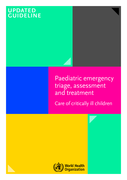
Updated Guideline.
The Emergency Triage Assessment and Treatment (ETAT) guidelines provide guidance on the most common emergency conditions in children presenting at the health facility. These include but are not limited to airway obstruction and other breathing problems; circulatory impairment or ...

The social protection landscape for people affected by TB in the WHO South-East Asia Region

Guidance statement
Recommendations on contraceptive methods used by
women at high risk of HIV
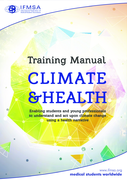
The project was developed by the International Federation of Medical Students’ Associations (IFMSA), in line with the Federation’s statement “a world in which students are equipped with knowledge, skills and value to take on health leadership roles locally and globally so to...
Zanoni BC, et al. BMJ Glob Health 2016;1:e000004. doi:10.1136/bmjgh-2015-000004
Report of the Joint World Health Organization–Brien Holden Vision Institute Global Scientific Meeting on Myopia | University of New South Wales, Sydney, Australia 16–18 March 2015

The COVID-19 pandemic has raised profound ethical challenges on an unprecedented global scale. These challenges include how to allocate scarce resources (especially vaccines and therapeutics), both within and between countries, whether and when to mandate vaccines and/or masks, whether and how to co...
