
Filter
3155
Text search:
Child
Poverty
Featured
196
984
Language
3052
75
69
39
37
22
16
12
5
4
4
4
3
2
2
2
2
2
2
2
2
2
2
2
2
1
1
1
1
1
1
1
1
1
1
1
1
1
1
1
1
1
1
1
1
Document type
1999
612
194
131
109
37
37
18
7
5
4
2
Countries
158
143
116
92
92
83
83
79
75
69
69
66
64
60
55
52
48
47
43
39
37
36
35
33
31
30
29
26
23
22
21
20
19
18
17
16
14
14
14
14
14
14
13
13
13
12
12
11
10
10
10
10
9
8
8
8
7
7
7
6
6
6
5
5
5
5
4
4
4
4
4
4
4
3
3
3
3
3
3
3
2
2
2
2
2
2
2
2
2
2
1
1
1
1
1
1
1
1
1
1
1
1
1
1
1
1
1
1
1
1
1
1
1
1
1
1
Authors & Publishers
228
104
95
84
69
62
58
37
37
35
33
32
23
20
19
16
16
16
15
15
14
14
14
14
14
13
12
12
12
12
12
11
11
11
11
10
10
10
10
10
10
9
9
9
9
9
9
9
9
9
9
9
9
9
9
9
8
8
8
8
7
7
7
7
7
7
6
6
6
6
6
6
6
6
6
6
6
6
6
6
6
6
5
5
5
5
5
5
5
5
5
5
5
5
5
5
5
5
5
5
5
4
4
4
4
4
4
4
4
4
4
4
4
4
4
4
4
4
4
4
4
4
4
4
4
4
4
4
4
4
4
4
4
4
4
3
3
3
3
3
3
3
3
3
3
3
3
3
3
3
3
3
3
3
3
3
3
3
3
3
3
3
3
3
3
3
3
3
3
3
3
3
3
3
3
3
3
3
3
3
3
3
3
3
3
3
3
3
3
3
3
3
3
3
3
3
3
3
3
3
3
2
2
2
2
2
2
2
2
2
2
2
2
2
2
2
2
2
2
2
2
2
2
2
2
2
2
2
2
2
2
2
2
2
2
2
2
2
2
2
2
2
2
2
2
2
2
2
2
2
2
2
2
2
2
2
2
2
2
2
2
2
2
2
2
2
2
2
2
2
2
2
2
2
2
2
2
2
2
2
2
2
2
2
2
2
2
2
2
2
2
2
2
2
2
2
2
2
2
2
2
2
2
2
2
2
2
2
2
2
2
2
2
2
2
2
2
2
2
2
2
2
2
2
2
2
2
2
2
2
2
2
2
2
2
2
2
2
2
2
2
2
2
2
2
2
2
2
2
2
2
2
2
2
2
2
2
2
2
2
2
2
2
2
2
2
2
2
2
2
2
2
2
2
2
2
2
2
2
2
2
2
2
2
2
2
2
2
2
2
2
2
2
2
2
2
2
2
2
2
2
2
2
2
2
2
2
2
2
2
2
2
2
2
2
2
2
2
2
2
1
1
1
1
1
1
1
1
1
1
1
1
1
1
1
1
1
1
1
1
1
1
1
1
1
1
1
1
1
1
1
1
1
1
1
1
1
1
1
1
1
1
1
1
1
1
1
1
1
1
1
1
1
1
1
1
1
1
1
1
1
1
1
1
1
1
1
1
1
1
1
1
1
1
1
1
1
1
1
1
1
1
1
1
1
1
1
1
1
1
1
1
1
1
1
1
1
1
1
1
1
1
1
1
1
1
1
1
1
1
1
1
1
1
1
1
1
1
1
1
1
1
1
1
1
1
1
1
1
1
1
1
1
1
1
1
1
1
1
1
1
1
1
1
1
1
1
1
1
1
1
1
1
1
1
1
1
1
1
1
1
1
1
1
1
1
1
1
1
1
1
1
1
1
1
1
1
1
1
1
1
1
1
1
1
1
1
1
1
1
1
1
1
1
1
1
1
1
1
1
1
1
1
1
1
1
1
1
1
1
1
1
1
1
1
1
1
1
1
1
1
1
1
1
1
1
1
1
1
1
1
1
1
1
1
1
1
1
1
1
1
1
1
1
1
1
1
1
1
1
1
1
1
1
1
1
1
1
1
1
1
1
1
1
1
1
1
1
1
1
1
1
1
1
1
1
1
1
1
1
1
1
1
1
1
1
1
1
1
1
1
1
1
1
1
1
1
1
1
1
1
1
1
1
1
1
1
1
1
1
1
1
1
1
1
1
1
1
1
1
1
1
1
1
1
1
1
1
1
1
1
1
1
1
1
1
1
1
1
1
1
1
1
1
1
1
1
1
1
1
1
1
1
1
1
1
1
1
1
1
1
1
1
1
1
1
1
1
1
1
1
1
1
1
1
1
1
1
1
1
1
1
1
1
1
1
1
1
1
1
1
1
1
1
1
1
1
1
1
1
1
1
1
1
1
1
1
1
1
1
1
1
1
1
1
1
1
1
1
1
1
1
1
1
1
1
1
1
1
1
1
1
1
1
1
1
1
1
1
1
1
1
1
1
1
1
1
1
1
1
1
1
1
1
1
1
1
1
1
1
1
1
1
1
1
1
1
1
1
1
1
1
1
1
1
1
1
1
1
1
1
1
1
1
1
1
1
1
1
1
1
1
1
1
1
1
1
1
1
1
1
1
1
1
1
1
1
1
1
1
1
1
1
1
1
1
1
1
1
1
1
1
1
1
1
1
1
1
1
1
1
1
1
1
1
1
1
1
1
1
1
1
1
1
1
1
1
1
1
1
1
1
1
1
1
1
1
1
1
1
1
1
1
1
1
1
1
1
1
1
1
1
1
1
1
1
1
1
1
1
1
1
1
1
1
1
1
1
1
1
1
1
1
1
1
1
1
1
1
1
1
1
1
1
1
1
1
1
1
1
1
1
1
1
1
1
1
1
1
1
1
1
1
1
1
1
1
1
1
1
1
1
1
1
1
1
1
1
1
1
1
1
1
1
1
1
1
1
1
1
1
1
1
1
1
1
1
1
1
1
1
1
1
1
1
1
1
1
1
1
1
1
1
1
1
1
1
1
1
1
1
1
1
1
1
1
1
1
1
1
1
1
1
1
1
1
1
1
1
1
1
1
1
1
1
1
1
1
1
1
1
1
1
1
1
1
1
1
1
1
1
1
1
1
1
1
1
1
1
1
1
1
1
1
1
1
1
1
1
1
1
1
1
1
1
1
1
1
1
1
1
1
1
1
1
1
1
1
1
1
1
1
1
1
1
1
1
1
1
1
1
1
1
1
1
1
1
1
1
1
1
1
1
1
1
1
1
1
1
1
1
1
1
1
1
1
1
1
1
1
1
1
1
1
1
1
1
1
1
1
1
1
1
1
1
1
1
1
1
1
1
1
1
1
1
1
1
1
1
1
1
1
1
1
1
1
1
1
1
1
1
1
1
1
1
1
1
1
1
1
1
1
1
1
1
1
1
1
1
1
1
1
1
1
1
1
1
1
1
1
1
1
1
1
1
1
1
1
1
1
1
1
1
1
1
1
1
1
1
1
1
1
1
1
1
1
1
1
1
1
1
1
1
1
1
1
1
1
1
1
1
1
1
1
1
1
1
1
1
1
1
1
1
1
1
1
1
1
1
1
1
1
1
1
1
1
1
1
1
1
1
1
1
1
1
1
1
1
1
1
1
1
1
1
1
1
1
1
1
1
1
1
1
1
1
1
1
1
1
1
1
1
1
1
1
1
1
1
1
1
1
1
1
1
1
1
1
1
1
1
1
1
1
1
1
1
1
1
1
1
1
1
1
1
1
1
1
1
1
1
1
1
1
1
1
1
1
1
1
1
1
1
1
1
1
1
1
1
1
1
1
1
1
1
1
1
1
1
1
1
1
1
1
1
1
1
1
1
1
1
1
1
1
1
1
1
1
1
1
1
1
1
1
1
1
1
1
1
1
1
1
1
1
1
1
1
1
1
1
1
1
1
1
1
1
1
1
1
1
1
1
1
1
1
1
1
1
1
1
1
1
1
1
1
1
1
1
1
1
1
1
1
1
1
1
1
1
1
1
1
1
1
1
1
1
1
1
1
1
1
1
1
1
1
1
1
1
1
1
1
1
1
1
1
1
1
1
1
1
1
1
1
1
1
1
1
1
1
1
1
1
1
1
1
1
1
1
1
1
1
1
1
1
1
1
1
1
1
1
1
1
1
1
1
1
1
1
1
1
1
1
1
1
1
1
1
1
1
1
1
1
1
1
1
1
1
1
1
1
1
1
1
1
1
1
1
1
1
1
1
1
1
1
1
1
1
1
1
1
1
1
1
1
1
1
1
1
1
1
1
1
1
1
1
1
1
1
1
1
1
1
1
1
1
1
1
1
1
1
1
1
1
1
1
1
1
1
1
1
1
1
1
1
1
1
1
1
1
1
1
1
1
1
1
1
1
1
1
1
1
1
1
1
1
1
1
1
1
1
1
1
1
1
1
1
1
1
1
1
1
1
1
1
1
1
1
1
1
1
1
1
1
1
1
1
1
1
1
1
1
1
1
1
1
1
1
1
1
1
1
1
1
1
1
1
1
1
1
1
1
1
1
1
1
1
1
1
1
1
1
1
1
1
1
1
1
1
1
1
1
1
1
1
1
1
1
1
1
1
1
1
1
1
1
1
1
1
1
1
1
1
1
1
1
1
1
1
1
1
1
1
1
1
1
1
1
1
1
1
1
1
1
1
1
1
1
1
1
1
1
1
1
1
1
1
1
1
1
1
1
1
1
1
1
1
1
1
1
1
1
1
1
1
1
1
1
1
1
1
1
1
1
1
1
1
1
1
1
1
1
1
1
1
1
1
1
1
1
1
1
1
1
1
1
1
1
1
1
1
1
1
1
1
1
1
1
1
1
1
1
1
1
1
1
1
1
1
1
1
1
1
1
1
1
1
1
1
1
1
1
1
1
1
1
1
1
1
1
1
1
1
1
1
1
1
1
1
1
1
1
1
1
1
1
1
1
1
1
1
1
1
1
1
1
1
1
1
1
1
1
1
1
1
1
1
1
1
1
1
1
1
1
1
1
1
1
1
1
1
1
1
1
1
1
1
1
1
1
1
1
1
1
1
1
1
1
1
1
1
1
1
1
1
1
1
1
1
1
1
1
1
1
1
1
1
1
1
1
1
1
1
1
1
1
1
1
1
1
1
1
1
1
1
1
1
1
1
1
1
1
1
1
1
1
1
1
1
1
1
1
1
1
1
1
1
1
1
1
1
1
1
1
1
1
1
1
1
1
1
1
1
1
1
1
1
1
1
1
1
1
1
1
1
1
1
1
1
1
1
1
1
1
1
1
1
1
1
1
1
1
1
1
1
1
1
1
1
1
1
1
1
1
1
1
1
1
1
1
1
1
1
1
1
1
1
1
1
1
1
1
1
1
1
1
1
1
1
1
1
1
1
1
1
1
1
1
1
1
1
1
1
1
1
1
1
1
1
1
1
1
1
1
1
1
1
1
1
1
1
1
1
1
1
1
1
1
1
1
1
1
1
1
1
1
1
1
1
1
1
1
1
1
1
1
1
1
1
1
1
1
1
1
1
1
1
1
1
1
1
1
1
1
1
1
1
1
1
1
1
1
1
1
1
1
1
1
1
1
1
1
1
1
1
1
1
1
1
1
1
1
1
1
1
1
1
1
1
1
1
1
1
1
1
1
1
1
1
1
1
1
1
1
1
1
1
1
1
1
1
1
1
1
1
1
1
1
1
1
1
1
1
1
1
1
1
1
1
1
1
1
1
1
1
1
1
1
1
1
1
1
1
1
1
1
1
1
1
1
1
1
1
1
1
1
1
1
1
1
1
1
1
1
1
1
1
1
1
1
1
1
1
1
1
1
1
1
1
1
1
1
1
1
1
1
1
1
1
1
1
1
1
1
1
1
1
1
1
1
1
1
1
1
1
1
1
1
1
1
1
1
1
1
1
1
1
1
1
1
1
1
1
1
1
1
1
1
1
1
1
1
1
1
1
1
1
1
1
1
1
1
1
1
1
1
1
1
1
1
1
1
1
1
1
1
1
1
1
1
1
1
1
1
1
1
1
1
1
1
1
1
1
1
1
1
1
1
1
1
1
1
1
1
1
1
1
1
1
1
1
1
1
1
1
1
1
1
1
1
1
1
1
1
1
1
1
1
1
1
1
1
1
1
1
1
1
1
1
1
1
1
1
1
1
1
1
1
1
1
1
1
1
1
1
1
1
1
1
1
1
1
1
1
1
1
1
1
1
1
1
1
1
1
1
1
1
1
1
1
1
1
1
1
1
1
1
1
1
1
1
1
1
1
1
1
1
1
1
1
1
1
1
1
1
1
1
1
1
1
1
1
1
1
1
1
1
1
1
1
1
1
1
1
1
1
1
1
1
1
1
1
1
1
1
1
1
1
1
1
1
1
1
1
1
1
1
1
1
1
1
1
1
1
1
1
1
1
1
1
1
1
1
1
1
1
1
1
1
1
1
1
1
1
1
1
1
1
1
1
1
1
1
1
1
1
1
1
1
1
1
1
1
1
1
1
1
1
1
1
1
1
1
1
1
1
1
1
1
1
1
1
1
1
1
1
1
1
1
1
1
1
1
1
1
1
1
1
1
1
1
1
1
1
1
1
1
1
1
1
1
1
1
1
1
1
1
1
1
1
1
1
1
1
1
1
1
1
1
1
1
1
1
1
1
1
1
1
1
1
1
1
1
1
1
1
1
1
1
1
1
1
1
1
1
1
1
1
1
1
1
1
1
1
1
1
1
1
1
1
1
1
1
1
1
1
1
1
1
1
1
1
1
1
1
1
1
1
1
1
1
1
1
1
1
1
1
1
1
1
1
1
1
1
1
1
1
1
1
1
1
1
1
1
1
1
1
1
1
1
1
1
1
1
1
1
1
1
1
1
1
1
1
1
1
1
1
1
1
1
1
1
1
1
1
1
1
1
1
1
1
1
1
1
1
1
1
1
1
1
1
1
1
1
1
1
1
1
1
1
1
1
1
1
1
1
1
1
1
1
1
1
1
1
1
1
1
1
1
1
1
1
1
1
1
1
Publication Years
767
2075
308
5
Category
1500
204
156
152
90
55
5
2
Toolboxes
290
277
163
127
118
105
96
83
77
75
61
58
49
43
33
30
23
18
12
11
10
10
7
6
5
2
1

This brief advocacy document highlights the burden, risks and prevention of injuries and violence, which took the lives of 4.4 million people in 2019 and constitute 8% of all deaths. Among the injury-related causes of death include road traffic crashes, drowning, falls, burns, poisoning and violence
...
against oneself or others. For people age 5-29 years, three of the top five causes of death are injury-related, including road traffic injuries, homicide, and suicide. Injuries and violence are not evenly distributed across or within countries – some people are more vulnerable than others depending on the conditions in which they are born, grow, work, live and age; in general, being young, male and of low socioeconomic status all increase the risk of injury. This document, aimed at public health professionals; injury prevention researchers, practitioners and advocates; and donors, draws attention to specific strategies based on sound scientific evidence that are effective and cost-effective at preventing injuries and violence; it is critical that these strategies are more widely implemented.
more
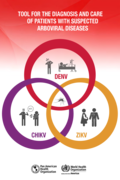
It is Zika virus (ZIKV) that most often causes these neurological effects it appears to be the only arbovirus than can cause congenital malformations such as microcephaly. In any case, more scientific tests are needed to establish the causal relationship between the virus and this malformation (7-10
...
).
This document is a practical tool designed to help health workers improve clinical diagnosis and provide timely care for patients infected
with the dengue, chikungunya, or Zika virus. It is intended mainly for
health workers in primary care facilities where laboratory diagnosis of
arboviruses is not always available. However, this guide may also be
very useful in hospitals that provide second- and third-level care, as it
describes the clinical manifestations of each of the three most important
arboviral diseases currently found in the Region, the elements for
differential diagnosis, and their clinical behavior.
more

An estimated 1.3 billion people – or 16% of global population worldwide – experience a significant disability today. Persons with disabilities have the right to the highest attainable standard of health as those without disabilities. However, the WHO Global report on health equity for persons w
...
ith disabilities demonstrates that while some progress has been made in recent years, the world is still far from realizing this right for many persons with disabilities who continue to die earlier, have poorer health, and experience more limitations in everyday functioning than others. These poor health outcomes are due to unfair conditions faced by persons with disabilities in all facets of life, including in the health system itself. Countries have an obligation under international human rights law to address the health inequities faced by persons with disabilities. Furthermore, the Sustainable Development Goals and global health priorities will not progress without ensuring health for all.
more

Antimicrobial resistance (AMR) is a threat to global health and development and it contributes to millions of deaths worldwide each year. Inappropriate use and overuse of antibiotics are driving an increase in AMR and have a detrimental impact on the effectiveness of these critical medicines. Throug
...
h the Global Action Plan on AMR, WHO is working to improve the surveillance of antimicrobial resistance and reduce inappropriate antibiotic consumption.
There is a recognized need for high-quality resources to improve antibiotic prescribing globally. To address this need, a pragmatic approach was taken by WHO to develop actionable guidance for empiric antibiotic use.
The WHO AWaRe (Access, Watch, Reserve) antibiotic book provides concise, evidence-based guidance on the choice of antibiotic, dose, route of administration, and duration of treatment for more than 30 of the most common clinical infections in children and adults in both primary health care and hospital settings. The information included in the book supports the recommendations for antibiotics listed on the WHO Model Lists of Essential Medicines and Essential Medicines Children and the WHO AWaRe classification of antibiotics.
The WHO AWaRe antibiotic book is accompanied by summary infographics for each infection for both adults and children that provide a quick-reference guide for health care workers at the point of care.
more

As countries aim to progress towards the Sustainable Development Goals (SDGs) and achieving universal health coverage, health inequities driven by racial discrimination and intersecting factors remain pervasive. Inequities experienced by indigenous peoples as well as people of African descent, Roma
...
and other ethnic minorities are of concern globally; they are unjust, preventable and remediable.
Health systems themselves are important determinants of health and health equity. They can perpetuate health inequities by reflecting structural racism and discriminatory practices of wider society. For instance, systemic racism, implicit bias, misinformed clinical practice, or discrimination by health professionals contributes to health inequities. However, health systems can also be a leading force for tackling the inequities faced by populations experiencing racial discrimination.
Primary health care (PHC) is the essential strategy for reorientating health systems and societies to become healthier, equitable, effective and sustainable. In 2018, on the 40th anniversary of the Declaration of Alma-Ata, the World Health Organization (WHO) and the United Nations Children’s Fund (UNICEF) renewed the emphasis on PHC with their strategy,
WHO outlines 14 strategic and operational levers for policy-makers to strengthen PHC. Within each lever, there are multiple potential entry points for targeted actions to address racial discrimination, foster intercultural care, and reduce health inequities experienced by indigenous peoples as well as people of African descent, Roma and other ethnic minorities.
more

Download (7.4 MB)
Overview
Epilepsy is one of the most common neurological disorders globally. The WHO epilepsy technical brief aims to strengthen action for epilepsy and complements the Intersectoral global action plan on epilepsy and other neurological disorders 2022–2031.
The technical bri
...
ef presents the key information on epilepsy and recommends actions to policy makers and other stakeholders. Using the concept of levers for change introduced by the Operational Framework for Primary Health Care, it identifies actions on the policy and operational levels that stakeholders should take to strengthen services for people with epilepsy using a person-centered approach based on human rights and universal health coverage.
more

This Guidance Note is meant to help protection cluster coordinators apply nexus approaches in a practical way by, providing concrete steps and means to address prevalent or longstanding protection issues, risk patterns, trends and chronic vulnerabilities. The guidance calls for a practical, problem-
...
solving approach that seeks opportunities to identify and collaborate with actors beyond the humanitarian sphere to address deep-rooted protection issues
more

This new guidance aims to support programme implementers, coordinators and others in humanitarian settings in their actions to counter suicide and self-harm in humanitarian contexts and to save lives.

Trachoma causes more vision loss and blindness than any other infection in the world. This disease is caused by Chlamydia trachomatis bacteria. Other variants or strains of these bacteria can cause a sexually transmitted infection (chlamydia) and disease in lymph nodes.
This is photomicrograph
...
of a conjunctival smear that revealed the presence of what are known as, intracytoplasmic inclusions Trachoma is easily spread through direct personal contact such as from fingers, through shared towels and clothes, and through flies that have been in contact with the eyes or nose of an infected person. When left untreated, repeated Chlamydia trachomatis infections in the eye can cause severe scarring on the inside of the eyelid. This can cause the eyelashes to scratch the cornea (trichiasis). In addition to causing pain, trichiasis permanently damages the cornea and can lead to irreversible blindness.
Chlamydia trachomatis infections spread in areas that lack access to safely managed drinking water and sanitation systems. Trachoma affects the most resource-limited communities in the world. Globally, almost 1.9 million people have vision loss because of trachoma, and it causes 1.4% of all blindness worldwide.1 In 2021, 136 million people lived in trachoma-endemic areas and were at risk of trachoma blindness.
more

Despite the significant role of vector control in national leishmaniasis control programmes, the programmatic community perceives vector control as the weakest component of leishmaniasis control strategies in terms of resources, scientific evidence of the usefulness of interventions and capacity for
...
quality-assured implementation. Therefore, the main objective of this manual is to provide practical tools, techniques and procedures to strengthen sand fly control and surveillance in order to improve implementation of leishmaniasis control programmes. The manual provides a rationale for programme managers in different geographical regions on the types of vector control interventions to be used in different epidemiological and environmental settings and also how to measure their impact.
more

Not long ago, on the occasion of the 100th anniversary of the discovery of Chagas disease, several campaigns denounced the scant progress has been made in diffrent spheres- medical, scientific and politcal- but major challanges still remain. This is an appropriate time to celebrate what has been ach
...
ieved and to take the next step.
more
This document compiles the recommendations made by the World Health Organization (WHO) and the Pan American Health Organization (PAHO) to help professionals in charge of vector control programs in Latin America and the Caribbean at the national, subnational, and local level update their knowledge in
...
order to make evidence-based decisions on the most appropriate control measures for each specific situation. IVM can be used for surveillance and control or for elimination of VBDs and can help reduce the development of insecticide resistance through the rational use of these products. This document provides instructions for fulfillment of the 2008 PAHO mandate set forth in CD 48/13 (Integrated Vector Management).
more
El presente documento reúne un conjunto de recomendaciones formuladas por la Organización Mundial de la Salud (OMS) y la Organización Panamericana de la Salud (OPS) para ayudar, a los profesionales encargados de los programas de control de vectores de Latinoamérica y el Caribe a nivel nacional,
...
subnacional y local, a actualizar y tomar decisiones basadas en la evidencia sobre las medidas de control más apropiadas para cada situación específica. El MIV puede utilizarse cuando la meta es la vigilancia y el control o la eliminación (dependiendo de la situación específica) de las ETV y puede contribuir a reducir el desarrollo de la Resistencia a los insecticidas mediante el uso racional de estos productos. Este documento contiene las instrucciones para llevar a cabo el mandato de la OPS del 2008 sobre el control integrado de vectores (resolución CD48.R8, documento CD48/13) y, en particular, complementa una serie de guías de la OMS publicadas en el 2012
more
Lymphatic filariasis (LF) infection if untreated results in fluid accumulation in the limbs or breasts (lymphedema) or genitalia (hydrocele) that is painful and causes great discomfort. Morbidity management and disability prevention (MMDP) strategies such as surgery for hydrocele, treatment of acute
...
attacks and management of lymphedema are necessary for the management of the advanced stages of LF. However, very few countries including Zambia, have adequate information on the health beliefs and health seeking behavior of communities living in endemic areas towards MMDP services for LF. This study sought to explore community and health provider perspectives towards MMDP services for LF in a highly endemic region, Luangwa District, Zambia, between February and April 2019.
more
Prevalence of Schistosoma Haematobium Measured by a Mobile Health System in an Unexplored Endemic Region in the Subprefecture of Torrock, Chad
Layaye, D.; E de Bruijn, M.; de Jong, T.;
JMIR Publication Advancing Digital Health and Open Science
(2019)
CC
Schistosoma haematobium is a parasitic digenetic trematode responsible for schistosomiasis (also known as bilharzia). The disease is caused by penetration of the skin by the parasite, spread by intermediate host molluscs in stagnant waters, and can be treated by administration of praziquantel. Schis
...
tosomiasis is considered to be an important but neglected tropical disease.
more

This sourcebook aims to detail why health needs to be part of urban and territorial planning and how to make this happen. It brings together two vital elements we need to build habitable cities on a habitable planet: 1) Processes to guide the development of human settlements – in this document ref
...
erred to as “urban and territorial planning (UTP)”; and 2) concern for human health, well-being and health equity at all levels – from local to global, and from human to planetary health.
This sourcebook identifies a comprehensive selection of existing resources and tools to support the incorporation of health into UTP, including advocacy frameworks, entry points and guidance, as well as tools and illustrative case studies. It does not provide prescriptions for specific scenarios – these should be determined by context, people and available resources.
more
The Food and Agriculture Organization of the United Nations (FAO) launched a new Framework for Environmental and Social Management (FESM) to ensure that both people and the environment are protected from any potential impacts of FAO programmes and projects.
“This Framework ensures that our proj
...
ects do both “no harm” and support the transformation to more efficient, more inclusive, more resilient and more sustainable agrifood systems by upholding the highest international standards for risk management,” FAO Director-General QU Dongyu explained during a virtual event.
The Framework, which includes key elements of a people-centered approach and establishes environmental and social performance requirements for FAO programming, is also intended to ensure that all stakeholders, including local and indigenous communities, have ample opportunities to actively participate in projects’ activities and to voice their concerns about them.
more

Knowledge, attitudes and practices about human African trypanosomiasis and their implications in designing intervention strategies for Yei county, South Sudan
Bukachi, SA.; Mumbo, AA.; Alak, ACD.; Sebit, W.; Rumunu, J.
PLOS Neclected Tropical Diseases
(2018)
CC
A clear understanding of the knowledge, attitudes and practices (KAP) of a particular community is necessary in order to improve control of human African trypanosomiasis (HAT).New screening and diagnostic tools and strategies were introduced into South Sudan, as part of integrated delivery of primar
...
y healthcare. Knowledge and awareness on HAT, its new/improved screening and diagnostic tools, the places and processes of getting a confirmatory diagnosis and treatment are crucial to the success of this strategy.
more

This document provides an overview of strategic purchasing of nutrition services within primary health care. It introduces key terms and payment methods for countries to use in preparing to transform their health financial systems to scale up nutrition services. It does so by introducing nutritional
...
perspectives to strategic health purchasing core areas: What to buy, From whom to buy and How to buy.
more
Cholera is a diarrheal disease caused by the bacterium Vibrio cholera. The infection primarily spreads through contaminated water and food. Symptoms include the onset of acute diarrhea and/or vomiting, muscle cramps, and body weakness. If untreated, the infection can result in rapid dehydration and
...
death within hours.
more
