Filter
721
Text search:
lateral
Featured
Recommendations
103
New Publications
156
Language
Document type
No document type
364
Guidelines
155
Studies & Reports
84
Manuals
67
Fact sheets
18
Strategic & Response Plan
15
Training Material
9
Situation Updates
6
Resource Platforms
2
Infographics
1
Countries / Regions
India
56
Kenya
18
South Africa
18
Indonesia
17
Brazil
16
Global
16
Mozambique
14
Nigeria
12
Myanmar / Burma
12
Tanzania
11
Nepal
10
Sierra Leone
8
Uganda
8
Philippines
8
Argentina
7
Colombia
7
Latin America and the Carribbean
6
Paraguay
6
Africa
6
Ethiopia
5
Ghana
5
Germany
5
Zambia
5
Rwanda
5
Malawi
5
Namibia
5
Bolivia
5
Western and Central Europe
5
Liberia
4
Zimbabwe
4
Cambodia
4
Ecuador
4
Botswana
4
Angola
4
Asia
4
Venezuela
4
Senegal
3
Bangladesh
3
Papua New Guinea
3
Ukraine
3
Lesotho
3
South–East Asia Region
3
Honduras
2
El Salvador
2
Chile
2
Yemen
2
East and Southern Africa
2
West and Central Africa
2
Middle East and North Africa
2
Russia
2
Congo, Democratic Republic of
1
Guinea-Bissau
1
USA
1
Haiti
1
South Sudan
1
Lebanon
1
Syria
1
Gambia
1
Madagascar
1
Nicaragua
1
Sri Lanka
1
Eastern Europe and Central Asia
1
Fiji
1
Bhutan
1
Eastern Europe
1
Mongolia
1
Tajikistan
1
Vietnam
1
North America
1
Spain
1
Authors & Publishers
Publication Years
Category
Countries
294
Clinical Guidelines
120
Women & Child Health
32
Key Resources
31
Pharmacy & Technologies
29
Public Health
15
Capacity Building
8
Toolboxes
TB
78
COVID-19
72
NTDs
58
HIV
50
Disability
26
Caregiver
25
Mental Health
19
Malaria
17
Natural Hazards
16
Pharmacy
15
Ebola & Marburg
11
Planetary Health
11
NCDs
9
Conflict
8
Rapid Response
6
AMR
6
Cholera
5
Global Health Education
4
2.0 Rapid Response
4
Refugee
3
Zika
3
Specific Hazards
3
Health Financing Toolbox
3
Polio
2
Myocardial infarctions are generally clinically classified into ST elevation MI (STEMI) and non-ST elevation MI (NSTEMI), based on changes in ECG. When blood flow to a part of the heart stops or the heart is injured and fails to receive enough oxygen required for its adequate functioning the conditi
...
With this study, we estimated the burden of serious fungal infections for the general healthy population and for those at risk, including those infected with HIV, patients with asthma, as well as those under intensive care. We also highlight from studies in progress of high incidences of histoplasm
...
Antimicrobial resistant (AMR) organisms are increasing globally, threatening to render existing treatments ineffective against many infectious diseases. In Africa, AMR has already been documented to be a problem for HIV and the pathogens that cause malaria, tuberculosis, typhoid, cholera, meningitis
...
Despite its rich culture, great economic potential, high level of education and last but not least its sheer size – it is the largest state whose borders lie entirely within Europe and is 1.7 times the size of the Federal Republic of Germany – Ukraine seems far away in perception and awareness.
...
The document provides a detailed overview of cholera, including its clinical features, diagnosis, treatment, and prevention. It explains the causes of cholera, its symptoms such as severe diarrhea and dehydration, and the importance of rehydration therapy (oral or intravenous) to reduce mortality. T
...
Hypertension is referred to as a “silent killer”. Most people with hypertension are unaware of their condition as in most cases, they experience no warning signs or symptoms hence they are not identified or treated. Hypertention is associated with a number of conditions, disability, and causes o
...
Humanity & Inclusion has published a report on November 20, on the difficulties children with disabilities face in accessing education in the world’s poorest countries.
Snakebites are well-known medical emergencies in many parts of the world, especially in rural areas. Agricultural workers and children are the most affected. The incidence of snakebite mortality is particularly high in South-East Asia. Rational use of snake anti-venom can substantially reduce mortal
...
The publication of the Second Edition of the Emergency Drug Guidelines represents the culmination of the efforts of the National Drugs and Therapeutics Committee (NDTC) to publish clinical drug guidelines for common diseases seen in Fiji. These guidelines are targeted for health care professionals w
...
This manual provides a framework for morbidity management and disability prevention of patients affected by NIDs and gives specific guidance for the proper care of patients suffering from chronic conditions caused by lymphatic filariasis, leprosy, trachoma, and Chagas disease. It is intended to be u
...
These guidelines aim to guide all health care providers in Myanmar, accommodating the situation of different settings in the context of progressive decentralization of HIV services. Notable changes from the previous edition include:
• diagnosis of HIV
• update on the initiation of ART
...
• diagnosis of HIV
• update on the initiation of ART
...
This publication addresses the management of war wounds by non-specialist surgeons in situations where resources and expertise are limited. It is intended to be a pratical guide whether or not the surgeon has a special training in orthopaedic trauma.
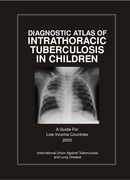
A Guide for low income countries
This 277 page pocketbook is a summary of the emergency components of basic neonatal and older infants hospital care from our 900 page textbook “International Maternal & Childhealth Care. A practical manual for hospitals worldwide”.
If you work in a hospital in a low income country - providin
...