
Filter
3216
Text search:
referral
hospital
Featured
363
998
Language
3138
38
36
29
23
9
8
6
4
4
4
3
3
3
3
3
3
3
3
3
3
3
3
2
2
2
2
2
2
2
1
1
1
1
1
1
1
1
1
1
1
1
1
1
1
1
1
1
1
1
1
1
1
Document type
1919
475
375
190
106
70
37
26
8
5
3
2
Countries
270
145
102
99
94
88
81
80
78
78
64
63
60
58
57
57
52
50
44
44
37
32
31
24
24
23
21
20
19
19
19
18
15
15
15
14
13
11
11
11
10
10
10
10
10
9
8
8
8
7
7
7
6
6
6
5
5
4
4
4
3
3
3
3
3
3
3
3
3
3
3
3
2
2
2
2
2
2
2
2
2
2
2
2
2
2
2
2
2
1
1
1
1
1
1
1
1
1
1
1
1
1
1
1
1
1
1
1
1
1
1
1
1
1
1
1
1
1
1
1
1
Authors & Publishers
409
150
91
87
81
68
67
66
33
30
28
28
26
23
21
19
19
18
17
16
16
16
15
15
15
15
15
14
14
14
14
14
13
13
13
13
13
13
12
12
12
11
11
10
10
10
10
10
9
9
8
8
8
8
8
8
8
7
7
7
7
6
6
6
6
6
6
6
6
6
6
6
6
6
6
5
5
5
5
5
5
5
5
5
5
5
5
5
5
5
5
5
5
5
5
5
5
5
5
5
5
5
5
5
5
5
5
5
5
5
4
4
4
4
4
4
4
4
4
4
4
4
4
4
4
4
4
4
4
4
4
4
4
4
4
4
4
4
4
4
4
4
4
4
4
4
4
4
4
4
4
3
3
3
3
3
3
3
3
3
3
3
3
3
3
3
3
3
3
3
3
3
3
3
3
3
3
3
3
3
3
3
3
3
3
3
3
3
3
3
3
3
3
3
3
3
3
3
3
3
3
3
3
3
3
3
3
3
3
3
3
2
2
2
2
2
2
2
2
2
2
2
2
2
2
2
2
2
2
2
2
2
2
2
2
2
2
2
2
2
2
2
2
2
2
2
2
2
2
2
2
2
2
2
2
2
2
2
2
2
2
2
2
2
2
2
2
2
2
2
2
2
2
2
2
2
2
2
2
2
2
2
2
2
2
2
2
2
2
2
2
2
2
2
2
2
2
2
2
2
2
2
2
2
2
2
2
2
2
2
2
2
2
2
2
2
2
2
2
2
2
2
2
2
2
2
2
2
2
2
2
2
2
2
2
2
2
2
2
2
2
2
2
2
2
2
2
2
2
2
2
2
2
2
2
2
2
2
2
2
2
2
2
2
2
2
2
2
2
2
2
2
2
2
2
2
2
2
2
2
2
2
2
2
2
2
2
2
2
2
2
1
1
1
1
1
1
1
1
1
1
1
1
1
1
1
1
1
1
1
1
1
1
1
1
1
1
1
1
1
1
1
1
1
1
1
1
1
1
1
1
1
1
1
1
1
1
1
1
1
1
1
1
1
1
1
1
1
1
1
1
1
1
1
1
1
1
1
1
1
1
1
1
1
1
1
1
1
1
1
1
1
1
1
1
1
1
1
1
1
1
1
1
1
1
1
1
1
1
1
1
1
1
1
1
1
1
1
1
1
1
1
1
1
1
1
1
1
1
1
1
1
1
1
1
1
1
1
1
1
1
1
1
1
1
1
1
1
1
1
1
1
1
1
1
1
1
1
1
1
1
1
1
1
1
1
1
1
1
1
1
1
1
1
1
1
1
1
1
1
1
1
1
1
1
1
1
1
1
1
1
1
1
1
1
1
1
1
1
1
1
1
1
1
1
1
1
1
1
1
1
1
1
1
1
1
1
1
1
1
1
1
1
1
1
1
1
1
1
1
1
1
1
1
1
1
1
1
1
1
1
1
1
1
1
1
1
1
1
1
1
1
1
1
1
1
1
1
1
1
1
1
1
1
1
1
1
1
1
1
1
1
1
1
1
1
1
1
1
1
1
1
1
1
1
1
1
1
1
1
1
1
1
1
1
1
1
1
1
1
1
1
1
1
1
1
1
1
1
1
1
1
1
1
1
1
1
1
1
1
1
1
1
1
1
1
1
1
1
1
1
1
1
1
1
1
1
1
1
1
1
1
1
1
1
1
1
1
1
1
1
1
1
1
1
1
1
1
1
1
1
1
1
1
1
1
1
1
1
1
1
1
1
1
1
1
1
1
1
1
1
1
1
1
1
1
1
1
1
1
1
1
1
1
1
1
1
1
1
1
1
1
1
1
1
1
1
1
1
1
1
1
1
1
1
1
1
1
1
1
1
1
1
1
1
1
1
1
1
1
1
1
1
1
1
1
1
1
1
1
1
1
1
1
1
1
1
1
1
1
1
1
1
1
1
1
1
1
1
1
1
1
1
1
1
1
1
1
1
1
1
1
1
1
1
1
1
1
1
1
1
1
1
1
1
1
1
1
1
1
1
1
1
1
1
1
1
1
1
1
1
1
1
1
1
1
1
1
1
1
1
1
1
1
1
1
1
1
1
1
1
1
1
1
1
1
1
1
1
1
1
1
1
1
1
1
1
1
1
1
1
1
1
1
1
1
1
1
1
1
1
1
1
1
1
1
1
1
1
1
1
1
1
1
1
1
1
1
1
1
1
1
1
1
1
1
1
1
1
1
1
1
1
1
1
1
1
1
1
1
1
1
1
1
1
1
1
1
1
1
1
1
1
1
1
1
1
1
1
1
1
1
1
1
1
1
1
1
1
1
1
1
1
1
1
1
1
1
1
1
1
1
1
1
1
1
1
1
1
1
1
1
1
1
1
1
1
1
1
1
1
1
1
1
1
1
1
1
1
1
1
1
1
1
1
1
1
1
1
1
1
1
1
1
1
1
1
1
1
1
1
1
1
1
1
1
1
1
1
1
1
1
1
1
1
1
1
1
1
1
1
1
1
1
1
1
1
1
1
1
1
1
1
1
1
1
1
1
1
1
1
1
1
1
1
1
1
1
1
1
1
1
1
1
1
1
1
1
1
1
1
1
1
1
1
1
1
1
1
1
1
1
1
1
1
1
1
1
1
1
1
1
1
1
1
1
1
1
1
1
1
1
1
1
1
1
1
1
1
1
1
1
1
1
1
1
1
1
1
1
1
1
1
1
1
1
1
1
1
1
1
1
1
1
1
1
1
1
1
1
1
1
1
1
1
1
1
1
1
1
1
1
1
1
1
1
1
1
1
1
1
1
1
1
1
1
1
1
1
1
1
1
1
1
1
1
1
1
1
1
1
1
1
1
1
1
1
1
1
1
1
1
1
1
1
1
1
1
1
1
1
1
1
1
1
1
1
1
1
1
1
1
1
1
1
1
1
1
1
1
1
1
1
1
1
1
1
1
1
1
1
1
1
1
1
1
1
1
1
1
1
1
1
1
1
1
1
1
1
1
1
1
1
1
1
1
1
1
1
1
1
1
1
1
1
1
1
1
1
1
1
1
1
1
1
1
1
1
1
1
1
1
1
1
1
1
1
1
1
1
1
1
1
1
1
1
1
1
1
1
1
1
1
1
1
1
1
1
1
1
1
1
1
1
1
1
1
1
1
1
1
1
1
1
1
1
1
1
1
1
1
1
1
1
1
1
1
1
1
1
1
1
1
1
1
1
1
1
1
1
1
1
1
1
1
1
1
1
1
1
1
1
1
1
1
1
1
1
1
1
1
1
1
1
1
1
1
1
1
1
1
1
1
1
1
1
1
1
1
1
1
1
1
1
1
1
1
1
1
1
1
1
1
1
1
1
1
1
1
1
1
1
1
1
1
1
1
1
1
1
1
1
1
1
1
1
1
1
1
1
1
1
1
1
1
1
1
1
1
1
1
1
1
1
1
1
1
1
1
1
1
1
1
1
1
1
1
1
1
1
1
1
1
1
1
1
1
1
1
1
1
1
1
1
1
1
1
1
1
1
1
1
1
1
1
1
1
1
1
1
1
1
1
1
1
1
1
1
1
1
1
1
1
1
1
1
1
1
1
1
1
1
1
1
1
1
1
1
1
1
1
1
1
1
1
1
1
1
1
1
1
1
1
1
1
1
1
1
1
1
1
1
1
1
1
1
1
1
1
1
1
1
1
1
1
1
1
1
1
1
1
1
1
1
1
1
1
1
1
1
1
1
1
1
1
1
1
1
1
1
1
1
1
1
1
1
1
1
1
1
1
1
1
1
1
1
1
1
1
1
1
1
1
1
1
1
1
1
1
1
1
1
1
1
1
1
1
1
1
1
1
1
1
1
1
1
1
1
1
1
1
1
1
1
1
1
1
1
1
1
1
1
1
1
1
1
1
1
1
1
1
1
1
1
1
1
1
1
1
1
1
1
1
1
1
1
1
1
1
1
1
1
1
1
1
1
1
1
1
1
1
1
1
1
1
1
1
1
1
1
1
1
1
1
1
1
1
1
1
1
1
1
1
1
1
1
1
1
1
1
1
1
1
1
1
1
1
1
1
1
1
1
1
1
1
1
1
1
1
1
1
1
1
1
1
1
1
1
1
1
1
1
1
1
1
1
1
1
1
1
1
1
1
1
1
1
1
1
1
1
1
1
1
1
1
1
1
1
1
1
1
1
1
1
1
1
1
1
1
1
1
1
1
1
1
1
1
1
1
1
1
1
1
1
1
1
1
1
1
1
1
1
1
1
1
1
1
1
1
1
1
1
1
1
1
1
1
1
1
1
1
1
1
1
1
1
1
1
1
1
1
1
1
1
1
1
1
1
1
1
1
1
1
1
1
1
1
1
1
1
1
1
1
1
1
1
1
1
1
1
1
1
1
1
1
1
1
1
1
1
1
1
1
1
1
1
1
1
1
1
1
1
1
1
1
1
1
1
1
1
1
1
1
1
1
1
1
1
1
1
1
1
1
1
1
1
1
1
1
1
1
1
1
1
1
1
1
1
1
1
1
1
1
1
1
1
1
1
1
1
1
1
1
1
1
1
1
1
1
1
1
1
1
1
1
1
1
1
1
1
1
1
1
1
1
1
1
1
1
1
1
1
1
1
1
1
1
1
1
1
1
1
1
1
1
1
1
1
1
1
1
1
1
1
1
1
1
1
1
1
1
1
1
1
1
1
1
1
1
1
1
1
1
1
1
1
1
1
1
1
1
1
1
1
1
1
1
1
1
1
1
1
1
1
1
1
1
1
1
1
1
1
1
1
1
1
1
1
1
1
1
1
1
1
1
1
1
1
1
1
1
1
1
1
1
1
1
1
1
1
1
1
1
1
1
1
1
1
1
1
1
1
1
1
1
1
1
1
1
1
1
1
1
1
1
1
1
1
1
1
1
1
1
1
1
1
1
1
1
1
1
1
1
1
1
1
1
1
1
1
1
1
1
1
1
1
1
1
1
1
1
1
1
1
1
1
1
1
1
1
1
1
1
1
1
1
1
1
1
1
1
1
1
1
1
1
1
1
1
1
1
1
1
1
1
1
1
1
1
1
1
1
1
1
1
1
1
1
1
1
1
1
1
1
1
1
1
1
1
1
1
1
1
1
1
1
1
1
1
1
1
1
1
1
1
1
1
1
1
1
1
1
1
1
1
1
1
1
1
1
1
1
1
1
1
1
1
1
1
1
1
1
1
1
1
1
1
1
1
1
1
1
1
1
1
1
1
1
1
1
1
1
1
1
1
1
1
1
1
1
1
1
1
1
1
1
1
1
1
1
1
1
1
1
1
1
1
1
1
1
1
1
1
1
1
1
1
1
1
1
1
1
1
1
1
1
1
1
1
1
1
1
1
1
1
1
1
1
1
1
1
1
1
1
1
1
1
1
1
1
1
1
1
1
1
1
1
1
1
1
1
1
1
1
1
1
1
1
1
1
1
1
1
1
1
1
1
1
1
1
1
1
1
1
1
1
1
1
1
1
1
1
1
1
1
1
1
1
1
1
1
1
1
1
1
1
1
1
1
1
1
1
1
1
1
1
1
1
1
1
1
1
1
1
1
1
1
1
1
1
1
1
1
1
1
1
1
1
1
1
1
1
1
1
1
1
1
1
1
1
1
1
1
1
1
1
1
1
1
1
1
1
1
1
1
1
1
1
1
1
1
1
1
1
1
1
1
1
1
1
1
1
1
1
1
1
1
1
1
1
Publication Years
762
2041
393
19
1
Category
1605
325
226
170
110
98
22
Toolboxes
277
195
184
128
115
96
94
85
81
74
74
51
46
36
35
30
28
18
18
17
9
9
8
7
6
COVID-19 Response Plan
OCHA; Reliefweb; Philippines Humanitarian Country Team
OCHA; Reliefweb; Philippines Humanitarian Country Team
(2020)
C2
March – June 2020
This update: 3 April 2020

Novel coronavirus will disproportionately impact world’s 70 million displaced people
Report recommends stopping asylum seeker deportations, prioritising hygiene and refugee camp decongestion, better communication
Displaced people must be included in prevention, mitigation efforts - for s
...
ake of everyone’s health
more
National Guidelines for Clinical Management of Dengue Syndrome - 4rd Edition
Prof. Dr. A. K. Azad; Prof. Dr. S. Tahamina; Prof. Q. T. Islam; et al.
Government of the People's Republic of Bangladesh DGHS Directorate General of Health Services Ministry of Health and Family Welfare ; World Health Organization (Bangladesh)
(2018)
C2
4th Edition 2018
National Malaria Elimination & Aedes Transmitted Disease Control Program
Disease Control Unit Directorate General of Health Services

COVID Response and Containment Measures - Training of ANM, ASHA, AWW
Ministry of Health & Family Welfare Government of India; National Health Mission
Ministry of Health & Family Welfare Government of India; National Health Mission
(2020)
C2
Accessed: 20.04.2020
Thematic Report– 3 April 2020
ACAPS Risk Analysis: COVID19
info@acaps.org

This document sets out the preparedness and response plan of the Nigerian Primary Health Care System for COVID-19 Acute Respiratory Disease. It outlines the planning scenarios, key areas of work and priority activities required for the Primary Health Care Sector to quickly scale up its core capacity
...
to prevent, quickly detect, characterize and efficiently respond, in a coordinated manner to the COVID-19 pandemic. These include guidelines for the setup and operationalization of COVID-19 response platforms at the national and state levels, guidelines for the provision of PHC services during the pandemic to minimize transmission in PHCs as well as guidelines for preparedness and response of PHC Centres and communities for COVID-19 case detection and response.
more

Kenya reported its first case of COVID-19 on 12 March 2020 and, as at 7 April 2020, 172 cases had been confirmed and 6 deaths reported. The Government of Kenya has taken a number of measures to curb the spread of the virus, including implementing a curfew, restricting movement out and into four coun
...
ties, including Nairobi Metropolitan, and closing most of the urban and rural markets to enforce social distancing. However, these measures, along with the global economic shock caused by the pandemic, are expected to generate new needs, requiring an immediate and urgent response.
more
April 2020
This Guidance Note offers a list of recommendations based on a combination of WHO guidelines, good practice and expert advice based on the latest scientific research. The situation with COVID-19 is evolving rapidly and the guidance will continue to be updated if and when new evidence o
...
r information becomes available.
more
Updated guidance. The guidance provides useful information to staff working in prisons, as well as to health and prison authorities, explaining how to prevent and address a potential outbreak of COVID-19. In addition, it aims to protect the health and well-being of all those who live and work in, an
...
d visit, these settings and the general population at large. People deprived of their liberty, and living or working in enclosed environments in close proximity, are likely to be more vulnerable to the COVID-19 disease than the general population. Moreover, correctional facilities may amplify and enhance COVID-19 transmission beyond their walls.
more
Antimalarial drug resistance has emerged as a threat to global malaria control efforts, particularly in the Greater Mekong subregion. Drawing on data collected through more than 1000 therapeutic efficacy studies as well as molecular marker studies of Plasmodium falciparum drug resistance, the Report
...
on antimalarial drug efficacy, resistance and response: 10 years of surveillance (2010–2019) presents a decade’s worth of data on drug efficacy and surveillance, as well as recommendations to monitor and protect the efficacy of malaria treatment in the decades to come.
more
Information and Advice for the Home: Chronic conditions at home
recommended
Knowledge Translation Unit, University of Cape Town Lung Institute
Western Cape Department of Health
(2021)
CC
Updated May 2021. Manual 3. The Practical Approach to Care Kit – PACK – is used by nurses, doctors and community health workers in their everyday work to care for patients at the clinic and in the community –PACK Adult, PACK Adolescent, PACK Child and PACK Community.PACK Home is designed for p
...
eople seeking more information about how to care for their own health and the health of their family at home.Collect and read all the PACK Home volumes in English, Afrikaans, isiXhosa, isiZulu or Sesotho
Download the different languages: https://knowledgetranslation.co.za/pack/pack-home/
more

This document is to support local authorities, leaders and policy-makers in cities and other urban settlements in identifying effective approaches and implementing recommended actions that enhance the prevention, preparedness and readiness for COVID-19 in urban settings, to ensure a robust response
...
and eventual recovery. It covers factors unique to cities and urban settings, considerations in urban preparedness, key areas of focus and preparing for future emergencies.
more
Este documento reúne orientações técnicas para agências governamentais, trabalhadores da saúde e outros públicos envolvidos, sobre como responder à disseminação comunitária. Este documento será atualizado à medida que novas informações forem disponibilizadas. Para os países em que es
...
sa resposta já esteja em preparação ou em andamento, este documento serve também como checklist para identificação de quaisquer pendências existentes.
more

Community-based health care, including outreach and campaigns,in the context of the COVID-19 pandemic
recommended
The COVID-19 pandemic is challenging health systems across the world. Rapidly increasing demand for care of people with COVID-19 is compounded by fear, misinformation and limitations on the movement of people and supplies that disrupt the delivery of frontline health care for all people...
This g
...
uidance addresses the specific role of community-based health care in the pandemic context and outlines the adaptations needed to keep people safe, maintain continuity of essential services and ensure an effective response to COVID-19. It is intended for decision-makers and managers at the national and subnational levels and complements a range of other guidance, including that on priority public health interventions, facility-based care, and risk communication and community engagement in the setting of the COVID-19 pandemic.
more
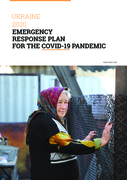
The following Emergency Response Plan for the COVID-19 pandemic seeks to set out activities that will be undertaken by humanitarian actors in Ukraine over the course of 2020 to respond to the public health impact of the epidemic – as well as the indirect, socio-economic impact on people’s well-b
...
eing, which will span across many areas. Given the extensive public exposure of the COVID-19 threat, the response will cover the whole of Ukraine, while providing a distinct focus on Donetska and Luhanska oblasts that have been ravaged by an armed conflict for the last six consecutive years. The planned COVID-19 response in the two conflict-affected oblasts will be treated as an annex to the current Humanitarian Response Plan for Ukraine
more

This is the story of how an experiment in the north of Ghana changed the health of a nation. How health staff in remote and rural areas are working tirelessly to prevent the deaths of mothers and children. How a radical approach to health research, known as embedded research, has revolutionized how
...
the government delivers health services under difficult circumstances.
more

The “United Nations Framework for the immediate socio-economic response to COVID-19: Shared responsibility, global solidarity and urgent action for people in need” calls for protecting jobs, businesses and livelihoods to set in motion a safe recovery of societies and economies as soon as possibl
...
e for a more sustainable, gender-equal, and carbon-neutral path—better than the “old normal”.
more

South Africa reported it fist case of COVID-19 on 5 March 2020. While the first cases were imported, local transmission has led to a rapid increase in the number of cases. As of 21 April 2020, more than 3,400 cases and 58 deaths had been confirmed. On 15 March, President Cyril Ramaphosa declared a n
...
ational state of disaster, and the government has since taken several measures to curb the spread of the virus, including closing borders, implementing strict social distancing measures and a 35-day nation-wide lockdown. These measures, along with the global economic shock caused by the pandemic, are expected to generate rising needs requiring an immediate and urgent response. Although South Africa is considered an upper-middle-income country, the amount of disparities—social, economic, and gender—make the country particularly vulnerable during this emergency.
more

The below guidance has been designed to ensure the care of children affected by COVID-19 due to either the child or caregiver requiring medical care in the home, community or health facility, it serves to

How should humanitarian organisations prepare and respond to COVID-19 in humanitarian settings in low- and middle-income countries?
This Rapid Learning Review outlines 14 actions, insights and ideas for humanitarian actors to consider in their COVID-19 responses. It summarises and synthesises the
...
best available knowledge and guidance for developing a health response to COVID-19 in low- and middle-income settings as at April 2020
The paper, supported by the UN Under-Secretary-General for Humanitarian Affairs and Emergency Relief Coordinator Mark Lowcock, will be updated throughout 2020 to reflect emerging knowledge and evidence on the most effective approaches to respond to the COVID-19 Pandemic.
more
