
Filter
2896
Text search:
household
environment
Featured
255
907
Language
2822
63
47
34
23
18
12
6
6
4
4
3
3
2
2
2
2
2
2
2
1
1
1
1
1
1
1
1
1
1
1
1
1
1
Document type
1691
467
317
156
150
54
27
18
8
5
2
1
Countries
116
109
99
81
81
80
78
77
76
69
67
57
56
55
47
43
42
42
38
36
34
32
29
26
22
22
21
21
20
19
19
19
18
18
17
16
14
14
12
12
12
12
11
10
10
10
10
9
9
9
9
8
8
8
7
7
7
6
6
5
5
5
5
5
4
4
4
4
4
4
3
3
3
3
3
3
2
2
2
2
2
2
2
2
2
2
2
2
2
2
2
2
2
2
2
2
1
1
1
1
1
1
1
1
1
1
1
1
1
1
1
1
1
1
1
1
1
1
1
Authors & Publishers
291
88
84
76
71
58
53
47
38
20
19
18
18
18
16
16
15
15
14
13
13
13
13
12
12
12
11
10
10
10
10
10
10
10
9
9
9
9
9
9
8
8
8
8
8
8
8
8
8
8
7
7
7
7
7
6
6
6
6
6
6
6
6
6
6
6
6
6
5
5
5
5
5
5
5
5
5
5
5
5
5
5
5
5
5
5
5
5
5
5
5
5
5
4
4
4
4
4
4
4
4
4
4
4
4
4
4
4
4
4
4
4
4
4
4
4
4
4
4
4
4
4
4
4
4
4
4
4
4
4
3
3
3
3
3
3
3
3
3
3
3
3
3
3
3
3
3
3
3
3
3
3
3
3
3
3
3
3
3
3
3
3
3
3
3
3
3
3
3
3
3
3
3
3
3
3
3
3
3
3
3
3
3
3
3
3
3
3
3
3
3
3
3
3
3
3
3
3
3
3
3
3
2
2
2
2
2
2
2
2
2
2
2
2
2
2
2
2
2
2
2
2
2
2
2
2
2
2
2
2
2
2
2
2
2
2
2
2
2
2
2
2
2
2
2
2
2
2
2
2
2
2
2
2
2
2
2
2
2
2
2
2
2
2
2
2
2
2
2
2
2
2
2
2
2
2
2
2
2
2
2
2
2
2
2
2
2
2
2
2
2
2
2
2
2
2
2
2
2
2
2
2
2
2
2
2
2
2
2
2
2
2
2
2
2
2
2
2
2
2
2
2
2
2
2
2
2
2
2
2
2
2
2
2
2
2
2
2
2
2
2
2
2
2
2
2
2
2
2
2
2
2
2
2
2
2
2
2
2
2
2
2
2
2
2
2
2
2
2
2
2
2
2
2
2
2
2
2
2
2
2
2
2
2
2
2
2
2
2
2
2
2
2
2
2
2
1
1
1
1
1
1
1
1
1
1
1
1
1
1
1
1
1
1
1
1
1
1
1
1
1
1
1
1
1
1
1
1
1
1
1
1
1
1
1
1
1
1
1
1
1
1
1
1
1
1
1
1
1
1
1
1
1
1
1
1
1
1
1
1
1
1
1
1
1
1
1
1
1
1
1
1
1
1
1
1
1
1
1
1
1
1
1
1
1
1
1
1
1
1
1
1
1
1
1
1
1
1
1
1
1
1
1
1
1
1
1
1
1
1
1
1
1
1
1
1
1
1
1
1
1
1
1
1
1
1
1
1
1
1
1
1
1
1
1
1
1
1
1
1
1
1
1
1
1
1
1
1
1
1
1
1
1
1
1
1
1
1
1
1
1
1
1
1
1
1
1
1
1
1
1
1
1
1
1
1
1
1
1
1
1
1
1
1
1
1
1
1
1
1
1
1
1
1
1
1
1
1
1
1
1
1
1
1
1
1
1
1
1
1
1
1
1
1
1
1
1
1
1
1
1
1
1
1
1
1
1
1
1
1
1
1
1
1
1
1
1
1
1
1
1
1
1
1
1
1
1
1
1
1
1
1
1
1
1
1
1
1
1
1
1
1
1
1
1
1
1
1
1
1
1
1
1
1
1
1
1
1
1
1
1
1
1
1
1
1
1
1
1
1
1
1
1
1
1
1
1
1
1
1
1
1
1
1
1
1
1
1
1
1
1
1
1
1
1
1
1
1
1
1
1
1
1
1
1
1
1
1
1
1
1
1
1
1
1
1
1
1
1
1
1
1
1
1
1
1
1
1
1
1
1
1
1
1
1
1
1
1
1
1
1
1
1
1
1
1
1
1
1
1
1
1
1
1
1
1
1
1
1
1
1
1
1
1
1
1
1
1
1
1
1
1
1
1
1
1
1
1
1
1
1
1
1
1
1
1
1
1
1
1
1
1
1
1
1
1
1
1
1
1
1
1
1
1
1
1
1
1
1
1
1
1
1
1
1
1
1
1
1
1
1
1
1
1
1
1
1
1
1
1
1
1
1
1
1
1
1
1
1
1
1
1
1
1
1
1
1
1
1
1
1
1
1
1
1
1
1
1
1
1
1
1
1
1
1
1
1
1
1
1
1
1
1
1
1
1
1
1
1
1
1
1
1
1
1
1
1
1
1
1
1
1
1
1
1
1
1
1
1
1
1
1
1
1
1
1
1
1
1
1
1
1
1
1
1
1
1
1
1
1
1
1
1
1
1
1
1
1
1
1
1
1
1
1
1
1
1
1
1
1
1
1
1
1
1
1
1
1
1
1
1
1
1
1
1
1
1
1
1
1
1
1
1
1
1
1
1
1
1
1
1
1
1
1
1
1
1
1
1
1
1
1
1
1
1
1
1
1
1
1
1
1
1
1
1
1
1
1
1
1
1
1
1
1
1
1
1
1
1
1
1
1
1
1
1
1
1
1
1
1
1
1
1
1
1
1
1
1
1
1
1
1
1
1
1
1
1
1
1
1
1
1
1
1
1
1
1
1
1
1
1
1
1
1
1
1
1
1
1
1
1
1
1
1
1
1
1
1
1
1
1
1
1
1
1
1
1
1
1
1
1
1
1
1
1
1
1
1
1
1
1
1
1
1
1
1
1
1
1
1
1
1
1
1
1
1
1
1
1
1
1
1
1
1
1
1
1
1
1
1
1
1
1
1
1
1
1
1
1
1
1
1
1
1
1
1
1
1
1
1
1
1
1
1
1
1
1
1
1
1
1
1
1
1
1
1
1
1
1
1
1
1
1
1
1
1
1
1
1
1
1
1
1
1
1
1
1
1
1
1
1
1
1
1
1
1
1
1
1
1
1
1
1
1
1
1
1
1
1
1
1
1
1
1
1
1
1
1
1
1
1
1
1
1
1
1
1
1
1
1
1
1
1
1
1
1
1
1
1
1
1
1
1
1
1
1
1
1
1
1
1
1
1
1
1
1
1
1
1
1
1
1
1
1
1
1
1
1
1
1
1
1
1
1
1
1
1
1
1
1
1
1
1
1
1
1
1
1
1
1
1
1
1
1
1
1
1
1
1
1
1
1
1
1
1
1
1
1
1
1
1
1
1
1
1
1
1
1
1
1
1
1
1
1
1
1
1
1
1
1
1
1
1
1
1
1
1
1
1
1
1
1
1
1
1
1
1
1
1
1
1
1
1
1
1
1
1
1
1
1
1
1
1
1
1
1
1
1
1
1
1
1
1
1
1
1
1
1
1
1
1
1
1
1
1
1
1
1
1
1
1
1
1
1
1
1
1
1
1
1
1
1
1
1
1
1
1
1
1
1
1
1
1
1
1
1
1
1
1
1
1
1
1
1
1
1
1
1
1
1
1
1
1
1
1
1
1
1
1
1
1
1
1
1
1
1
1
1
1
1
1
1
1
1
1
1
1
1
1
1
1
1
1
1
1
1
1
1
1
1
1
1
1
1
1
1
1
1
1
1
1
1
1
1
1
1
1
1
1
1
1
1
1
1
1
1
1
1
1
1
1
1
1
1
1
1
1
1
1
1
1
1
1
1
1
1
1
1
1
1
1
1
1
1
1
1
1
1
1
1
1
1
1
1
1
1
1
1
1
1
1
1
1
1
1
1
1
1
1
1
1
1
1
1
1
1
1
1
1
1
1
1
1
1
1
1
1
1
1
1
1
1
1
1
1
1
1
1
1
1
1
1
1
1
1
1
1
1
1
1
1
1
1
1
1
1
1
1
1
1
1
1
1
1
1
1
1
1
1
1
1
1
1
1
1
1
1
1
1
1
1
1
1
1
1
1
1
1
1
1
1
1
1
1
1
1
1
1
1
1
1
1
1
1
1
1
1
1
1
1
1
1
1
1
1
1
1
1
1
1
1
1
1
1
1
1
1
1
1
1
1
1
1
1
1
1
1
1
1
1
1
1
1
1
1
1
1
1
1
1
1
1
1
1
1
1
1
1
1
1
1
1
1
1
1
1
1
1
1
1
1
1
1
1
1
1
1
1
1
1
1
1
1
1
1
1
1
1
1
1
1
1
1
1
1
1
1
1
1
1
1
1
1
1
1
1
1
1
1
1
1
1
1
1
1
1
1
1
1
1
1
1
1
1
1
1
1
1
1
1
1
1
1
1
1
1
1
1
1
1
1
1
1
1
1
1
1
1
1
1
1
1
1
1
1
1
1
1
1
1
1
1
1
1
1
1
1
1
1
1
1
1
1
1
1
1
1
1
1
1
1
1
1
1
1
1
1
1
1
1
1
1
1
1
1
1
1
1
1
1
1
1
1
1
1
1
1
1
1
1
1
1
1
1
1
1
1
1
1
1
1
1
1
1
1
1
1
1
1
1
1
1
1
1
1
1
1
1
1
1
1
1
1
1
1
1
1
1
1
1
1
1
1
1
1
1
1
1
1
1
1
1
1
1
1
1
1
1
1
1
1
1
1
1
1
1
1
1
1
1
1
1
1
1
1
1
1
1
1
1
1
1
1
1
1
1
1
1
1
1
1
1
1
1
1
1
1
1
1
1
1
1
1
1
1
1
1
1
1
1
1
1
1
1
1
1
1
1
1
1
1
1
1
1
1
1
1
1
1
1
1
1
1
1
1
1
1
1
1
1
1
1
1
1
1
1
1
1
1
1
1
1
1
1
1
1
1
1
1
1
1
1
1
1
1
1
1
1
1
1
1
1
1
1
1
1
1
1
1
1
1
1
1
1
1
1
1
1
1
1
1
1
1
1
1
1
1
1
1
1
1
1
1
1
1
1
1
1
1
1
1
1
1
1
1
1
1
1
1
1
1
1
1
1
1
1
1
1
1
1
1
1
1
1
1
1
1
1
1
1
1
1
1
1
1
1
1
1
1
1
1
1
1
1
1
1
1
1
1
1
1
1
1
1
1
1
1
1
1
1
1
1
1
1
1
1
1
1
1
1
1
1
1
1
1
1
1
1
1
1
1
1
1
1
1
1
1
1
1
1
1
1
1
1
1
1
1
1
1
1
1
1
1
1
1
1
1
1
1
1
1
1
1
1
1
1
1
1
1
1
1
1
1
1
1
1
1
1
1
1
1
1
1
1
1
1
1
1
1
1
1
1
1
1
1
1
1
1
1
1
1
1
1
1
1
1
1
1
1
1
1
1
1
1
1
1
1
1
1
1
1
1
1
1
1
1
1
1
1
1
1
1
1
1
1
1
1
1
1
1
1
1
1
1
1
1
1
1
1
1
1
1
1
1
1
1
1
1
1
1
1
1
1
1
1
1
1
1
1
1
1
1
1
1
1
1
1
1
1
1
1
1
1
1
1
1
1
1
1
1
1
1
1
1
1
1
1
1
1
1
1
1
1
1
1
1
1
1
1
1
1
1
1
1
1
1
1
1
1
1
1
1
1
1
1
1
1
1
1
1
1
1
1
1
1
1
1
1
1
1
1
1
1
1
1
1
1
1
1
1
1
1
1
1
1
1
1
1
1
1
1
1
1
1
1
1
1
1
1
1
1
1
1
1
1
1
1
1
1
1
1
1
1
1
1
1
1
1
1
1
1
1
1
1
1
1
1
1
1
1
1
1
1
1
1
1
1
1
1
1
1
1
1
1
1
1
1
1
1
1
1
1
1
1
1
1
1
1
1
1
1
1
1
1
1
1
1
1
1
1
1
1
1
1
1
1
1
1
1
1
1
1
1
1
1
1
1
1
1
1
1
1
1
1
1
1
1
1
1
1
1
1
1
1
1
1
1
1
1
1
1
1
1
1
1
1
1
1
1
1
1
1
1
1
1
1
1
1
1
1
1
1
1
1
1
1
1
1
1
1
1
1
1
1
1
1
1
1
1
1
1
1
Publication Years
764
1818
304
10
Category
1278
296
167
143
115
67
10
Toolboxes
207
198
193
180
115
79
79
76
71
64
64
52
50
42
39
35
34
32
30
26
21
19
11
10
5
3
2

The World Health Organization (WHO) and the global community of countries, partners, donors, technical experts, scientists and field implementation teams continue to work towards the ultimate goal of a world free of the burden of neglected tropical diseases (NTDs).

This guideline for the prevention and control of chikungunya fever
(CF) is intended for use by all peripheral health workers in the Region and
is based on the strategy outlined above. This document will focus mainly
on preventing, predicting and detecting outbreaks, and after detection,
investig
...
ating and containing them.
more

Access to health workers who are fit for purpose, motivated and protected is a fundamental force of health service delivery and the achievement of universal health coverage and the health and health-related Sustainable Development Goals. Data and knowledge of the distribution, skill mix and future d
...
evelopment needs of the health workforce can mean the difference between enabling or impeding health systems performance, inclusive economic growth and global health security preparedness and response
more

The Return Counselling Toolkit is a capacity-building instrument aimed at providing a harmonized and coherent approach to return counselling, based on key migrant-centred principles while protecting migrants’ rights. Mindful of the specific needs and rights pertaining to children, this additional
...
module on counselling children and families further complements the first five modules of the Return Counselling Toolkit. It provides specialized guidance on how to prepare and deliver return counselling to accompanied, unaccompanied and separated children while upholding child rights and safeguards.
more

Conflicts and disasters, including pandemics, affect women and men in all their diversity differently, and women and girls often suffer the most. Crisis-related hardships combine and compound pre-existing disadvantages, for example, they often cause women’s working conditions to worsen while incre
...
asing their overall workload and care responsibilities. At the same time, crises can give rise to changes that enable women to take up roles that were previously available only to men, and crises can open opportunities to address existing gender-based discrimination and violations of rights.
more
Female Genital Schistosomiasis (FGS) is a gynaecological disease caused by Schistosoma haematobium, a parasitic worm that is acquired by skin contact with freshwater contaminated by schistosome cerceriae. Communities in which the infection is most endemic have limited access to clean water and healt
...
hcare services. Up to 150 million adolescent girls and women are estimated to be at risk of FGS and about 16–56 milion womens are living with FGS, with the majority of these in sub-Saharan Africa. The variability of these estimates points to the fact that this neglected tropical disease is not well studied and frequently not prioritized by local, regional, and global health policy makers.
more

Knowledge, attitudes and practices about human African trypanosomiasis and their implications in designing intervention strategies for Yei county, South Sudan
Bukachi, SA.; Mumbo, AA.; Alak, ACD.; Sebit, W.; Rumunu, J.
PLOS Neclected Tropical Diseases
(2018)
CC
A clear understanding of the knowledge, attitudes and practices (KAP) of a particular community is necessary in order to improve control of human African trypanosomiasis (HAT).New screening and diagnostic tools and strategies were introduced into South Sudan, as part of integrated delivery of primar
...
y healthcare. Knowledge and awareness on HAT, its new/improved screening and diagnostic tools, the places and processes of getting a confirmatory diagnosis and treatment are crucial to the success of this strategy.
more

The Ethiopia Multi-Sectorial Cholera Elimination Plan (2022-2028) outlines a national strategy to eliminate cholera in Ethiopia by 2028. The plan follows the Global Roadmap to End Cholera by 2030 and is based on six key pillars: Leadership & Coordination, Water, Sanitation & Hygiene (WASH), Surveill
...
ance & Reporting, Use of Oral Cholera Vaccines (OCV), Healthcare System Strengthening, and Community Engagement.
Ethiopia has historically faced recurrent cholera outbreaks due to poor sanitation, unsafe water, and weak health infrastructure. The plan prioritizes high-risk areas (hotspot woredas) and aims to reduce cholera-related mortality by 90% by 2028. It includes efforts to improve WASH conditions, strengthen disease surveillance, enhance rapid response capabilities, expand vaccination campaigns, and integrate cholera control into broader health policies.
The government, in collaboration with international partners such as WHO, UNICEF, and the Global Task Force for Cholera Control (GTFCC), will implement and monitor the plan. The estimated budget for the initiative is $390 million over eight years. Ethiopia aims to achieve zero cholera transmission in hotspot regions, ensuring sustainable public health improvements.
more

This handbook is intended primarily for front-line health care providers who are likely to see children (among other clients) in their day-to-day practice. These may include general practitioners, nurses, midwives, gynaecologists,
paediatricians, mental health professionals, first responders and st
...
aff in emergency care.
Other professionals who may find it useful include social workers, those working in social welfare institutions, providers of psychosocial support, and those working in child care facilities and the education system.
Further, the content will benefit the work of policy-makers and managers to enable and support provision of clinical care to children experiencing, or who have experienced, child maltreatment.
more

This guideline provides evidence-based recommendations on parenting interventions for parents and caregivers of children aged 0–17 years that are designed to reduce child maltreatment and harsh parenting, enhance the parent–child relationship, and prevent poor mental health among parents and emo
...
tional and behavioural problems among children.
more
Surveillance, prevention and control of leishmaniases in the European Union and its neighbouring countries
European Centre for disease prevention and control (ECDC)
European Centre for disease prevention and control (ECDC)
(2022)
C_CDC
This technical report presents the epidemiology of human and animal leishmaniases in the EU and its neighbouring countries and concludes that the disease remains widespread and underreported in many countries of southern Europe, northern Africa, and the Middle East and that there is a need to improv
...
e leishmaniasis prevention and control based on robust surveillance in humans, animals, and vectors, and to increase public awareness following a one health approach.
more
Leptospirosis, a spirochaetal zoonosis, occurs in diverse epidemiological settings and affects vulnerable populations, such as rural subsistence farmers and urban slum dwellers. Although leptospirosis is a life-threatening disease and recognized as an important cause of pulmonary haemorrhage syndrom
...
e, the lack of global estimates for morbidity and mortality has contributed to its neglected disease status
more
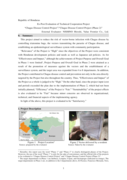
This project aimed to reduce the risk of vector-borne infection with Chagas disease by
controlling triatomine bugs, the vectors transmitting the parasite of Chagas disease, and
establishing an epidemiological surveillance system with community participation.

13 August 2025.The conditionality of this recommendation is largely driven by the current higher unit cost of pyrethroid-PBO ITNs compared to pyrethroid-only LLINs and therefore the uncertainty of their cost-effectiveness. Furthermore, as PBO is less wash-resistant than pyrethroids, its bioavailabil
...
ity declines faster over the three-year estimated life of an ITN; therefore, the added impact of
pyrethroid-PBO ITNs over that of pyrethroid-only LLINs may decline over time. The evidence comes from two sites in
eastern Africa with pyrethroid resistance and not from other geographies where
more

PLoS Negl Trop Dis 16(10): e0009774. Although the practice of communication is often called upon when intervening asn involgvingcommunties affected by NTD's, the disciplinary framewokr of healt communication research has been largely absent from NTD strategies. To illustrate how practices conceptual
...
ized and developed within the communication field habe been applied in the context of NTD elimination, we conducted a scoping review focusing on two diseases currently targeted for elimination by the WHO: lymphatic filariasis and Chagas disease
more

Despite the existence of criminal law, which is an important aspect of anti-FGM policies and programmes, there is not much research on the effects of cross-border practices that invalidate the law as a deterrent. Much remains unknown about the practice of cross-border FGM, specifically about gaps in
...
existing policy and legislation for managing cross-border FGM, as well as whether the existing interventions in the cross-border areas are sufficiently targeted to facilitate changes in social norms
more

To enhance health co-benefits across urban policies which tackle air pollution and climate change, WHO, in cooperation with various international, national, and local partners, implemented the Urban Health Initiative (UHI) pilot project in Accra, Ghana. The Initiative prompted the health sector to u
...
se its influential position to demonstrate to decision-makers and the public the full range of health, environmental and economic benefits that can be achieved from implementing local emission reduction and energy access policies and strategies. Policy tracking, although not always considered, is a fundamental component of this procedure. It assesses the planning, implementation and progress of a policy to refine or adjust policies with the final objective of increasing the likelihood of the policy being successful. This report is an outcome of the last component of the UHI model process, Policy tracking and monitoring outcomes. The report proposes a framework for tracking urban health policies, with a special focus on the impacts of air quality and energy access on human health and well-being in African countries, giving some examples from the pilot project in Accra. The report also provides resources to survey air quality in cities and other tools to assess public health and the environmental impacts of urban policies and monitor or track their effects.
more

Promoting health and preventing disease is a critical component of the effort required to achieve Universal Health Coverage (UHC). to date, efforts to achieve UHC have focused mostly on strengthening health systems and their capacities to provide curative care. However, experience from the COVID-19
...
pandemic has reaffirmed the need for resilient health systems, emphasizing primary health care, including preventive and promotive health and well-being.
Emerging from the eye of the storm as the global health lead agency during the pandemic, WHO is equipped with the required insights and actions for a holistic approach to “building back fairer and better” after COVID-19.
The Healthier Populations (UHP) Cluster in the African Region is designed to support Pillar 3 of WHO’s 13th Global Programme of Work (GPW13) which aims to make 1 billion people healthier by reducing health inequities, preventing diseases and injuries, addressing health determinants, and promoting partnerships for collaborative actions amongst all stakeholders.
more

This document aims to assist countries to take the first step towards better considering gender and equity issues in their efforts to tackle antimicrobial resistance (AMR), to inform the implementation of strategies in national action plans and contribute to improved reach and effectiveness of AMR e
...
fforts in the longer term. It is part of a series of papers being developed y WHO, FAO and OIE to build a better global evidence base for implementing AMR national action plans. This version is illustrated by examples from the health sector predominantly but
will be updated with advice from the food and animal sectors in due course.
more

Background: One of the objectives of the Global Action Plan by the World Health Organization (WHO) to contain antimicrobial resistance (AMR), is to improve global awareness through effective communication and education. Comprehensive information on the level of awareness of AMR among Nigerian public
...
is deficient. This study was therefore designed to assess the current level of awareness and knowledge of the Nigerian public of AMR.
more
