
Filter
4451
Text search:
preparation
Featured
498
1282
Language
4251
184
80
47
46
37
20
17
10
8
7
7
7
7
6
6
4
4
4
4
4
4
3
3
3
3
3
3
3
2
2
2
2
2
2
2
2
2
2
2
2
2
2
2
2
1
1
1
1
1
1
1
1
1
1
1
1
1
1
1
1
Document type
2445
650
572
330
166
133
77
29
20
12
8
5
1
1
Countries
235
185
126
109
109
97
93
89
85
77
73
71
68
63
59
55
52
49
49
49
47
45
34
34
33
32
30
27
26
25
24
23
23
22
20
19
18
18
17
16
15
14
14
13
12
12
11
11
10
10
10
10
9
9
9
8
8
7
7
7
7
7
6
6
6
6
6
6
6
6
5
5
5
5
5
4
4
4
4
3
3
3
3
3
3
3
3
2
2
2
2
2
2
2
2
2
2
2
2
2
2
2
2
1
1
1
1
1
1
1
1
1
1
1
1
1
1
1
1
1
1
1
1
1
1
1
1
1
1
1
1
Authors & Publishers
600
230
115
113
102
94
85
80
45
44
40
32
32
29
26
21
21
20
20
20
18
17
17
17
17
16
16
15
15
15
14
14
14
13
13
13
13
13
13
12
12
12
12
12
12
12
12
12
11
11
11
11
11
10
10
10
10
10
9
9
9
9
8
8
8
8
8
8
8
8
8
8
8
8
8
7
7
7
7
7
7
7
7
7
7
7
7
7
7
7
7
7
7
7
7
7
6
6
6
6
6
6
6
6
6
6
6
6
6
6
6
6
6
6
6
5
5
5
5
5
5
5
5
5
5
5
5
5
5
5
5
5
5
5
5
5
5
5
5
5
5
5
5
4
4
4
4
4
4
4
4
4
4
4
4
4
4
4
4
4
4
4
4
4
4
4
4
4
4
4
4
4
4
4
4
4
4
4
4
4
4
4
4
4
4
4
4
4
4
4
4
4
3
3
3
3
3
3
3
3
3
3
3
3
3
3
3
3
3
3
3
3
3
3
3
3
3
3
3
3
3
3
3
3
3
3
3
3
3
3
3
3
3
3
3
3
3
3
3
3
3
3
3
3
3
3
3
3
3
3
3
3
3
3
3
3
3
3
3
3
3
3
3
3
3
3
3
3
3
3
3
3
3
3
3
3
3
3
3
2
2
2
2
2
2
2
2
2
2
2
2
2
2
2
2
2
2
2
2
2
2
2
2
2
2
2
2
2
2
2
2
2
2
2
2
2
2
2
2
2
2
2
2
2
2
2
2
2
2
2
2
2
2
2
2
2
2
2
2
2
2
2
2
2
2
2
2
2
2
2
2
2
2
2
2
2
2
2
2
2
2
2
2
2
2
2
2
2
2
2
2
2
2
2
2
2
2
2
2
2
2
2
2
2
2
2
2
2
2
2
2
2
2
2
2
2
2
2
2
2
2
2
2
2
2
2
2
2
2
2
2
2
2
2
2
2
2
2
2
2
2
2
2
2
2
2
2
2
2
2
2
2
2
2
2
2
2
2
2
2
2
2
2
2
2
2
2
2
2
2
2
2
2
2
2
2
2
2
2
2
2
2
2
2
2
2
2
2
2
2
2
2
2
2
2
2
2
2
2
2
2
2
2
2
2
2
2
2
2
2
2
2
2
2
1
1
1
1
1
1
1
1
1
1
1
1
1
1
1
1
1
1
1
1
1
1
1
1
1
1
1
1
1
1
1
1
1
1
1
1
1
1
1
1
1
1
1
1
1
1
1
1
1
1
1
1
1
1
1
1
1
1
1
1
1
1
1
1
1
1
1
1
1
1
1
1
1
1
1
1
1
1
1
1
1
1
1
1
1
1
1
1
1
1
1
1
1
1
1
1
1
1
1
1
1
1
1
1
1
1
1
1
1
1
1
1
1
1
1
1
1
1
1
1
1
1
1
1
1
1
1
1
1
1
1
1
1
1
1
1
1
1
1
1
1
1
1
1
1
1
1
1
1
1
1
1
1
1
1
1
1
1
1
1
1
1
1
1
1
1
1
1
1
1
1
1
1
1
1
1
1
1
1
1
1
1
1
1
1
1
1
1
1
1
1
1
1
1
1
1
1
1
1
1
1
1
1
1
1
1
1
1
1
1
1
1
1
1
1
1
1
1
1
1
1
1
1
1
1
1
1
1
1
1
1
1
1
1
1
1
1
1
1
1
1
1
1
1
1
1
1
1
1
1
1
1
1
1
1
1
1
1
1
1
1
1
1
1
1
1
1
1
1
1
1
1
1
1
1
1
1
1
1
1
1
1
1
1
1
1
1
1
1
1
1
1
1
1
1
1
1
1
1
1
1
1
1
1
1
1
1
1
1
1
1
1
1
1
1
1
1
1
1
1
1
1
1
1
1
1
1
1
1
1
1
1
1
1
1
1
1
1
1
1
1
1
1
1
1
1
1
1
1
1
1
1
1
1
1
1
1
1
1
1
1
1
1
1
1
1
1
1
1
1
1
1
1
1
1
1
1
1
1
1
1
1
1
1
1
1
1
1
1
1
1
1
1
1
1
1
1
1
1
1
1
1
1
1
1
1
1
1
1
1
1
1
1
1
1
1
1
1
1
1
1
1
1
1
1
1
1
1
1
1
1
1
1
1
1
1
1
1
1
1
1
1
1
1
1
1
1
1
1
1
1
1
1
1
1
1
1
1
1
1
1
1
1
1
1
1
1
1
1
1
1
1
1
1
1
1
1
1
1
1
1
1
1
1
1
1
1
1
1
1
1
1
1
1
1
1
1
1
1
1
1
1
1
1
1
1
1
1
1
1
1
1
1
1
1
1
1
1
1
1
1
1
1
1
1
1
1
1
1
1
1
1
1
1
1
1
1
1
1
1
1
1
1
1
1
1
1
1
1
1
1
1
1
1
1
1
1
1
1
1
1
1
1
1
1
1
1
1
1
1
1
1
1
1
1
1
1
1
1
1
1
1
1
1
1
1
1
1
1
1
1
1
1
1
1
1
1
1
1
1
1
1
1
1
1
1
1
1
1
1
1
1
1
1
1
1
1
1
1
1
1
1
1
1
1
1
1
1
1
1
1
1
1
1
1
1
1
1
1
1
1
1
1
1
1
1
1
1
1
1
1
1
1
1
1
1
1
1
1
1
1
1
1
1
1
1
1
1
1
1
1
1
1
1
1
1
1
1
1
1
1
1
1
1
1
1
1
1
1
1
1
1
1
1
1
1
1
1
1
1
1
1
1
1
1
1
1
1
1
1
1
1
1
1
1
1
1
1
1
1
1
1
1
1
1
1
1
1
1
1
1
1
1
1
1
1
1
1
1
1
1
1
1
1
1
1
1
1
1
1
1
1
1
1
1
1
1
1
1
1
1
1
1
1
1
1
1
1
1
1
1
1
1
1
1
1
1
1
1
1
1
1
1
1
1
1
1
1
1
1
1
1
1
1
1
1
1
1
1
1
1
1
1
1
1
1
1
1
1
1
1
1
1
1
1
1
1
1
1
1
1
1
1
1
1
1
1
1
1
1
1
1
1
1
1
1
1
1
1
1
1
1
1
1
1
1
1
1
1
1
1
1
1
1
1
1
1
1
1
1
1
1
1
1
1
1
1
1
1
1
1
1
1
1
1
1
1
1
1
1
1
1
1
1
1
1
1
1
1
1
1
1
1
1
1
1
1
1
1
1
1
1
1
1
1
1
1
1
1
1
1
1
1
1
1
1
1
1
1
1
1
1
1
1
1
1
1
1
1
1
1
1
1
1
1
1
1
1
1
1
1
1
1
1
1
1
1
1
1
1
1
1
1
1
1
1
1
1
1
1
1
1
1
1
1
1
1
1
1
1
1
1
1
1
1
1
1
1
1
1
1
1
1
1
1
1
1
1
1
1
1
1
1
1
1
1
1
1
1
1
1
1
1
1
1
1
1
1
1
1
1
1
1
1
1
1
1
1
1
1
1
1
1
1
1
1
1
1
1
1
1
1
1
1
1
1
1
1
1
1
1
1
1
1
1
1
1
1
1
1
1
1
1
1
1
1
1
1
1
1
1
1
1
1
1
1
1
1
1
1
1
1
1
1
1
1
1
1
1
1
1
1
1
1
1
1
1
1
1
1
1
1
1
1
1
1
1
1
1
1
1
1
1
1
1
1
1
1
1
1
1
1
1
1
1
1
1
1
1
1
1
1
1
1
1
1
1
1
1
1
1
1
1
1
1
1
1
1
1
1
1
1
1
1
1
1
1
1
1
1
1
1
1
1
1
1
1
1
1
1
1
1
1
1
1
1
1
1
1
1
1
1
1
1
1
1
1
1
1
1
1
1
1
1
1
1
1
1
1
1
1
1
1
1
1
1
1
1
1
1
1
1
1
1
1
1
1
1
1
1
1
1
1
1
1
1
1
1
1
1
1
1
1
1
1
1
1
1
1
1
1
1
1
1
1
1
1
1
1
1
1
1
1
1
1
1
1
1
1
1
1
1
1
1
1
1
1
1
1
1
1
1
1
1
1
1
1
1
1
1
1
1
1
1
1
1
1
1
1
1
1
1
1
1
1
1
1
1
1
1
1
1
1
1
1
1
1
1
1
1
1
1
1
1
1
1
1
1
1
1
1
1
1
1
1
1
1
1
1
1
1
1
1
1
1
1
1
1
1
1
1
1
1
1
1
1
1
1
1
1
1
1
1
1
1
1
1
1
1
1
1
1
1
1
1
1
1
1
1
1
1
1
1
1
1
1
1
1
1
1
1
1
1
1
1
1
1
1
1
1
1
1
1
1
1
1
1
1
1
1
1
1
1
1
1
1
1
1
1
1
1
1
1
1
1
1
1
1
1
1
1
1
1
1
1
1
1
1
1
1
1
1
1
1
1
1
1
1
1
1
1
1
1
1
1
1
1
1
1
1
1
1
1
1
1
1
1
1
1
1
1
1
1
1
1
1
1
1
1
1
1
1
1
1
1
1
1
1
1
1
1
1
1
1
1
1
1
1
1
1
1
1
1
1
1
1
1
1
1
1
1
1
1
1
1
1
1
1
1
1
1
1
1
1
1
1
1
1
1
1
1
1
1
1
1
1
1
1
1
1
1
1
1
1
1
1
1
1
1
1
1
1
1
1
1
1
1
1
1
1
1
1
1
1
1
1
1
1
1
1
1
1
1
1
1
1
1
1
1
1
1
1
1
1
1
1
1
1
1
1
1
1
1
1
1
1
1
1
1
1
1
1
1
1
1
1
1
1
1
1
1
1
1
1
1
1
1
1
1
1
1
1
1
1
1
1
1
1
1
1
1
1
1
1
1
1
1
1
1
1
1
1
1
1
1
1
1
1
1
1
1
1
1
1
1
1
1
1
1
1
1
1
1
1
1
1
1
1
1
1
1
1
1
1
1
1
1
1
1
1
1
1
1
1
1
1
1
1
1
1
1
1
1
1
1
1
1
1
1
1
1
1
1
1
1
1
1
1
1
1
1
1
1
1
1
1
1
1
1
1
1
1
1
1
1
1
1
1
1
1
1
1
1
1
1
1
1
1
1
1
1
1
1
1
1
1
1
1
1
1
1
1
1
1
1
1
1
1
1
1
1
1
1
1
1
1
1
1
1
1
1
1
1
1
1
1
1
1
1
1
1
1
1
1
1
1
1
1
1
1
1
1
1
1
1
1
1
1
1
1
1
1
1
1
1
1
1
1
1
1
1
1
1
1
1
1
1
1
1
1
1
1
1
1
1
1
1
1
1
1
1
1
1
1
1
1
1
1
1
1
1
1
1
1
1
1
1
1
1
1
1
1
1
1
1
1
1
1
1
1
1
1
1
1
1
1
1
1
1
1
1
1
1
1
1
1
1
1
1
1
1
1
1
1
1
1
1
1
1
1
1
1
1
1
1
1
1
1
1
1
1
1
1
1
1
1
1
1
1
1
1
1
1
1
1
1
1
1
1
1
1
1
1
1
1
1
1
1
1
1
1
1
1
1
1
1
1
1
1
1
1
1
1
1
1
1
1
1
1
1
1
1
1
1
1
1
1
1
1
1
1
1
1
1
1
1
1
1
1
1
1
1
1
1
1
1
1
1
1
1
1
1
1
1
1
1
1
1
1
1
1
1
1
1
1
1
1
1
1
1
1
1
1
1
1
1
1
1
1
1
1
1
1
1
1
1
1
1
1
1
1
1
1
1
1
1
1
1
1
1
1
1
1
1
1
1
1
1
1
1
1
1
1
1
1
1
1
1
1
1
1
1
1
1
1
1
1
1
1
1
1
1
1
1
1
1
1
1
1
1
1
1
1
1
1
1
1
1
1
1
1
1
1
1
1
1
1
1
1
1
1
1
1
1
1
1
1
1
1
1
1
1
1
1
1
1
1
1
1
1
1
1
1
1
1
1
1
1
1
1
1
1
1
1
1
1
1
1
1
1
1
1
1
1
1
1
1
1
1
1
1
1
1
1
1
1
1
1
1
1
1
1
1
1
1
1
1
1
1
1
1
1
1
1
1
1
1
1
1
1
1
1
1
1
1
1
1
1
1
1
1
1
1
1
1
1
1
1
1
1
1
1
1
1
1
1
1
1
1
1
1
1
1
1
1
1
1
1
1
1
1
1
1
1
1
1
1
1
1
1
1
1
1
1
1
1
1
1
1
1
1
1
1
1
1
1
1
1
1
1
1
1
1
1
1
1
1
1
1
1
1
1
1
1
1
1
1
1
1
1
1
1
1
1
1
1
1
1
1
1
1
1
1
1
1
1
1
1
1
1
1
1
1
1
1
1
1
1
1
1
1
1
1
1
1
1
1
1
1
1
1
1
1
1
1
1
1
1
1
1
1
1
1
1
1
1
1
1
1
1
1
1
1
1
1
1
1
1
1
1
1
1
1
1
1
1
1
1
1
1
1
1
1
1
1
1
1
1
1
1
1
1
1
1
1
1
1
1
1
1
1
1
1
1
1
1
1
1
1
1
1
1
1
1
1
1
1
1
1
1
1
1
1
1
1
1
1
1
1
1
1
1
1
1
1
1
1
1
1
1
1
1
1
1
1
1
1
1
1
1
1
1
1
1
1
1
1
1
1
1
1
1
1
1
1
1
1
1
1
1
1
1
1
1
1
1
1
1
1
1
1
1
1
1
1
1
1
1
1
1
1
1
1
1
1
1
1
1
1
1
1
1
1
1
1
1
1
1
1
1
1
1
1
1
1
1
1
1
1
1
1
1
1
1
1
1
1
1
1
1
1
1
1
1
1
1
1
1
1
1
1
1
1
1
1
1
1
1
1
1
1
1
1
1
1
1
1
1
1
1
1
1
1
1
1
1
1
1
1
1
1
1
1
1
1
1
1
1
1
1
1
1
1
1
1
1
1
1
1
1
1
1
1
1
1
1
1
1
1
1
1
1
1
1
1
1
1
1
1
1
1
1
1
1
1
1
1
1
1
1
1
1
1
1
1
1
1
1
1
1
1
1
1
1
1
1
1
1
1
1
1
1
1
1
1
1
1
1
1
1
1
1
1
1
1
1
1
1
1
1
1
1
1
1
1
1
1
1
1
1
1
1
1
1
1
1
1
1
1
1
1
1
1
1
1
1
1
1
1
1
1
1
1
1
1
1
1
1
1
1
1
1
1
1
1
1
1
1
1
1
1
1
1
1
1
1
1
1
1
1
1
1
1
1
1
1
1
1
1
1
1
1
1
1
1
1
1
1
1
1
1
1
1
1
1
1
1
1
1
1
1
1
1
1
1
1
1
1
1
1
1
1
1
1
1
1
1
1
1
1
1
1
1
1
1
1
1
1
1
1
1
1
1
1
1
1
1
1
1
1
1
1
1
1
1
1
1
1
1
1
1
1
1
1
1
1
1
1
1
1
1
1
1
1
1
1
1
1
1
1
1
1
1
1
1
1
1
1
1
1
1
1
1
1
1
1
1
1
1
1
1
1
1
1
1
1
1
1
1
1
1
1
1
1
1
1
1
1
1
1
1
1
1
1
1
1
1
1
1
1
1
1
1
1
1
1
1
Publication Years
1185
2695
526
42
2
1
Category
1668
450
381
322
209
182
78
1
Toolboxes
307
255
186
168
163
156
153
136
126
117
112
112
90
89
88
75
70
66
53
53
44
34
28
26
17
5
1
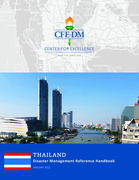
Thailand is exposed to flooding, landslides, drought, earthquakes, tsunamis, heat waves, forest fires, and epidemics. Thailand is also exposed to technological hazards such as chemical accidents. Flooding is the natural hazard with the most significant impact on human life, livelihoods, and the econ
...
omy for the country. The occurrence of droughts has increased in recent years due to the effects of the El Niño-Southern Oscillation (ENSO) cycle, which brings drier-than-average rainfall conditions. Drought has adversely impacted the country’s agriculture sector, which employs around one third of the country’s workforce.
more

Managing epidemics
recommended
Key facts about major deadly diseases.This manual provides concise and up-to-date knowledge on 15 infectious diseases that have the potential to become international threats, and tips on how to respond to each of them.
You can download an interactive version directly at the website
http://www.who.
...
int/emergencies/diseases/managing-epidemics/en/
more
This guidance has been developed in line with the WHO corporate risk management framework, the WHO business continuity and contingency plans, as well as the Inter-Agency Emergency Response Preparedness Framework. It is based on a common organiza-tional approach and procedures for managing including
...
emergency response across all hazards and at each level of the Organization. It relates WHO’s responsibilities (1) under the International Health Regulations (2005) and the Sendai Framework for Disaster Risk Reduction 2015-2030, and other international treaties; (2) as the United Nations’ lead agency for health and the health cluster; and (3) as a member of the United Nations or Humanitarian Country Teams
more

In disaster preparedness, the participation of women, children, older people, persons with disabilities (PWDs), and other minority groups and sectors is important because they are the most vulnerable against disasters. Inclusive disaster preparedness provides technical and logical frameworks that as
...
similate the most vulnerable sectors in a community and enhances their capacity against future disasters.
more
Bridging the gap between disaster resilience and conflict risk reduction
For centuries, indigenous peoples around the world have used their traditional knowledge to prepare for, cope with and survive disasters. Their methods and practices originated within their communities and have been maintained and passed down over generations. Until recently, policy makers have larg
...
ely ignored this vast body of knowledge, in favor of ‘Western’ science and technologybased methods of disaster risk reduction and response. Today, however, many of these traditional practices are considered important and necessary contributions to the conservation of biodiversity and environmental sustainability. Yet at the same time, this knowledge is under constant threat of being eroded or lost, making these communities more vulnerable...
more
Most shelters in the Caribbean are community centers, schools, or churches that are limited in size. The novel coronavirus disease (COVID-19) distancing requirements subsequently reduced the number of persons a shelter can accommodate during the hurricane season. This document reinforces some measur
...
es to follow per international emergency shelter protocols factoring in conditions for spacing between beds/cots, recreation areas and ventilation according to The Sphere Handbook, FEMA, and Australian Red Cross. Physical distancing and hygienic standards were modified highlighting that ideal requirements are not always feasible; therefore, we may choose realistic recommendations for practical purposes and suspected cases of COVID-19.
more
According to the International Science Council, the report focuses on identifying the scope of hazards that should be considered in risk reduction efforts, and provides scientifically robust and internationally agreed definitions of these hazards.
The Guidance Notes seek to help operationalize, simplify and standardize the collection and reporting of data through the application of common language and methods. They provide information on the key issues to take into account in the collection of health data and the types of data that should be
...
collated, and potential stakeholders to engage with. They adapt and complement the UNDRR/UNISDR Technical guidance for monitoring and reporting on progress in achieving the global targets of the Sendai Framework for Disaster Risk Reduction, which has a multisectoral target audience.
more

Technical Note
Recently, the approach to hazardous events has undergone a considerable shift, away from reactive activities focused on managing and responding to events and towards a more proactive process of emergency and disaster risk management (DRM). The ultimate goal of this shift in focus is
...
to prevent new and reduce existing disaster risks, a process known as disaster risk reduction (DRR), while strengthening individual, community, societal and global resilience.
more
Available in Arabic, Chinese, English, French, Russian and Spanish. You can download a summary of the main report and background documents!
The report demonstrates that the current system—at both national and international levels— was not adequate to protect people from COVID-19. The time it t
...
ook from the reporting of a cluster of cases of pneumonia of unknown origin in mid-late December 2019 to a Public Health Emergency of International Concern being declared was too long. February 2020 was also a lost month when many more countries could have taken steps to contain the spread of SARS-CoV-2 and forestall the global health, social, and economic catastrophe that continues its grip. The Panel finds that the system as it stands now is clearly unfit to prevent another novel and highly infectious pathogen, which could emerge at any time, from developing into a pandemic.
more

The Strategic Tool for Assessing Risks (STAR) offers a comprehensive, easy-to-use toolkit and approach to enable national and subnational governments to rapidly conduct a strategic and evidence-based assessment of public health risks for planning and prioritization of health emergency preparedness a
...
nd disaster risk management activities. This guidance describes the principles and methodology of STAR to enhance its adaptation and use at the national or subnational levels.
more

This document is the national level companion to a broader document on health care facility level developed by the WHO Health Emergencies Programme for national level stakeholders

This Commission report aims to contribute to a new era of multilateral cooperation based on strong UN institutions to reduce the dangers of COVID-19, forestall the next pandemic, and enable the world to achieve the agreed goals of sustainable development, human rights, and peace that governments are
...
committed to pursue as members of the UN. We address this Commission report to the UN member states, the UN agencies and multilateral institutions, and multilateral processes such as the G20 and the G7.
more

The World Health Organization Regional Office for Africa (WHO AFRO), in accordance with recommendations from various WHO committees, has developed three flagship programmes to support Member States in the African region to prepare for, detect and respond to public health emergencies. They are the re
...
sult of extensive consultations with more than 30 African government ministers, technical actors, partners across the continent as well as regional institutions such as the Africa Centres for Disease Control and Prevention (Africa CDC), whose contributions have shaped the priority activities. This report provides the second quarterly summary of progress in implementing the flagship programmes.
more
This information can be used to assess the extent of the damage and the needs of affected communities. Information should be gathered on the extent of damage to infrastructure, housing, and public facilities such as hospitals, schools, and water systems. This information can be used to prioritize th
...
e response effort and to direct resources to where they are most needed.
In addition to gathering information on the extent of damage, it is also important to gather information on the number of people affected and the types of assistance they need. This may include information on the number of people who are injured, displaced, or in need of shelter, food, and water. This information can be used to prioritize the response effort and to ensure that assistance is provided in a way that meets the specific needs of affected communities.
more
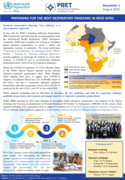
Preparedness and Resilience for Emerging Threats in English, Spanish and French

Integrated Outbreak Analytics (IOA) applies a multidisciplinary approach to understanding outbreak dynamics and to inform outbreak response. It aims to drive comprehensive, accountable, and effective public health and clinical strategies by enabling communities, and national and subnational health a
...
uthorities to use data for operational decision-making. IOA embraces a holistic perspective of outbreak dynamics throughout: from the trigger questions to the data that are collected or accessed, to the interpretation of results and the recommendations that follow. In addition, IOA promotes co-development and monitoring of evidence informed actions.
The IOA toolkit aims to provide a clear understanding of IOA and highlight the importance of using an integrated, holistic approach to manage outbreak responses. It provides step-by-step guidance for setting up IOA and putting IOA principles into action. Finally, this toolkit provides guidance on applying IOA in humanitarian and emergency contexts, offering a practical and adaptable approach to informing public health emergency responses.
Developed based on the model from the Democratic Republic of the Congo (DRC), its creation involved extensive consultation with experts experienced in IOA applications. The toolkit was piloted in Tanganyika Province, DRC, as well as Somalia and Sudan, demonstrating its adaptability to diverse emergency scenarios. It builds upon an existing array of tools, templates, reports, case studies, animations, and publications used by stakeholders in diverse contexts.
more

Al afrontar la amenaza común que supuso el coronavirus del síndrome respiratorio agudo severo de tipo 2 (SARS CoV 2), los países y las instituciones de todo el mundo se vieron rápidamente desbordados por la monumental tarea de responder a un problema que avanzaba rápidamente y que les obligó a
...
idear estructuras y alianzas ad hoc para ampliar las medidas de respuesta. En este sentido, el Grupo Independiente de Preparación y Respuesta frente a las Pandemias señaló:
more

The document presents a strategic framework by the World Health Organization for managing risks related to emergencies and disasters in the health sector. It highlights that such events (such as epidemics, natural disasters, or conflicts) have major impacts on health, healthcare systems, and societa
...
l development. The framework proposes a comprehensive and proactive approach based on prevention, preparedness, response, and recovery, while emphasizing the importance of collaboration across different sectors and stakeholders. Its main objective is to reduce health risks, strengthen the resilience of communities and health systems, and improve health security at the global level.
more
