
Filter
645
Text search:
World
Health
Organization,
Regional
Office
for
Europe
Featured
Recommendations
53
New Publications
98
Language
Document type
No document type
271
Studies & Reports
164
Guidelines
93
Manuals
36
Strategic & Response Plan
32
Fact sheets
16
Training Material
12
Situation Updates
11
Brochures
4
Resource Platforms
3
Infographics
2
App
1
Countries / Regions
Western and Central Europe
57
Global
38
Ukraine
29
Eastern Europe
22
Syria
12
Russia
12
India
9
Eastern Europe and Central Asia
9
Africa
7
Kenya
6
Latin America and the Carribbean
6
Sierra Leone
5
Liberia
5
Ethiopia
5
Uganda
5
Tanzania
5
South Africa
4
Myanmar / Burma
4
Middle East and North Africa
4
South–East Asia Region
4
Asia
4
Tajikistan
4
Moldova
4
Kazakhstan
4
Congo, Democratic Republic of
3
Ghana
3
Malawi
3
Guinea
2
USA
2
Cameroon
2
Philippines
2
Nepal
2
Afghanistan
2
Rwanda
2
Bangladesh
2
North Macedonia
2
Greece
2
Sri Lanka
2
Venezuela
2
Albania
2
Estonia
2
Iran
2
Kyrgyzstan
2
Nigeria
1
Guinea-Bissau
1
Niger
1
Zimbabwe
1
Somalia
1
Pakistan
1
Iraq
1
Lebanon
1
Zambia
1
Turkey
1
Chad
1
Thailand
1
China
1
Mozambique
1
Sudan
1
Namibia
1
Eswatini/ Swaziland
1
Brazil
1
Hungary
1
Croatia
1
Botswana
1
Angola
1
Yemen
1
East and Southern Africa
1
West and Central Africa
1
Western Pacific Region
1
Poland
1
Armenia
1
Laos
1
Romania
1
Uzbekistan
1
Georgia
1
Turkmenistan
1
Mauritius
1
Azerbaijan
1
Belarus
1
Authors & Publishers
Publication Years
Category
Countries
114
Clinical Guidelines
51
Key Resources
50
Women & Child Health
35
Public Health
32
Capacity Building
8
Pharmacy & Technologies
5
Toolboxes
HIV
85
COVID-19
73
Mental Health
59
TB
58
Planetary Health
48
Conflict
36
AMR
34
Rapid Response
22
Refugee
20
Global Health Education
20
Caregiver
19
Disability
15
Ebola & Marburg
11
2.0 Rapid Response
11
Health Financing Toolbox
10
Pharmacy
9
NCDs
9
NTDs
8
Natural Hazards
5
Zika
5
Specific Hazards
5
Polio
4
Typhoon
2
Social Ethics
2
Cholera
1
Malaria
1
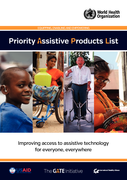
Improving access to assistive technology for everyone, everywhere.
The first WHO Priority Assistive Products List was launched in May 2016. The List includes hearing aids, wheelchairs, communication aids, spectacles, artificial limbs, pill organiz
...
A manual for programme managers.
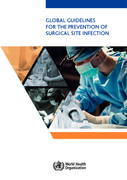
These WHO guidelines which were updated in 2018, are valid for any country and suitable to local adaptations, and take account of the strength of available scientific evidence, the cost and resource implications, and patient values and preferences.
...

Overview: Risk communication and community engagement are essential for any disease outbreak response. This is particularly critical during outbreaks of Ebola which may create fear in the public and frontline responders alike due to severe presentat
...

Workplaces outside of healthcare facilities can be also settings for transmission of COVID-19. Outbreaks of COVID-19 has been reported in various types of workplaces and job categories.
All workers should be protected from acquiring COVID-19 be
...

This tool offers practical advice on implementing HIV and STI programmes for and with sex workers. It is based on the recommendations in the guidance document on Prevention and treatment of HIV and other sexually transmitted infections
...
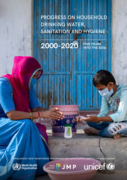
The Joint Monitoring Programme (JMP) report – Progress on household drinking water, sanitation and hygiene 2000 - 2020 – presents estimates on household access to safely managed drinking water, sanitation and hygiene services over the past five years, and assesses progress toward achieving the s
...
Drinking-water quality regulations and standards developed or revised in accordance with this guidance will reflect the best practices identified in the WHO Guidelines for Drinking-water Quality to most effectively protect public
...
The recently published World Health Organization (WHO) Strengthening infection prevention and control in primary care document collates existing st
...
Results of rapid assessment
The COVID-19 pandemic has disrupted or halted critical mental health services in 93% of countries worldwide while the demand for mental
...

The WHO/IWA document A practical guide to auditing water safety plans provides guidance on developing and implementing a WSP auditing scheme, covering such topics as the aim and role of auditing, auditor training and certification, audit criteria, audit timing and frequency and audit reportin
...

WHO would like to express its gratitude and appreciation to all Member States that provided information to the WHO survey on policies and activities at the national level in the area of antimicrobial resistance. The contribution of staff in WHO Regional
...
Policy brief, 24 July 2020
The COVID-19 pandemic has affected older people disproportionately, especially those living in long-term care facilities. In many countries, evidence shows that more than 40% of COVID-19 related deaths have been linked to long-term care facilities, with figures being as h
...
A survey was conducted in countries in all six WHO regions and focused on the building blocks that are considered prerequisites to combat antimicrobial resistance: a comprehensive national plan, laboratory capacity to undertake surveillance for resi
...

Health care-associated infections (HAIs) affect patients and health systems every day, causing immense suffering, driving higher health-care costs
...
The report provides a global knowledge base on suicide and suicide attempts as well as actionable steps for countries based on their current resources and context to move forward in suicide prevention.
This working paper was conceived to offer practical tips and suggestions on how to establish and sustain the multisectoral coordination needed to develop and implement National Action Plans on AMR (NAPs). It is intended for anyone with responsibilit
...

The Updated guidelines on Management of tuberculosis in children and adolescents include new recommendations that cover diagnostic approaches for TB, shorter treatment for children with non-severe d
...
This working paper was conceived to offer practical tips and suggestions on how to establish and sustain the multisectoral coordination needed to develop and implement National Action Plans on AMR (NAPs). It is intended for anyone with responsibilit
...
