
Filter
3885
Text search:
urban
health
care
system
Featured
296
1232
Language
3781
84
64
39
33
22
13
6
5
5
4
4
4
3
3
3
3
2
2
2
2
2
2
2
2
2
2
1
1
1
1
1
1
1
1
1
1
1
1
1
1
1
1
1
1
1
1
1
Document type
2253
773
341
202
189
48
38
29
5
4
2
1
Countries
223
165
137
132
116
109
108
107
90
86
84
83
83
74
69
67
66
59
58
55
48
44
38
38
34
33
32
32
30
28
26
26
26
26
24
22
20
19
18
18
17
16
16
15
15
14
13
13
12
12
12
12
11
10
9
9
8
8
8
8
7
7
7
7
7
7
6
5
5
5
5
5
5
5
4
4
4
4
4
3
3
3
3
3
3
3
3
3
3
2
2
2
2
2
2
2
2
2
2
1
1
1
1
1
1
1
1
1
1
1
1
1
1
1
1
1
1
1
1
1
1
1
1
1
1
1
1
1
1
1
1
1
1
1
Authors & Publishers
388
149
114
105
94
87
63
47
31
29
24
24
22
21
20
20
20
19
18
17
17
16
16
16
16
15
15
14
14
14
14
14
13
13
13
13
12
12
12
12
12
11
11
11
11
11
11
11
11
11
10
10
10
10
10
10
9
9
9
9
9
9
9
9
8
8
8
8
8
7
7
7
7
7
7
7
7
7
7
7
6
6
6
6
6
6
6
6
6
6
6
6
6
6
6
6
6
6
6
5
5
5
5
5
5
5
5
5
5
5
5
5
5
5
5
5
5
5
5
5
5
5
5
5
5
5
5
5
4
4
4
4
4
4
4
4
4
4
4
4
4
4
4
4
4
4
4
4
4
4
4
4
4
4
4
4
4
4
4
4
4
4
4
4
4
4
4
4
4
4
4
4
4
4
4
3
3
3
3
3
3
3
3
3
3
3
3
3
3
3
3
3
3
3
3
3
3
3
3
3
3
3
3
3
3
3
3
3
3
3
3
3
3
3
3
3
3
3
3
3
3
3
3
3
3
3
3
3
3
3
3
3
3
3
3
3
3
3
3
3
3
3
3
3
3
3
3
3
3
3
2
2
2
2
2
2
2
2
2
2
2
2
2
2
2
2
2
2
2
2
2
2
2
2
2
2
2
2
2
2
2
2
2
2
2
2
2
2
2
2
2
2
2
2
2
2
2
2
2
2
2
2
2
2
2
2
2
2
2
2
2
2
2
2
2
2
2
2
2
2
2
2
2
2
2
2
2
2
2
2
2
2
2
2
2
2
2
2
2
2
2
2
2
2
2
2
2
2
2
2
2
2
2
2
2
2
2
2
2
2
2
2
2
2
2
2
2
2
2
2
2
2
2
2
2
2
2
2
2
2
2
2
2
2
2
2
2
2
2
2
2
2
2
2
2
2
2
2
2
2
2
2
2
2
2
2
2
2
2
2
2
2
2
2
2
2
2
2
2
2
2
2
2
2
2
2
2
2
2
2
2
2
2
2
2
2
2
2
2
2
2
2
2
2
2
2
2
2
2
2
2
2
2
2
2
2
2
2
2
2
2
2
2
2
2
2
2
2
2
2
2
2
2
2
2
2
2
2
2
1
1
1
1
1
1
1
1
1
1
1
1
1
1
1
1
1
1
1
1
1
1
1
1
1
1
1
1
1
1
1
1
1
1
1
1
1
1
1
1
1
1
1
1
1
1
1
1
1
1
1
1
1
1
1
1
1
1
1
1
1
1
1
1
1
1
1
1
1
1
1
1
1
1
1
1
1
1
1
1
1
1
1
1
1
1
1
1
1
1
1
1
1
1
1
1
1
1
1
1
1
1
1
1
1
1
1
1
1
1
1
1
1
1
1
1
1
1
1
1
1
1
1
1
1
1
1
1
1
1
1
1
1
1
1
1
1
1
1
1
1
1
1
1
1
1
1
1
1
1
1
1
1
1
1
1
1
1
1
1
1
1
1
1
1
1
1
1
1
1
1
1
1
1
1
1
1
1
1
1
1
1
1
1
1
1
1
1
1
1
1
1
1
1
1
1
1
1
1
1
1
1
1
1
1
1
1
1
1
1
1
1
1
1
1
1
1
1
1
1
1
1
1
1
1
1
1
1
1
1
1
1
1
1
1
1
1
1
1
1
1
1
1
1
1
1
1
1
1
1
1
1
1
1
1
1
1
1
1
1
1
1
1
1
1
1
1
1
1
1
1
1
1
1
1
1
1
1
1
1
1
1
1
1
1
1
1
1
1
1
1
1
1
1
1
1
1
1
1
1
1
1
1
1
1
1
1
1
1
1
1
1
1
1
1
1
1
1
1
1
1
1
1
1
1
1
1
1
1
1
1
1
1
1
1
1
1
1
1
1
1
1
1
1
1
1
1
1
1
1
1
1
1
1
1
1
1
1
1
1
1
1
1
1
1
1
1
1
1
1
1
1
1
1
1
1
1
1
1
1
1
1
1
1
1
1
1
1
1
1
1
1
1
1
1
1
1
1
1
1
1
1
1
1
1
1
1
1
1
1
1
1
1
1
1
1
1
1
1
1
1
1
1
1
1
1
1
1
1
1
1
1
1
1
1
1
1
1
1
1
1
1
1
1
1
1
1
1
1
1
1
1
1
1
1
1
1
1
1
1
1
1
1
1
1
1
1
1
1
1
1
1
1
1
1
1
1
1
1
1
1
1
1
1
1
1
1
1
1
1
1
1
1
1
1
1
1
1
1
1
1
1
1
1
1
1
1
1
1
1
1
1
1
1
1
1
1
1
1
1
1
1
1
1
1
1
1
1
1
1
1
1
1
1
1
1
1
1
1
1
1
1
1
1
1
1
1
1
1
1
1
1
1
1
1
1
1
1
1
1
1
1
1
1
1
1
1
1
1
1
1
1
1
1
1
1
1
1
1
1
1
1
1
1
1
1
1
1
1
1
1
1
1
1
1
1
1
1
1
1
1
1
1
1
1
1
1
1
1
1
1
1
1
1
1
1
1
1
1
1
1
1
1
1
1
1
1
1
1
1
1
1
1
1
1
1
1
1
1
1
1
1
1
1
1
1
1
1
1
1
1
1
1
1
1
1
1
1
1
1
1
1
1
1
1
1
1
1
1
1
1
1
1
1
1
1
1
1
1
1
1
1
1
1
1
1
1
1
1
1
1
1
1
1
1
1
1
1
1
1
1
1
1
1
1
1
1
1
1
1
1
1
1
1
1
1
1
1
1
1
1
1
1
1
1
1
1
1
1
1
1
1
1
1
1
1
1
1
1
1
1
1
1
1
1
1
1
1
1
1
1
1
1
1
1
1
1
1
1
1
1
1
1
1
1
1
1
1
1
1
1
1
1
1
1
1
1
1
1
1
1
1
1
1
1
1
1
1
1
1
1
1
1
1
1
1
1
1
1
1
1
1
1
1
1
1
1
1
1
1
1
1
1
1
1
1
1
1
1
1
1
1
1
1
1
1
1
1
1
1
1
1
1
1
1
1
1
1
1
1
1
1
1
1
1
1
1
1
1
1
1
1
1
1
1
1
1
1
1
1
1
1
1
1
1
1
1
1
1
1
1
1
1
1
1
1
1
1
1
1
1
1
1
1
1
1
1
1
1
1
1
1
1
1
1
1
1
1
1
1
1
1
1
1
1
1
1
1
1
1
1
1
1
1
1
1
1
1
1
1
1
1
1
1
1
1
1
1
1
1
1
1
1
1
1
1
1
1
1
1
1
1
1
1
1
1
1
1
1
1
1
1
1
1
1
1
1
1
1
1
1
1
1
1
1
1
1
1
1
1
1
1
1
1
1
1
1
1
1
1
1
1
1
1
1
1
1
1
1
1
1
1
1
1
1
1
1
1
1
1
1
1
1
1
1
1
1
1
1
1
1
1
1
1
1
1
1
1
1
1
1
1
1
1
1
1
1
1
1
1
1
1
1
1
1
1
1
1
1
1
1
1
1
1
1
1
1
1
1
1
1
1
1
1
1
1
1
1
1
1
1
1
1
1
1
1
1
1
1
1
1
1
1
1
1
1
1
1
1
1
1
1
1
1
1
1
1
1
1
1
1
1
1
1
1
1
1
1
1
1
1
1
1
1
1
1
1
1
1
1
1
1
1
1
1
1
1
1
1
1
1
1
1
1
1
1
1
1
1
1
1
1
1
1
1
1
1
1
1
1
1
1
1
1
1
1
1
1
1
1
1
1
1
1
1
1
1
1
1
1
1
1
1
1
1
1
1
1
1
1
1
1
1
1
1
1
1
1
1
1
1
1
1
1
1
1
1
1
1
1
1
1
1
1
1
1
1
1
1
1
1
1
1
1
1
1
1
1
1
1
1
1
1
1
1
1
1
1
1
1
1
1
1
1
1
1
1
1
1
1
1
1
1
1
1
1
1
1
1
1
1
1
1
1
1
1
1
1
1
1
1
1
1
1
1
1
1
1
1
1
1
1
1
1
1
1
1
1
1
1
1
1
1
1
1
1
1
1
1
1
1
1
1
1
1
1
1
1
1
1
1
1
1
1
1
1
1
1
1
1
1
1
1
1
1
1
1
1
1
1
1
1
1
1
1
1
1
1
1
1
1
1
1
1
1
1
1
1
1
1
1
1
1
1
1
1
1
1
1
1
1
1
1
1
1
1
1
1
1
1
1
1
1
1
1
1
1
1
1
1
1
1
1
1
1
1
1
1
1
1
1
1
1
1
1
1
1
1
1
1
1
1
1
1
1
1
1
1
1
1
1
1
1
1
1
1
1
1
1
1
1
1
1
1
1
1
1
1
1
1
1
1
1
1
1
1
1
1
1
1
1
1
1
1
1
1
1
1
1
1
1
1
1
1
1
1
1
1
1
1
1
1
1
1
1
1
1
1
1
1
1
1
1
1
1
1
1
1
1
1
1
1
1
1
1
1
1
1
1
1
1
1
1
1
1
1
1
1
1
1
1
1
1
1
1
1
1
1
1
1
1
1
1
1
1
1
1
1
1
1
1
1
1
1
1
1
1
1
1
1
1
1
1
1
1
1
1
1
1
1
1
1
1
1
1
1
1
1
1
1
1
1
1
1
1
1
1
1
1
1
1
1
1
1
1
1
1
1
1
1
1
1
1
1
1
1
1
1
1
1
1
1
1
1
1
1
1
1
1
1
1
1
1
1
1
1
1
1
1
1
1
1
1
1
1
1
1
1
1
1
1
1
1
1
1
1
1
1
1
1
1
1
1
1
1
1
1
1
1
1
1
1
1
1
1
1
1
1
1
1
1
1
1
1
1
1
1
1
1
1
1
1
1
1
1
1
1
1
1
1
1
1
1
1
1
1
1
1
1
1
1
1
1
1
1
1
1
1
1
1
1
1
1
1
1
1
1
1
1
1
1
1
1
1
1
1
1
1
1
1
1
1
1
1
1
1
1
1
1
1
1
1
1
1
1
1
1
1
1
1
1
1
1
1
1
1
1
1
1
1
1
1
1
1
1
1
1
1
1
1
1
1
1
1
1
1
1
1
1
1
1
1
1
1
1
1
1
1
1
1
1
1
1
1
1
1
1
1
1
1
1
1
1
1
1
1
1
1
1
1
1
1
1
1
1
1
1
1
1
1
1
1
1
1
1
1
1
1
1
1
1
1
1
1
1
1
1
1
1
1
1
1
1
1
1
1
1
1
1
1
1
1
1
1
1
1
1
1
1
1
1
1
1
1
1
1
1
1
1
1
1
1
1
1
1
1
1
1
1
1
1
1
1
1
1
1
1
1
1
1
1
1
1
1
1
1
1
1
1
1
1
1
1
1
1
1
1
1
1
1
1
1
1
1
1
1
1
1
1
1
1
1
1
1
1
1
1
1
1
1
1
1
1
1
1
1
1
1
1
1
1
1
1
1
1
1
1
1
1
1
1
1
1
1
1
1
1
1
1
1
1
1
1
1
1
1
1
1
1
1
1
1
1
1
1
1
1
1
1
1
1
1
1
1
1
1
1
1
1
1
1
1
1
1
1
1
1
1
1
1
1
1
1
1
1
1
1
1
1
1
1
1
1
1
1
1
1
1
1
1
1
1
1
1
1
1
1
1
1
1
1
1
1
1
1
1
1
1
1
1
1
1
1
1
1
1
1
1
1
1
1
1
1
1
1
1
1
1
1
1
1
1
1
1
1
1
1
1
1
1
1
1
1
1
1
1
1
1
1
1
1
1
1
1
1
1
1
1
1
1
1
1
1
1
1
1
1
1
1
1
1
1
1
1
1
1
1
1
1
1
1
1
1
1
1
1
1
1
1
1
1
1
1
1
1
1
1
1
1
1
1
1
1
1
1
1
1
1
1
1
1
1
1
1
1
1
1
1
1
1
1
1
1
1
1
1
1
1
1
1
1
1
1
1
1
1
1
1
1
1
1
1
1
1
1
1
1
1
1
1
1
1
1
1
1
1
1
1
1
1
1
1
1
1
1
1
1
1
1
1
1
1
1
1
1
1
1
1
1
1
1
1
1
1
1
1
1
1
1
1
1
1
1
1
1
1
1
1
1
1
1
1
1
1
1
1
1
1
1
1
1
1
1
1
1
1
1
1
1
1
1
1
1
1
1
1
1
1
1
1
1
1
1
1
1
1
1
1
1
1
1
1
1
1
1
1
1
1
1
1
1
1
1
1
1
1
1
1
1
1
1
1
1
1
1
1
1
1
1
1
1
1
1
1
1
1
1
1
1
1
1
1
1
1
1
1
1
1
1
1
1
1
1
1
1
1
1
1
1
1
1
1
1
1
1
1
1
1
1
1
1
1
1
1
1
1
1
1
1
1
1
1
1
1
1
1
1
1
1
1
1
1
1
1
1
1
1
1
1
1
1
1
1
1
1
1
1
1
1
1
1
1
1
1
1
1
1
1
1
1
1
1
1
1
1
1
1
1
1
1
1
1
1
1
1
1
1
1
1
1
1
1
1
1
1
1
1
1
1
1
1
1
1
1
1
1
1
1
1
1
1
1
1
1
1
1
1
1
1
1
1
1
1
1
1
1
1
1
1
1
1
1
1
1
1
1
1
1
1
1
1
1
1
1
1
1
1
1
1
1
1
1
1
1
1
1
1
1
1
1
1
1
1
1
1
1
1
1
1
1
1
1
1
1
1
1
1
1
1
1
1
1
1
1
1
1
1
1
1
1
1
1
1
1
1
1
1
1
1
1
1
1
1
1
1
1
1
1
1
1
1
1
1
1
1
1
1
1
1
1
1
1
1
1
1
1
1
1
1
1
1
1
1
1
1
1
1
1
1
1
1
1
1
1
1
1
1
1
1
1
1
1
1
1
1
1
1
1
1
1
1
1
1
1
1
1
1
1
1
1
1
1
1
1
1
1
1
1
1
1
1
1
1
1
1
1
1
1
1
1
1
1
1
1
1
1
1
1
1
1
1
1
1
1
1
1
1
1
1
1
1
1
1
1
1
1
1
1
1
1
1
1
1
1
1
1
1
1
1
1
1
1
1
1
1
1
1
1
1
1
1
1
1
1
1
1
1
1
1
1
1
1
1
1
1
1
1
1
1
1
1
1
1
1
1
1
1
1
1
1
1
1
1
1
1
1
1
1
1
1
1
1
1
1
1
1
1
1
1
1
1
1
1
1
1
1
1
1
1
1
1
1
1
1
1
1
1
1
1
1
1
1
1
1
1
1
1
1
1
1
1
1
1
1
1
1
1
1
1
1
1
1
1
1
1
1
1
1
1
1
1
1
1
1
1
1
1
1
1
1
1
1
1
1
1
1
1
1
1
1
1
1
1
1
1
1
1
1
1
1
1
1
1
1
1
1
1
1
1
1
1
1
1
1
1
1
1
1
1
1
1
1
1
1
1
1
1
1
1
1
1
1
1
1
1
1
1
1
1
1
1
1
1
1
1
1
1
1
1
1
1
1
1
1
1
1
1
1
1
1
1
1
1
1
1
1
1
1
1
1
1
1
1
1
1
1
1
1
1
1
1
1
1
1
1
1
1
1
1
1
1
1
1
1
1
1
1
1
1
1
1
1
1
1
1
1
1
1
1
1
Publication Years
1036
2469
354
25
1
Category
1922
251
229
177
160
50
10
Toolboxes
261
253
206
177
149
134
118
94
89
86
80
77
72
67
56
53
45
43
32
30
27
21
20
18
16
3
1
Accessed on 31.03.2023
COUNTDOWN Nigeria has applied a Participatory Action Research (PAR) approach to improve equity of Mass Administration of Medicines (MAM) and inform Neglected Tropical Disease (NTD) policy through an enhanced community engagement strategy. A situational analysis conducted i
...
n 2016 identified community engagement as a
bottleneck to achieving equitable coverage of MAM within different and emerging contexts (border, migrant, rural and urban) of Nigeria, related to programmatic, social, political and environmental changes over time See: (Dean et al., 2019), (Oluwole et al., 2019) and (Adekeye et al., 2019)
more

https://doi.org/10.1371/journal.pntd.0002439
South Sudan has a high burden – among the highest in sub-Saharan Africa – of neglected tropical diseases (NTDs). This adversely affects the health and social and economic well-being of people in the
...
country. The prevention, control and eventual elimination of many NTDs depend heavily on improved access to water, sanitation and hygiene (WASH) and, once there is access, on sound sanitation and hygiene practices. This is especially the case in NTD endemic communities.
more
Ending Cholera. A global roadmap to 2030
recommended
Ending Cholera—A Global Roadmap to 2030 operationalises the new global strategy for cholera control at the country level and provides a concrete path toward a world in which cholera is no longer a threat to public health
2018 South Sudan Humanitarian Needs Overview
recommended
This document provides the Humanitarian Country Team’s shared understanding of the crisis, including the most pressing
humanitarian needs and the estimated number of people who need assistance. It represents a consolidated evidence base and
helps inform joint strategic response planning.
As
...
the conflict in South Sudan enters its fifth year in 2018, the humanitarian crisis has continued to intensify and expand, on a costly trajectory for the country’s people and their outlook on the future. The compounding effects of widespread violence and sustained economic decline have further diminished the capacity of people to face threats to their health, safety and livelihoods. People in need of assistance and protection number 7 million, even as more than 2 million have fled to neighbouring countries.
more

While the full extent of Cyclone Ida’s impact is still being assessed, early reports indicate significant damage to infrastructure and livelihoods, with an estimated 3,000km2 of land submerged. Preliminary government reports as of 24 March indicate that more than 58,600 houses have been damaged, i
...
ncluding 36,747 totally destroyed, 19,733 partially destroyed and 2,184 flooded. More than 500,000 hectares of crops have been damaged, which is expected to significantly increase food insecurity given that the flooding has coincided with the annual harvest season. More than 3,100 schools have been damaged, along with at least 45 health centres.
Nearly 110,000 people remained displaced in more than 130 accommodation centres – mostly schools and other public buildings – in Sofala (90), Manica (26), Zambezia (10) and Tete (4), where humanitarian needs are acute and both the risk of communicable disease outbreaks and protection risks – particularly for women and girls – are high
more

South Africa has faced many challenges over the past two decades, accomplishing profound positive changes in the social structure and government of the nation. This has not yet fully translated into better health for the population, howeve
...
r, particularly the poorest segment. In fact, the population has lost ground since the 1990s in virtually all important health indicators, leaving South Africa with a high burden of infectious disease.
August 2011, Vol. 101, No. 8 SAMJ
more

While the full effects of COVID-19 remain unknown, the pandemic continues to profoundly impact regional migration and mobility dynamics, with deep health, social and economic consequences for the most vulnerable, including migrants, displaced popula
...
tions and their host communities, and returnees.
more

Human Rights based research into COVID-19 related violations with focus on persons with disabilities
The goal of the study was to assess the feasibility of the COVID-19 measures and their resultant impact on Persons with Disabilities in Malawi.
Specifically, the study addressed the following objectives:
a) To evaluate Government’s response to COVID-19 following the adoption of the new measures
...
of COVID-19 in January 2021 in line with principles and norms of human rights. (This includes establishing the extent to which the new measures have been implemented)
b) To assess the extent to which the provision health service delivery specifically access to health for PWDs including vaccine inflammation and facilities.
c) To establish the key COVID-19 related human rights violations during the pandemic period affecting PWDs
d) To assess the extent to which Government (and other nonstate actors) have implemented the recommendations from the preliminary MHRC statement
e) To provide advice and make recommendations to the Executive, Parliament and other stakeholders on how they can improve their response to COVID-19 from a rights perspective with a focus on PWDs.
more
Asthma is the commonest chronic childhood disease and encompasses a spectrum of airway diseases with similar symptoms. Inaccurate diagnosis remains common, especially in younger children, with failure to characterize the different “asthmas.” Children worldwide repeatedly suffer symptoms which se
...
verely affect their everyday lives. Children die from asthma, especially in low and middle-income countries (LMICs). In many countries, asthma prevalence is rising. Access to effective care and changing environments are hugely variable and may explain the higher morbidity in inner-city children, in LMICs, and in deprived populations in high-income countries. Despite the disease being eminently controllable, morbidity and mortality persist.
more

The UNFPA Zambia 2017 Annual Report highlights key milestones and achievements recorded with UNFPA support towards improving the health and well-being of women and young people in Zambia.
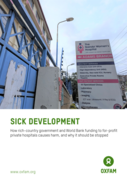
Development finance institutions owned by European governments and the World Bank Group are spending hundreds of millions of dollars on expensive for-profit hospitals in the Global South that block patients from getting care, or bankrupt them, with
...
some even imprisoning patients who cannot afford their bills. At the height of the COVID-19 pandemic, some of these same hospitals denied entry to patients suffering from the virus or sold intensive care beds at eyewatering prices to the highest bidder. These development institutions have woefully inadequate safeguards, invest via a complex web of tax-avoiding financial intermediaries, and offer little to zero evidence on the impacts their investments are having. Oxfam is calling on rich-country governments and the World Bank Group to immediately halt their spending on for-profit private healthcare, and for an urgent independent investigation to be conducted into all active and historic investments.
more

Section One
summarizes UNHCR’s mandate of international protecdtion and the aim and principles of emergency
response;
Section Two
deals with emergency management;
Section Three
covers the vital sectors and problem areas in refugee emergencies, including
...
health, food, sanitation
and water, as well as key field activities underpinning the operations such as logistics, community
services and registration. The chapters in this section start with a summary so that readers, who
might not need the full level of detail in each of these chapters, can understand the basic principles of
the subject quickly;
Section Four
gives guidance on the support to field operations, primarily administration and staffing;
The Appendices
include a “Toolbox” which gathers, in one location, the standards, indicators and useful references
used throughout the handbook;
more
The purpose of this manual is to define a limited number of indicators that will objectively describe the management and use of antimicrobials in hospitals and to provide tools and step-by-step instructions for designing and carrying out an assessment of antibiotic use and management in hospitals. T
...
he indicators in this manual will complement the existing WHO (1993) indicators of outpatient antimicrobial use suggested in How to Investigate Drug Use in Health Facilities (including percentage of encounters in which an antibiotic was prescribed and percentage of medicine costs spent on antibiotics) and will address the need for antimicrobial indicators for inpatient conditions.
more
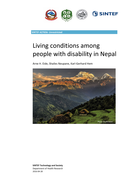
This report is from the National study on living conditions among people
with disabilities carried out in Nepal in 2014-2015. The study was carried
out as a household survey with two-stage stratified sampling, including a screening/listing procedure using the Washington Group on Disability
Statis
...
tics 6 questions, one Household questionnaire administered to
households with (Case HHs) and without disabled members (Control
HHs), one Individual Case questionnaire administered to individuals who were found to qualify as being disabled in the screening (Case
individuals), and an Individual Control questionnaire administered to
matched non-disabled individuals in the Control HHs (Control individuals). The study covers a range of indicators on level of living, such as socioeconomic indicators, economic activity, income, ownership and infrastructure, health (including reproductive health), access to health information, access to services, education, access to information, social participation, and exposure to discrimination and abuse (see all
questionnaires in Appendix).
more
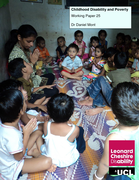
As the Convention of the Rights of Children recognizes, children are human beings with a distinct set of rights, and not the passive objects of care and charity. They deserve to be full participants in society, and to live lives free of poverty. But
...
for children, living in poverty is particularly impactful. The foundations for life are built in childhood. In the early part of our lives, our bodies and brains develop their capacities to function and interact with the world. We learn the social skills we need to fit into society, and acquire the human capital necessary to earn a living, support a family, and to fully take part in the life of our community Poverty can stunt this development. So can the onset of a disability. As the World Report on Disability (WHO/World Bank 2011) points out, people with disabilities are all too often excluded from the economic and social lives of their community. And the interaction between disability and poverty has the potential to develop a vicious circle that can greatly limit life opportunities.
Working Paper Series: No. 25
more
Education for Students with Intellectual Disabilities in Kenya: Challenges and Prospects
M.J. Chomba, S.G. Mukuria, P.W. Kariuki, S. Tumuti, B.A. Bunyasi
Disability Studies Quarterly
(2015)
C2
Kenya has great potential for enhancing education for individuals with intellectual disabilities. The fact that it has recognized the need to care for learners with special needs is commendable. In comparison to many African countries, Kenya and Nig
...
eria are ahead in developing programs for special education in institutions of higher learning, and in starting schools and units for special education. However, a legal mandate is still required as it would seal many loopholes that currently exist. Without it, the assessment of individual with intellectual disabilities cannot be administered correctly and professionally. In this article, the authors present a coherent account on various aspects related to learners with intellectual disabilities in Kenya. No doubt, the issues and challenges identified call for attention by not only the government of Kenya but also those interested in improving the status of learners with intellectual disabilities.
more
Refugees1 with disabilities have specific needs and face particular forms of discrimination. As highlighted in the Executive Committee Conclusion No. 110 (LXI)–2010, it is important for UNHCR to ensure that the rights of persons with disabilities who are of concern to the Office are met without di
...
scrimination. This places an onus on offices to develop a thorough
understanding of the circumstances of persons with disabilities under their care. This note provides staff with guidance on a range of issues to consider in meeting these responsibilities.
more

Journal of the International AIDS Society 2016, 19:20926
There is a growing interest in the potential contribution the private sector can make towards increasing access to antiretroviral therapy (ART) in low‐ and middle‐income settings. This article describes a public–private partnership ... that was developed to expand HIV care capacity in Yangon, Myanmar. The partnership was between private sector general practitioners (GPs) and a community‐based non‐governmental organization (International HIV/AIDS Alliance).
https://doi.org/10.7448/IAS.19.1.20926 more
There is a growing interest in the potential contribution the private sector can make towards increasing access to antiretroviral therapy (ART) in low‐ and middle‐income settings. This article describes a public–private partnership ... that was developed to expand HIV care capacity in Yangon, Myanmar. The partnership was between private sector general practitioners (GPs) and a community‐based non‐governmental organization (International HIV/AIDS Alliance).
https://doi.org/10.7448/IAS.19.1.20926 more

Integrated Water Resources Management in Myanmar: Water usage and introduction to water quality criteria for lakes and rivers in Myanmar. Preliminary report
Mjelde, Marit; Ballot, Andreas; Swe, Thida; Eriksen, Tor Erik; Nesheim, Ingrid; Aung, Toe Toe
Norsk institutt for vannforskning (NIVA)
(2017)
C1
The purpose of the report is to present some first recommendation for the development of Myanmar ecological quality criteria using the system of the EU Water Framework Directive (EU WFD) as baseline, with main focus on the characterization and class
...
ification processes. As background for the recommendations we first give an overview of the main water use categories in Myanmar. We then provide preliminary suggestions for typology criteria and indices for assessing ecological status in lakes and rivers in Myanmar. The typology factors and physico-chemical parameters are based on common used factors in the EU countries. The biological elements include phytoplankton and aquatic macrophytes for lakes, and benthic invertebrates for rivers.
more

The study analyses the current situation of children with disabilities in relation to realizing their rights and accessing basic services, as well as their life experiences in their communities. It also focuses on identifying the barriers created by society that prevent children with disabilities fr
...
om enjoying their human rights. This includes identifying negative attitudes; environmental and communication barriers; gaps in policies or their effective implementation.
The report reveals that children with disabilities in Myanmar are less likely to access services in health or education; rarely have their voices heard in society; and face daily discrimination as objects of pity. It also highlights how inadequate policies and legislation contribute to the challenges these children face.
The information available in this publication should be useful for policy makers, development partners and Disabled Persons Organisations to promote the realization of the rights of all children with disabilities. more
The report reveals that children with disabilities in Myanmar are less likely to access services in health or education; rarely have their voices heard in society; and face daily discrimination as objects of pity. It also highlights how inadequate policies and legislation contribute to the challenges these children face.
The information available in this publication should be useful for policy makers, development partners and Disabled Persons Organisations to promote the realization of the rights of all children with disabilities. more
