
Filter
2447
Text search:
trauma
Featured
281
540
Language
1959
164
153
104
84
77
73
48
23
23
19
16
12
11
11
9
9
9
7
7
6
5
4
4
4
4
3
3
3
3
3
3
3
3
3
3
2
2
2
2
2
2
2
2
1
1
1
1
1
1
1
1
1
1
1
Document type
1380
327
301
172
63
60
42
40
31
19
5
3
3
Countries
108
92
82
80
76
69
51
49
41
29
29
29
28
28
27
25
23
22
22
19
19
19
19
18
16
16
15
15
14
14
13
13
13
13
12
11
11
11
11
10
9
9
8
8
7
7
7
7
7
7
6
6
6
6
6
6
5
5
4
4
4
4
4
4
4
4
3
3
3
3
3
3
3
3
3
2
2
2
2
2
2
2
2
2
1
1
1
1
1
1
1
1
1
1
1
1
1
1
1
1
1
1
1
1
1
1
1
1
1
1
1
Authors & Publishers
251
95
78
69
48
43
42
42
41
32
26
21
21
21
14
13
13
13
12
12
12
11
10
10
10
10
10
9
9
9
9
9
9
9
8
8
8
8
8
8
8
8
8
8
7
7
7
7
6
6
6
6
6
6
6
6
6
6
6
6
5
5
5
5
5
5
5
5
5
5
5
4
4
4
4
4
4
4
4
4
4
4
4
4
4
4
4
4
4
4
4
4
4
4
4
4
4
4
4
4
4
4
4
4
4
4
4
4
4
4
3
3
3
3
3
3
3
3
3
3
3
3
3
3
3
3
3
3
3
3
3
3
3
3
3
3
3
3
3
3
3
3
3
3
3
3
3
3
3
3
3
3
3
3
3
3
3
3
3
3
3
3
3
3
3
3
3
3
3
3
3
3
3
3
3
3
3
3
3
3
3
3
2
2
2
2
2
2
2
2
2
2
2
2
2
2
2
2
2
2
2
2
2
2
2
2
2
2
2
2
2
2
2
2
2
2
2
2
2
2
2
2
2
2
2
2
2
2
2
2
2
2
2
2
2
2
2
2
2
2
2
2
2
2
2
2
2
2
2
2
2
2
2
2
2
2
2
2
2
2
2
2
2
2
2
2
2
2
2
2
2
2
2
2
2
2
2
2
2
2
2
2
2
2
2
2
2
2
2
2
2
2
2
2
2
2
2
2
2
2
2
2
2
2
2
2
2
2
2
2
2
2
2
2
2
2
2
2
2
2
2
2
2
2
2
2
2
2
2
2
2
2
2
2
2
2
2
2
2
2
2
2
2
2
2
2
2
2
2
2
2
2
2
2
2
2
2
2
2
2
2
2
2
2
2
2
2
2
1
1
1
1
1
1
1
1
1
1
1
1
1
1
1
1
1
1
1
1
1
1
1
1
1
1
1
1
1
1
1
1
1
1
1
1
1
1
1
1
1
1
1
1
1
1
1
1
1
1
1
1
1
1
1
1
1
1
1
1
1
1
1
1
1
1
1
1
1
1
1
1
1
1
1
1
1
1
1
1
1
1
1
1
1
1
1
1
1
1
1
1
1
1
1
1
1
1
1
1
1
1
1
1
1
1
1
1
1
1
1
1
1
1
1
1
1
1
1
1
1
1
1
1
1
1
1
1
1
1
1
1
1
1
1
1
1
1
1
1
1
1
1
1
1
1
1
1
1
1
1
1
1
1
1
1
1
1
1
1
1
1
1
1
1
1
1
1
1
1
1
1
1
1
1
1
1
1
1
1
1
1
1
1
1
1
1
1
1
1
1
1
1
1
1
1
1
1
1
1
1
1
1
1
1
1
1
1
1
1
1
1
1
1
1
1
1
1
1
1
1
1
1
1
1
1
1
1
1
1
1
1
1
1
1
1
1
1
1
1
1
1
1
1
1
1
1
1
1
1
1
1
1
1
1
1
1
1
1
1
1
1
1
1
1
1
1
1
1
1
1
1
1
1
1
1
1
1
1
1
1
1
1
1
1
1
1
1
1
1
1
1
1
1
1
1
1
1
1
1
1
1
1
1
1
1
1
1
1
1
1
1
1
1
1
1
1
1
1
1
1
1
1
1
1
1
1
1
1
1
1
1
1
1
1
1
1
1
1
1
1
1
1
1
1
1
1
1
1
1
1
1
1
1
1
1
1
1
1
1
1
1
1
1
1
1
1
1
1
1
1
1
1
1
1
1
1
1
1
1
1
1
1
1
1
1
1
1
1
1
1
1
1
1
1
1
1
1
1
1
1
1
1
1
1
1
1
1
1
1
1
1
1
1
1
1
1
1
1
1
1
1
1
1
1
1
1
1
1
1
1
1
1
1
1
1
1
1
1
1
1
1
1
1
1
1
1
1
1
1
1
1
1
1
1
1
1
1
1
1
1
1
1
1
1
1
1
1
1
1
1
1
1
1
1
1
1
1
1
1
1
1
1
1
1
1
1
1
1
1
1
1
1
1
1
1
1
1
1
1
1
1
1
1
1
1
1
1
1
1
1
1
1
1
1
1
1
1
1
1
1
1
1
1
1
1
1
1
1
1
1
1
1
1
1
1
1
1
1
1
1
1
1
1
1
1
1
1
1
1
1
1
1
1
1
1
1
1
1
1
1
1
1
1
1
1
1
1
1
1
1
1
1
1
1
1
1
1
1
1
1
1
1
1
1
1
1
1
1
1
1
1
1
1
1
1
1
1
1
1
1
1
1
1
1
1
1
1
1
1
1
1
1
1
1
1
1
1
1
1
1
1
1
1
1
1
1
1
1
1
1
1
1
1
1
1
1
1
1
1
1
1
1
1
1
1
1
1
1
1
1
1
1
1
1
1
1
1
1
1
1
1
1
1
1
1
1
1
1
1
1
1
1
1
1
1
1
1
1
1
1
1
1
1
1
1
1
1
1
1
1
1
1
1
1
1
1
1
1
1
1
1
1
1
1
1
1
1
1
1
1
1
1
1
1
1
1
1
1
1
1
1
1
1
1
1
1
1
1
1
1
1
1
1
1
1
1
1
1
1
1
1
1
1
1
1
1
1
1
1
1
1
1
1
1
1
1
1
1
1
1
1
1
1
1
1
1
1
1
1
1
1
1
1
1
1
1
1
1
1
1
1
1
1
1
1
1
1
1
1
1
1
1
1
1
1
1
1
1
1
1
1
1
1
1
1
1
1
1
1
1
1
1
1
1
1
1
1
1
1
1
1
1
1
1
1
1
1
1
1
1
1
1
1
1
1
1
1
1
1
1
1
1
1
1
1
1
1
1
1
1
1
1
1
1
1
1
1
1
1
1
1
1
1
1
1
1
1
1
1
1
1
1
1
1
1
1
1
1
1
1
1
1
1
1
1
1
1
1
1
1
1
1
1
1
1
1
1
1
1
1
1
1
1
1
1
1
1
1
1
1
1
1
1
1
1
1
1
1
1
1
1
1
1
1
1
1
1
1
1
1
1
1
1
1
1
1
1
1
1
1
1
1
1
1
1
1
1
1
1
1
1
1
1
1
1
1
1
1
1
1
1
1
1
1
1
1
1
1
1
1
1
1
1
1
1
1
1
1
1
1
1
1
1
1
1
1
1
1
1
1
1
1
1
1
1
1
1
1
1
1
1
1
1
1
1
1
1
1
1
1
1
1
1
1
1
1
1
1
1
1
1
1
1
1
1
1
1
1
1
1
1
1
1
1
1
1
1
1
1
1
1
1
1
1
1
1
1
1
1
1
1
1
1
1
1
1
1
1
1
1
1
1
1
1
1
1
1
1
1
1
1
1
1
1
1
1
1
1
1
1
1
1
1
1
1
1
1
1
1
1
1
1
1
1
1
1
1
1
1
1
1
1
1
1
1
1
1
1
1
1
1
1
1
1
1
1
1
1
1
1
1
1
1
1
1
1
1
1
1
1
1
1
1
1
1
1
1
1
1
1
1
1
1
1
1
1
1
1
1
1
1
1
1
1
1
1
1
1
1
1
1
1
1
1
1
1
1
1
1
1
1
1
1
1
1
1
1
1
1
1
1
1
1
1
1
1
1
1
1
1
1
1
1
1
1
1
1
1
1
1
1
1
1
1
1
1
1
1
1
1
1
1
1
1
1
1
1
1
1
1
1
1
1
1
1
1
1
1
1
1
1
1
1
1
1
1
1
1
1
1
1
1
1
1
1
1
1
1
1
1
1
1
1
1
1
1
1
1
1
1
1
1
1
1
1
1
1
1
1
1
1
1
1
1
1
1
1
1
1
1
1
1
1
1
1
1
1
1
1
1
1
1
1
1
1
1
1
1
1
1
1
1
1
1
1
1
1
1
1
1
1
1
1
1
1
1
1
1
1
1
1
1
1
1
1
1
1
1
1
1
1
1
1
1
1
1
1
1
1
1
1
1
1
1
1
1
1
1
1
1
1
1
1
1
1
1
1
1
1
1
1
1
1
1
1
1
1
1
1
1
1
1
1
1
1
1
1
1
1
1
1
1
1
1
1
1
1
1
1
1
1
1
1
1
1
1
1
1
1
1
1
1
1
1
1
1
1
1
1
1
1
1
1
1
1
1
1
1
1
1
1
1
1
1
1
1
1
1
1
1
1
1
1
1
1
1
1
1
1
1
1
1
1
1
1
1
1
1
1
1
1
1
1
1
1
1
1
1
1
1
1
1
1
1
1
1
1
1
1
1
1
1
1
1
1
1
1
1
1
1
1
1
1
1
1
1
1
1
1
1
1
1
1
1
1
1
1
1
1
1
1
1
1
1
1
1
1
1
1
1
1
1
1
1
1
1
1
1
1
1
1
1
1
1
1
1
1
1
1
1
1
1
1
1
1
1
1
1
1
1
1
1
1
1
1
1
1
1
1
1
1
1
1
1
1
1
1
1
1
1
1
1
1
1
1
1
1
1
1
1
1
1
1
1
1
1
1
1
1
1
1
1
1
1
1
1
1
1
1
1
1
1
1
1
1
1
1
1
1
1
1
1
1
1
1
1
1
1
1
1
1
1
1
1
1
1
1
1
1
1
1
1
1
1
1
1
1
1
1
1
1
1
1
1
1
1
1
1
1
1
1
1
1
1
1
1
1
1
1
1
1
1
1
1
1
1
1
1
1
1
1
1
1
1
1
1
1
1
1
1
1
1
1
1
1
1
1
1
1
1
1
1
1
1
1
1
1
1
1
1
1
1
1
1
1
1
1
1
1
1
1
1
1
1
1
1
1
1
1
1
1
1
1
1
1
1
1
Publication Years
648
1513
271
14
1
Category
755
208
188
162
73
53
5
1
Toolboxes
594
209
189
129
94
78
71
46
45
43
35
34
25
23
22
20
18
15
12
11
9
5
4
2
1
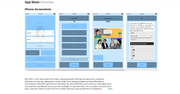
Die iOS-Applikation SMILERS richtet sich an arabischsprachige Menschen mit depressiver Symptomatik. Sieben aufeinander aufbauende Module beinhalten Informationen zur Entstehung und Aufrechterhaltung von depressiven Symptomen, Vorschläge zu positiven Aktivitäten und zum Umgang mit negativen Gedanke
...
n. Über einen anonymen Fragebogen wird das Angebot durch die Forscher*innen im ZÜ stetig weiterentwickel
more
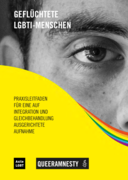
Der Praxisleitfaden »Gefluechtete LGBTI-Menschen« soll Asyl- und Migrationsfachpersonen im Umgang mit LGBTI-Asylsuchenden unterstuetzen – das sind Menschen, die aufgrund ihrer sexuellen Orientierung, Geschlechtsidentitaet, Geschlechtsmerkmale und/oder ihres Geschlechtsausdrucks aus ihrer Heimat
...
gefluechtet sind. Diese Asylsuchenden sind besonders verletzlich und auch in der Schweiz leider noch immer mit Diskriminierung konfrontiert. Die Broschuere richtet sich aber auch an Mitarbeitende in den LGBTI-Organisationen, um die Integration der Gefluechteten in die lokalen LGBTI-Communities zu erleichtern, sowie an alle Menschen, die sich fuer dieses Thema interessieren.
more
Die Bundesweite Arbeitsgemeinschaft der psychosozialen Zentren für Flüchtlinge und Folteropfer e.V. (BAfF) ist der Dachverband der Behandlungszentren für Opfer von Menschenrechtsverletzungen und politischer Verfolgung. Auf seinem Youtube-Kanal informiert der Verein in kurzen Videos zu verschieden
...
en Themen, z.B. zur psychosozialen Lage von Kindern und Jugendlichen mit Fluchterfahrung oder zur Arbeit mit Sprachmittler*innen bei Psychotherapien
more
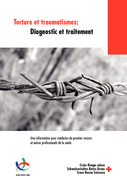
Le présent document vise à sensibiliser le corps médical ainsi que les autres intervenants de la santé et du social à la situation souvent précaire des réfugiés traumatisés ainsi qu’à encadrer leur pratique. Il dispense des connaissances générales et donne des pistes utiles p
...
our l’abord et le suivi de ces patients.
more

Hilfen für den psychosozialen Notfall
recommended
Es handelt sich um Hilfen für den psychosozialen Notfall, die - in den USA entwickelt - in Kooperation mit der TU Braunschweig übersetzt wurden. Es handelt sich dabei um unterschiedliche Texte für verschiedene Situationen - von einer einfachen diagnostischen Hilfe über allgemeine Informationen Ã
...
¼ber den psychosozialen Notfall und seine möglichen Folgen bis zu Empfehlungen für ganz spezifische Gruppen von Betroffenen.“ Die Hilfen für den psychosozialen Notfall stehen in den folgenden Sprachen zum Download zur Verfügung: Deutsch, Englisch, Türkisch, Russisch, Persisch, Italienisch
more

(kurdish version) Information brochure for parents on how to help traumatized children.

Accessed online February 2019 | CATS para cuidadores de niños de 3 a 6 años
Les racines de la résilience
recommended
Une activité de résilience aux traumatismes pour le projet de CRS-WARO Action pour la protection et l'intégration des migrants en Afrique (APIMA).
Ce manuel montre comment organiser un atelier qui aide les participants à trouver une identité et une vision de leur vie qui équilibrent les expé
...
riences positives et négatives afin de leur donner un sens de direction personnelle et un espoir pour l’avenir.
more
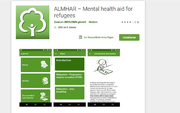
In der ALMHAR-App erhalten Betroffene auf Farsi, Englisch oder Arabisch Aufklärung über psychische Symptome, wie Angstzustände, Stresssituationen, Schlafprobleme und Aggressionen.
Die Projektidee entwickelte sich aus der gestiegenen Nachfrage im Zuge der hohen Anzahl belasteter Geflüchteter aus
...
Kriegsgebieten. Es gibt einen großen Bedarf insbesondere an arabischsprachigen psychoedukativen Angeboten. ALMHAR bietet Übungen, die selbständig bearbeitet oder in die laufende therapeutische Arbeit eingebunden werden können
(verfügbar auf: English | العربية / Arabisch | فارسی / Farsi)
ALMHAR is designed for refugees who had to flee from their homes and who are may be living in exile.
Fleeing your home is an incredibly overwhelming, frightening and life-changing experience. Many refugees who had to leave their homes and countries develop some sort of emotional or physical problems due to their experiences. If this is the case for you, it does not mean you are weak or crazy. Such problems are mostly normal reactions of normal people to abnormal experiences!
The app explains the most common emotional problems you might experience as a refugee and offers first support in dealing with them. It offers background information on 12 common problem areas and gives practical and easy to-do tips.
more

Ratschläge nach Altersgruppen - Kleinkinder, Vorschulkinder, Schulkinder, Jugendliche - rund um die zentralen Frage: Wie helfe ich meinem traumatisierten Kind?
Die Erinnerungen an ein fürchterliches Ereignis brennen manchmal wie eine körperliche Wunde. Diese Erinnerungen sind dann anders als di
...
e Erinnerungen, die man bis dahin kennt. Wenn man sich an bedrohliche Ereignisse erinnert, ist es so, als erlebe man die Bedrohung wieder. Es ist gar nicht so, als sei das Erlebte vergangen. Es ist so, als kehrte das Erlebte mit den Erinnerungen zurück. Die Erinnerungen werden nicht immer blasser, sondern bleiben stark und lebendig. Solche Erinnerungen machen es schwierig, wieder ein ganz normales Leben zu führen.
more
Paediatrics and International Child Health 2013 VOL. 33 NO. 4, pp.259-272. Open Access.
Hilfe für Kinder und Jugendliche Flüchtlinge bei seelischen Problemen. Arabic
Netzwerk für traumatisierte Flüchtlinge in Niedersachsen
Europäischer Flüchtlingfond; UNO_Flüchtlingshilfer
(2015)
C1
These guidance notes on stress, grief and loss have been compiled by IMC’s Mental Health Advisor, Dr. Lynne Jones, for organizations working with Hurricane Katrina-affected populations. They represent lessons learned regarding mental health activities from IMC’s international experiences in disa
...
ster response, including the recent tsunami, as well as summarize best-practices identified by international agency consensus.
more
Многоязычное руководство для живущих в Баварии мигрантов. Mehrsprachiger Ratgeber für die in Bayern lebenden Migrantinnen und Migranten


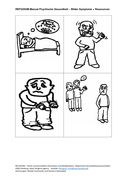
Ohne Text, nur Bilder.
Zeichnungen: Natalia Yaremenko und Homeira Qariezadah
Arabic Version.
Please download the Arabic Version Manual and the presentations directly from the website:
https://resourcecentre.savethechildren.net/library/save-children-psychological-first-aid-training-manual-child-practitioners

Seit zehn Jahren bietet die Forschungsabteilung des ZÜ mit dem Projekt „Ilajnafsy“ Menschen aus dem arabischen Sprachraum, die an Depressionen und Traumafolgestörungen leiden, online psychologische Unterstützung. Der therapeutische Kontakt findet im schriftlichen Austausch über ein programme
...
igenes, datengeschütztes Webportal statt. Auf diese Weise können auch Menschen in Kriegs- und Krisengebieten Kontakt aufnehmen und eine erste psychologische Unterstützung in Anspruch nehmen.
Der Film erklärt anschaulich, wie eine web-basierte Therapie über Iljanafsy abläuft und welche Menschen das Programm in Anspruch nehmen können. Abrufbar ist der Film auf Englisch, auf Arabisch sowie auf Arabisch mit englischen Untertiteln
more
